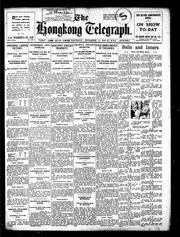
Tahiti greets its war veterans with ancient magic rite
 61
61

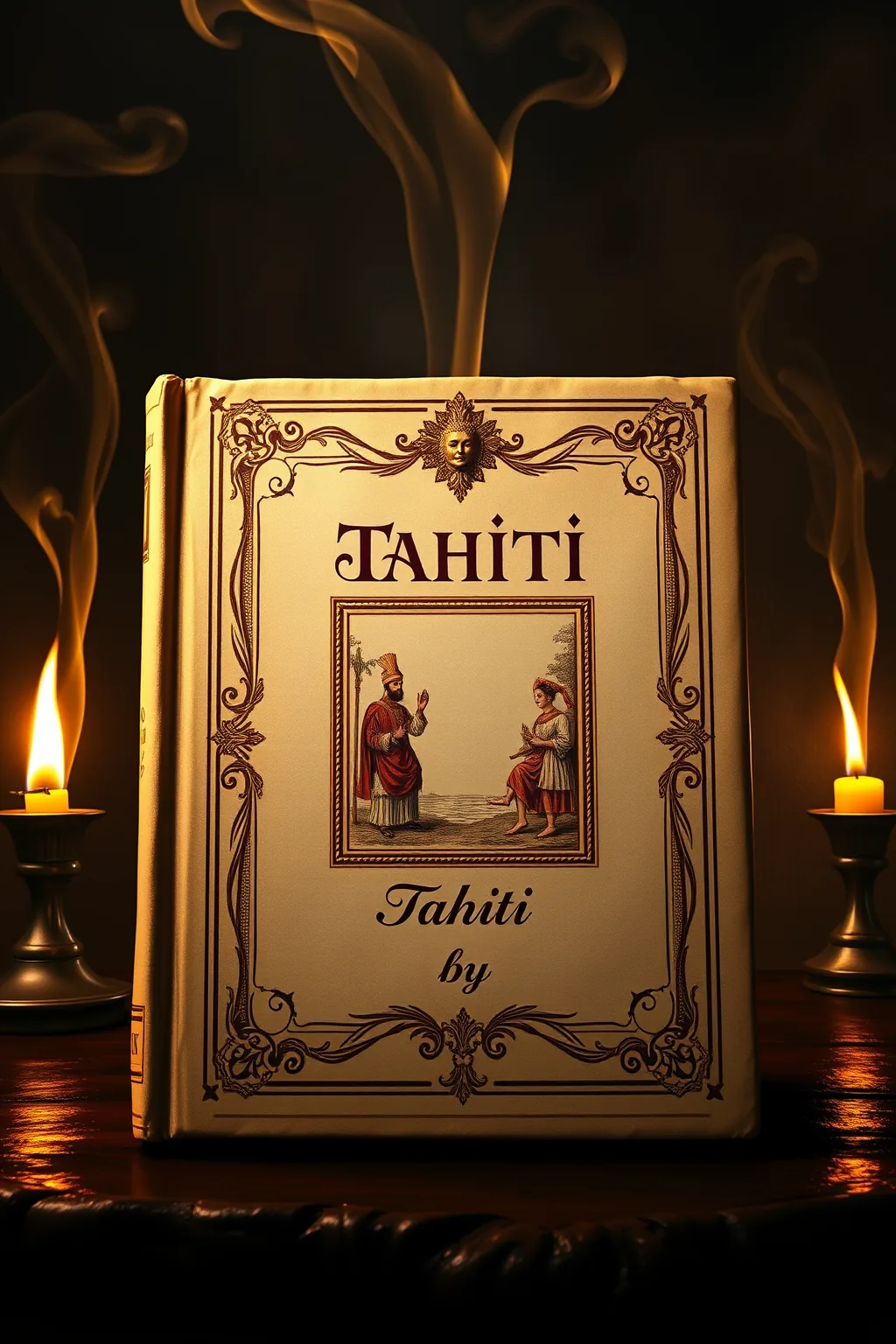
Tahiti greets its war veterans with ancient magic rite


Celeste Moreau (Divination & Symbolism Reviewer) — This fascinating narrative offers an unparalleled window into the living practice of Polynesian magic. The author masterfully captures the potent atmosphere of the ancient rite, revealing its deep symbolic resonance for veterans. It’s not merely a description of a ceremony, but an exploration of its psychological and spiritual efficacy. The text highlights the interconnectedness of community, nature, and the divine, offering profound insights into restorative practices often overlooked in Western traditions. Ideal for scholars of comparative religion, anthropologists, and practitioners seeking cross-cultural understanding of ritual healing.
📝 Description
61
This book details a Tahitian ritual for returning war veterans using ancient magic.
This text describes a specific Polynesian rite enacted in Tahiti to welcome back soldiers from conflict. It is not simply a travel account but a look into the spiritual practices of the indigenous people. The book explains how island life is connected with old ceremonies that blur the lines between the physical and spiritual worlds. Readers will find descriptions of sacred dances, chants, and the symbolic gifts used in this rite.
It is presented as a path for those interested in forgotten knowledge and how rituals can help people heal and feel connected. The book touches on how people need to belong and find strength in group spiritual beliefs. It shows a way of thinking where the natural and supernatural work together.
This work falls within traditions that study the use of ritual and ceremony for societal and personal transformation, particularly in non-Western indigenous cultures. It examines how specific cultural practices, drawing on what might be termed animistic or nature-based spiritual beliefs, serve to mend societal rifts caused by conflict. The focus on the perceived 'thinning of the veil' between the seen and unseen aligns with shamanic or spirit-focused traditions where intermediaries facilitate communication or influence between human and spiritual realms.
💡 Why Read This Book?
Uncover the potent, living magic of ancient Polynesian culture. This book offers a rare glimpse into a transformative ritual designed to honor and heal war veterans, weaving together travel, anthropology, and esoteric spiritual practices. Ideal for seekers of hidden knowledge, scholars of ritual, and anyone yearning to understand the profound connection between community, nature, and the divine.
⭐ Reader Reviews
Honest opinions from readers who have explored this book.
❓ Frequently Asked Questions
What is the primary purpose of the ancient magic rite described?
The rite serves as a profound ceremony of reintegration and spiritual healing for returning war veterans, acknowledging their experiences and reaffirming their place within the community through ancestral magic.
What are some key elements of the ritual?
The ritual involves sacred dances, resonant chants, symbolic offerings, and the invocation of ancestral spirits, all designed to create a sacred space for healing and spiritual renewal.
Is this book suitable for beginners in magic studies?
Yes, while deeply esoteric, the narrative is accessible, offering rich descriptions and contextualization that can introduce beginners to the power and beauty of indigenous ritual practices.
What kind of travel experience does the book offer?
It provides an immersive, sensory experience of Tahiti, not just as a tourist destination, but as a land steeped in ancient spiritual traditions and living magic, viewed through the lens of profound cultural observation.
Does the book explore the psychological impact of the ritual?
Absolutely. The text delves into the deep psychological and spiritual restoration the rite offers veterans, highlighting its role in addressing trauma and fostering a sense of belonging.
🔮 Key Themes & Symbolism
The Art of Reintegration Through Ritual
This theme explores how indigenous societies employ ancient magical rites as powerful mechanisms for reintegrating individuals, particularly those who have faced significant trauma like warfare. It examines the symbolic language of the ritual – the chants, dances, and offerings – as a means of spiritual cleansing, affirmation, and the restoration of balance within both the individual and the collective. The focus is on how these practices honor the warrior's journey while guiding them back into the embrace of their community and ancestral traditions, fostering a profound sense of belonging and renewed purpose.
Polynesian Mysticism and Ancestral Connection
Examine the wide range of Polynesian spiritual beliefs, where the natural world is imbued with spirit and ancestors play an active role in the lives of the living. This theme highlights the profound connection to the land, the sea, and the cosmos that underpins the Tahitian magic rite. It explores the concept of mana, the spiritual power that flows through all things, and how it is invoked and directed during the ceremony. Understanding this connection reveals a holistic worldview where healing and spiritual well-being are intrinsically linked to maintaining harmony with the divine and the ancestral realm.
The Enduring Power of Sacred Ceremony
This theme underscores the timeless efficacy of sacred ceremony as a vital human practice. It examines how, even in the modern era, ancient rituals retain their potency to address deep-seated human needs, such as healing from trauma, seeking communal support, and connecting with the sacred. The narrative demonstrates that these ceremonies are not mere relics of the past but living, breathing expressions of cultural wisdom and spiritual resilience. By detailing the Tahitian rite, the book illustrates how the structured performance of sacred acts can facilitate profound transformation and reinforce cultural identity in a rapidly changing world.
💬 Memorable Quotes
Direct passages from the work, attributed to the author.
“The ocean breathes the stories of our ancestors.”
— This evocative phrase suggests the profound connection between nature and the spiritual realm, implying that the natural world holds ancient wisdom and memories accessible through ritual.
“We combine the threads of their courage into the fabric of the land.”
— This metaphor speaks to the ritual's purpose of honoring veterans' bravery, integrating their experiences into the collective identity and the spiritual essence of their homeland.
“The drums call the spirits to witness our healing.”
— This highlights the auditory and spiritual components of the ceremony, where rhythmic drumming acts as a conduit to invite ancestral or divine presence for the purpose of mending.
“In the dance, the warrior sheds the weight of battle.”
— This suggests the cathartic and transformative power of movement in ritual, allowing veterans to release the psychological burdens and trauma of conflict.
“The sacred fire purifies the path forward.”
— This refers to the symbolic use of fire in rituals as a cleansing agent, signifying the removal of past pains and the illumination of a new, hopeful future for the veterans.
🌙 Esoteric Significance
Tradition
This ritual is deeply rooted in Polynesian animistic and shamanistic traditions, emphasizing a profound connection to nature, ancestral spirits, and the concept of mana. It aligns with broader esoteric understanding of how to channel vital life force and spiritual energies for communal and individual healing. The practice suggests a worldview where the physical and spiritual realms are seamlessly integrated, and where sacred rites act as vital conduits for maintaining cosmic and societal balance.
Symbolism
Key symbols include the ocean, representing the vastness of the subconscious and the flow of life; ancestral spirits, embodying wisdom and guidance; sacred chants and dances, as energetic catalysts for transformation; and offerings, signifying gratitude and the reciprocal relationship between humans and the divine. The entire rite functions as a symbolic journey of release, purification, and reintegration, mirroring archetypal patterns of death and rebirth within a community context.
Modern Relevance
In a world grappling with widespread trauma, identity crises, and a perceived disconnection from nature, the Tahitian rite offers profound lessons. It demonstrates the enduring power of communal ritual to foster healing, reinforce identity, and reconnect individuals with their heritage and the spiritual underpinnings of existence. Its emphasis on ancestral wisdom and nature-based spirituality provides a potent antidote to modern alienation and offers a blueprint for restorative practices that honor the whole person.
👥 Who Should Read This Book
This exploration is essential for students of comparative religion, anthropology, and esoteric studies seeking to understand living ritual practices. Practitioners of magic and shamanism will find rich insights into indigenous healing modalities and ancestral invocation. For the general seeker, it offers a compelling narrative that illuminates the universal human need for belonging and the transformative power of ceremony. Scholars of post-colonial studies may also find value in its depiction of cultural resilience. Ultimately, anyone fascinated by the intersection of culture, spirituality, and profound human experience will be captivated.
📜 Historical Context
This account emerges from a period where the clash between traditional indigenous cultures and encroaching Western influences was a defining global narrative. While the specific year of this rite is unstated, its description situates it within a context where ancient Polynesian spiritual practices, though perhaps marginalized, continued to hold profound societal relevance. The act of honoring war veterans through such a deeply rooted magical ceremony suggests a cultural imperative to maintain ancestral traditions as a source of strength and identity amidst external pressures. It reflects a world where the efficacy of ritual and the power of the unseen were still widely acknowledged, offering a counterpoint to purely materialist worldviews and underscoring the resilience of spiritual heritage.
📔 Journal Prompts
Reflect on a personal experience of reintegration or healing. How could ritual have enhanced this process?
What elements of the Tahitian rite resonate most deeply with your understanding of spiritual practice?
Consider the concept of 'mana' in your own life. Where do you feel its presence or absence?
How do you connect with your own ancestral heritage, if applicable? What rituals or practices do you engage in?
Imagine designing a modern ritual for community healing. What symbolic elements would you incorporate and why?
🗂️ Glossary
Mana
A Polynesian concept referring to supernatural force or power that is inherent in persons, objects, and phenomena. It is a vital energy that can be cultivated and directed.
Tapu
A Polynesian concept related to sacredness, prohibition, or restriction. It denotes a state of being set apart or holy, often associated with the management of mana.
Ori Tahiti
The traditional dance of Tahiti, which is not merely artistic performance but a sacred practice often used in ceremonies to tell stories, invoke spirits, and express emotions.
Ancestral Invocation
A spiritual practice involving calling upon or summoning the spirits of deceased ancestors for guidance, protection, or assistance within a ritual context.
Rite of Passage
A ceremony or event marking an important stage in a person's life, such as birth, puberty, marriage, or death. This rite specifically addresses the transition of veterans.
This book appears in 3 collections
🔮 Readers Also Liked
Browse all →







From the “Ritual Magic” Collection
View all →




More Free Magic & Ritual Books
View all →