Supernatural Survival Guide, The
 71
71

Supernatural Survival Guide, The
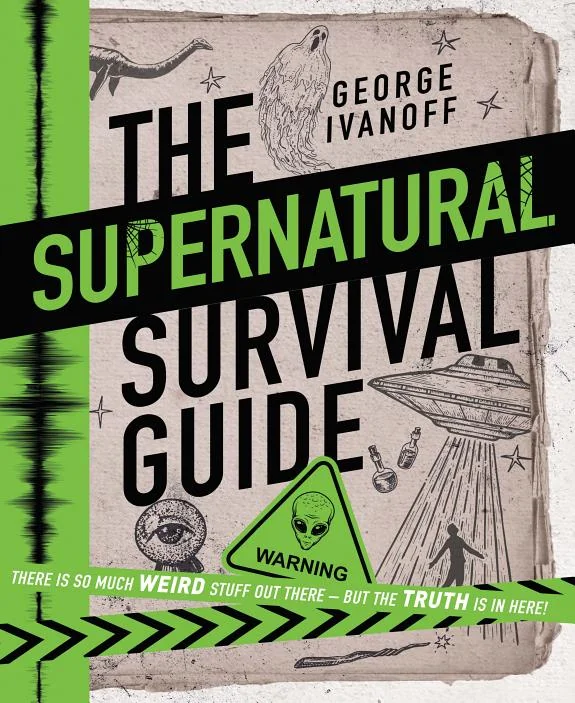
George Ivanoff’s *The Supernatural Survival Guide* offers a broad, if somewhat surface-level, exploration of unexplained phenomena. Its strength lies in its direct, engaging tone, making subjects like UFO sightings and cryptid lore accessible to a younger audience. The work efficiently compiles numerous popular mysteries, from the Loch Ness Monster to alleged hauntings, presenting them with a light touch. However, its brevity means it rarely delves deeply into the historical or scientific context of these phenomena. For instance, while it mentions UFO sightings, it doesn't extensively explore the history of aerial phenomena reporting or specific cultural interpretations of these events across different eras. A notable limitation is its lack of critical analysis; the book presents possibilities rather than encouraging deep skepticism or rigorous investigation. Still, for an introduction to the world of the unexplained, it functions as a competent primer. It functions as a gateway for curious minds.
📝 Description
71
George Ivanoff's 2021 Supernatural Survival Guide collects tales of UFOs, hauntings, and cryptids.
Published in 2021, George Ivanoff's Supernatural Survival Guide is a collection of unexplained phenomena. The book addresses common questions about UFOs, hauntings, and cryptids like Bigfoot and the Loch Ness Monster. It offers information and possible explanations for encounters with the strange, drawing on various accounts and speculative theories. This guide is aimed at younger readers and general audiences interested in the paranormal and cryptozoology. It suits those who enjoy speculative fiction, mystery, and learning about unexplained events without needing deep academic study. Readers seeking a broad overview of popular supernatural lore will find it accessible.
Ivanoff's work follows a long tradition of collecting folklore and mysteries. While not an academic text, it reflects current interest in unexplained phenomena. Its 2021 publication date aligns with an era where online discussions about UFOs and cryptids continue to grow, making such a guide relevant for a new audience. The book touches on concepts like cryptozoology and eyewitness accounts of UFOs and spectral encounters. It includes scientific and skeptical views alongside more speculative theories, giving an introductory look at phenomena that resist simple explanations.
This guide enters a long tradition of folklore and mystery compilations. It reflects contemporary interest in unexplained phenomena, echoing earlier popular works that cataloged strange occurrences. The 2021 publication date places it within an era where online forums and social media continue to fuel discussions on UFOs and cryptids, making such a guide relevant for a new generation. While not an academic treatise, it presents speculative theories alongside more skeptical perspectives.
💡 Why Read This Book?
• You will learn about the foundational questions surrounding cryptozoology, such as the enduring mystery of Bigfoot, gaining a foundational understanding of this field of study. • You will encounter explanations for common paranormal occurrences, including scientific theories that attempt to rationalize hauntings, offering a balanced perspective on spectral phenomena. • You will explore the history and common narratives of UFO sightings, understanding the typical witness accounts that fuel ongoing fascination with extraterrestrial visitation.
⭐ Reader Reviews
Honest opinions from readers who have explored this book.
❓ Frequently Asked Questions
What is cryptozoology according to The Supernatural Survival Guide?
The book defines cryptozoology as the study of creatures whose existence is unproven, often referred to as cryptids. It highlights popular examples like Bigfoot and the Loch Ness Monster, framing them as subjects of ongoing investigation and folklore.
Does the book offer scientific explanations for hauntings?
Yes, The Supernatural Survival Guide touches upon scientific hypotheses that attempt to explain reported hauntings. These can include psychological factors, misinterpretations of natural phenomena, or structural anomalies within buildings.
What types of UFO encounters are discussed in the guide?
The guide covers a range of UFO encounter narratives, including sightings by multiple witnesses, alleged abductions, and the general phenomenon of unidentified aerial objects, presenting them as subjects of popular interest and speculation.
Is The Supernatural Survival Guide suitable for young readers?
Absolutely. The book is written in an engaging and accessible style, making it ideal for younger audiences or anyone new to the study of paranormal phenomena and unexplained mysteries.
When was The Supernatural Survival Guide first published?
The Supernatural Survival Guide by George Ivanoff was first published on September 28, 2021, making it a relatively recent entry into the literature of unexplained mysteries.
What is the primary goal of The Supernatural Survival Guide?
The book aims to provide readers with information and potential explanations for encounters with the 'spooky' and unexplained. It serves as an introductory compendium to popular paranormal topics and folklore.
🔮 Key Themes & Symbolism
Cryptid Investigations
The book studies the world of cryptids, creatures often relegated to folklore and eyewitness accounts. It examines popular figures like Bigfoot and the Loch Ness Monster, presenting the evidence and speculation surrounding their existence. This theme explores the human fascination with the unknown and the potential for undiscovered species, touching upon the field of cryptozoology and its place within broader natural history.
UFO Phenomena
A significant portion of the guide is dedicated to Unidentified Flying Objects (UFOs). It covers numerous reports of aerial anomalies, from single sightings to mass encounters, and discusses various theories proposed to explain them, including extraterrestrial visitation and misidentification of conventional aircraft. The theme addresses the cultural impact of UFO lore and the persistent questions it raises about our place in the cosmos.
Hauntings and Spectral Encounters
The Supernatural Survival Guide tackles the phenomenon of hauntings, exploring common beliefs and reported experiences associated with ghosts and spirits. It presents both anecdotal evidence and potential scientific rationalizations for such occurrences, such as psychological phenomena or environmental factors. This theme invites readers to consider the nature of consciousness and the persistence of memory or energy.
The Nature of Mystery
Underlying the various subjects is the theme of enduring mystery. The book acknowledges that despite scientific advancements, many phenomena remain unexplained, sparking wonder and imagination. It highlights the human desire to understand the unknown and the role of speculation and folklore in filling the gaps in our knowledge about the world and beyond.
💬 Memorable Quotes
Direct passages from the work, attributed to the author.
“Is your house HAUNTED?”
— This direct question captures the book's approach, immediately engaging the reader with common, relatable paranormal anxieties and setting the stage for an exploration of the topic.
“The world is a pretty amazing place, but there are still things out there that are full of mystery and make us wonder...”
— This statement captures the essence of the book's appeal, emphasizing the vastness of the unknown and the natural human curiosity that drives the investigation into supernatural phenomena.
“What is cryptozoology?”
— Posed as a direct question, this highlights the book's intention to educate readers on specific fields related to the unexplained, defining terms and concepts central to the study of cryptids.
“Have you had a close encounter with a UFO?”
— This question serves as an immediate hook, tapping into popular culture and individual experiences, inviting readers to connect with the subject matter of extraterrestrial encounters discussed in the guide.
💡 Key Ideas
Editorial paraphrase of the work's core concepts — not direct quotes.
Don't worry, THE SUPERNATURAL SURVIVAL GUIDE has all the info you need to survive a brush with the SPOOKY.
This quote directly states the book's purpose: to empower readers with knowledge, presenting itself as a practical resource for understanding and potentially navigating encounters with the paranormal.
🌙 Esoteric Significance
Tradition
While not strictly aligned with a singular esoteric tradition like Hermeticism or Kabbalah, *The Supernatural Survival Guide* taps into the broader currents of occult and metaphysical inquiry that have long explored phenomena beyond conventional scientific understanding. It shares a lineage with speculative folklore and early parapsychology, fields that sought to document and rationalize experiences often dismissed by mainstream science. The work acts as a secularized grimoire for the curious, cataloging mysteries rather than prescribing rituals.
Symbolism
The primary symbols explored are the cryptids themselves—Bigfoot, the Loch Ness Monster—which function as archetypal representations of the unknown lurking at the edges of our perceived reality. UFOs, as luminous or inexplicable craft, symbolize advanced, alien intelligence or consciousness, and the mystery of the cosmos. Haunted locations, from houses to specific locales, embody lingering energies or unresolved histories, acting as symbolic spaces where the veil between worlds is perceived to be thin.
Modern Relevance
Contemporary thinkers and practitioners in fields like cryptozoology, amateur ufology, and paranormal investigation often draw upon the type of cataloged information found in this guide. It serves as an accessible entry point for individuals engaging with modern folklore, conspiracy theories, and the burgeoning interest in unexplained aerial phenomena, particularly as discussions are now heavily influenced by online communities and readily available media narratives.
👥 Who Should Read This Book
• Curious young readers aged 10-15 exploring initial interests in mysteries and the unexplained, seeking an engaging and non-intimidating introduction to topics like UFOs and cryptids. • General readers seeking a broad overview of popular paranormal phenomena, who appreciate a straightforward presentation of anecdotal evidence and speculative theories without deep academic dives. • Educators or parents looking for a resource to answer common questions about ghosts, Bigfoot, and aliens, providing a foundation for further discussion and critical thinking.
📜 Historical Context
George Ivanoff's *The Supernatural Survival Guide*, published in 2021, arrives at a moment of renewed public interest in unexplained phenomena, amplified by digital media. While it doesn't engage directly with academic debates, it carries the popular compendiums of the late 20th century, such as those by Charles Fort, who meticulously cataloged anomalous events. Ivanoff’s work distinguishes itself by its more modern, accessible format, likely aimed at a younger demographic less familiar with Fort's dense compilations or the skeptical inquiries of figures like Carl Sagan. The book's approach, focusing on broad overviews of cryptids, UFOs, and hauntings, reflects a contemporary appetite for digestible content on these enduring mysteries, bypassing the more rigorous methodological debates prevalent in ufology or paranormal research circles.
📔 Journal Prompts
Eyewitness accounts of UFOs: what common elements emerge across different reports?
The concept of cryptozoology: what makes a creature a 'cryptid'?
Reported hauntings: explore the potential psychological versus supernatural explanations.
The allure of the unknown: why are humans fascinated by mysteries like the Loch Ness Monster?
Survival strategies for the 'spooky': assess the practical value of the guide's advice.
🗂️ Glossary
Bigfoot
A large, hairy, ape-like creature said to inhabit forests, primarily in the Pacific Northwest region of North America. It is a prominent example of a cryptid, subject to numerous eyewitness accounts and folklore.
Cryptozoology
The study of and search for animals whose existence is unproven, often referred to as cryptids. It bridges folklore, zoology, and speculative science, focusing on creatures like Bigfoot, the Loch Ness Monster, and others.
Cryptid
An animal whose existence is suggested by anecdotal evidence but has not been proven to exist. Examples include Bigfoot, the Yeti, and the Chupacabra.
Haunting
The alleged presence of spirits or ghosts in a particular location, often associated with unexplained noises, visual apparitions, or physical phenomena attributed to deceased individuals.
Loch Ness Monster
A large, long-necked aquatic creature said to inhabit Loch Ness in the Scottish Highlands. It is one of the most famous cryptids, subject to numerous alleged sightings and investigations.
UFO
An acronym for Unidentified Flying Object, referring to any aerial phenomenon that cannot be immediately identified or explained. Often associated with extraterrestrial spacecraft in popular culture.
Spooky
A colloquial term used to describe something that causes fear or unease, often related to ghosts, the supernatural, or the unexplained. The book uses it to encompass a range of paranormal phenomena.
This book appears in 1 collection
🔮 Readers Also Liked
Browse all →







From the “Haunted Places” Collection
View all →






More Free Occult Philosophy Books
View all →