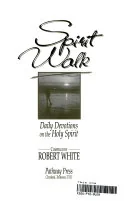
Spirit Walk
 77
77

Spirit Walk
The anonymous author of Spirit Walk presents a remarkably systematic guide to astral projection, a subject often shrouded in vague mysticism. Its strength lies in its pragmatic, almost scientific, methodology, detailing specific exercises for inducing out-of-body states. The chapter on 'Anchoring the Consciousness' provides a concrete technique for maintaining awareness during disembodiment, a crucial element often overlooked. However, the work's primary limitation is its stark lack of biographical information about the author, which, while potentially preserving anonymity, denies readers context for the experiences and teachings presented. The repeated emphasis on the 'vibrational state' as a precursor to projection, while accurate, could benefit from more diverse linguistic framing to avoid repetition. Spirit Walk offers a valuable, no-nonsense approach to a complex subject.
📝 Description
77
Published in 1995, Spirit Walk details techniques for astral projection and consciousness expansion.
Spirit Walk presents a structured approach to spiritual travel and expanding consciousness. The book outlines methods for safe disembodiment, achieving lucid dreams, and cultivating awareness during out-of-body experiences. It serves as a manual for dedicated study, intended for practitioners of esoteric arts and those interested in consciousness beyond the physical form.
This work emerged in 1995, a time of heightened interest in consciousness studies and parapsychology. It distinguished itself with a disciplined, technique-focused method, drawing on observable phenomena rather than solely mystical assertions. The book's core concepts include the 'spirit body' or 'astral body' as a vehicle for consciousness and the 'silver cord' as a connection to the physical form.
Spirit Walk follows in traditions that explore subtle bodies and non-physical travel, influenced by figures like Robert Monroe. Its 1995 publication placed it within a resurgent interest in parapsychology and New Age thought, yet it advocated for a more systematic and observable approach to these phenomena. The text elaborates on concepts such as the astral body as a distinct vehicle of consciousness and the energetic link, the 'silver cord', that connects it to the physical organism.
💡 Why Read This Book?
• You will learn specific techniques for initiating and controlling astral projection, detailed in the 'Preparation and Entry' sections, offering practical guidance beyond theoretical discussions. • You will gain an understanding of the 'spirit body' concept and its relationship to the physical form, as outlined in the early chapters, providing a conceptual framework for spiritual travel. • You will discover methods for safely navigating non-physical environments, as described in the 'Return and Integration' protocols, equipping you with essential safety measures for exploration.
⭐ Reader Reviews
Honest opinions from readers who have explored this book.
❓ Frequently Asked Questions
What is the primary goal of the techniques described in Spirit Walk?
The primary goal is to achieve conscious separation of the spirit body from the physical form, enabling travel to non-physical realms for exploration and self-discovery.
When was Spirit Walk first published, and what was the general reception?
Spirit Walk was first published in 1995. Its reception was generally positive among those interested in esoteric studies and consciousness exploration, appreciated for its practical approach.
Does Spirit Walk discuss safety measures for astral projection?
Yes, the book extensively covers safety measures, particularly concerning the 'silver cord' connection and methods for ensuring a safe return to the physical body.
What is the 'silver cord' as explained in Spirit Walk?
The 'silver cord' is described as an energetic tether connecting the spirit body to the physical form during out-of-body experiences, ensuring the practitioner's safe return.
Are the techniques in Spirit Walk suitable for beginners?
While the book aims for clarity, its advanced subject matter and demand for dedicated practice suggest it is best suited for those with some prior interest or experience in metaphysical exploration.
What are the 'vibrational states' mentioned in the book?
The 'vibrational states' refer to specific frequencies or energetic conditions of consciousness that facilitate the separation of the spirit body from the physical body for astral projection.
🔮 Key Themes & Symbolism
Conscious Separation
The central theme is the deliberate and conscious separation of the 'spirit body' from the physical form. This isn't an accidental event but a skill to be cultivated through precise mental and energetic techniques. The book breaks down the process into stages, from inducing relaxation to achieving full disembodiment. It emphasizes maintaining awareness throughout the transition, distinguishing it from mere dreaming or unconsciousness. The author posits that this separation is a natural function of consciousness, accessible with the right training and understanding.
The Spirit Body
Spirit Walk elaborates on the concept of the 'spirit body,' often referred to as the astral body or subtle vehicle. This entity is described as a more refined energetic form that houses consciousness and can operate independently of the physical organism. The text details its nature, its connection to the physical through the 'silver cord,' and its capacity to perceive and interact with non-physical environments. Understanding the spirit body is presented as fundamental to successful spiritual travel and exploration of other dimensions.
Navigating Non-Physical Realms
Beyond achieving separation, the book addresses the practicalities of working through the diverse 'planes' or dimensions accessible during out-of-body experiences. It offers guidance on maintaining orientation, interacting with entities or phenomena encountered, and developing discernment in these unfamiliar territories. The emphasis is on systematic exploration rather than haphazard wandering, encouraging practitioners to approach these realms with intent, awareness, and respect for their inherent structures and inhabitants.
Return and Integration
A critical, yet often overlooked, aspect of spiritual travel is the safe and complete return to the physical body and the integration of the experience. Spirit Walk dedicates significant attention to methods for ensuring a smooth reintegration, minimizing disorientation or energetic disruption. It discusses the importance of grounding oneself after an excursion and how to retain the insights gained from non-physical exploration, making the practice a tool for personal growth rather than mere escapism.
💬 Memorable Quotes
Direct passages from the work, attributed to the author.
“The vibrational state is the threshold; intent is the key to crossing.”
— This suggests that achieving a specific energetic frequency within oneself is a prerequisite for initiating spiritual travel, and that focused will or desire is the mechanism that enables the transition into non-physical states.
“The silver cord is not a chain, but a lifeline.”
— This highlights the essential nature of the energetic connection between the spirit body and the physical form during out-of-body experiences, emphasizing its role in ensuring safety and facilitating a return.
“Awareness is the only currency in the planes.”
— This implies that conscious perception and mental clarity are paramount for navigating and interacting meaningfully with non-physical realities, more so than any physical attributes or external aids.
“Never project with fear; fear anchors you to the familiar.”
— This advises against undertaking spiritual travel while experiencing negative emotions like fear, as such states can hinder separation and prevent access to higher or more subtle realms.
“Integration is as vital as departure; knowledge ungrounded is lost.”
— This stresses the importance of bringing back insights from spiritual journeys and applying them to one's physical life, suggesting that experiences without integration lack lasting value.
🌙 Esoteric Significance
Tradition
Spirit Walk aligns with traditions focused on practical application and direct experience of non-physical realities, such as certain branches of Western Hermeticism and modern Theosophical-inspired thought concerning subtle bodies. It departs from purely theoretical or devotional paths by emphasizing repeatable techniques and empirical observation of consciousness states, akin to a form of experiential psychonautics.
Symbolism
The 'spirit body' is a key symbol, representing the portable consciousness or subtle vehicle distinct from the physical form. The 'silver cord' symbolizes the vital, energetic connection essential for maintaining life and ensuring a safe return from non-physical excursions. The concept of 'planes' represents the multi-layered nature of reality accessible through consciousness, akin to different dimensional frequencies.
Modern Relevance
Contemporary practitioners of lucid dreaming, remote viewing, and astral projection often cite Spirit Walk as a foundational text. Its emphasis on systematic practice and safety protocols continues to inform online communities and modern occult courses focused on consciousness expansion and non-physical exploration.
👥 Who Should Read This Book
• Aspiring practitioners of astral projection seeking detailed, step-by-step instructions and safety guidelines for initiating and managing out-of-body experiences. • Students of consciousness studies interested in verifiable techniques for exploring non-physical realms and understanding the nature of the 'spirit body'. • Esoteric researchers looking for practical manuals that bridge theoretical concepts of subtle anatomy with hands-on application, moving beyond purely philosophical discourse.
📜 Historical Context
Published in 1995, Spirit Walk emerged during a significant resurgence of interest in consciousness studies and parapsychology. This era saw a blend of scientific inquiry into phenomena like near-death experiences and a popular embrace of altered states, influenced by figures like Stanislav Grof and the continued legacy of early psychical researchers. The book's approach, focusing on systematic technique and observable results, distinguished it from more purely philosophical or religious explorations of the afterlife or spirit realms prevalent at the time. It sidestepped the more dogmatic or overtly New Age spiritual claims, opting instead for a practical, almost instructional manual style. While not directly engaging with contemporaries like Robert Monroe in terms of specific techniques, it operated within the intellectual currents Monroe helped popularize, offering a structured alternative for those seeking to replicate and understand out-of-body experiences.
📔 Journal Prompts
The 'vibrational state' as a gateway: what internal sensations precede a shift in consciousness?
Reflections on the 'spirit body': describe its perceived form and texture during moments of heightened awareness.
Your personal understanding of the 'silver cord' and its symbolic meaning for your connection to physicality.
Experiences of disorientation or anchoring upon returning from altered states, and how they align with the book's advice.
Analyzing the intent behind your desire for spiritual travel: what are you seeking to discover or achieve in the planes?
🗂️ Glossary
Spirit Body
The subtle, energetic vehicle of consciousness that can separate from the physical body, also referred to as the astral body or etheric double.
Silver Cord
An energetic, elastic tether connecting the spirit body to the physical form during out-of-body experiences, ensuring continuity and safe return.
Vibrational State
A specific energetic frequency or condition of consciousness that facilitates the separation of the spirit body from the physical body.
Planes
Different levels or dimensions of reality accessible through consciousness during spiritual travel, often perceived as distinct realms with unique characteristics.
Conscious Separation
The deliberate and aware detachment of the spirit body from the physical body, as opposed to an unconscious or accidental occurrence.
Integration
The process of incorporating insights, experiences, and energies gained during non-physical travel back into one's physical life and consciousness.
Anchoring
Techniques used to maintain awareness and stability within the physical body or during the process of returning from a non-physical excursion.
This book appears in 1 collection
🔮 Readers Also Liked
Browse all →








From the “Spirit Guides” Collection
View all →






More Free Occult Philosophy Books
View all →