Spellbound

 78
78

Spellbound
Sophie Page's Spellbound offers a meticulously researched examination of magic, moving beyond simplistic notions of spells to explore their cultural and psychological underpinnings. The strength of the book lies in its clear, analytical prose, which dissects complex historical phenomena without resorting to sensationalism. Page adeptly traces the evolution of magical thinking, demonstrating how it has served diverse social functions across centuries. A particular highlight is the discussion on the 'performative' aspect of spellcasting, where the act itself, as much as any purported supernatural intervention, shapes belief and social reality. While the book's academic rigor is commendable, some readers might find its detached, scholarly tone less accessible than more narrative-driven accounts of witchcraft. The exploration of the legal ramifications of alleged sorcery in late medieval Europe, for instance, is insightful but dense. Nevertheless, Spellbound provides an essential, grounded perspective for understanding the enduring human engagement with the magical.
📝 Description
78
Sophie Page's 2018 book, Spellbound, examines how magic and belief have shaped societies.
Spellbound is an academic study of magic and spells, published in 2018. Sophie Page does not present this work as a practical spellbook, but rather as a scholarly examination of how magical thinking has functioned across history and cultures. The book investigates the ideas that have supported magical practices, tracing their development and impact on society.
This book is for anyone interested in the history of magic, cultural anthropology, or the sociology of belief. It will appeal to academics, students, and serious enthusiasts who want a deeper understanding of the intellectual and social history behind witchcraft, sorcery, and folk magic. Readers who value careful research and detailed analysis of historical events will find Spellbound especially rewarding.
Published in 2018, Spellbound entered a field seeing renewed attention to witchcraft studies and magic history. It follows earlier scholarly work that moved beyond folklore or sensational accounts. Page's book contributes to the academic conversation by acknowledging how magical beliefs are socially constructed, while still valuing their historical weight. It fits within the broader trend of late 20th and early 21st-century scholarship on magic.
💡 Why Read This Book?
• Gain a nuanced understanding of 'magical thinking' as a historical and cultural construct, moving beyond sensationalized portrayals of witchcraft, as explored in the book's analysis of belief systems. • Discover the social and psychological functions of spells throughout history, recognizing them not just as rituals but as expressions of human desire and attempts to influence reality, as detailed in the historical context sections. • Appreciate the academic approach to esoteric subjects, learning how scholars analyze practices like sorcery through a lens of cultural anthropology and historical inquiry, exemplified by the 2018 publication date and its academic milieu.
⭐ Reader Reviews
Honest opinions from readers who have explored this book.
❓ Frequently Asked Questions
What is the primary focus of Sophie Page's Spellbound?
Spellbound primarily focuses on the historical and cultural dimensions of magic and spells, examining how magical thinking has functioned across societies rather than providing practical spellcasting instructions.
When was Spellbound first published and what academic context does it belong to?
Spellbound was first published in 2018. It belongs to the academic field of witchcraft studies and the history of magic, building on earlier scholarly works.
Does Spellbound offer practical spells or rituals?
No, Spellbound is an academic exploration and analysis of magic and spells. It does not offer practical instructions for casting spells or performing rituals.
Who would benefit most from reading Spellbound?
Readers interested in the history of magic, cultural anthropology, sociology of belief, and those seeking a scholarly understanding of witchcraft and sorcery will benefit most.
What are some key concepts discussed in Spellbound?
Key concepts include 'magical thinking' as a mode of understanding, the performative and social functions of spells, and the role of collective belief in magical efficacy.
How does Spellbound differ from popular portrayals of magic?
Spellbound differs by offering a grounded, analytical, and historically contextualized perspective, focusing on the social and intellectual history rather than sensationalism or fantasy.
🔮 Key Themes & Symbolism
The Nature of Magical Thinking
Spellbound investigates 'magical thinking' not as a primitive or irrational state, but as a distinct cognitive and cultural framework for understanding and influencing the world. Page examines how this mode of thought, distinct from but often interacting with scientific or religious paradigms, has shaped human societies. The work explores the underlying logic and assumptions of magical belief systems, demonstrating their historical prevalence and the psychological needs they addressed, such as a desire for control or explanation in uncertain circumstances.
Social Functions of Spells
This theme examines how spells and magical practices have served concrete social purposes throughout history. Beyond individual desires, Page analyzes their roles in maintaining social order, enforcing community norms, expressing grievances, and even as tools of social critique. The book explores instances where accusations of sorcery were used to target marginalized individuals or resolve social conflicts, highlighting the performative and political dimensions of magic within communities. The perceived efficacy of spells is thus tied to their social and psychological impact.
Belief and Efficacy
A central tenet explored is the intricate relationship between belief and the perceived efficacy of magic. Spellbound examines how collective belief systems, cultural narratives, and individual faith contribute to the power attributed to spells and magical acts. The work considers how the act of performing a spell, the intention behind it, and the conviction of both the practitioner and the recipient are crucial components. This section analyzes how belief itself can manifest tangible social and psychological effects, regardless of supernatural intervention.
Historical Evolution of Magic
Page traces the historical trajectory of magical practices and beliefs, illustrating their transformation over time. The book moves from examining ancient charms and folk magic to more formalized ritualistic systems, contextualizing these developments within broader intellectual and social changes. It considers how different eras, such as the late medieval period or the early modern witch trials, shaped perceptions and applications of magic. This historical lens reveals magic not as a static phenomenon but as a dynamic aspect of human culture.
💬 Memorable Quotes
Direct passages from the work, attributed to the author.
“Magic functions as a way to organize the world and one's place within it.”
— This interpretation suggests that spells and magical thinking are not merely random acts but structured attempts to create meaning and order. It implies that magic provides a framework for understanding cause and effect, even when those causes are perceived as supernatural, thereby offering a sense of agency.
“The power of a spell often lies in its performance and the belief it engenders.”
— This highlights the performative aspect of magic. The ritual itself, the intention, and the conviction of participants are presented as key factors in the spell's perceived effectiveness, suggesting that psychological and social dynamics are as significant as any supernatural force.
“Accusations of sorcery could serve as mechanisms for social control.”
— This points to the use of magic as a tool within social structures. By identifying individuals as witches or sorcerers, communities could reinforce norms, ostracize deviants, or resolve internal disputes, demonstrating the socio-political dimension of magical beliefs.
“Magical thinking operates alongside, and sometimes in tension with, rational inquiry.”
— This suggests that magical and rational approaches to understanding the world are not mutually exclusive but can coexist. It implies that humans may employ different modes of thought depending on context, and that magical thinking offers unique ways of problem-solving and meaning-making.
“Spells are expressions of desire and attempts to shape reality.”
— This expresses the fundamental human drive behind much magical practice. Spells are seen as active interventions, born from wishes and needs, aiming to alter circumstances or outcomes through means perceived as beyond ordinary influence.
🌙 Esoteric Significance
Tradition
While not strictly adhering to a single esoteric lineage, Spellbound engages with the historical manifestations of what is broadly termed 'Western esotericism' and folk magic. It bridges academic history of religion with studies of occult practices, examining their societal roles. The work departs from traditions that focus on initiation or direct spiritual transmission, instead analyzing magic as a cultural artifact and a system of belief, relevant to scholars of Hermeticism, occultism, and comparative religion.
Symbolism
The book implicitly engages with symbolism by examining the conceptual frameworks of spells. For instance, the symbolic power attributed to specific words, objects, or actions within a spell is explored not as inherently magical, but as culturally imbued with meaning and intent. The concept of 'correspondences,' central to traditions like Hermeticism, is examined through its historical application in magical practices, where earthly elements are seen to mirror celestial ones, influencing outcomes.
Modern Relevance
Contemporary scholars of religion, cultural historians, and anthropologists continue to draw on Page's analytical framework for understanding belief systems and ritual practices. The book's focus on the social construction of magic and the psychology of belief is relevant to modern discussions on pseudoscientific beliefs, conspiracy theories, and the enduring human need for agency and meaning-making in a complex world. Its insights inform studies of contemporary paganism and neo-shamanic practices by providing historical depth.
👥 Who Should Read This Book
• Students of cultural history and anthropology: They will gain a rigorous, evidence-based understanding of how magical beliefs and practices have shaped societies and interacted with dominant worldviews. • Academic practitioners of esoteric studies: Researchers seeking to analyze historical occultism and witchcraft beyond sensationalism will find Page's analytical approach important for contextualizing their subjects. • Skeptics and curious minds: Those interested in understanding the psychology and sociology behind belief in the supernatural will appreciate the book's grounded exploration of why people engage with spells and magic.
📜 Historical Context
Published in 2018, Sophie Page's Spellbound arrived during a vibrant period of scholarship on the history of magic, following decades of foundational work by figures like Keith Thomas, whose 1971 book *Religion and the Decline of Magic* remains a landmark. The early 21st century saw a continued academic engagement with witchcraft, sorcery, and folk magic, moving beyond earlier psychoanalytic or purely folkloric interpretations. Page's work fits within this trend, offering a nuanced examination of 'magical thinking' as a cultural and cognitive phenomenon. Unlike some earlier approaches that might have focused solely on demonology, Spellbound emphasizes the diverse social and psychological functions spells have served. The book engages with contemporary anthropological and sociological theories, positioning itself within ongoing academic debates about belief, ritual, and the construction of the supernatural. Its reception within the academic community has been positive for its rigorous approach to a complex subject.
📔 Journal Prompts
The social functions of spells as discussed in Chapter 3.
The concept of 'magical thinking' and its historical manifestations.
Personal reflections on the performative aspect of belief.
How societal anxieties correlate with increased interest in folk magic.
The interplay between individual desire and collective belief systems.
🗂️ Glossary
Magical Thinking
A cognitive and cultural mode of understanding the world that relies on symbolic association, intention, and perceived supernatural causality, often operating alongside or in contrast to rational or scientific thought.
Sorcery
The practice of magic, often with the implication of malevolent intent or the use of supernatural means to cause harm, typically studied in historical and anthropological contexts.
Folk Magic
Magical practices and beliefs that are part of the traditional customs of a community, often passed down orally and distinct from more formalized or learned magical traditions.
Efficacy
The ability to produce a desired or intended result. In the context of magic, efficacy refers to the perceived or actual effectiveness of spells and rituals in achieving their goals.
Belief System
A set of mutually supportive beliefs that together form a coherent worldview, influencing how individuals or groups interpret events and make decisions, including those related to magic.
Performative Aspect
Referring to the idea that the act of performing a ritual or spell contributes to its meaning and perceived power, shaping the beliefs and experiences of those involved.
Witchcraft Studies
An academic field dedicated to the historical, cultural, and social analysis of beliefs and practices associated with witchcraft, sorcery, and related phenomena.
🔮 Readers Also Liked
Browse all →








More by Sophie Page
All books →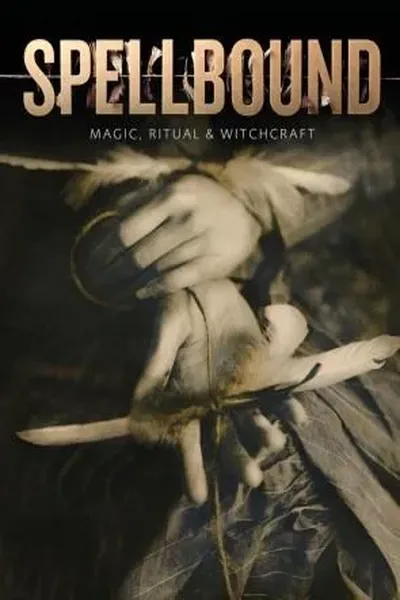
More Free Magic & Ritual Books
View all →