Shapeshifting
 80
80

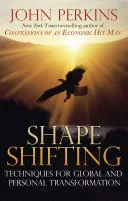
Shapeshifting
Perkins’ "Shapeshifting" moves beyond the sensationalism of his economic hit man revelations to explore a more introspective, shamanic path. The strength lies in its earnest depiction of a profound ethical awakening, particularly how ancient practices are presented as a counterpoint to destructive modern systems. However, the narrative occasionally feels less like a cohesive exploration of shapeshifting and more like a collection of related thoughts, sometimes lacking the sharp analytical edge found in his earlier expose. The section detailing his interactions with indigenous shamans, while compelling, could benefit from deeper ethnographic grounding rather than being solely filtered through his personal transformative lens. The work's primary value is in Perkins' candid account of his own internal and external "shapeshifting" – a journey from complicity to conscience.
📝 Description
80
John Perkins published "Shapeshifting" in 1997, detailing his career change from economic hit man to advocate.
John Perkins' "Shapeshifting" is a collection of essays. It chronicles his personal transformation from a facilitator of global corporate interests to a champion for indigenous rights and environmental protection. The book draws upon shamanic traditions, suggesting how ancient knowledge can address modern ethical challenges and foster spiritual growth. It is not a how-to guide, but rather a personal account of a significant shift in worldview.
This work appeals to readers interested in the convergence of personal change, international economics, and indigenous cultures. It is for those confronting ethical dilemmas in their professional lives, individuals seeking to grasp globalization's effects, and anyone curious about shamanic practices and their relevance today. The book will particularly connect with people who feel their actions do not align with their values.
First released in 1997, "Shapeshifting" arrived during a time of growing awareness about the adverse effects of global capitalism and the exploitation of natural resources. Perkins' subsequent book, "Confessions of an Economic Hit Man," which detailed his career, gained wide attention in the early 2000s, introducing the themes of "Shapeshifting" to a larger audience. This earlier book establishes the critiques of corporate power and the advocacy for indigenous peoples that became his signature.
The book situates itself within traditions that see personal transformation as linked to global consciousness. Perkins uses "shapeshifting" as a metaphor for radical change, connecting it to shamanic practices and the wisdom of indigenous cultures. It suggests that ancient spiritual approaches offer insights into contemporary ethical and environmental crises. This perspective aligns with esoteric thought that values non-Western, nature-based spiritual systems as valid frameworks for understanding and healing.
💡 Why Read This Book?
• Gain insight into the ethical implications of global economic practices, as Perkins details his experiences as an economic hit man and the crisis of conscience that followed his involvement in projects impacting indigenous communities. • Understand the potential of shamanic techniques not as mere ritual, but as a framework for ecological awareness and personal transformation, drawing from his exploration of indigenous wisdom. • Discover how a radical shift in perspective can lead to advocacy for vulnerable peoples and environments, as Perkins articulates his commitment to fostering global awareness of cultural and ecological sanctity.
⭐ Reader Reviews
Honest opinions from readers who have explored this book.
❓ Frequently Asked Questions
What is the central theme of John Perkins' "Shapeshifting"?
The central theme is personal transformation and ethical awakening, framed through the metaphor of "shapeshifting." Perkins recounts his journey from a career as an economic hit man to becoming an advocate for indigenous rights and environmental preservation, drawing on shamanic wisdom.
How does "Shapeshifting" relate to "Confessions of an Economic Hit Man"?
"Shapeshifting" predates the wider public awareness generated by "Confessions of an Economic Hit Man" (published later). It explores the philosophical and spiritual underpinnings of Perkins' ethical crisis and his turn towards advocacy, offering a more introspective look at his transformation.
What kind of shamanic practices are discussed in the book?
The book touches upon shamanic techniques as tools for healing, gaining ecological awareness, and fostering a deeper connection with nature and indigenous cultures. Perkins interprets these practices as offering profound insights relevant to modern global challenges.
Who is the intended audience for "Shapeshifting"?
The book is for readers interested in ethical dilemmas in global business, the impact of economic policies on indigenous peoples, personal transformation, and the application of spiritual or shamanic wisdom to contemporary issues.
Does John Perkins offer practical advice on shapeshifting?
No, "Shapeshifting" is not a practical guide. It is a personal narrative and philosophical reflection on the process of radical change, informed by Perkins' life experiences and his engagement with indigenous traditions, rather than a step-by-step manual.
When was John Perkins' "Shapeshifting" first published?
John Perkins' "Shapeshifting" was first published on September 1, 1997.
🔮 Key Themes & Symbolism
Economic Hit Man's Awakening
The core of "Shapeshifting" lies in Perkins' personal narrative of confronting the ethical implications of his career as an economic hit man. He details the internal conflict and eventual crisis of conscience that stemmed from witnessing the destructive impact of global economic policies on indigenous peoples and their environments. This theme explores the personal cost of complicity and the arduous path toward redemption and advocacy.
Shamanism as a Healing Force
Perkins posits shamanic traditions not merely as cultural artifacts but as vital systems of knowledge and healing applicable to contemporary global crises. He interprets the practices he encountered among indigenous peoples as offering profound ecological awareness and a means to reconnect with the natural world, countering the destructive tendencies of modern materialism and exploitation.
Sanctity of Indigenous Cultures
A significant focus is placed on the inherent value and sanctity of indigenous cultures and their ancestral lands. Perkins argues that these societies, often marginalized and exploited by global economic forces, hold crucial wisdom for sustainable living and maintaining planetary health. The book serves as a call to recognize and protect their rights and traditions.
Personal Transformation and Metaphor
The concept of "shapeshifting" itself is explored as a metaphor for deep, fundamental change. It signifies the radical internal and external metamorphosis Perkins underwent, moving from a life of corporate service to one of spiritual and ethical commitment. This theme underscores the potential for profound personal evolution in response to moral imperatives.
💬 Memorable Quotes
Direct passages from the work, attributed to the author.
“Shamanism is a way of life that recognizes the interconnectedness of all things.”
— This highlights Perkins' view of shamanic traditions as holistic systems that offer a vital counterpoint to modern, fragmented perspectives. It emphasizes the spiritual and ecological unity he found in indigenous worldviews.
“The sanctity of the earth and its peoples is the ultimate truth.”
— This statement reflects Perkins' core ethical realization. It elevates the protection of natural resources and indigenous populations to the highest moral principle, guiding his post-hit man career.
“True wealth lies not in possessions, but in connection.”
— This concept contrasts materialistic values with spiritual and relational ones. It suggests that genuine prosperity is found in community, nature, and inner peace, rather than material accumulation.
💡 Key Ideas
Editorial paraphrase of the work's core concepts — not direct quotes.
The greatest lesson I learned was that the most powerful force in the universe is the power of transformation.
This quote expresses the book's central thesis: that profound personal change is not only possible but is the ultimate force for good, capable of countering destructive systems and fostering a more ethical world.
My conscience finally demanded that I shift my focus from building empires to protecting them.
This paraphrased concept speaks to Perkins' moral awakening. It signifies his transition from facilitating economic expansion to actively defending the cultures and environments threatened by such expansion.
🌙 Esoteric Significance
Tradition
While not strictly adhering to a single established Western esoteric lineage like Hermeticism or Kabbalah, "Shapeshifting" draws heavily from animistic and shamanic traditions found globally. Perkins integrates these ancient practices into a modern context, framing them as a necessary counter-balance to the materialistic and reductionist worldview often associated with Western science and economics. It represents an attempt to bridge the gap between pragmatic, often exploitative, global systems and the holistic, spiritual perspectives of indigenous peoples.
Symbolism
The primary symbol is "shapeshifting" itself, representing profound personal and societal transformation. It signifies the ability to move beyond rigid identities and old patterns, aligning with a more fluid, adaptable, and ethical way of being. Another key motif is the "sacredness of nature," which symbolizes the inherent value of the Earth and its inhabitants, standing in opposition to commodification and exploitation. The "economic hit man" functions as a symbol of complicity within destructive systems.
Modern Relevance
Perkins' work continues to inform contemporary discussions on ethical leadership, corporate social responsibility, and environmental justice. Thinkers and activists in movements advocating for indigenous rights, degrowth economics, and ecological spirituality often cite his experiences and insights. His emphasis on the interconnectedness of human well-being and planetary health remains highly relevant in an era of escalating climate change and social inequality.
👥 Who Should Read This Book
['• Individuals grappling with ethical compromises in their careers, seeking inspiration for personal transformation and a reorientation towards more meaningful work.', '• Students and researchers of comparative religion, anthropology, and global politics, interested in the intersection of economics, indigenous cultures, and spiritual practices.', '• Environmental activists and advocates for social justice, looking for personal narratives that illuminate the destructive impacts of unchecked capitalism and champion the wisdom of traditional ecological knowledge.']
📜 Historical Context
Published in 1997, "Shapeshifting" emerged during a period where critiques of globalization were gaining momentum, though not yet mainstream. The late 20th century saw increased academic and activist attention on the impact of multinational corporations and international financial institutions on developing nations and indigenous communities. Perkins' work tapped into this growing unease. While his earlier, more explosive "Confessions of an Economic Hit Man" would later achieve bestseller status in the early 2000s, "Shapeshifting" laid the personal and philosophical groundwork. It predated the widespread critical discourse on neo-colonialism in economic policy but resonated with scholars and activists already examining these issues. Unlike more academic treatises on the subject, Perkins offered a deeply personal account of moral reckoning, drawing from experiences that few outsiders could claim. His later success meant this earlier work was re-evaluated as a precursor to his more public critiques.
📔 Journal Prompts
The economic hit man's crisis of conscience: what ethical shifts are most urgent today?
Shamanic interconnectedness: how does recognizing ecological unity change daily choices?
Indigenous wisdom's role in planetary health: what ancient principles are overlooked now?
The personal cost of complicity: reflect on a time when awareness demanded a change in action.
Shapeshifting as a metaphor: identify one deeply ingrained pattern you wish to transform.
🗂️ Glossary
Economic Hit Man (EHM)
A high-paid professional who uses fraudulent financial reports, rigged elections, payoffs, threats, and sex to coax weak countries into dealings with the World Bank and the U.S. Agency for International Development (USAID).
Shapeshifting
In this context, a metaphor for profound personal transformation, ethical awakening, and a radical shift in one's perspective and life purpose, often inspired by spiritual or indigenous wisdom.
Sanctity of Indigenous Peoples
The inherent value and inviolability of indigenous cultures, their traditions, their connection to ancestral lands, and their right to self-determination, often threatened by external economic and political forces.
Shamanism
A range of indigenous spiritual and healing practices focused on maintaining balance with nature, connecting with the spirit world, and understanding the interconnectedness of all life.
Conscience
The inner feeling or voice viewed as acting as a guide to the morality of one's behavior; in Perkins' case, a catalyst for profound ethical reevaluation.
Global Consciousness
An awareness of the interconnectedness of global issues, including economic disparities, environmental degradation, and cultural exploitation, and a sense of shared responsibility for addressing them.
Ecological Awareness
An understanding of the intricate relationships within ecosystems and the impact of human actions on the environment, often fostered through indigenous perspectives.