Selected prophecies of Nostradamus

 79
79

Selected prophecies of Nostradamus
The enduring appeal of Nostradamus's quatrains lies in their Rorschach-like quality, reflecting the interpreter's own worldview back at them. This 2004 compilation offers a straightforward presentation of the prophecies, which is its primary strength. However, it lacks the critical apparatus found in more scholarly editions, such as detailed historical annotations or scholarly debates on specific quatrains. The challenge, as always with Nostradamus, lies in separating genuine historical resonance from post-hoc interpretation. A passage concerning "the great king of terror" often cited in relation to modern conflicts exemplifies this interpretive ambiguity; the text itself offers no definitive anchor, demanding considerable reader engagement. The work is valuable as a source text, but requires significant external context for meaningful analysis.
📝 Description
79
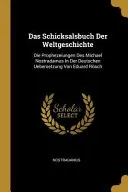
Published in 2004, this edition compiles the 16th-century quatrains of Michel de Nostredame.
This collection presents the four-line verses, or quatrains, of Michel de Nostredame, a 16th-century French apothecary and seer. Originally penned in a deliberately obscure style, these prophecies have long invited interpretation regarding historical events and potential futures. This edition, published in 2004, organizes the prophecies for greater accessibility, presenting them not as literal predictions but as a complex symbolic language.
Nostradamus composed his work during a period of significant upheaval in 16th-century Europe. His famous *Les Prophéties*, first published in 1555, drew on astrological calculations and classical references. The verses themselves frequently employ anagrams, invented words, and mixed languages to obscure their meaning. Key elements within the prophecies include astrological portents, allusions to biblical events, and veiled references to rulers and conflicts. The work is often viewed as a reflection of Renaissance anxieties and a unique form of esoteric commentary on the social and political conditions of his era.
Nostradamus's prophecies are a significant text within Western esotericism, particularly in the tradition of divination. His method involved weaving astrological observations with classical and biblical allusions, all couched in a deliberately ambiguous poetic form. This approach positioned his work as a unique blend of predictive art and symbolic commentary, characteristic of Renaissance hermeticism and occult thought. The enduring interest in his quatrains stems from their perceived ability to connect with historical events through symbolic interpretation, a hallmark of esoteric traditions that seek meaning beyond literal understanding.
💡 Why Read This Book?
• Gain direct access to the enigmatic quatrains of Nostradamus, first compiled in 1555, allowing for personal analysis of their historical and symbolic layers, distinct from secondary interpretations. • Understand the methods of prophetic composition during the Renaissance by examining Nostradamus's use of anagrams and mixed languages, a technique not commonly found in contemporary esoteric writings. • Engage with the historical reception of the prophecies by considering how specific verses, such as those interpreted in relation to events like the French Revolution, have been applied across centuries.
⭐ Reader Reviews
Honest opinions from readers who have explored this book.
❓ Frequently Asked Questions
When were the original prophecies of Nostradamus first published?
The original collection of Nostradamus's prophecies, *Les Prophéties*, was first published in Lyon, France, in 1555. This 2004 edition provides modern access to those foundational verses.
What language did Nostradamus use in his prophecies?
Nostradamus wrote his prophecies primarily in a unique form of French, often incorporating Latin, Greek, Occitan, and neologisms. This linguistic complexity was intentional, contributing to their enigmatic nature.
Are Nostradamus's prophecies considered literal predictions?
Scholarly and esoteric interpretations vary widely. Many view the quatrains as allegorical, symbolic, or reflections of Renaissance anxieties rather than literal forecasts. Their enduring power lies in their ambiguity.
What is a quatrain in the context of Nostradamus's work?
A quatrain is a four-line stanza. Nostradamus organized his prophecies into hundreds of these quatrains, often grouped into 'centuries' (collections of 100 quatrains).
Who was Michel de Nostredame?
Michel de Nostredame, known as Nostradamus, was a French apothecary, physician, and astrologer who lived from 1503 to 1566. He gained fame for his book of prophecies.
Does this book provide interpretations of the prophecies?
This edition primarily presents the text of the prophecies themselves. While some editions offer extensive commentary, this volume focuses on providing the original verses for individual study and interpretation.
🔮 Key Themes & Symbolism
The Art of Ambiguity
The prophecies are renowned for their deliberate obscurity, a hallmark of Renaissance esoteric writing. Nostradamus employed anagrams, mixed languages, and veiled historical allusions, making direct interpretation challenging. This approach invites readers to engage with the text not as a linear prediction but as a symbolic landscape, reflecting the esoteric principle that deeper truths are often revealed through layers of meaning rather than explicit statements. The 2004 edition allows for direct confrontation with this linguistic artistry.
Historical Echoes and Cycles
A central theme is the perceived cyclical nature of history, where events and figures from the past appear to repeat. Nostradamus draws heavily on classical mythology, biblical narratives, and contemporary political events, combining them into his quatrains. This implies a cosmic order or pattern governing human affairs, a concept familiar in many esoteric traditions. The work explores how historical parallels might be discerned, encouraging a view of time that transcends simple linearity.
The Seer's Role in Society
Nostradamus himself occupied a unique position as a physician and astrologer serving royalty and nobility. His prophecies can be seen as a form of esoteric counsel, offering insights into potential future developments, albeit cryptically. This collection prompts consideration of the seer's function within society – as a commentator, a warning voice, or perhaps even a manipulator of perception. The enduring fascination with his work highlights a persistent human desire for guidance amidst uncertainty.
Symbolic Language of Divination
The quatrains are rich with symbolic imagery drawn from astrology, alchemy, and religious iconography. Understanding these symbols is key to unlocking potential meanings. For example, celestial events, animal totems, and archetypal figures are frequently referenced. This edition, by presenting the raw text, encourages a deep dive into the symbolic lexicon, aligning with the hermetic principle of correspondences – that the microcosm reflects the macrocosm.
💬 Memorable Quotes
Direct passages from the work, attributed to the author.
“The great star will burn for seven days.”
— This quatrain often interpreted as a celestial omen or a catastrophic event. Within esoteric frameworks, such cosmic phenomena can symbolize periods of intense spiritual transformation or upheaval, marking significant shifts in consciousness or worldly affairs.
“The great empire will be besieged by the newcomers.”
— This verse speaks to themes of invasion and the fall of established powers. Esoterically, 'newcomers' might represent disruptive spiritual forces or a rethinking challenging entrenched belief systems, rather than mere military conquest.
“From the common people, a prince will be born.”
— This reflects a recurring theme in prophecies about societal change and the rise of unexpected leaders. It suggests a disruption of established hierarchies, where true authority or spiritual power emerges from unexpected, humble origins.
“The tongue will be turned into the tongue of the North.”
— This cryptic phrase is often debated. It could allude to linguistic shifts, the influence of northern cultures, or perhaps a metaphorical 'turning' towards a colder, more rational, or even hostile perspective.
“Near the city, two rivers will flow as one.”
— This imagery suggests a confluence or merging. In esoteric terms, it might symbolize the union of opposing forces, the integration of conscious and unconscious aspects of the self, or the coming together of spiritual paths.
🌙 Esoteric Significance
Tradition
Nostradamus's work sits at the nexus of Renaissance Hermeticism and folk divination. While not strictly aligned with formalized Kabbalah or Gnosticism, his prophecies draw upon a worldview where celestial influences (astrology) and hidden correspondences govern earthly events, a core tenet of Hermetic thought. The use of cryptic verse and symbolic language aligns with esoteric traditions that believe knowledge is revealed allegorically, requiring initiation or deep study to decipher.
Symbolism
Key symbols include celestial bodies (stars, comets) representing cosmic influences or significant events, and animal imagery (e.g., the lion, the eagle) often signifying nations, rulers, or primal forces. The recurring motif of water (rivers, seas) frequently denotes societal flux, emotional currents, or boundaries being crossed. These symbols function within an astrological and alchemical framework, where celestial patterns and elemental forces are seen as mirroring terrestrial occurrences.
Modern Relevance
Contemporary esoteric practitioners and historians of occultism continue to engage with Nostradamus's prophecies. Modern interpretations often link his quatrains to specific historical events, from the French Revolution to world wars and even contemporary political figures. His work remains a touchstone for discussions on fate, free will, and the interpretation of symbolic language in predicting or understanding societal trends, influencing modern divination practices and historical analyses of prophetic literature.
👥 Who Should Read This Book
• Students of Renaissance esotericism seeking primary source material on divination and prophetic literature from the 16th century. • Comparative religion scholars interested in historical divination practices and the role of prophecy in shaping cultural narratives. • Enthusiasts of Western occult traditions looking to analyze the symbolic language and potential historical interpretations of influential prophetic texts.
📜 Historical Context
Michel de Nostredame (Nostradamus) composed his prophecies during the tumultuous 16th century, a period rife with religious schism following the Protestant Reformation and burgeoning intellectual curiosity characteristic of the Renaissance. His work, *Les Prophéties*, first published in 1555, emerged within a broader European interest in astrology, divination, and Hermetic philosophy. Contemporaries like Paracelsus were also exploring mystical and alchemical ideas, though often through more direct philosophical treatises. Unlike the more systematic Kabbalistic interpretations gaining traction, Nostradamus's method was poetic and intentionally obscure. His prophecies were met with a mix of awe and skepticism; Catherine de' Medici famously consulted him, while later critics questioned the veracity and interpretation of his verses. The work’s endurance highlights a persistent fascination with foretelling the future, often intersecting with anxieties about political instability and religious upheaval.
📔 Journal Prompts
The linguistic ambiguity in the quatrains concerning the 'great star'.
The recurring theme of societal upheaval and 'newcomers' in the prophecies.
Nostradamus's use of animal symbolism, such as the lion or eagle.
The concept of historical cycles as presented in the verses.
Potential interpretations of the phrase 'the tongue will be turned'.
🗂️ Glossary
Quatrain
A four-line stanza, the primary structural unit of Nostradamus's prophecies. Each quatrain typically presents a cryptic verse or prediction.
Les Prophéties
The original French title of Nostradamus's collection of prophecies, first published in 1555. It contains hundreds of quatrains organized into 'centuries'.
Century (in Nostradamus)
A collection of 100 quatrains within Nostradamus's work. The prophecies are divided into multiple centuries.
Anagram
A word or phrase formed by rearranging the letters of another. Nostradamus frequently used anagrams and invented words to obscure meaning.
Esotericism
A broad category of mystical or occult traditions characterized by knowledge accessible only to a select group initiated into its deeper meanings.
Hermeticism
A philosophical and religious tradition based on writings attributed to Hermes Trismegistus, emphasizing divine wisdom, cosmic correspondences, and the pursuit of spiritual enlightenment.
Divination
The practice of seeking knowledge of the future or the unknown by supernatural means. Astrology and prophecy are forms of divination.
🔮 Readers Also Liked
Browse all →







More by Nostradamus
All books →




More Free Occult Philosophy Books
View all →