Thai yoga massage
 79
79

Thai yoga massage
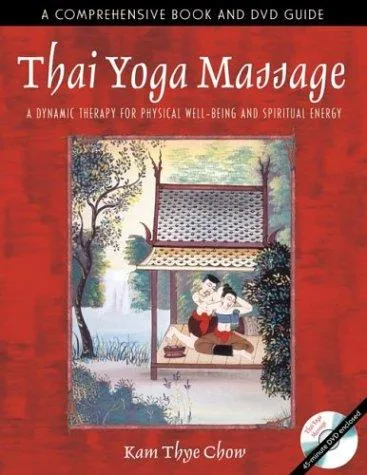
Kam Thye Chow's "Thai Yoga Massage" presents a clear, if somewhat conventional, introduction to the discipline. The author's firsthand experience is evident in the methodical breakdown of sequences and the emphasis on proper body mechanics for the practitioner. A notable strength lies in the detailed illustrations accompanying the text, which effectively clarify the often-complex postures. However, the book occasionally feels more like a technical manual than a spiritual exploration. For instance, the section on "The Four Principles of Touch" is descriptive but lacks the depth needed to fully convey the meditative aspect of the practice. While it provides a solid foundation, readers seeking the subtler energetic and philosophical dimensions might need to supplement this text. It serves as a competent, practical primer for hands-on learning.
📝 Description
79
Kam Thye Chow's 2002 book details Thai yoga massage, a practice blending ancient healing with yogic philosophy.
Kam Thye Chow's book offers a thorough look at Thai yoga massage, a therapeutic practice with roots in old healing traditions. It works as a practical manual for those wanting to learn the techniques and as a detailed reference for understanding the philosophy behind this bodywork. The text lays out specific methods, positions, and the core ideas that shape this complete approach to physical and energetic health.
This work is aimed at bodyworkers, yoga teachers, physical therapists, and anyone wishing to improve their knowledge of somatic therapies. It appeals to those who value combining physical adjustments with present moment awareness and an understanding of energy flow. People interested in comparing anatomical structures or the history of healing practices will also find its specific methods useful.
The practice described connects with traditional Thai medicine, Ayurvedic ideas, and yogic thought, with origins stretching back centuries. While its exact beginnings are debated, it became widely known internationally in the late 20th century. Chow's book appeared in 2002, a time when interest in Eastern healing methods was growing in the West, providing a structured way to approach an art traditionally passed down orally.
Thai yoga massage, as presented by Chow, draws from a lineage that intertwines traditional Thai medicine, Ayurvedic principles, and yogic philosophy. This practice is situated within a broader spectrum of somatic healing arts that emphasize the body's energetic systems. Its focus on Sen lines, or energy pathways, and the manipulation of these through touch and movement aligns with many esoteric traditions that view the body as a map of vital force. The integration of breath and mindful intention further connects it to contemplative practices common in spiritual development.
💡 Why Read This Book?
• Learn specific therapeutic sequences and acupressure points for alleviating physical tension, directly applicable from the detailed posture breakdowns. • Understand the foundational principles of Sen lines and energy flow as explained by Kam Thye Chow, offering a unique perspective on energetic anatomy. • Gain practical knowledge of practitioner body mechanics and ethical touch from the detailed instructions, enhancing safety and efficacy in application.
⭐ Reader Reviews
Honest opinions from readers who have explored this book.
❓ Frequently Asked Questions
What is the core philosophy behind Thai Yoga Massage as presented in Kam Thye Chow's book?
The core philosophy integrates Ayurvedic and Yogic principles, focusing on balancing the body's energy through acupressure, yoga-like stretching, and mindful breathing. It views the body as interconnected pathways of energy, known as Sen lines.
When was "Thai Yoga Massage" by Kam Thye Chow first published?
The book "Thai Yoga Massage" by Kam Thye Chow was first published in 2002.
What are Sen lines in the context of Thai Yoga Massage?
Sen lines are considered the main energy pathways within the body, analogous to meridians in Traditional Chinese Medicine or nadis in Yoga. Stimulating these lines is central to the therapeutic effects of Thai Yoga Massage.
Does the book explain how to perform the massage or just the theory?
The book provides a comprehensive guide to performing the massage, detailing specific techniques, sequences, and postures. It includes practical instruction alongside the theoretical underpinnings.
Who is Kam Thye Chow?
Kam Thye Chow is a recognized practitioner and instructor of Thai Yoga Massage, known for his contributions to teaching and disseminating the practice internationally.
Are there any specific contraindications mentioned for Thai Yoga Massage?
While the book focuses on application, any comprehensive study of therapeutic bodywork should address contraindications. It's advisable for practitioners to be aware of conditions like acute inflammation, recent surgery, or specific medical issues before applying massage.
🔮 Key Themes & Symbolism
Energetic Pathways (Sen Lines)
The book elaborates on the concept of Sen lines, which are central to understanding Thai healing arts. These are conceptualized as invisible channels through which vital energy flows. Chow explains how applying pressure and stretching along these lines can release blockages, promoting physical and energetic harmony. This perspective aligns with broader esoteric notions of subtle body anatomy found in various yogic and Ayurvedic traditions.
Mindful Touch and Presence
Beyond mere physical manipulation, "Thai Yoga Massage" stresses the importance of the practitioner's state of mind. Concepts like Metta (loving-kindness) and focused intention are presented as integral to the therapeutic process. This emphasis on the practitioner's inner state transforms the act of massage from a mechanical procedure into a mindful, energetic exchange, echoing practices in contemplative traditions.
Holistic Integration of Body and Breath
The work highlights the symbiotic relationship between breath and movement in Thai Yoga Massage. It details how synchronized breathing between giver and receiver enhances the efficacy of stretches and acupressure. This approach views the body not as a collection of parts but as an integrated system where physical form, breath, and consciousness are in constant dialogue.
Yogic and Ayurvedic Influences
Chow's text implicitly and explicitly draws from the rich philosophical reservoirs of Yoga and Ayurveda. The postures resemble yogasanas, and the focus on energy channels and vital force (prana) is a direct inheritance from these Indian traditions. Understanding these influences provides a deeper appreciation for the practice's ancient roots and its place within the broader spectrum of South Asian esoteric thought.
💬 Memorable Quotes
Direct passages from the work, attributed to the author.
“The practitioner must embody a state of loving-kindness, Metta, throughout the session.”
— This highlights the spiritual dimension of Thai Yoga Massage, suggesting that therapeutic efficacy is enhanced by the giver's compassionate intention and mental state.
“Sen lines are the pathways of vital energy.”
— This concise statement defines a core concept, framing the physical manipulations as energetic interventions aimed at restoring balance.
“Rhythmic rocking and deep breathing are foundational to releasing tension.”
— This points to the kinetic and respiratory elements as key tools for facilitating release, emphasizing a gentle yet effective approach.
“The body is treated as a whole, not separate parts.”
— This emphasizes the holistic philosophy underpinning the practice, moving beyond symptomatic treatment to address systemic well-being.
“Effective leverage comes from the practitioner's core, not just arm strength.”
— This practical advice underscores the importance of proper body mechanics and energy transfer for the giver, ensuring sustainable and potent application of techniques.
🌙 Esoteric Significance
Tradition
This work interfaces with the esoteric traditions of Yoga and Ayurveda, particularly their understanding of subtle anatomy and energetic flow (prana/chi). While not strictly Hermetic or Kabbalistic, it shares the common esoteric goal of harmonizing the physical body with energetic and spiritual principles. It represents a practical application of concepts concerning vital force and its pathways, common across many ancient healing systems.
Symbolism
The Sen lines are a primary symbolic concept, representing the invisible energetic infrastructure of the body, akin to nadis or meridians. The rhythmic, flowing movements themselves symbolize the natural, unimpeded flow of life force, while the practitioner's intention and presence embody the compassionate awareness central to many spiritual paths.
Modern Relevance
Contemporary somatic therapists, yoga teachers, and holistic health practitioners continue to draw upon the techniques and principles outlined in "Thai Yoga Massage." Its emphasis on mindful touch, energetic balance, and the integration of breath and movement appeals to current trends in body-mind medicine and trauma-informed care.
👥 Who Should Read This Book
• Yoga instructors seeking to deepen their understanding of the body's energetic lines and offer complementary therapeutic techniques. • Bodywork students and practitioners interested in expanding their repertoire with a practice that integrates stretching, acupressure, and mindful touch. • Individuals curious about ancient healing arts and seeking a practical guide to a holistic approach to physical well-being.
📜 Historical Context
Kam Thye Chow's "Thai Yoga Massage" was published in 2002, a time when Western interest in Eastern healing modalities was flourishing. The late 20th and early 21st centuries saw a significant rise in the popularity of yoga, Ayurveda, and other somatic practices, making this book's appearance opportune. While traditional Thai massage (Nuad Boran) had been practiced for centuries, its codification and international dissemination as 'Thai Yoga Massage' gained momentum in the latter half of the 20th century, with pioneers like Asokananda (Harald Brust) also contributing significantly to its global spread. Chow’s work entered a landscape where practitioners were seeking structured training in these often-oral traditions. The book offered a clear, Western-accessible framework, bridging the gap between traditional practice and contemporary therapeutic contexts, distinct from the more medically focused approaches prevalent in Western physical therapy.
📔 Journal Prompts
The concept of Sen lines and their energetic function.
Practitioner's intention and the role of Metta.
Integration of breath with rhythmic rocking.
Application of leverage for effective therapeutic touch.
The body as an interconnected energetic system.
🗂️ Glossary
Sen Lines
Conceptualized energy pathways within the body, central to Thai healing traditions, along which therapeutic pressure and stretching are applied.
Metta
A Buddhist term for loving-kindness or benevolence, considered an essential quality for the practitioner to cultivate during a massage session.
Acupressure
The practice of applying firm pressure to specific points on the body to stimulate energy flow and alleviate pain or tension.
Rhythmic Rocking
A fundamental technique in Thai Yoga Massage involving gentle, swaying movements that help to relax the recipient and facilitate deeper stretching.
Prana
The Sanskrit term for vital life force or energy, believed to flow through the body's energetic channels (nadi/Sen lines).
Asanas
Yoga postures, many of which are adapted and incorporated into Thai Yoga Massage sequences for therapeutic stretching.
Nuad Boran
The traditional Thai name for Thai Massage, literally meaning 'ancient touch'.
🔮 Readers Also Liked
Browse all →









More by Kam Thye Chow, Kam T. Chow
All books →
More Free Occult Philosophy Books
View all →