Sanctuary of the soul

 74
74

Sanctuary of the soul
Foster’s *Sanctuary of the Soul* offers a robust framework for intentional spiritual living, building upon the foundations laid in his earlier works. The strength of this book lies in its practical, step-by-step guidance on cultivating an inner life, particularly its detailed exploration of creating and maintaining a 'sacred space' for communion. However, a limitation for some readers might be the book's consistent focus on a Christian esoteric framework; while broadly applicable, its specific theological underpinnings may not fully satisfy those from different traditions seeking purely universal principles. A particularly resonant passage details the discipline of solitude, not as an escape, but as a confrontation with the self that paradoxically leads to deeper connection. It’s a demanding, yet rewarding, manual for the serious seeker.
📝 Description
74
Published in 2011, Sanctuary of the Soul details disciplines for cultivating the inner spiritual life.
Richard J. Foster's 2011 book, Sanctuary of the Soul, details a disciplined approach to spiritual formation. It focuses on the intentional cultivation of the inner life, moving beyond superficial religious observance. Foster outlines specific practices for developing a deeper connection with the divine through prayer and contemplation. The book aims to help readers create an internal space of peace and awareness, even amidst external distractions. Foster argues that genuine spiritual growth is an active process requiring consistent effort and engagement with sacred disciplines.
This text is for individuals seeking to deepen their spiritual practice, particularly those interested in contemplative prayer, asceticism, and interiority. It offers structured exercises for those pursuing inner transformation. Clergy and spiritual directors may also find it useful for guiding others. The book demands a commitment to consistent introspection and practice from its readers.
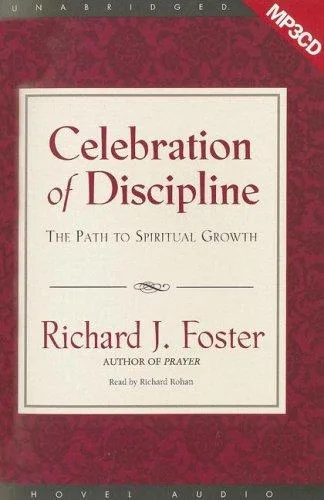
Sanctuary of the Soul emerged in the early 21st century, a time when contemplative spirituality saw renewed interest within Christianity. This followed periods where such practices were often set aside or confined to monastic settings. Foster's earlier work, *Celebration of Discipline* (1978), had already helped popularize spiritual disciplines among lay Christians. This later book refines those themes, connecting them to ancient Christian mystical traditions and mirroring similar interests in inner spiritual disciplines across various faiths.
💡 Why Read This Book?
• You will learn to establish a personal 'sacred space' for spiritual practice, moving beyond abstract concepts to concrete methods for creating an environment conducive to divine encounter, as detailed in the early chapters. • You will gain practical techniques for engaging in 'sacred disciplines' like solitude and prayer, understanding them as active participation rather than passive observance, drawing from the specific exercises presented throughout the book. • You will discover how to cultivate an 'inner citadel' of peace and resilience, equipping yourself to maintain spiritual equilibrium amidst external pressures, a concept elaborated upon in Foster’s discussion of spiritual fortification.
⭐ Reader Reviews
Honest opinions from readers who have explored this book.
❓ Frequently Asked Questions
What is the primary focus of Richard J. Foster's *Sanctuary of the Soul*?
The book focuses on cultivating the inner spiritual life through intentional practices and disciplines. It guides readers in developing a personal sanctuary for communion with the divine, emphasizing the importance of solitude and structured prayer.
When was *Sanctuary of the Soul* first published?
Richard J. Foster's *Sanctuary of the Soul* was first published in 2011.
Is *Sanctuary of the Soul* suitable for beginners in spiritual practice?
Yes, the book is suitable for beginners who are serious about developing a deeper spiritual life. It provides clear, actionable steps and explanations for practices that might seem daunting.
Does the book require adherence to a specific religious tradition?
While rooted in a Christian contemplative tradition, the book's core principles of inner discipline and seeking a divine connection are often found resonant across various spiritual paths.
What is the concept of the 'inner citadel' as presented in the book?
The 'inner citadel' refers to a fortified interior space of spiritual strength, peace, and divine presence that one cultivates. It's a place of refuge and power accessible through dedicated practice, as described by Foster.
How does *Sanctuary of the Soul* differ from Foster's *Celebration of Discipline*?
*Celebration of Discipline* introduced a broad range of spiritual disciplines. *Sanctuary of the Soul* delves more deeply into the cultivation of the inner life and the creation of a personal 'sanctuary' for focused spiritual engagement.
🔮 Key Themes & Symbolism
Cultivating Sacred Space
This theme explores the intentional creation of environments, both physical and psychological, conducive to spiritual communion. Foster emphasizes that a 'sacred space' is not merely a location but a state of being, a deliberate withdrawal from the mundane to encounter the divine. It involves practices that clear the mind and open the heart, preparing the soul for deeper connection. This concept is fundamental to the book's premise, suggesting that dedicated, set-aside time and place are crucial for spiritual growth and encountering God's presence.
The Practice of Solitude
Solitude is presented not as an act of escapism but as a crucial discipline for self-discovery and divine encounter. Foster details how withdrawing from external distractions allows one to confront the self, discern inner movements, and hear the subtle voice of the divine. This practice is framed as essential for developing the 'inner citadel,' a core of spiritual strength and peace. The book offers guidance on engaging with solitude constructively, transforming potential loneliness into profound presence and clarity.
Intentional Spiritual Disciplines
The work underscores that spiritual growth is an active, intentional process. Foster outlines various 'sacred disciplines'—such as prayer, meditation, and fasting—not as optional extras but as necessary tools for shaping the soul. These are presented as pathways that, when practiced consistently, help align the individual with divine will and foster spiritual maturity. The emphasis is on purposeful engagement, moving beyond passive reception to active participation in the journey of transformation.
The Inner Citadel
This central metaphor represents the fortified, inviolable core of the spiritual life. The 'inner citadel' is a place of deep peace, divine presence, and unshakeable strength, accessible through the consistent practice of spiritual disciplines. Foster explains that developing this interior fortress enables individuals to withstand external storms and internal turmoil without losing their spiritual equilibrium. It is the fruit of dedicated effort in cultivating one's relationship with God and building a robust inner life.
💬 Memorable Quotes
Direct passages from the work, attributed to the author.
“The inner life is not a passive experience; it is an active pursuit.”
— This statement highlights Foster's emphasis on agency in spiritual development. It challenges the notion that spiritual growth happens merely by chance or divine fiat, asserting instead that it requires deliberate effort, structured practice, and conscious engagement with sacred disciplines.
“Solitude is the fertile ground where the soul can encounter God.”
— This suggests that moments of quiet withdrawal are essential for spiritual formation. It positions solitude not as an absence of others, but as a presence of the divine, a space where the soul can be receptive and deeply connect with its Creator.
“The disciplines are not ends in themselves but means to deeper union.”
— This clarifies the purpose of spiritual practices. Foster positions disciplines like prayer and meditation as tools or pathways designed to facilitate a closer relationship with God, rather than as goals to be achieved for their own sake.
“True peace is found not in the absence of conflict, but within the inner citadel.”
— This interpretation captures the essence of the 'inner citadel' concept. It posits that authentic peace is an internal state, cultivated through spiritual discipline, that remains stable even when external circumstances are chaotic or challenging.
💡 Key Ideas
Editorial paraphrase of the work's core concepts — not direct quotes.
We must consciously build our sanctuary of the soul.
This paraphrase emphasizes the active, constructive nature of spiritual formation. It implies that creating an inner space for divine communion is a deliberate act, requiring intentionality and sustained effort, much like constructing a physical sanctuary.
🌙 Esoteric Significance
Tradition
This work aligns with the Christian contemplative tradition, a lineage that emphasizes direct, experiential knowledge of God through prayer, meditation, and ascetic practices. It draws from figures within this tradition, including mystics and monastic reformers, seeking to integrate their wisdom into contemporary spiritual life. While firmly rooted in Christianity, its emphasis on interiority, discipline, and cultivating an inner life offers principles that resonate with broader esoteric pursuits of self-mastery and divine union, transcending strict denominational boundaries.
Symbolism
A key symbol is the 'inner citadel,' representing a fortified spiritual core of peace and divine presence, built through discipline. The concept of 'sacred space' functions symbolically, denoting not just a physical location but a state of consciousness intentionally set apart for communion. The 'path' or 'discipline' itself acts as a symbol for the active, intentional journey toward spiritual maturity and union with the divine, emphasizing movement and progress.
Modern Relevance
Foster's emphasis on structured spiritual disciplines and cultivating an 'inner citadel' remains highly relevant. Contemporary movements focusing on mindfulness, contemplative prayer (like Centering Prayer, popularized by Thomas Keating), and intentional living often echo these themes. Thinkers and practitioners seeking a robust, disciplined approach to spiritual formation, moving beyond transient emotional experiences, frequently turn to Foster's foundational works for guidance on building a resilient inner life.
👥 Who Should Read This Book
• Individuals seeking to deepen their prayer life beyond rote repetition, looking for structured methods to foster genuine communion with the divine, as outlined in the book's sections on prayer and contemplation. • Those feeling spiritually adrift or overwhelmed by external pressures, who wish to build an 'inner citadel' of peace and resilience through consistent, intentional spiritual disciplines. • Clergy, spiritual directors, or mentors seeking practical resources and frameworks to guide others in their journey of spiritual formation and interior development.
📜 Historical Context
Richard J. Foster's *Sanctuary of the Soul*, published in 2011, arrived during a period of significant re-engagement with contemplative and mystical traditions within Western Christianity. Following the widespread impact of his 1978 book *Celebration of Discipline*, which popularized spiritual disciplines for a lay audience, *Sanctuary of the Soul* offers a more focused exploration of interiority. This era saw a broader resurgence of interest in practices like contemplative prayer and meditation, often seen as a corrective to more superficial or performance-oriented expressions of faith prevalent in preceding decades. Foster's work positioned itself within this movement, drawing from ancient Christian ascetics and mystics while addressing the needs of contemporary individuals seeking deeper spiritual formation. It provided a structured, disciplined approach that stood in contrast to more therapeutic or self-help oriented spiritualities gaining traction, notably influenced by thinkers like Thomas Keating and his promotion of Centering Prayer.
📔 Journal Prompts
Reflect on the intentional creation of your personal 'sacred space' for spiritual practice.
Consider the practice of solitude: what inner dialogues emerge when distractions cease?
Identify one 'sacred discipline' from the book you will commit to practicing this week.
Map the elements of your developing 'inner citadel' and its current defenses.
Explore the concept of intentionality in your daily spiritual pursuits.
🗂️ Glossary
Sacred Space
An intentionally created environment, both physical and mental, set apart for spiritual communion and encounter with the divine. It requires deliberate preparation and focus.
Inner Citadel
A metaphor for the fortified spiritual core of a person, characterized by deep peace, divine presence, and resilience, cultivated through consistent spiritual disciplines.
Spiritual Disciplines
Intentional practices (e.g., prayer, solitude, meditation) undertaken to shape the soul and foster a deeper relationship with God, serving as pathways to spiritual growth.
Intentionality
The conscious, deliberate decision and effort to engage with spiritual practices and cultivate one's inner life, moving beyond passive experience.
Solitude
A state of intentional withdrawal from external distractions to foster self-reflection, encounter the divine, and strengthen the inner life.
Contemplation
A form of prayer or meditation focused on receptive listening and deep communion with God, often involving quiet stillness and focused attention on the divine presence.
Asceticism
The practice of rigorous self-discipline and self-denial, often undertaken for spiritual reasons, to train the spirit and detach from worldly desires.
🔮 Readers Also Liked
Browse all →








More by Richard J. Foster
All books →
More Free Occult Philosophy Books
View all →