Rituals
 81
81

Rituals
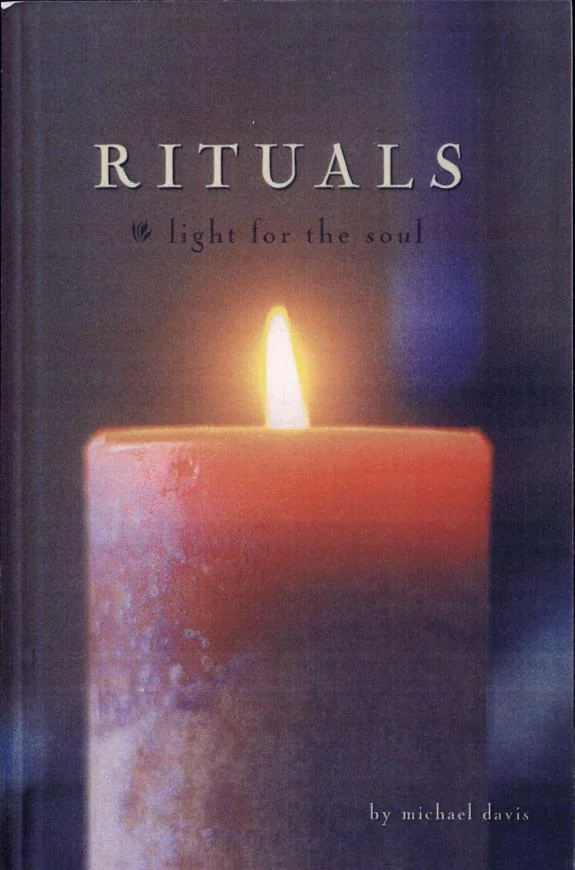
Michael Davis's "Rituals" offers a refreshingly grounded perspective on spiritual practice, moving away from arcane lore towards the accessible magic of everyday life. The presentation, with its lavishly photographed book and accompanying cards, is indeed inviting, making the act of engaging with the material itself a gentle introduction. The strength of the work lies in its democratizing of ritual; it suggests that anyone can find profound meaning in simple acts like preparing a cup of tea, thereby reclaiming agency over one's inner state. However, the very accessibility that makes "Rituals" appealing might also be its limitation for seasoned practitioners seeking deeper engagement with established esoteric traditions. The emphasis on simplicity, while beneficial for beginners, may feel insufficient for those accustomed to more complex symbolic systems or historical frameworks. A passage detailing the ritual of 'Preparing a Sacred Space' by simply lighting a candle and focusing intention is particularly illustrative of this accessible, yet potentially shallow, approach. Ultimately, "Rituals" serves as a gentle gateway, effectively introducing the concept of intentional living to a broad audience.
📝 Description
81
Michael Davis's 2002 book 'Rituals' suggests integrating mindful practices into daily life.
Rituals by Michael Davis, published in 2002, offers a collection of fifty simple, illustrated suggestions for everyday acts that can be performed with intention. These are not elaborate ceremonies but accessible practices designed to foster tranquility, mark occasions, or encourage personal change. The book also includes thirty accompanying cards and three candles to aid in creating a calm environment for these rituals.
This guide is for individuals seeking a more centered life amidst modern demands. It appeals to those who prefer a direct, accessible approach to personal well-being over complex spiritual systems. Readers interested in mindfulness, straightforward self-care, and the psychological benefits of routine will find value. It is also suitable for those wanting tangible ways to acknowledge personal milestones or simply carve out moments of peace.
Published in 2002, 'Rituals' emerged during a time of growing interest in accessible spirituality, differing from dense occult texts. While other popular spiritual figures focused on angelics or channeled entities, Davis's work presented a secular, grounded method. It emphasized the inherent power of simple, deliberate actions rather than complex magical systems, appealing to a wider audience interested in personal development.
💡 Why Read This Book?
• You will learn to imbue everyday actions with personal significance, drawing on the book's fifty illustrated suggestions for transforming mundane tasks into moments of mindfulness. • You will discover practical methods for creating personal sanctuary, utilizing the thirty ritual cards and accompanying candles to foster tranquility and focus. • You will gain an understanding of how simple, deliberate acts, as presented in the 2002 edition, can serve as powerful tools for personal transformation and stress reduction.
⭐ Reader Reviews
Honest opinions from readers who have explored this book.
❓ Frequently Asked Questions
What is the primary focus of Michael Davis's "Rituals"?
The book focuses on integrating simple, everyday actions into personal rituals to foster mindfulness, reduce stress, and encourage personal growth, moving away from complex ceremonial practices.
How many ritual suggestions are included in the book and on the cards?
The book offers fifty suggestions for rituals, complemented by thirty additional suggestions presented on separate cards, providing a wide range of practices.
What is the historical context of "Rituals"' publication?
Published in 2002, the book emerged during a time of growing interest in accessible spirituality and self-help, offering a secularized approach to ritual distinct from more esoteric or complex systems.
Does "Rituals" require specific tools or prior knowledge?
No, the book emphasizes accessibility. While it includes three candles, the core philosophy is that common objects and simple actions can become rituals without extensive prior knowledge.
Who is the intended audience for "Rituals"?
It is designed for individuals seeking simple, practical ways to find calm and meaning in daily life, particularly those feeling overwhelmed by modern demands or complex spiritual systems.
What makes the ritual suggestions in this book unique?
The uniqueness lies in their focus on the mundane: preparing tea, lighting a candle, observing nature. Davis elevates these common acts into meaningful practices for self-centering and transformation.
🔮 Key Themes & Symbolism
The Sacred Mundane
Davis champions the idea that profound spiritual experiences are not confined to elaborate ceremonies but can be found in the most ordinary activities. The work posits that by infusing daily acts—such as preparing a meal, tending to a plant, or simply observing light—with intention and mindfulness, one can transform them into potent rituals. This concept democratizes spiritual practice, making it accessible to anyone, regardless of their background or available time, highlighting the inherent sacredness within everyday existence.
Accessible Self-Care
"Rituals" presents a framework for self-care that is both practical and psychologically enriching. It moves beyond superficial wellness trends to offer concrete methods for cultivating inner peace and resilience. The book's suggestions, including the use of simple elements like candles and specific times of day, are designed to create moments of respite and renewal. This focus on accessible self-care empowers individuals to take an active role in their own well-being, fostering a sense of control and calm.
Personal Transformation Through Intention
The core philosophy suggests that consistent, intentional practice is a catalyst for personal change. By engaging with the fifty ritual suggestions, readers are encouraged to cultivate specific states of mind or achieve personal goals. Whether the aim is to celebrate a milestone, find solace, or inspire creativity, the book frames ritual as a deliberate tool. This approach emphasizes agency, showing how simple, repeated actions can gradually reshape one's perspective and life circumstances over time.
Cultivating Presence
A central theme is the cultivation of present-moment awareness. In a world often characterized by distraction and haste, Davis offers rituals designed to anchor the practitioner in the 'now.' The act of focusing on sensory details—the warmth of a candle flame, the aroma of tea—serves to quiet the mental chatter and foster a state of deep presence. This heightened awareness is presented not just as a goal of ritual but as a pathway to deeper self-understanding and connection.
💬 Memorable Quotes
Direct passages from the work, attributed to the author.
“Simple acts such as lighting a candle or making tea can become calming, renewing rituals.”
— This expresses the book's core thesis: the elevation of everyday actions into meaningful practices. It suggests that intention transforms the mundane into the sacred, offering accessible pathways to peace and renewal for anyone.
“Thirty cards offer suggestions for daily rituals.”
— This highlights the practical, structured component of the work. The cards serve as accessible prompts, ensuring that users have immediate, actionable guidance for incorporating ritualistic elements into their daily lives.
“The lavishly photographed book offers fifty suggestions...”
— This points to the aesthetic and comprehensive nature of the book. The visual presentation aims to inspire and guide, making the fifty suggested rituals more tangible and appealing to the reader.
“...to soothe and center you, to celebrate special occasions, or to inspire personal transformation.”
— This outlines the complex benefits of engaging with the rituals. It shows the work's versatility, catering to needs ranging from immediate stress relief to marking significant life events and fostering long-term personal development.
“The three candles inside will help create a tranquil, intimate space...”
— This detail emphasizes the sensory and environmental aspect of ritual. The inclusion of physical tools like candles underscores the book's commitment to providing a complete, immersive experience for the practitioner.
🌙 Esoteric Significance
Tradition
While not explicitly tied to a single esoteric lineage, "Rituals" draws inspiration from the broader Hermetic principle of "As Above, So Below," suggesting that inner states can be influenced by deliberate external actions. It reflects the practical, imitative magic found in some folk traditions and the emphasis on intent within Western ceremonial magic, but strips away the complex symbolism and Qabalistic frameworks. Its departure lies in its secularization and focus on the mundane, making ritual accessible outside of traditional occult or religious structures.
Symbolism
The primary symbols are intentionally simple and universal. The **candle flame** represents light, consciousness, and transformation—a common motif across many spiritual traditions, used here to focus attention and create a sacred ambiance. **Tea preparation** symbolizes nourishment, patience, and the grounding act of preparing sustenance. The **act of observation** (e.g., of nature, light) symbolizes presence and connection to the wider world, fostering mindfulness and reducing mental clutter.
Modern Relevance
The work's emphasis on mindful, everyday practices resonates strongly with contemporary trends in mindfulness, self-care, and secular spirituality. It prefigures the widespread adoption of practices like meditation apps and intentional living movements. Thinkers and practitioners focused on applied psychology, habit formation, and the therapeutic benefits of ritualistic behavior, such as those exploring the intersection of cognitive science and well-being, often find its principles applicable, even if the terminology is less overtly esoteric.
👥 Who Should Read This Book
["• Individuals new to spiritual or self-development practices: They will benefit from the book's accessible language and simple, actionable steps for creating personal rituals.", '• Busy professionals and students: Those seeking practical, time-efficient methods to reduce stress and cultivate moments of calm in demanding schedules will find value in the everyday suggestions.', '• Skeptics of traditional religion or complex esotericism: Readers who are drawn to the idea of ritual but are hesitant about elaborate ceremonies or specific doctrines will appreciate the secular and grounded approach.']
📜 Historical Context
"Rituals," released in 2002, arrived at a cultural moment when interest in accessible self-help and spirituality was burgeoning, yet distinct from the more esoteric revival of earlier decades. While figures like Starhawk were exploring Goddess traditions and ecofeminism, and academic interest in Western Esotericism was growing with scholars like Wouter Hanegraaff publishing significant works, Davis's book occupied a space of secularized, simplified spiritual practice. It offered an alternative to the more complex ceremonial magic or the religiously specific traditions that often defined occult literature. Its appeal lay in its broad applicability, sidestepping the intricate doctrines of movements like Theosophy or Hermeticism, which required considerable study. The work engaged with a contemporary desire for practical tools to manage stress and find meaning, reflecting a broader societal shift towards personalized wellness and mindfulness, rather than adherence to established doctrines or lineages.
📔 Journal Prompts
The ritual of preparing morning tea: focusing on sensory details.
Transforming a daily chore into a mindful practice.
Identifying three mundane objects that can become personal ritual anchors.
The significance of the candle flame as a focal point for intention.
Creating a personal ritual for celebrating a small, everyday success.
🗂️ Glossary
Ritual
An act or series of actions performed in a prescribed order, often with symbolic meaning. In this context, it refers to simple, intentional practices designed to foster mindfulness, well-being, or personal transformation.
Mindfulness
The practice of maintaining a non-judgmental awareness of one's thoughts, feelings, bodily sensations, and surrounding environment. It is central to many of the rituals suggested in the book.
Intention
A purpose or aim that guides an action. The book stresses that setting a clear intention is crucial for transforming ordinary acts into meaningful rituals.
Sacred Space
A designated area, however small, that is set apart for spiritual or contemplative practice. The book suggests simple ways to create such a space using minimal elements.
Personal Transformation
A significant and often gradual change in an individual's character, behavior, or outlook on life. The book presents rituals as tools to facilitate this process.
Centering
The process of achieving a state of inner calm, balance, and focus. The rituals are designed to help individuals center themselves amidst daily chaos.
Daily Rituals
Routine practices performed regularly, typically once a day, that are imbued with personal meaning and intention, serving purposes such as self-care, reflection, or grounding.
This book appears in 1 collection
🔮 Readers Also Liked
Browse all →








From the “Invocation” Collection
View all →






More Free Occult Philosophy Books
View all →