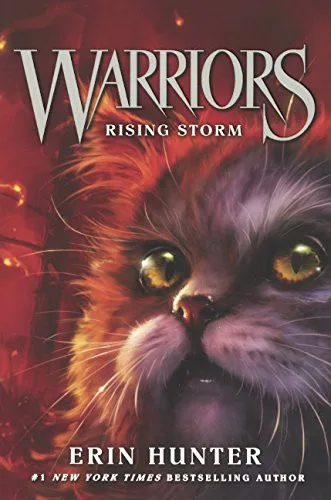
Rising Storm
 84
84

Rising Storm
Erin Hunter’s *Rising Storm* continues a narrative tradition focused on the intricate social structures and survival instincts of animal communities. The book’s strength lies in its consistent character development; the evolution of the protagonist from a hesitant participant to a decisive figure is particularly well-executed. However, the pacing occasionally falters, with certain plot points feeling protracted, especially in the middle sections. A notable moment is the confrontation between loyalists and dissenters, which, while necessary for character growth, could have been condensed. The thematic exploration of inherited duty versus personal will is its most compelling aspect. Ultimately, *Rising Storm* delivers a solid installment for dedicated followers of the series, offering emotional depth and continued plot progression.
📝 Description
84
Erin Hunter's 2016 novel, Rising Storm, examines destiny and leadership within a tradition-bound community.
Rising Storm, published in 2016, follows young characters burdened by immense pressure and the outcomes of their decisions. The narrative focuses on their internal and external conflicts, detailing how these shape both individuals and their community's future. It highlights the growth of courage and resilience as characters confront responsibility and forge their own paths.
The book is ideal for readers who enjoy stories centered on character development, particularly those facing adversity and societal expectations. It will appeal to those interested in the complexities of loyalty, betrayal, and the difficult choices leaders must make. The themes of overcoming challenges and the weight of inherited conflicts are central to its appeal.
While not overtly theological, Rising Storm engages with themes common in various spiritual traditions. The concept of a 'chosen individual' facing monumental tasks and the weight of foretold destinies resonates with motifs found in prophecy-driven belief systems. The book’s exploration of leadership, the cyclical nature of conflict, and the pressure of fulfilling inherited roles touches upon ideas of fate and community destiny that appear across different esoteric thought.
💡 Why Read This Book?
• Gain insight into the dynamics of leadership under pressure, as demonstrated through the character's struggle with the responsibilities thrust upon them following the events of the previous book. • Explore the concept of 'legacy' and how past actions within the community continue to shape present conflicts and alliances, offering a nuanced view of inherited burdens. • Experience the tension of navigating internal dissent and external threats, observing how unity and difficult choices are presented as crucial for survival in the face of crisis.
⭐ Reader Reviews
Honest opinions from readers who have explored this book.
❓ Frequently Asked Questions
What is the primary conflict in Rising Storm?
The primary conflict in Rising Storm involves escalating tensions within the community, stemming from both external threats and internal disagreements over leadership and tradition, forcing characters to confront difficult choices about loyalty and survival.
Who are the main characters in Rising Storm?
The main characters in Rising Storm typically include the protagonist, who is grappling with new responsibilities, and key figures within the community who represent different factions or viewpoints, influencing the protagonist's decisions.
What themes does Rising Storm explore?
Rising Storm explores themes of leadership, destiny, community, responsibility, and the consequences of one's actions, particularly in the context of inherited roles and societal pressures.
When was Rising Storm first published?
Rising Storm was first published in 2016, continuing the narrative established in previous installments of the series.
Is Rising Storm part of a series?
Yes, Rising Storm is part of a larger series, building upon established characters and plotlines from earlier books, and setting the stage for future developments.
What is the significance of the title 'Rising Storm'?
The title 'Rising Storm' signifies an impending period of significant upheaval, conflict, and change within the community, reflecting the escalating tensions and challenges faced by the characters.
🔮 Key Themes & Symbolism
The Burden of Legacy
The narrative frequently revisits the weight of inherited roles and past events. Characters find themselves bound by the actions and expectations of those who came before, creating internal conflict between personal desires and the duties of their lineage. This theme is central to understanding the protagonist’s arc, as they grapple with living up to or redefining the legacy left by elders, often facing judgment based on the past rather than their present actions.
Community Resilience
Rising Storm places significant emphasis on the ability of a community to withstand and recover from adversity. This involves exploring both internal cohesion and external threats. The story illustrates how shared values, collective action, and strong leadership are essential for survival. It explores the challenges of maintaining unity when faced with scarce resources, differing opinions, and existential dangers, showcasing the intricate social dynamics required for collective endurance.
The Nature of Leadership
The book critically examines what constitutes effective leadership, especially during times of crisis. It moves beyond simple authority to explore qualities like empathy, decisiveness, and the willingness to make difficult sacrifices. Characters are tested not only by their ability to command but by their capacity to inspire trust and guide their community through turmoil, highlighting the personal cost and moral complexities involved in wielding power.
Destiny and Choice
A core tension in Rising Storm lies between the concept of a predetermined destiny and the power of individual choice. Characters often grapple with prophecies or foretold paths, questioning whether their future is set or if they can forge their own way. This theme explores the philosophical implications of free will versus fate, and how characters interpret and react to what they perceive as their inevitable future, influencing their actions and motivations.
💬 Memorable Quotes
Direct passages from the work, attributed to the author.
“The weight of the elders' expectations settled on their shoulders.”
— This phrase captures the immense pressure placed upon the younger generation to uphold traditions and fulfill the duties passed down from previous leaders, highlighting the burden of legacy.
“A storm was brewing, not just in the skies, but within their own territory.”
— This metaphorical statement suggests that the external environmental challenges are mirrored by escalating internal conflicts and social unrest within the community.
“They had to choose between the comfort of the familiar and the harsh necessity of change.”
— This highlights the central dilemma faced by characters regarding adaptation and progress versus adhering to established norms, emphasizing the difficult decisions required for survival.
“Loyalty was tested when survival itself was at stake.”
— This concept underscores how extreme circumstances can challenge fundamental allegiances, forcing characters to re-evaluate their commitments based on immediate needs and perceived threats.
“The path forward was shrouded, but the need for action was clear.”
— This conveys a sense of uncertainty about the future combined with an urgent imperative to act, illustrating the challenges of leadership when the outcome is unknown.
🌙 Esoteric Significance
Tradition
While *Rising Storm* does not explicitly belong to a named esoteric tradition like Hermeticism or Theosophy, its narrative appeals to archetypal themes found across various spiritual and philosophical lineages. The emphasis on destiny, the trials of a 'chosen one,' and the cyclical nature of conflict and renewal can be seen as secular interpretations of concepts present in Gnostic thought or even certain shamanic traditions concerning spiritual journeys and tests.
Symbolism
The 'storm' in the title serves as a potent symbol of impending chaos, change, and purification, a common motif in many mythologies and spiritual traditions representing periods of crisis that precede transformation. The 'legacy' of past actions and ancestors represents the karmic or ancestral imprint that influences present circumstances, a concept explored in various forms across Eastern philosophies and ancestral veneration practices.
Modern Relevance
Contemporary discussions around leadership ethics, community building in the face of social fragmentation, and the psychological impact of pressure on young individuals often draw parallels with the dynamics presented in *Rising Storm*. Its exploration of finding agency within perceived destiny continues to be relevant for self-help and personal development literature that encourages individuals to define their own paths. The narrative’s focus on resilience in adversity also aligns with modern therapeutic approaches and resilience training.
👥 Who Should Read This Book
• Readers interested in exploring themes of leadership and responsibility within a structured community setting, offering a fictional case study of decision-making under duress. • Young adult fantasy enthusiasts who appreciate character development and intricate world-building, particularly those drawn to animal-centric narratives with complex social dynamics. • Individuals seeking stories that examine the balance between inherited duty and personal agency, providing a narrative lens on how individuals navigate pre-defined roles versus self-determination.
📜 Historical Context
Published in 2016, *Rising Storm* emerged within a literary landscape dominated by established young adult fantasy series and a continued appetite for animal-centric narratives exploring complex social structures. Erin Hunter’s own *Warriors* series, which began in 2003, had already cultivated a significant readership for this genre. *Rising Storm* arrived in a post-digital age where online fan communities played an important role in a book's reception and longevity. While not directly aligned with a specific esoteric movement, its themes of destiny, prophecy, and the trials faced by young protagonists echo archetypes found in many spiritual traditions. The work engaged with contemporary readers’ interest in themes of belonging, identity, and finding one’s place in a challenging world, building upon the foundations laid by earlier works in the genre without significant controversy or notable reception events.
📔 Journal Prompts
The weight of legacy inherited from past generations.
Navigating internal community conflict during external threats.
The moment leadership shifted from one generation to the next.
Defining personal choices against the backdrop of prophecy.
The concept of community resilience when resources are scarce.
🗂️ Glossary
Legacy
The influence or inheritance passed down from previous generations, encompassing traditions, responsibilities, and the consequences of past actions that shape present circumstances.
Prophecy
A prediction of future events, often presented as divinely inspired or foretold, which characters may grapple with as a predetermined destiny or a potential outcome.
Community Resilience
The capacity of a group or society to withstand, adapt to, and recover from adversifies, maintaining its core structure and function despite challenges.
Leadership Shift
The transition of authority and responsibility from one leader or group to another, often occurring during times of crisis or change.
Internal Conflict
Disagreements, tensions, or struggles that arise within a group, community, or between characters, often related to differing beliefs, goals, or social dynamics.
External Threats
Dangers or challenges that originate from outside the community, such as environmental hazards, rival groups, or scarce resources.
Agency
The capacity of individuals to act independently and make their own free choices, particularly in relation to societal expectations or predetermined paths.
🔮 Readers Also Liked
Browse all →








More by Erin Hunter
All books →





More Free Occult Philosophy Books
View all →