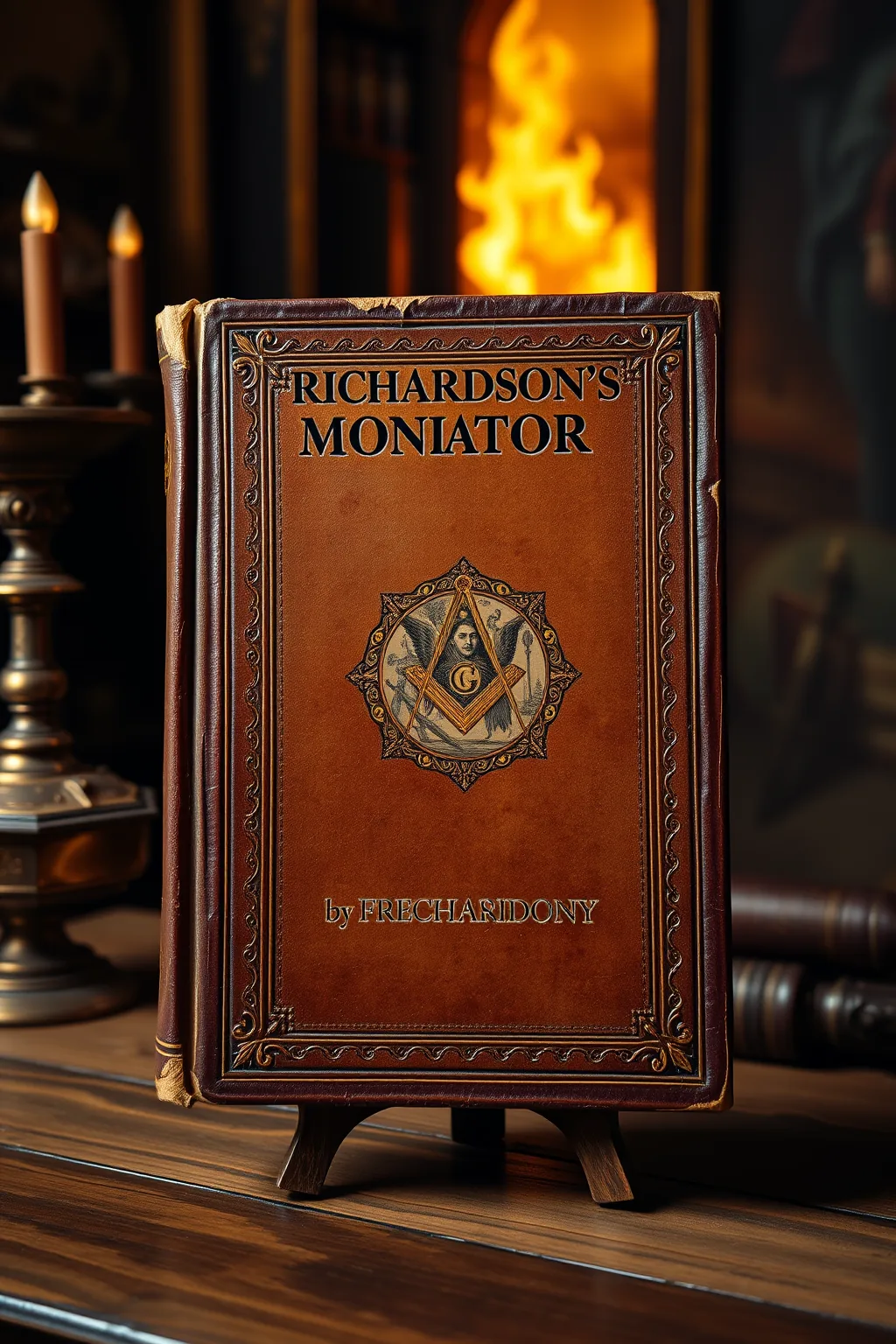
Richardson's monitor of free-masonry : being a practical guide to the ceremonies in all the degrees conferred in Masonic lodges, chapters, encampments, &c., explaining the signs, tokens and grips, and giving all the words, pass-words, sacred words, oaths, and hieroglyphics used by Masons : the ineffable and historical degrees are also given in full.
 71
71

Richardson's monitor of free-masonry : being a practical guide to the ceremonies in all the degrees conferred in Masonic lodges, chapters, encampments, &c., explaining the signs, tokens and grips, and giving all the words, pass-words, sacred words, oaths, and hieroglyphics used by Masons : the ineffable and historical degrees are also given in full.

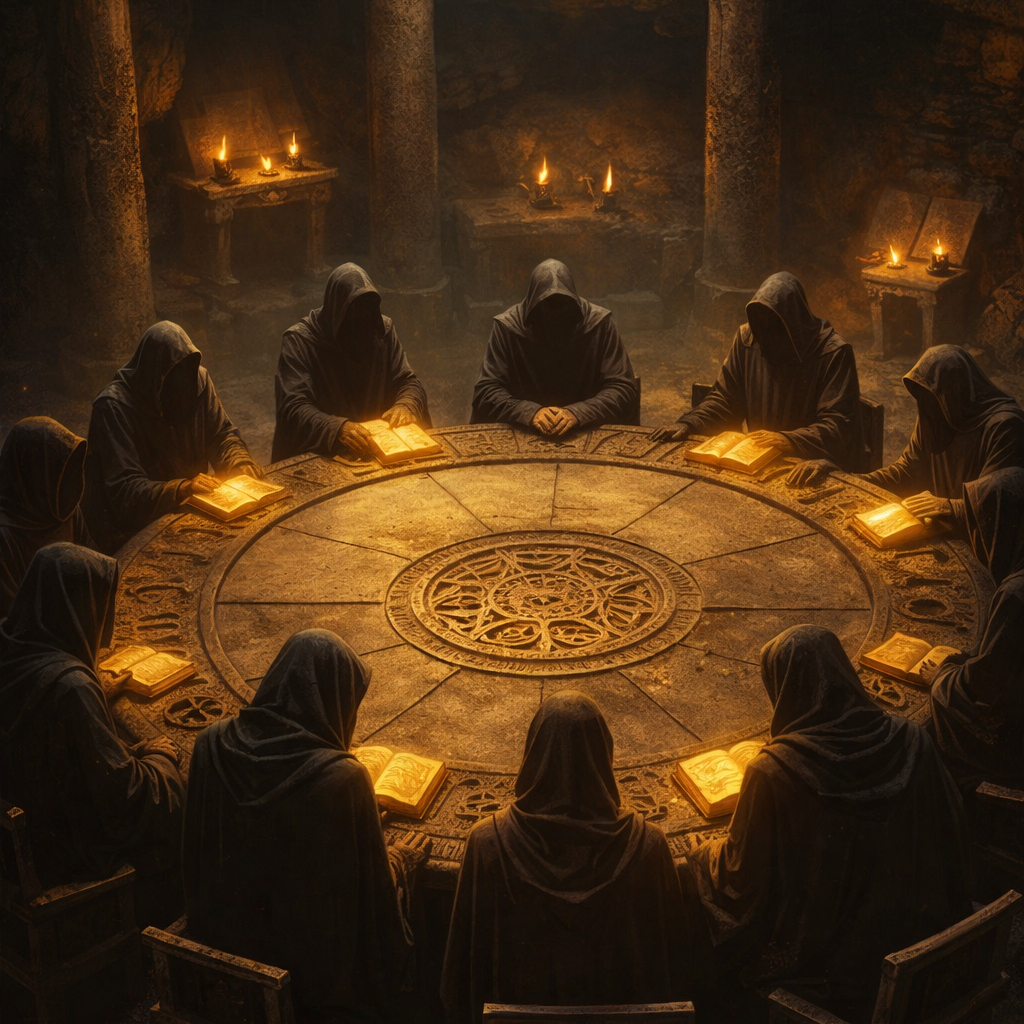

Richardson's Monitor of Freemasonry stands as a timeless classic in the study of esoteric traditions. For modern seekers of occult knowledge, this book is an indispensable resource. It provides a meticulous breakdown of Masonic rituals, symbols, and oaths, offering a window into the secretive world of Freemasonry. The inclusion of the ineffable and historical degrees adds depth to the reader's understanding, making it a comprehensive guide. Day's pseudonym adds an air of mystery, enhancing the allure of the text. The book's historical context enriches the reading experience, providing insights into the evolution of Masonic practices over time. While some sections may require a deeper understanding of Masonic terminology, the overall clarity and detail make it accessible to both novices and seasoned scholars.
📝 Description
71
Published in 1860, Jabez Richardson's monitor explains Masonic ceremonies and secret signs.
Jabez Richardson's 'Monitor of Freemasonry,' a work by Benjamin Henry Day, details the ceremonies across various Masonic degrees. It explains the signs, tokens, and grips used in lodges, chapters, and encampments. The book aims to demystify these practices for those interested in Freemasonry's inner workings.
Day's text presents the rituals with a tone of solemnity, guiding readers through the symbolism and philosophical underpinnings of Masonic teachings. It touches upon concepts of brotherhood and the search for knowledge. For individuals interested in fraternal organizations and their historical practices, this monitor provides a direct look at the components of Masonic ritual.
This monitor situates itself within the broader tradition of Masonic ritual exposition that emerged in the 19th century. Such texts sought to codify and explain the symbolic language and ceremonial structures of Freemasonry for initiates and observers alike. It aligns with a hermetic impulse to understand hidden systems of knowledge, presenting Masonic practice as a path toward personal enlightenment and moral refinement. The book’s focus on signs and grips reflects a long-standing emphasis within esoteric traditions on embodied knowledge and secret communication.
💡 Why Read This Book?
Reading Richardson's Monitor of Freemasonry today offers a unique opportunity to explore the esoteric practices of one of the world's most enduring secret societies. Readers will gain a deeper understanding of Masonic rituals, symbols, and their historical significance. This knowledge can enhance one's appreciation of Freemasonry's role in shaping modern esoteric traditions and provide a foundation for further exploration into the occult. Whether for academic research or personal interest, this book is a valuable addition to any esoteric library.
⭐ Reader Reviews
Honest opinions from readers who have explored this book.
❓ Frequently Asked Questions
What is the significance of Richardson's Monitor of Freemasonry?
This book is significant because it provides a detailed and comprehensive guide to the rituals and ceremonies of Freemasonry, offering insights into the esoteric practices of the society.
Who should read this book?
Anyone interested in Freemasonry, esoteric traditions, or the occult will find this book valuable. It is particularly useful for historians, scholars, and practicing Masons.
What makes this book unique?
The book's uniqueness lies in its detailed explanation of Masonic rituals, symbols, and oaths, as well as its inclusion of the ineffable and historical degrees, providing a complete picture of Masonic practices.
🔮 Key Themes & Symbolism
Masonic Rituals
Look at the intricate rituals and ceremonies of Freemasonry, from the initiation rites to the advanced degrees. Understand the symbolic significance of each step and the deeper esoteric meanings behind the rituals.
Symbolism and Hidden Knowledge
Uncover the detailed symbolism and hidden knowledge embedded within Freemasonry. Explore the signs, tokens, and sacred words that form the foundation of Masonic practices and their mystical interpretations.
Philosophical Significance
Examine the philosophical underpinnings of Freemasonry, including themes of brotherhood, enlightenment, and the pursuit of hidden truth. Discover how these principles resonate with seekers of esoteric wisdom.
💬 Memorable Quotes
Direct passages from the work, attributed to the author.
“Symbols are the language of the mysteries.”
— Highlighting the role of symbolism in conveying esoteric truths and hidden knowledge.
“Brotherhood is the central to our order.”
— Underscoring the significance of unity and mutual support among Freemasons.
“The pursuit of truth is a lifelong journey.”
— Encouraging the continuous quest for wisdom and understanding within the Masonic tradition.
“Secrets are the currency of the initiates.”
— Emphasizing the value of hidden knowledge and the initiation process within Freemasonry.
💡 Key Ideas
Editorial paraphrase of the work's core concepts — not direct quotes.
The true Mason values knowledge above all else.
This quote emphasizes the importance of intellectual and spiritual enlightenment within Freemasonry.
🌙 Esoteric Significance
Tradition
This book belongs to the Hermetic tradition, which emphasizes the pursuit of hidden knowledge and spiritual enlightenment. It draws on the symbolism and rituals of Freemasonry to explore deeper esoteric truths.
Symbolism
Key symbols include the square and compass, the all-seeing eye, and the pyramid, each representing different aspects of Masonic philosophy and esoteric wisdom.
Modern Relevance
This book remains relevant today for modern practitioners of Freemasonry and those interested in the occult. It provides a comprehensive guide to Masonic rituals and symbolism, offering insights that are still applicable in contemporary esoteric studies.
👥 Who Should Read This Book
Beginners in Freemasonry will find this book an invaluable resource for understanding the basics of Masonic rituals and symbolism. Scholars of the occult will appreciate the detailed explanations of esoteric themes and hidden knowledge. Spiritual seekers will be drawn to the philosophical significance of Freemasonry and its pursuit of hidden truth. Practitioners of Freemasonry will benefit from the comprehensive guide to the various degrees and ceremonies, enhancing their own practices and understanding.
📜 Historical Context
Written in the mid-19th century, 'Richardson's Monitor of Freemasonry' emerged during a time when Freemasonry was experiencing a resurgence in popularity and influence. The book was important for providing a comprehensive guide to Masonic rituals and symbolism, making it accessible to a wider audience. Its detailed explanations of the signs, tokens, and sacred words used by Masons helped to explain the order, attracting both newcomers and seasoned practitioners. The book's influence can be seen in the numerous editions and translations that followed, cementing its place as a foundational text in the study of Freemasonry.
📔 Journal Prompts
Reflect on the significance of Masonic symbols in your own spiritual journey.
Consider the role of brotherhood in the pursuit of hidden knowledge.
Explore the philosophical underpinnings of Freemasonry and their relevance to your life.
How do the rituals and ceremonies of Freemasonry resonate with your own esoteric beliefs?
What insights have you gained from the study of Masonic symbolism and hidden knowledge?
🗂️ Glossary
Square and Compass
A symbol representing the tools of a stonemason, signifying the principles of morality and virtue in Freemasonry.
All-Seeing Eye
A symbol of divine providence and the pursuit of knowledge, often depicted within a triangle.
Pillars of Wisdom
Symbols representing strength, stability, and the pursuit of wisdom in Freemasonry.
Secret Word
A sacred word used in Masonic rituals to signify initiation and the sharing of hidden knowledge.
Masonic Oath
A solemn promise made by initiates, binding them to the principles and secrets of Freemasonry.
This book appears in 2 collections
🔮 Readers Also Liked
Browse all →







From the “Secret Societies” Collection
View all →




More Free Freemasonry & Secret Societies Books
View all →