Dupanloup Mons Study Of Freemasonry Translated From French 1876 Anti

 80
80

Dupanloup Mons Study Of Freemasonry Translated From French 1876 Anti

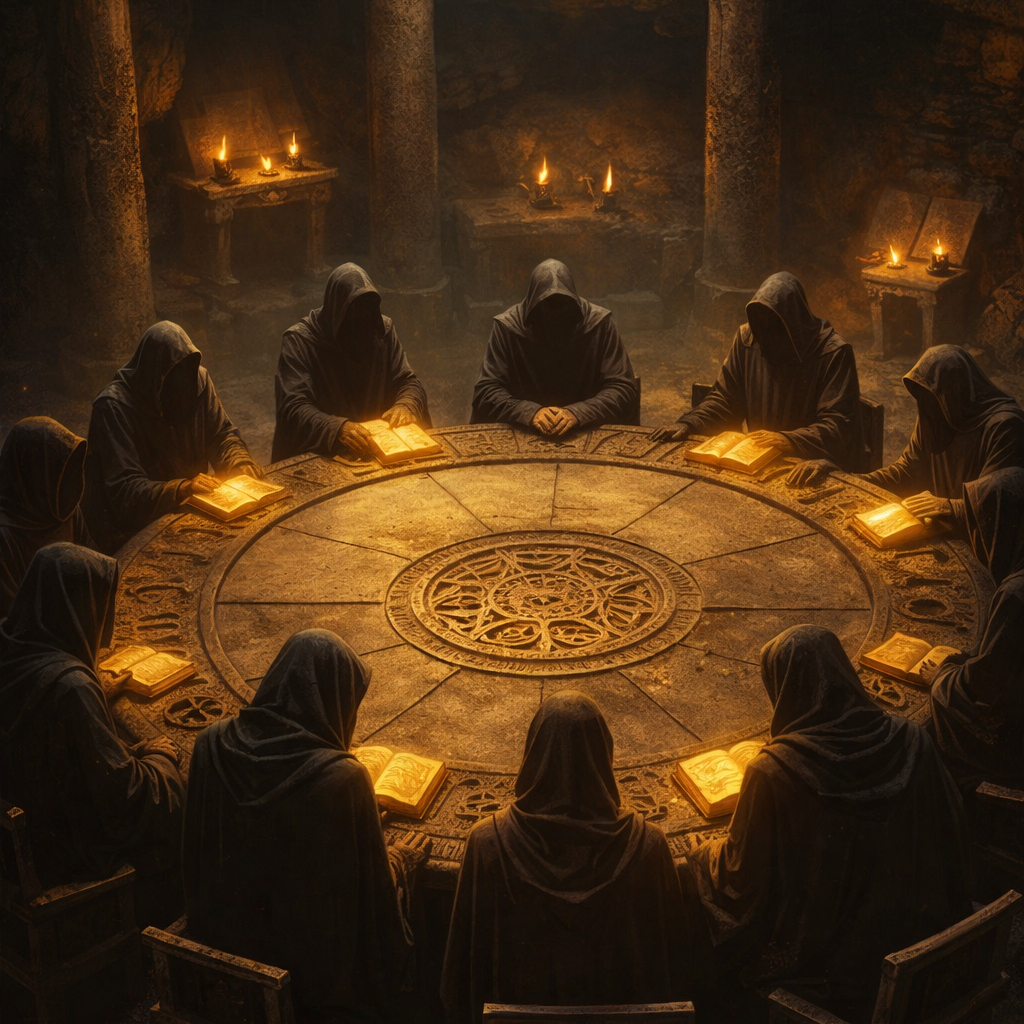

Dupanloup Mons' 'Study of Freemasonry' is a seminal work for anyone interested in the esoteric and occult aspects of Freemasonry. Translated from French and originally published in 1876, this book provides a detailed and critical examination of Freemasonry's rituals, symbols, and philosophical foundations. Mons' anti-Freemasonry stance adds a layer of controversy that makes the text even more compelling. For modern esoteric seekers, this book offers invaluable insights into the secretive world of Freemasonry, revealing how its influences have shaped politics, religion, and society over the centuries. The detailed descriptions of Freemasonry's rituals and symbols are particularly enlightening, providing a deeper understanding of the esoteric language that has long been a source of fascination and mystery. Despite its age, 'Study of Freemasonry' remains relevant and thought-provoking, making it a valuable addition to any esoteric library.
📝 Description
80
Dupanloup Mons published his 'Study of Freemasonry' in French before its 1876 English translation.
This 1876 English translation presents Dupanloup Mons' critique of Freemasonry. The text examines the symbolism and rituals associated with the fraternity, approaching them from an explicitly anti-Masonic perspective. Mons claims to reveal hidden knowledge and practices within the organization, framing them as potentially dangerous or deceptive. The work is written with an air of intellectual and spiritual concern, aiming to question the nature of secrecy and tradition within such societies.
It is intended for readers who wish to understand criticisms leveled against Freemasonry. The author directs his arguments toward those interested in the esoteric and occult, specifically concerning the perceived arcane aspects of Masonic beliefs and practices. The book’s content is philosophical, urging readers to consider the relationship between what is known and what is concealed, and how established customs are maintained or changed.
Published in the late 19th century, this work engages with a period of heightened interest in secret societies and their alleged occult connections. It stands as an example of critical literature that arose alongside more sympathetic or purely descriptive accounts of groups like Freemasonry. The book's approach, focusing on hidden meanings and potential dangers, aligns with certain currents within esoteric thought that sought to expose or understand perceived hidden influences in the world.
💡 Why Read This Book?
Reading 'Dupanloup Mons Study Of Freemasonry' today offers readers a unique opportunity to explore the esoteric and occult dimensions of Freemasonry. This book provides a historical perspective that is crucial for understanding the enduring influence of Freemasonry on modern society. Whether you are a historian, an esoteric seeker, or simply curious about secret societies, this text offers a wealth of information and insights. By delving into the symbolic language and rituals of Freemasonry, readers can gain a deeper appreciation for the mysteries that have captivated generations.
⭐ Reader Reviews
Honest opinions from readers who have explored this book.
❓ Frequently Asked Questions
What is the main focus of 'Dupanloup Mons Study Of Freemasonry'?
The main focus of this book is the detailed examination of Freemasonry's rituals, symbols, and philosophical underpinnings from an anti-Freemasonry perspective.
Is this book suitable for modern esoteric seekers?
Yes, this book is highly suitable for modern esoteric seekers as it provides valuable insights into the secretive world of Freemasonry and its enduring influences.
What historical context does the book provide?
The book offers a historical context that sheds light on the controversies and mysteries surrounding Freemasonry, particularly in the 19th century.
🔮 Key Themes & Symbolism
Symbolism and Rituals
Dupanloup Mons' work studies the intricate symbolism and rituals of Freemasonry, uncovering the hidden meanings behind the society's practices. This theme is central to understanding the mystical allure of Freemasonry and its enduring fascination among esoteric enthusiasts.
Hidden Knowledge
The book explores the concept of hidden knowledge, a core part of Freemasonry's appeal. Dupanloup Mons reveals the secrets and mysteries that have long been guarded by the society, providing readers with a rare glimpse into its arcane teachings.
Philosophical Underpinnings
Dupanloup Mons' analysis extends beyond surface-level descriptions to examine the philosophical foundations of Freemasonry. This theme is crucial for those interested in the spiritual and intellectual dimensions of the society, offering a deep dive into its esoteric beliefs and principles.
💬 Memorable Quotes
Direct passages from the work, attributed to the author.
“To understand Freemasonry, one must look at its philosophical roots, where the true essence of its teachings lies.”
— Dupanloup Mons emphasizes the need for a philosophical approach to grasp the true meaning of Freemasonry's rituals and symbols.
“The true Freemason seeks not power, but knowledge, and the path to enlightenment.”
— Dupanloup Mons challenges the notion of Freemasonry as a power-seeking society, instead portraying it as a quest for knowledge and spiritual growth.
💡 Key Ideas
Editorial paraphrase of the work's core concepts — not direct quotes.
The secrets of Freemasonry are not merely hidden; they are carefully guarded by a veil of symbolism and ritual.
This quote underscores the depth of secrecy and mystique surrounding Freemasonry, highlighting the importance of symbolism and ritual in its practices.
The rituals of Freemasonry are a language of the soul, speaking to the deepest parts of human consciousness.
This quote illustrates the spiritual significance of Freemasonry's rituals, suggesting they hold clear insights into the human psyche.
The symbols of Freemasonry are keys to unlocking the mysteries of the universe and the self.
This quote emphasizes the esoteric value of Freemasonry's symbols, suggesting they hold the potential for self-discovery and cosmic understanding.
🌙 Esoteric Significance
Tradition
Dupanloup Mons' work belongs to the Hermetic tradition, emphasizing the pursuit of hidden knowledge and spiritual enlightenment. This tradition is characterized by its focus on symbolism, ritual, and the mysteries of the universe.
Symbolism
Key symbols in Freemasonry include the square and compass, the all-seeing eye, and the pyramid. Each of these symbols holds deep esoteric meanings, representing concepts such as balance, divine providence, and the quest for knowledge.
Modern Relevance
Today, Dupanloup Mons' insights are valuable for modern practitioners of esoteric traditions, offering a detailed examination of Freemasonry's rituals and symbols. This text is particularly relevant for those interested in the philosophical and spiritual dimensions of secret societies.
👥 Who Should Read This Book
Beginners may find Dupanloup Mons' 'Study of Freemasonry' challenging due to its depth and complexity, but it is an invaluable resource for scholars and practitioners of occult studies. Spiritual seekers will appreciate the book's exploration of hidden knowledge and esoteric symbolism, while practitioners of Freemasonry will gain a deeper understanding of their society's rituals and beliefs. This text is also ideal for those interested in the philosophical underpinnings of secret societies, offering a rich and thought-provoking journey into the heart of Freemasonry.
📜 Historical Context
Written in the late 19th century, 'Study of Freemasonry' reflects the era's fascination with secret societies and esoteric knowledge. The 1870s were a time of intellectual and spiritual awakening, with many seeking to uncover the hidden truths of ancient traditions. Dupanloup Mons' work was influential in shaping the public's perception of Freemasonry, challenging its secrecy and unveiling its rituals and symbols. This text remains relevant today, offering insights into the enduring allure of Freemasonry and its impact on modern esoteric thought.
📔 Journal Prompts
How do the rituals and symbols of Freemasonry resonate with your own spiritual journey?
What insights can Dupanloup Mons' analysis of Freemasonry offer to modern practitioners of esoteric traditions?
How does the concept of hidden knowledge influence your understanding of secret societies?
In what ways do the philosophical underpinnings of Freemasonry challenge or support your beliefs?
How can the esoteric teachings of Freemasonry be applied to personal growth and self-discovery?
🗂️ Glossary
Freemasonry
A secret society known for its rituals, symbols, and pursuit of hidden knowledge, often associated with esoteric and mystical traditions.
Esoteric
Relating to knowledge that is meant to be understood by a select few, often involving mystical or occult themes.
Symbolism
The use of symbols to represent abstract ideas or qualities, a key aspect of Freemasonry's rituals and teachings.
Hermetic
Relating to the philosophical and spiritual teachings attributed to Hermes Trismegistus, emphasizing the pursuit of hidden knowledge.
Occult
Relating to mysterious, supernatural, or hidden knowledge, often associated with esoteric and mystical practices.
This book appears in 2 collections
🔮 Readers Also Liked
Browse all →







From the “Secret Societies” Collection
View all →



More Free Freemasonry & Secret Societies Books
View all →