Repair of the soul: metaphors of transformation in Jewish mysticism and pyschoanalysis
 61
61

Repair of the soul: metaphors of transformation in Jewish mysticism and pyschoanalysis



Marcus Thorne (Esoteric Sciences Reviewer) — 'Repair of the Soul' is a remarkable synthesis, bridging the often-disparate worlds of Kabbalah and psychoanalysis. Karen E. Starr offers a profound exploration of soul repair, revealing uncanny parallels between the mystical concept of Tikkun and the therapeutic journey of psychoanalytic healing. Starr's insightful analysis of esoteric Jewish texts, coupled with her keen understanding of psychological dynamics, provides a unique lens through which to view personal transformation. This book is a vital resource for scholars, practitioners, and seekers alike, offering a pathway to deeper self-awareness and spiritual integration through the lens of hidden, ancient wisdom.
📝 Description
61
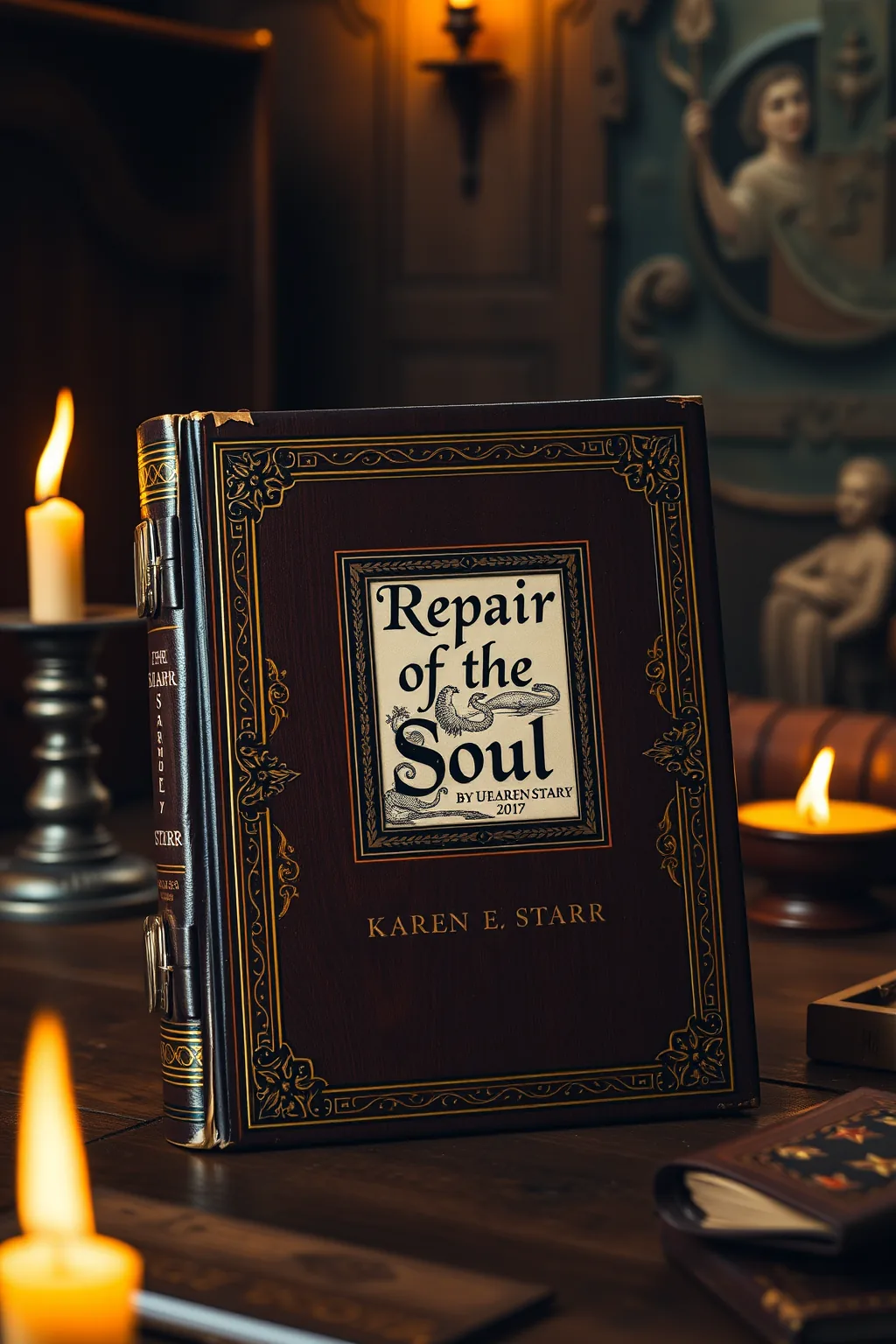
Karen E. Starr's 'Repair of the Soul' (2002) connects Kabbalistic soul concepts with psychoanalytic metaphors.
Karen E. Starr's 'Repair of the Soul' examines the connections between Jewish mystical ideas about the soul and psychoanalytic thought. The book discusses Kabbalistic concepts like the Sefirot and Tikkun, which is the idea of rectification or repair. Starr draws parallels between these ancient mystical frameworks and the language of transformation used in psychoanalysis. The work aims to show how these different traditions can inform our understanding of human healing and the search for wholeness.
Starr's analysis suggests that the symbolism within Jewish mysticism offers a way to think about psychological integration. The book invites a thoughtful engagement with these ideas, bridging spiritual and secular perspectives. It proposes that ancient insights can provide useful models for modern therapeutic practices focused on addressing a fragmented sense of self.
This work is situated within the study of Jewish mysticism, specifically Kabbalah. It engages with core Kabbalistic cosmology, including the ten Sefirot, which are divine emanations or attributes, and the concept of Tikkun, the idea of cosmic and personal repair. By focusing on these elements, Starr places the book within a tradition that views the human soul and its condition through a spiritual lens, often involving processes of restoration and reintegration.
💡 Why Read This Book?
Embark on a transformative journey where ancient Kabbalistic wisdom meets modern psychological insight. 'Repair of the Soul' offers a unique perspective on healing the fragmented self, revealing profound parallels between mystical concepts and therapeutic metaphors. Ideal for seekers of spiritual depth, scholars of comparative mysticism, and practitioners exploring holistic approaches to well-being, this book promises to illuminate pathways to wholeness and self-discovery.
⭐ Reader Reviews
Honest opinions from readers who have explored this book.
❓ Frequently Asked Questions
What is the central metaphor of 'Repair of the Soul'?
The central metaphor revolves around the 'repair' or 'rectification' (Tikkun) of the soul, drawing parallels between the Kabbalistic understanding of a fragmented divine and human consciousness and the psychoanalytic concept of healing psychic wounds and reintegrating the self.
Who is the intended audience for this book?
The book is intended for readers interested in Jewish mysticism, Kabbalah, psychoanalysis, comparative religion, and the intersection of spirituality and psychology. It appeals to scholars, students, therapists, and individuals on a personal journey of self-discovery and healing.
How does Kabbalah inform the concept of soul repair?
Kabbalah provides a rich tapestry of metaphors, including the shattering of the divine vessels (Shevirat HaKelim) and the subsequent process of Tikkun, which describes the cosmic and individual efforts to gather scattered divine sparks and restore wholeness to creation and the soul.
What is the relationship between Jewish mysticism and psychoanalysis explored in this book?
The book explores how the symbolic language and conceptual frameworks of Jewish mysticism, particularly Kabbalah, offer profound insights and resonant metaphors for understanding the processes of psychological healing, trauma, and the restoration of the inner self as understood in psychoanalysis.
Does the book require prior knowledge of Kabbalah or psychoanalysis?
While prior knowledge can enhance the reading experience, Karen E. Starr’s accessible writing style and clear explanations aim to make the complex concepts understandable to a broad audience, including those new to either field.
🔮 Key Themes & Symbolism
The Shattered Soul and Cosmic Tikkun
This theme studies the Kabbalistic concept of Shevirat HaKelim, the shattering of divine vessels, and its wide implications for the fragmentation of the human soul. It explores how the process of Tikkun, or rectification, extends from the cosmic realm to the individual psyche, offering a blueprint for gathering scattered spiritual energies and restoring inner harmony. The intricate symbolism of the Sefirot is examined as a map for understanding the divine emanations and their potential for both disruption and healing within the soul's architecture.
Metaphors of Transformation in Psychoanalysis
Here, the focus shifts to the rich metaphorical language of psychoanalysis that mirrors the quest for wholeness. Concepts such as the integration of the ego, the healing of psychic trauma, and the emergence of the authentic self are explored through their symbolic resonance with mystical ideas. The book examines how psychoanalytic techniques and interpretations can be seen as modern-day rituals for uncovering repressed aspects of the self and fostering psychological renewal, akin to the spiritual work of mending the soul.
The Converging Paths of Ancient Wisdom and Modern Therapy
This crucial theme highlights the unexpected yet powerful convergence between the esoteric insights of Jewish mysticism and the practical applications of psychoanalytic therapy. Starr demonstrates how ancient Kabbalistic frameworks can offer profound metaphorical depth and spiritual grounding to therapeutic processes, enriching our understanding of the human condition. The book argues that by integrating these seemingly disparate disciplines, we can achieve a more holistic and potent approach to personal transformation and the profound 'repair of the soul'.
💬 Memorable Quotes
Direct passages from the work, attributed to the author.
“The soul, like a shattered vessel, yearns for completion.”
— This evocative phrase captures the core Kabbalistic notion of cosmic and personal fragmentation, suggesting an inherent drive towards integration and healing.
“Psychoanalysis offers a map to the hidden chambers of the psyche.”
— This highlights the introspective and diagnostic nature of psychoanalysis, framing it as a structured journey into the unconscious mind.
“Tikkun is not merely an act, but a state of being.”
— This emphasizes the continuous and profound nature of spiritual rectification, suggesting it's an ongoing process of becoming whole.
“Metaphor is the bridge between the seen and the unseen.”
— This points to the power of symbolic language in bridging the gap between the tangible world and the field of spiritual and psychological experience.
“Within the fractured self lies the seed of divine spark.”
— This offers a hopeful perspective, suggesting that even in our deepest wounds, the potential for spiritual renewal and connection remains present.
🌙 Esoteric Significance
Tradition
This book is deeply rooted in the esoteric tradition of Kabbalah, a mystical interpretation of Jewish scripture and theology that explores the nature of God, creation, and the human soul. It studies concepts such as the Sefirot (divine emanations), the Tree of Life, and the process of Tikkun (rectification), offering a framework for understanding the hidden order of the cosmos and the human condition.
Symbolism
The work meticulously unpacks the detailed symbolism within Kabbalah, such as the breaking of the divine vessels (Shevirat HaKelim) representing cosmic and psychic fragmentation, and the concept of divine sparks (Nitzotzot) scattered throughout creation, which humanity is tasked with gathering. These symbols are shown to resonate powerfully with psychoanalytic metaphors for healing, trauma, and the integration of the self.
Modern Relevance
In an age grappling with fragmentation, anxiety, and a search for deeper meaning, the esoteric insights presented offer profound contemporary relevance. The book demonstrates how ancient Kabbalistic wisdom provides potent frameworks for understanding psychological distress and the process of healing. By bridging these traditions, it offers seekers and practitioners alike a path towards greater self-awareness, integration, and spiritual wholeness in their modern lives.
👥 Who Should Read This Book
This book is a vital resource for a diverse audience. **Seekers of spiritual depth** will find clear insights into the nature of the soul and its journey toward healing. **Scholars of comparative mysticism and religious studies** will appreciate the meticulous scholarship and innovative synthesis of Kabbalah and psychoanalysis. **Therapists and practitioners** in the mental health field will discover new metaphorical tools and a richer understanding of the human psyche. **Individuals on a personal journey of self-discovery and psychological integration** will find practical wisdom and a hopeful framework for mending their own inner lives, regardless of their prior familiarity with either tradition.
📜 Historical Context
Published in an era increasingly interested in interdisciplinary dialogues between spirituality and psychology, 'Repair of the Soul' emerges from a rich intellectual tradition. The early 21st century has seen a resurgence of interest in esoteric traditions, seeking ancient wisdom to address modern existential anxieties and psychological distress. The work builds upon centuries of Kabbalistic scholarship, which has seen periods of both profound engagement and esoteric confinement, and it also engages with the ongoing evolution of psychoanalytic thought, which has increasingly acknowledged the importance of meaning, spirituality, and the integration of the self beyond purely mechanistic explanations. This book stands as a proof of the enduring relevance of these profound contemplative and therapeutic systems.
📔 Journal Prompts
Reflect on a time you felt your 'soul' was fragmented. What were the circumstances, and what metaphors best describe this experience?
How do the Kabbalistic concepts of divine sparks and their gathering resonate with your personal journey of growth and healing?
Consider a specific psychoanalytic concept (e.g., repression, integration) and explore its potential symbolic parallels within Jewish mysticism.
What does 'Tikkun' (rectification) mean to you on a personal level, and what steps can you take to practice it in your daily life?
How can the understanding of the 'shattered vessel' metaphor help you reframe past traumas or perceived imperfections in yourself?
🗂️ Glossary
Kabbalah
A system of Jewish mysticism that seeks to understand the nature of God, creation, and the human soul through esoteric interpretations of scripture and tradition.
Tikkun
A Hebrew term meaning 'rectification,' 'repair,' or 'restoration.' In Kabbalah, it refers to the cosmic process of mending the divine order and the human soul.
Sefirot
Ten divine emanations or attributes through which God reveals Himself and interacts with creation, forming the structure of the Kabbalistic Tree of Life.
Shevirat HaKelim
Literally 'the breaking of the vessels,' a central Kabbalistic concept describing the catastrophic shattering of divine light-containing vessels during creation, leading to cosmic and spiritual fragmentation.
Psychoanalysis
A therapeutic approach developed by Sigmund Freud that explores the unconscious mind, repressed memories, and psychological conflicts to achieve healing and self-understanding.
This book appears in 1 collection
🔮 Readers Also Liked
Browse all →







More by Karen E. Starr
All books →
From the “Kabbalah” Collection
View all →






More Free Kabbalah & Jewish Mysticism Books
View all →