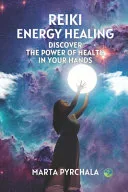
Reiki Energy Healing
 73
73

Reiki Energy Healing
Marta Pyrchala’s "Reiki Energy Healing" offers a structured entry point into a practice that often gets lost in esoteric jargon. The strength of this book lies in its methodical breakdown of techniques and principles, making the often intangible concept of energy work feel more approachable. Pyrchala avoids overly mystical language, focusing instead on practical application, which is a welcome change from some of the more romanticized accounts of Reiki. A particularly effective section details the specific hand placements for addressing common ailments, providing clear, actionable guidance. However, the book could benefit from more robust exploration of the energetic anatomy beyond basic chakra descriptions, perhaps referencing concepts from Traditional Chinese Medicine or Ayurvedic principles to offer a broader comparative perspective. The initial blurb's promise of 'over 30 energetic techniques' feels somewhat inflated by the time the text is fully explored, with many variations on core methods. Despite this, for newcomers seeking a clear, step-by-step introduction to Reiki practice, Pyrchala’s guide serves as a competent and grounded resource.
📝 Description
73
Marta Pyrchala's 2024 book explains the Japanese practice of Reiki energy healing.
This book serves as a guide to understanding and practicing Reiki, a Japanese energy healing method. It introduces the concept of 'ki,' or life force energy, detailing its flow through the body and its connection to physical and mental health. The text explains that disruptions in this energy can manifest as stress, anxiety, or pain. By learning to direct this universal energy, individuals can foster self-healing and adopt a more complete approach to wellness.
The book is for people interested in alternative methods for managing stress, anxiety, and physical discomfort. It appeals to those drawn to holistic health and self-care, as well as those who want to learn energy healing techniques. Readers curious about the mind-body connection and how energy work can support personal well-being will find useful information here. The aim is to give readers tools to actively participate in their own health.
Reiki was established by Mikao Usui in Japan in the early 20th century. It became more known in the West around the mid-20th century. Pyrchala's 2024 publication arrives at a time when interest in complementary medicine is high, with practices like Reiki becoming more common. The book adds to discussions on energy modalities and holistic healing by presenting a specific, structured method.
Reiki originates from Mikao Usui's spiritual studies in early 20th century Japan, drawing from Buddhist traditions. It posits a universal life force energy that can be consciously directed for therapeutic purposes. The practice involves specific techniques and a process of energetic initiation, or attunement, to enable practitioners to channel this energy. This places Reiki within a broader category of esoteric healing arts that focus on subtle energies and the mind-body connection, distinct from purely physical or medical approaches.
💡 Why Read This Book?
• Learn over 30 distinct energetic techniques and hand positions specifically detailed within Marta Pyrchala's guide, offering a practical toolkit for self-healing and assisting others that goes beyond general meditation. • Understand the historical development of Reiki, tracing its origins to Mikao Usui's work in early 20th-century Japan, providing a grounding in the practice's lineage distinct from more recent spiritual movements. • Gain practical methods for managing stress and pain by directly applying the principles of channeling 'ki' energy, as explained through the specific exercises and attunement guidance provided in the book.
⭐ Reader Reviews
Honest opinions from readers who have explored this book.
❓ Frequently Asked Questions
What is the core philosophy behind Reiki energy healing as presented in the book?
The book explains Reiki's core philosophy as the practice of channeling universal life force energy, known as 'ki', to promote balance and self-healing within the body and mind. It emphasizes a holistic approach to well-being.
How does Marta Pyrchala's book approach the concept of 'energy' in healing?
Pyrchala's work presents energy as a fundamental force that affects our physical and mental states. It details how blockages or imbalances in this 'ki' can manifest as illness and how Reiki practice aims to restore flow.
What kind of techniques does 'Reiki Energy Healing' teach?
The book covers a range of techniques, including specific hand positions for self-treatment and for working with others, attunement processes, and over 30 energetic methods designed to address various physical and emotional concerns.
Is prior experience needed to understand and practice Reiki from this book?
No, the book is designed as a comprehensive guide for beginners, explaining concepts clearly and providing step-by-step instructions for understanding and practicing Reiki energy healing.
What are the main benefits of practicing Reiki as described in the book?
The primary benefits discussed include stress reduction, anxiety management, pain relief, and fostering a more holistic approach to personal health and well-being through the conscious use of energy.
When was Marta Pyrchala's 'Reiki Energy Healing' first published?
Marta Pyrchala's 'Reiki Energy Healing' was first published on February 26, 2024, positioning it as a contemporary guide to this ancient healing practice.
🔮 Key Themes & Symbolism
Universal Life Force Energy
The central tenet explored is 'ki,' or universal life force energy, posited as the foundation of all existence and well-being. The book explains how this energy flows through living beings and how disruptions can lead to physical and emotional distress. It details methods for practitioners to channel this 'ki' effectively, aiming to restore balance and promote the body's natural healing capabilities. This concept is presented as the driving force behind Reiki's efficacy in addressing ailments.
Holistic Health and Well-being
This theme emphasizes the interconnectedness of the mind, body, and spirit. The book advocates for a holistic approach to health, suggesting that true well-being encompasses more than just the absence of physical symptoms. It positions Reiki as a tool to address underlying energetic imbalances that may contribute to stress, anxiety, and illness, thereby fostering overall vitality and emotional equilibrium.
Self-Care and Empowerment
A significant focus is placed on empowering individuals to take an active role in their own health. The book provides practical techniques, such as self-treatment hand positions, that readers can implement independently. This theme underscores the idea that healing is an accessible practice, and through learning Reiki, individuals can cultivate greater self-awareness and personal agency in managing their health challenges.
The Practice of Attunement
The book details the crucial process of attunement, which is described as a sacred ceremony where a Reiki master initiates a student, enabling them to channel Reiki energy. This rite of passage is presented as essential for anyone wishing to practice Reiki, serving as a spiritual and energetic connection that 'opens the channels' for energy flow. It highlights the importance of lineage and proper transmission.
💬 Memorable Quotes
Direct passages from the work, attributed to the author.
“Discover the power of health in your hands.”
— This phrase captures the book's core message: that individuals possess an inherent ability to influence their own health and well-being through the practice of Reiki.
“Learn over 30 energetic techniques in Reiki.”
— This highlights the comprehensive nature of the guide, promising a wide array of practical methods and applications for readers to explore beyond the basic principles of Reiki.
“Do you want to take a holistic approach to your well-being?”
— This question frames Reiki as a solution for those seeking to address health from a many-sided perspective, integrating physical, mental, and spiritual aspects of wellness.
“Reiki therapy may be just what you need.”
— This suggests that Reiki offers a potential remedy for common modern ailments like stress, anxiety, sickness, or pain, positioning it as an accessible and beneficial therapeutic option.
“In this book, you will learn all about energy and how it affects your body and mind.”
— This promises foundational knowledge about the energetic principles underpinning Reiki, explaining the connection between universal life force energy and personal health.
🌙 Esoteric Significance
Tradition
Reiki aligns with a broad spectrum of esoteric traditions that emphasize the existence and manipulation of subtle energies for healing and spiritual development. While Mikao Usui drew inspiration from Buddhist principles and his own spiritual experiences, Reiki is often situated within the modern esoteric movement that gained prominence in the late 19th and early 20th centuries. It shares common ground with Theosophy and New Thought in its focus on universal life force and the mind's role in healing, yet distinguishes itself through its specific lineage, attunement process, and structured hand positions developed by Usui.
Symbolism
Central to Reiki symbolism is the concept of 'ki' itself, representing the vital life force energy that animates all things. The various Reiki symbols, though not extensively detailed in the blurb, are typically understood to represent specific energies or states of consciousness, such as healing, emotional balance, or spiritual connection. The act of channeling energy through the hands is itself symbolic, representing the practitioner as a conduit for universal healing power, bridging the gap between the mundane and the divine.
Modern Relevance
In contemporary wellness culture, Reiki continues to be a highly sought-after practice for stress reduction and complementary healing. Thinkers and practitioners in fields like holistic psychology, integrative medicine, and mindfulness-based stress reduction often reference or incorporate energy work principles similar to those found in Reiki. The book's approach, focusing on practical application and tangible benefits, speaks to a modern audience increasingly seeking accessible, non-invasive methods to manage chronic stress and enhance overall well-being.
👥 Who Should Read This Book
• Individuals new to energy healing seeking a clear, foundational understanding of Reiki principles and practical techniques for self-care and stress management. • Aspiring Reiki practitioners interested in learning the core methods, including hand positions and the concept of 'ki' energy, as part of a structured learning path. • Anyone exploring holistic approaches to health who wants to understand how energy work might complement conventional wellness practices for anxiety, pain, or general vitality.
📜 Historical Context
Marta Pyrchala's "Reiki Energy Healing," published in 2024, arrives in an era of heightened interest in complementary and alternative medicine (CAM). The origins of Reiki itself trace back to Mikao Usui in Japan around 1922, who developed the system after years of spiritual discipline and study. By the mid-20th century, figures like Hawayo Takata were instrumental in popularizing Reiki in the Western world, particularly in the United States. This book enters a global landscape where practices like mindfulness, yoga, and energy healing have become increasingly mainstream, often discussed alongside conventional medical treatments. It exists within a broader spectrum of holistic health modalities, which also includes practices like acupuncture and crystal healing, offering a specific, structured approach rooted in Usui's original teachings, differentiating itself from more eclectic or New Age interpretations that emerged later.
📔 Journal Prompts
The five Reiki principles and their application to daily life.
Reflecting on personal experiences with stress, anxiety, or pain and how Reiki might offer support.
Exploring the concept of 'ki' energy and its perceived presence in your own life.
Mapping out common hand positions for self-treatment based on the book's guidance.
Consider the role of attunement in deepening your connection to Reiki practice.
🗂️ Glossary
Ki
The Japanese term for universal life force energy, considered the fundamental essence that animates all living things and the foundational concept in Reiki practice.
Reiki
A Japanese form of energy healing developed by Mikao Usui, involving channeling universal life force energy through the hands for healing and balance.
Attunement
A spiritual initiation process performed by a Reiki master to enable a student to channel Reiki energy. It is considered essential for practicing Reiki.
Hand Positions
Specific placements of the hands used in Reiki practice, both for self-treatment and for working with others, designed to direct energy to various parts of the body.
Holistic Approach
An approach to health and well-being that considers the interconnectedness of the mind, body, and spirit, rather than focusing solely on physical symptoms.
Precepts
The five guiding principles or ethical guidelines of Reiki, often translated as 'Just for today...' encouraging mindfulness and positive living.
Energy Blockage
A disruption or stagnation in the flow of 'ki' energy within the body, believed to be a potential cause of physical or emotional discomfort and illness.