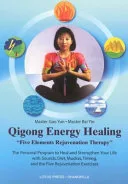
Qigong Energy Healing
 74
74

Qigong Energy Healing
Master Gao Yun and Master Bai Yin’s Qigong Energy Healing attempts a commendable feat: translating the subtle art of personal chi cultivation into a practical, individualized system. The book’s central conceit—the 'chi code'—is its most compelling aspect, offering a departure from one-size-fits-all energy practices. By linking timing, sound, mudras, and the Five Elements to a personal energetic profile, the authors provide a framework for self-discovery that feels genuinely tailored. I found the section detailing the Five Elements rejuvenation exercises particularly illuminating; the descriptions of specific movements and their intended effects were clear and actionable. However, the text occasionally leans towards a more instructional, less evocative tone than one might expect from esoteric literature. While clarity is a strength, some of the nuanced energetic principles could benefit from more expansive philosophical grounding. Despite this, the book delivers a functional, self-assessment-driven approach to Qigong that empowers the reader to engage with their own vital force directly. It is a solid guide for those seeking a personalized path to energetic balance.
📝 Description
74
Published in May 2001, Qigong Energy Healing details a personal system for cultivating vital life force.
This book presents a structured method for personal energy cultivation through Qigong, authored by Masters Gao Yun and Bai Yin. It clarifies the concept of 'chi,' or vital life force, explaining it as a unique energetic code for each individual. Readers learn to identify their personal energetic blueprint to find optimal practice times, resonant sounds, specific mudras, and Five Elements rejuvenation exercises. These are presented as simple meditative movements aimed at promoting the free flow of chi, fostering balance and vitality.
The volume is suitable for those seeking practical, self-guided methods to improve physical and mental well-being. It will appeal to individuals interested in energy work, complementary healing, or those wanting to understand traditional Chinese medicine better. The book serves both beginners curious about Qigong and experienced practitioners aiming to deepen their knowledge of personal energetic dynamics. Its focus on individualized practice offers a personalized approach to mind-body wellness for anyone feeling energetically stagnant.
Emerging in 2001, Qigong Energy Healing contributed to a growing Western interest in Eastern wellness practices. The early 2000s saw increased access to translated texts and the establishment of Qigong programs, making mind-body disciplines more available. This book stood out by providing a personalized, structured system derived from the authors' specific lineage, differing from more general Qigong guides. It arrived as Eastern traditions began to be integrated into Western self-care routines.
💡 Why Read This Book?
• Learn to identify your unique 'chi code,' enabling you to discover the optimal times, sounds, and mudras for your personal Qigong practice, as detailed in the book's foundational chapters. • Master the Five Elements rejuvenation exercises, specific short meditation movements tailored to your energetic type, which are clearly outlined to foster vital energy flow. • Gain a practical understanding of how to harmonize your personal chi through individualized Qigong techniques, moving beyond generic advice to practices specifically aligned with your energetic needs.
⭐ Reader Reviews
Honest opinions from readers who have explored this book.
❓ Frequently Asked Questions
What is the 'chi code' as explained in Qigong Energy Healing?
The 'chi code' is a concept introduced by Masters Gao Yun and Bai Yin, representing an individual's unique energetic signature. It helps determine the best times of day, resonant sounds, mudras, and Five Elements exercises for personal energy cultivation.
Are the exercises in Qigong Energy Healing difficult to perform?
No, the book emphasizes that the exercises are short meditation movements designed to be accessible. They are intended to facilitate chi energy flow without requiring strenuous physical exertion.
What are the Five Elements rejuvenation exercises?
These are specific Qigong movements based on the Five Elements theory (Wood, Fire, Earth, Metal, Water). The book explains how to perform them to revitalize personal chi and promote balance according to one's individual energetic type.
Can beginners use Qigong Energy Healing effectively?
Yes, the book is designed to guide readers in finding their personal 'chi code' and practicing Qigong effectively. It breaks down complex concepts into actionable steps suitable for those new to the practice.
When was Qigong Energy Healing first published?
Qigong Energy Healing was first published in May 2001 by Masters Gao Yun and Bai Yin.
What is the benefit of using specific mudras and sounds in Qigong?
According to the book, specific mudras (hand gestures) and resonant sounds can enhance the flow and effectiveness of chi energy. They are presented as tools to amplify the benefits of Qigong practice, tailored to an individual's chi code.
🔮 Key Themes & Symbolism
Personalized Chi Cultivation
The central theme is the personalization of Qigong practice through the concept of a unique 'chi code' for each individual. Unlike generic approaches, this book guides readers to identify their specific energetic blueprint. This code informs the selection of optimal practice times, resonant sounds, specific mudras, and Five Elements rejuvenation exercises. The goal is to ensure that energy cultivation efforts are maximally effective by aligning them with one's inherent energetic constitution, promoting a deeper and more potent connection with vital life force.
The Five Elements Framework
Qigong Energy Healing employs the traditional Chinese Five Elements theory (Wood, Fire, Earth, Metal, Water) as a primary framework for understanding and balancing personal energy. Each element is associated with particular qualities, seasons, emotions, and corresponding rejuvenation exercises. The book details how to identify imbalances within this system and provides specific Qigong movements designed to restore harmony. This application of the Five Elements offers a structured yet dynamic method for self-healing and maintaining energetic equilibrium.
Accessible Energy Movements
A key focus is on making Qigong accessible through short, meditative movements. The book presents these exercises not as physically demanding routines but as concise practices that facilitate the smooth flow of chi energy. The emphasis is on ease of integration into daily life, allowing individuals to cultivate energy without requiring extensive time commitments or specialized environments. This approach democratizes energy healing, making profound benefits achievable through simple, repeatable actions.
Chi Flow and Vitality
The book fundamentally explores the concept of chi as vital energy and emphasizes the importance of its unimpeded flow for health and well-being. It explains how blockages or deficiencies in chi circulation can lead to physical discomfort and emotional disharmony. By providing tools to identify personal energetic patterns and engage in tailored practices like specific mudras and Five Elements exercises, the aim is to clear these obstructions and enhance the natural vitality of the body and mind.
💬 Memorable Quotes
Direct passages from the work, attributed to the author.
“These exercises are short meditation movements that allow the chi energy to flow into the body.”
— This highlights the book's practical and accessible approach to Qigong. It emphasizes that the methods taught are not overly complex or strenuous, but rather concise practices designed to directly facilitate the circulation and infusion of vital energy (chi).
“Specific mudras correspond to personal types for vitalizing rejuvenation.”
— This interpretation emphasizes the book's detailed approach to Qigong. It signifies that the hand gestures (mudras) are not arbitrary but are carefully selected tools designed to enhance energy flow and rejuvenation, specifically tailored to the individual's energetic profile.
💡 Key Ideas
Editorial paraphrase of the work's core concepts — not direct quotes.
Everybody can find out their own chi code, the best time of day, the right sounds, the mudras, and the vitalizing five elements rejuvenation exercises that correspond to their personal type.
This quote captures the book's core promise: personalized energy cultivation. It highlights the individualized nature of chi and suggests that specific, discoverable elements like timing, sound, and movement can be precisely matched to one's unique energetic makeup for optimal results.
The work explores identifying the best time of day for personal practice.
This paraphrased concept points to the book's focus on individual energetic rhythms. It suggests that understanding one's internal clock, as influenced by their 'chi code,' is crucial for maximizing the benefits of Qigong exercises.
Resonant sounds are utilized to support the body's chi energy.
This paraphrased concept underscores the sensory aspect of the practice. It indicates that the book incorporates sonic elements, suggesting that specific vocalizations or tones can be employed to harmonize and strengthen the body's vital energy field.
🌙 Esoteric Significance
Tradition
This work draws directly from the Taoist tradition of Qigong, a lineage deeply rooted in concepts of vital energy (qi), balance (yin/yang), and the Five Elements. It aligns with Taoist principles of cultivating internal harmony to promote longevity and well-being. While many Taoist texts focus on philosophical exposition or monastic practices, Qigong Energy Healing adapts these principles into a practical, personalized system for lay practitioners, emphasizing self-cultivation accessible outside of formal temple or lineage structures.
Symbolism
Key symbols include the 'chi code' itself, representing an individual's unique energetic signature, akin to an energetic fingerprint. Mudras, or symbolic hand gestures, are utilized as conduits for directing and amplifying chi flow, each carrying specific energetic resonances. The Five Elements (Wood, Fire, Earth, Metal, Water) serve as a cyclical symbolic system representing fundamental energetic correspondences within the body and the cosmos, used here to diagnose and correct imbalances.
Modern Relevance
Contemporary practices in integrative medicine, energy healing, and mindfulness often echo the principles found in Qigong Energy Healing. Therapists and instructors in fields like Acupuncture, Reiki, and even certain forms of somatic therapy implicitly or explicitly utilize concepts of energy flow and balance. Thinkers exploring personalized wellness and biofeedback systems also find resonance with the book's emphasis on individual energetic signatures and tailored practices.
👥 Who Should Read This Book
["• Individuals seeking a personalized approach to energy work: Those who feel generic wellness advice doesn't quite fit their needs will benefit from learning to identify their 'chi code' and tailored practices.", '• Practitioners interested in traditional Chinese Medicine: This book offers practical application of core TCM concepts like the Five Elements and qi dynamics in an accessible Qigong format.', '• Beginners curious about Qigong: The clear explanations and focus on simple, short movements make it an ideal starting point for understanding and practicing Qigong for self-improvement.']
📜 Historical Context
Published in May 2001, Qigong Energy Healing emerged during a period of burgeoning global interest in Eastern wellness modalities. The early 2000s witnessed a significant increase in the availability of Qigong and Tai Chi resources in the West, moving beyond niche communities into broader public awareness. This book arrived amidst a growing body of scholarship on Chinese internal arts, with figures like Daniel Reid actively translating and interpreting classical texts. While academic works provided historical and philosophical depth, Gao Yun and Bai Yin's text offered a distinctively practical and personalized system. It distinguished itself by focusing on an individual's 'chi code,' a concept that provided a more tailored approach compared to the generalized instruction found in many contemporary Qigong manuals. The work contributed to the trend of making complex traditional practices accessible for self-application in modern life.
📔 Journal Prompts
Your personal 'chi code': What initial observations do you have about your energetic tendencies based on the book's descriptions?
Reflecting on the Five Elements: Which element do you feel most drawn to or in need of balancing, and why?
The role of mudras: How might incorporating specific hand gestures enhance your Qigong practice?
Optimal timing for practice: How can you best integrate the concept of your 'chi code' into scheduling your Qigong sessions?
Exploring resonant sounds: What types of sounds do you find most calming or energizing for meditation?
🗂️ Glossary
Chi
The vital life force or energy that flows through all living things, according to traditional Chinese philosophy and medicine. Qigong aims to cultivate and balance this energy.
Chi Code
A concept presented in the book representing an individual's unique energetic signature, dictating optimal practices for energy cultivation.
Mudras
Symbolic hand gestures used in Qigong and other spiritual practices to direct energy flow and evoke specific states of consciousness or physical effects.
Five Elements
A fundamental concept in Chinese philosophy (Wood, Fire, Earth, Metal, Water) used to explain interactions and relationships between phenomena, including human physiology and energy.
Rejuvenation Exercises
Specific Qigong movements detailed in the book designed to restore vitality and balance the body's energy according to the Five Elements framework.
Resonant Sounds
Specific vocalizations or tones that are believed to harmonize with and enhance the body's chi energy, tailored to individual energetic needs.
Qigong
An ancient Chinese practice involving coordinated breathing, movement, and meditation to cultivate and balance vital energy (chi) for health, spirituality, and martial arts training.











![[Circular]](/img/thumb/circular-knights-templar-masonic-order-410291.webp)