Practical Palmistry
 82
82

Practical Palmistry
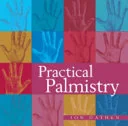
Jon Dathen’s *Practical Palmistry* arrives with a promise of accessible self-analysis, and for the most part, it delivers. The strength of this book lies in its straightforward methodology, especially the inclusion of life-size hand illustrations. This tactile approach is genuinely helpful for beginners trying to match their own palms to the diagrams illustrating personality types. However, the book’s dedication to simplicity occasionally borders on oversimplification. For instance, the section on the Fate Line, while clear, doesn't fully explore the nuances of how external factors might influence or alter one’s perceived destiny, a common consideration in more traditional palmistry systems. The clarity of the diagrams showing the mounts is a significant advantage, allowing for quick identification of key areas. Overall, *Practical Palmistry* serves as a competent, if not deeply scholarly, introduction to the subject.
📝 Description
82
Jon Dathen's 2003 book, Practical Palmistry, teaches hands-on hand analysis.
Practical Palmistry offers a direct method for understanding chiromancy, the art of interpreting the hand. Unlike purely theoretical texts, this work emphasizes practical application. It guides readers through identifying core personality traits and potential life paths by analyzing the mounts, lines, and markings on the palm. The book's design incorporates interactive elements, encouraging users to physically compare their hands to provided illustrations for immediate assessment. This guide is aimed at individuals curious about self-discovery through palmistry, particularly those seeking practical methods over esoteric lore. It suits beginners who want to learn the basics of reading palms for themselves and others. Those interested in divination, personality analysis, or exploring complementary spiritual practices will find this book accessible. It is also for anyone who has admired palm readers and wishes to gain an understanding of their techniques.
The book breaks down palmistry into digestible components. It focuses on the major and minor lines, such as the Life Line, Head Line, Heart Line, and Fate Line. It also details the mounts, including Venus, Jupiter, Saturn, Apollo, Mercury, Luna, and Mars, and various other signs like stars, crosses, and islands. It explains how these elements correlate with aspects of an individual's life, including relationships and career prospects.
Palmistry has ancient roots in traditions from India, China, and Greece. Jon Dathen's 2003 publication engages with this enduring practice. The early 21st century saw a continued interest in divination and esoteric studies, often fueled by New Age movements seeking accessible paths for personal growth. Dathen's approach aims to demystify palmistry for a contemporary audience, moving away from more complex historical systems towards a practical, user-friendly method.
💡 Why Read This Book?
• Gain an immediate understanding of your core personality type by physically comparing your hand to the life-size illustrations provided, a feature unique to this practical guide. • Learn to identify and interpret the major palm lines – Life, Head, and Heart – and understand their direct correlations to your relationships and career, as detailed in Chapter 3. • Discover the significance of the hand's mounts, such as Venus and Jupiter, and how their prominence, as explained in Chapter 4, relates to your innate drives and potential for success.
⭐ Reader Reviews
Honest opinions from readers who have explored this book.
❓ Frequently Asked Questions
How does Practical Palmistry differ from more complex historical palmistry systems?
Practical Palmistry focuses on accessibility for beginners, using clear illustrations and direct interpretations. It simplifies complex historical systems, prioritizing easy identification of personality traits and life indicators over the intricate astrological and elemental associations found in older traditions.
Can I really predict my future accurately with this book?
The book aims to provide insights into potential tendencies and inclinations based on palmistry, not definitive future predictions. It emphasizes understanding your personality and life path to make informed choices.
Are the hand illustrations in Practical Palmistry life-size?
Yes, the book features life-size, interactive hand illustrations designed to help readers easily match their own palms to the diagrams for personality analysis.
What are the main lines analyzed in this book?
Practical Palmistry focuses on the major lines: the Life Line, Head Line, Heart Line, and Fate Line, explaining what each signifies regarding health, intellect, emotions, and destiny.
Is this book suitable for someone with no prior knowledge of palmistry?
Absolutely. The book is designed for beginners, with clear diagrams and step-by-step instructions making it easy to grasp the fundamentals of palm reading.
What is the significance of the mounts on the palm according to this book?
The book explains that the mounts – such as the Mount of Venus, Jupiter, and Saturn – represent different innate qualities and potentials, like love, ambition, and wisdom, and their prominence offers clues to personality.
🔮 Key Themes & Symbolism
Line Interpretation Basics
The work meticulously breaks down the primary lines of the palm: the Life Line, Head Line, Heart Line, and Fate Line. Each line is presented with clear diagrams and associated meanings, offering readers concrete ways to understand aspects of their vitality, intellect, emotional landscape, and perceived destiny. The emphasis is on direct correlation, making the interpretation process less abstract and more directly applicable to personal self-assessment.
The Mounts as Personality Indicators
Dathen's approach highlights the significance of the mounts – fleshy pads at the base of fingers and palm edges. The book details the attributes associated with mounts like Venus (love, passion), Jupiter (ambition, leadership), and Saturn (wisdom, introspection). By comparing the prominence of these mounts on one's own hand to the provided illustrations, readers can gain insights into their dominant personality traits and inherent drives.
Interactive Self-Analysis
A central theme is the book's interactive design, featuring life-size hand illustrations. This encourages a practical, hands-on learning experience where readers physically place their hands over the images to identify corresponding features. This method aims to explain palmistry by making the identification of personality types and life path indicators an immediate and tangible process.
Applied Chiromancy
The book positions palmistry not just as a divinatory art but as a tool for practical self-understanding. It guides readers to apply chiromantic principles to understand their potential in areas like romance, career, and wealth. The focus is on actionable insights that can inform personal development and life choices, moving beyond mere fortune-telling.
💬 Memorable Quotes
Direct passages from the work, attributed to the author.
“Place your hand over the images presented to find the best match for your personality type.”
— This instruction captures the book's user-friendly, interactive design, emphasizing direct comparison and immediate self-assessment rather than abstract study.
“The Life Line tells you about your vitality and physical well-being.”
— This statement simplifies the interpretation of a key palm line, directly linking it to tangible aspects of health and energy, a core tenet of the book's practical approach.
“Identify the prominence of the Mount of Venus to understand your capacity for love and passion.”
— This highlights the book's method of using hand topography (mounts) to decode emotional and relational tendencies, offering specific insights into personal affections.
“Clear diagrams help you interpret the intricate markings found on your palm.”
— This points to the visual learning aids employed in the book, crucial for deciphering the complex patterns and symbols that chiromancy uses to convey meaning.
💡 Key Ideas
Editorial paraphrase of the work's core concepts — not direct quotes.
Your hand offers a map to understanding your career prospects.
This paraphrase emphasizes the book's view of the palm as a guide, suggesting that by reading its features, one can gain clarity on professional paths and potential achievements.
🌙 Esoteric Significance
Tradition
While palmistry has connections to Hermeticism and ancient philosophies, *Practical Palmistry* largely departs from strict adherence to any single esoteric lineage. It functions more as a practical guide to a folk divination practice, drawing on a broad, generalized understanding of hand interpretation that has evolved over centuries. Its significance lies not in upholding a specific tradition but in making a historically esoteric art form widely accessible.
Symbolism
The primary symbolism revolves around the lines and mounts of the hand. The Life Line, for instance, symbolizes vitality and physical constitution. The Mount of Venus represents love, passion, and sensuality, while the Mount of Jupiter is associated with ambition and leadership. These elements are interpreted as direct reflections of an individual's inherent nature and life trajectory, offering a symbolic language for self-understanding.
Modern Relevance
This work speaks to contemporary interest in self-discovery, mindfulness, and personality typing (e.g., MBTI, Enneagram). While not always cited directly, its accessible approach influences modern interpretations of palmistry found in popular psychology and wellness circles. Practitioners and enthusiasts seeking straightforward methods for personal insight often find this type of guide a useful starting point for exploring somatic or embodied divination.
👥 Who Should Read This Book
• Aspiring readers of palmistry seeking an uncomplicated entry point, who will benefit from the clear, comparative illustrations and direct interpretations of lines and mounts. • Individuals interested in personality assessment tools who want to explore a hands-on, visual method beyond traditional psychological profiling. • Those curious about divination practices looking for a foundational guide that clarifies chiromancy and offers practical applications for self-reflection.
📜 Historical Context
Published in 2003, Jon Dathen's *Practical Palmistry* emerged during a period of sustained interest in esoteric and self-help literature, influenced by the New Age movement. While palmistry itself boasts ancient roots, tracing back to Vedic India and Hellenistic Greece, Dathen's work represents a modern iteration focused on accessibility. It arrived in a landscape where spiritual seekers often favored practical, digestible techniques for personal growth over more academically rigorous or historically dense occult traditions. Contemporary authors like Doreen Virtue were popularizing accessible forms of divination, creating a receptive audience for guides that promised direct application. Unlike purely academic analyses of chiromancy or highly traditional grimoires, *Practical Palmistry* aimed to democratize the practice, making it a tool for everyday self-discovery rather than the exclusive domain of seasoned practitioners or scholars.
📔 Journal Prompts
The shape and length of your Life Line, as depicted in Chapter 3, and what this suggests about your energy levels.
The relative prominence of the Mount of Venus versus the Mount of Jupiter on your palm, and how this might influence your relationships and ambitions.
Reflect on the clarity of your Head Line and what it implies about your thinking patterns, according to the analysis in Chapter 4.
Consider the presence of any small markings (stars, crosses) on your palm, as outlined in the supplementary sections, and their potential significance.
How the Heart Line's curvature, detailed in Chapter 3, seems to align with your emotional expression in romantic contexts.
🗂️ Glossary
Chiromancy
The practice of divination or fortune-telling through the study of the palm of the hand. It involves interpreting the lines, mounts, and shape of the hand to gain insights into a person's character and future.
Mounts
The fleshy, raised pads on the palm, located at the base of each finger and below the thumb. Each mount is associated with a specific planet and corresponds to particular personality traits and potentials.
Life Line
A major line on the palm, typically curving around the base of the thumb. It is traditionally interpreted as relating to an individual's vitality, physical health, and major life events.
Head Line
A horizontal line across the palm, usually below the heart line. It is associated with intellect, mental abilities, learning style, and communication.
Heart Line
The uppermost horizontal line on the palm, running across the hand below the fingers. It is interpreted as representing emotional capacity, romantic relationships, and feelings.
Fate Line
A vertical line running up the palm, often from the base towards the fingers. It is traditionally associated with career, life path, and external influences on one's destiny.
Star
A marking on the palm consisting of several short lines crossing each other in a star shape. Its interpretation varies depending on its location, often signifying a specific event or influence.
This book appears in 1 collection
🔮 Readers Also Liked
Browse all →









From the “Palmistry” Collection
View all →








More Free Occult Philosophy Books
View all →