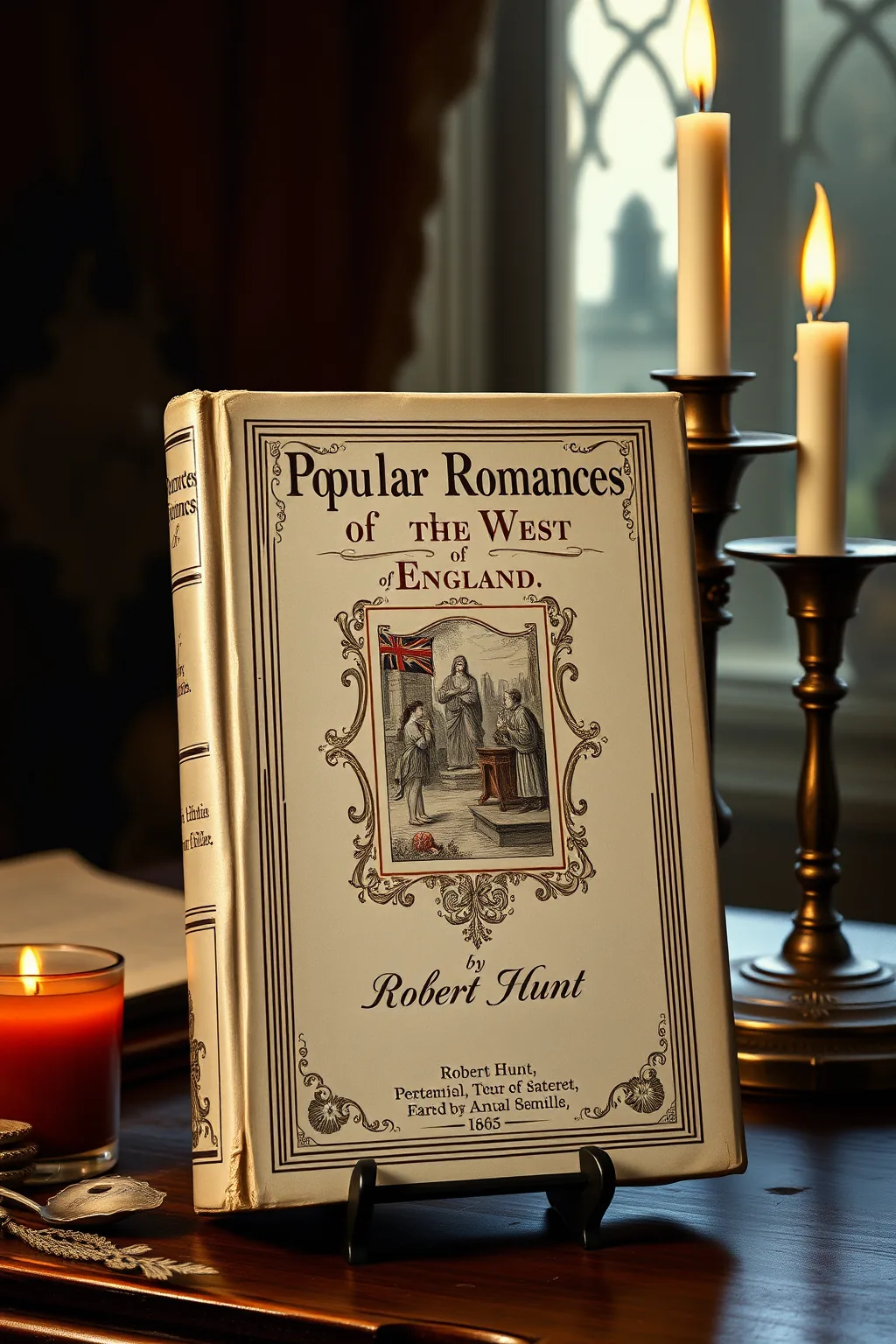
Popular Romances of the West of England
 82
82

Popular Romances of the West of England

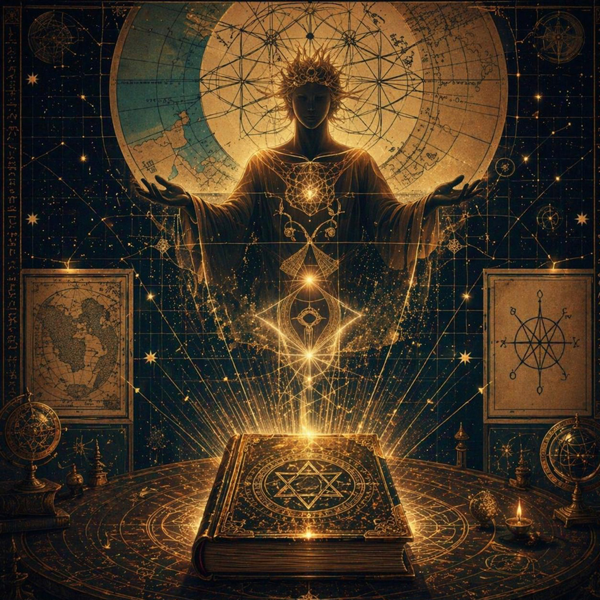

Robert Hunt's 'Popular Romances of the West of England' stands as a monumental achievement in the preservation of esoteric folklore. As Evander Ashcroft, I find its strength lies in its comprehensive cataloging of Cornish myth, legend, and superstition, presented with a scholarly yet deeply evocative Victorian sensibility. Hunt masterfully bridges the gap between academic antiquarianism and the raw, potent energy of oral tradition. The book offers invaluable insights into pre-Christian beliefs, Celtic survivals, and the practical magic woven into the daily lives of ordinary people. For practitioners and scholars of Western esotericism, it is an indispensable resource, illuminating the symbolic language and archetypal patterns that underpin many occult traditions. Its enduring appeal lies in its authentic voice, capturing the 'otherness' of a land saturated with unseen forces.
📝 Description
82
Robert Hunt published 'Popular Romances of the West of England' in 1865, collecting local folklore.
Robert Hunt's 1865 collection gathers the folklore of West England. It details superstitions, traditions, and oral narratives from Cornwall. The book includes stories of Arthurian legends, the magic associated with miners and fishermen, beliefs about witches, mermaids, and omens of death. Hunt compiled these elements from local stories and ballads. This work offers a look into a world where the magical and mundane intersect. It examines the collective unconscious and the persistence of myth.
The book serves as a guide to understanding the origins of Western esoteric thought. It highlights symbolism found in folk memory and the archetypal forces influencing human life. Readers can decipher the symbolic language of the land and its people. It is an exploration into the spirit of a culture rich in ancient mysteries.
Published in 1865, this collection taps into the Victorian interest in folklore and national identity. Hunt's work is an early example of documenting local belief systems that were seen as remnants of older, perhaps pagan, traditions. It provides source material for later developments in comparative mythology and occult studies by preserving narratives that might otherwise have been lost. The focus on elemental magic and local spirits connects it to broader currents of European folk magic and animistic beliefs.
✍️ Author
Robert Hunt
Everette Howard Hunt Jr. (October 9, 1918 – January 23, 2007) was an American intelligence officer and author.
💡 Why Read This Book?
This book is essential for seekers of hidden knowledge and scholars of Western esotericism. It provides direct access to the wellspring of Cornish folklore, revealing potent symbols, ancient beliefs, and the spiritual undercurrents of a unique region. Ideal for those who wish to understand the roots of magical thinking, the power of myth, and the enduring connection between landscape and the supernatural.
⭐ Reader Reviews
Honest opinions from readers who have explored this book.
❓ Frequently Asked Questions
What makes this book 'esoteric'?
Its compilation of folklore, superstitions, and legends reveals the hidden spiritual beliefs and magical practices of West England, offering insights into ancient worldviews and the symbolic language of the subconscious.
Is this book suitable for beginners in folklore studies?
Yes, while rich in detail, Hunt's accessible Victorian prose makes it an engaging entry point for those new to folklore, offering a gateway into complex traditions.
Does the book contain practical magical instructions?
While not a grimoire, it documents traditional beliefs and practices, offering inspiration and understanding of historical magical currents and their underlying symbolism.
What is the historical period covered by the folklore?
The book primarily focuses on traditions and beliefs prevalent in the 19th century, but many tales and superstitions have much older, often pre-Christian, origins.
Are Arthurian legends featured prominently?
Yes, the book includes significant Arthurian tales and local adaptations, exploring their connection to the West of England landscape and its mystical heritage.
🔮 Key Themes & Symbolism
Celtic & Pre-Christian Echoes
The collection delves deeply into the lingering presence of ancient Celtic beliefs and pre-Christian spiritual practices that permeated the West of England. Hunt meticulously records traditions surrounding sacred groves, holy wells, and earth deities, suggesting a continuous spiritual lineage distinct from dominant religious narratives. These elements reveal a worldview where nature was imbued with divine essence and where local deities and spirits held significant power, offering a glimpse into a pre-modern understanding of the sacred and its immanent presence in the landscape.
The Unseen World and Its Inhabitants
A central theme is the collection of beings that co-inhabit the world with humans, as perceived through folklore. This includes benevolent and malevolent spirits, elemental beings, mermaids, and the spectral figures of the departed. The book explores the complex relationships between humans and these entities, detailing superstitions, protective charms, and rituals believed to appease, ward off, or commune with them. This highlights a profound awareness of a multi-layered reality and the permeable boundaries between the physical and the spiritual realms.
The Symbolism of Place and Occupation
Hunt reveals how the landscape and the daily occupations of its people—mining and fishing—were deeply intertwined with spiritual beliefs and folklore. Specific geographical features often held legendary significance, and the dangers and triumphs of these professions were explained through supernatural intervention or the influence of local spirits. This theme underscores the idea that the environment itself is a repository of meaning and that human endeavor is constantly engaged in a dialogue with unseen forces, shaping both material and spiritual realities.
💬 Memorable Quotes
Direct passages from the work, attributed to the author.
“Superstition is the poetry of the common man.”
— This highlights the imaginative and symbolic richness found in everyday beliefs, even those deemed irrational, as a form of cultural expression.
“The sea has its secrets, and the land its spirits.”
— This captures the dualistic, yet interconnected, nature of the supernatural in the West of England, linking oceanic mysteries with terrestrial presences.
“Where the saint's foot trod, the holy well still springs.”
— This emphasizes the enduring power of sacred sites and the belief in the miraculous lingering in places touched by spiritual figures.
“The miner knows the earth's dark heart.”
— This speaks to the intimate, almost mystical, connection between the miner and the subterranean world, hinting at knowledge beyond the mundane.
💡 Key Ideas
Editorial paraphrase of the work's core concepts — not direct quotes.
The old tales are the dreams of a nation.
This quote suggests that folklore serves as a collective subconscious, expressing the deepest desires, fears, and archetypal narratives of a people.
🌙 Esoteric Significance
Tradition
This work is deeply rooted in the Western Esoteric Tradition, particularly its folkloric and animistic branches. It draws parallels with Celtic shamanism, pagan survivals, and the enduring belief in nature spirits and local deities. The collection also touches upon elements found in hermeticism through its emphasis on hidden knowledge and symbolic interpretation of the natural world, and its exploration of the collective unconscious aligns with Jungian psychology, a later development influenced by these ancient currents.
Symbolism
The symbolism is rich and many-sided, deeply embedded in the Cornish landscape and its historical narratives. Holy wells represent sources of spiritual renewal and healing, often linked to ancient pagan water cults. Arthurian tales symbolize ideals of kingship, chivalry, and the quest for a lost golden age. Witches and mermaids embody primal forces—the wild feminine, the untamed natural world, and the liminal spaces between land and sea, representing both enchantment and danger. Death omens serve as potent reminders of mortality and the interconnectedness of life and afterlife.
Modern Relevance
In an age often characterized by hyper-rationalism and digital disconnection, 'Popular Romances' offers a vital recalibration. It reminds us of the profound, often overlooked, spiritual dimensions of everyday life and the enduring power of myth and symbolism. For modern practitioners of witchcraft, neo-paganism, and animistic traditions, it provides a rich source of inspiration and a tangible link to ancestral practices. For scholars and seekers alike, it illuminates the archetypal patterns that continue to shape our world and our understanding of ourselves.
👥 Who Should Read This Book
This book is an essential acquisition for several distinct groups. Scholars of folklore, mythology, and comparative religion will find it an invaluable primary source, offering detailed accounts of regional beliefs. Practitioners of Western Esotericism, including neo-pagan, witchcraft, and animistic traditions, will discover a rich source of inspiration, symbolic motifs, and historical context for their practices. Seekers of hidden knowledge and those fascinated by the intersection of history, landscape, and the supernatural will be captivated by its rich narratives and evocative atmosphere. Even casual readers interested in the unique cultural heritage of the West of England will find themselves drawn into its spellbinding world.
📜 Historical Context
Published in 1865, Robert Hunt's 'Popular Romances of the West of England' emerged during the Victorian era, a period marked by a dual fascination with industrial progress and a romanticized yearning for the past. This era witnessed a surge in antiquarianism and folklore studies, as scholars sought to preserve oral traditions and local customs before they were swept away by modernization. The book reflects this zeitgeist, acting as a vital repository of 'dying' beliefs and narratives. Simultaneously, the Victorian interest in the occult, spiritualism, and the exotic provided fertile ground for the reception of such works, resonating with a desire to explore the mysteries of human consciousness and the unseen world.
📔 Journal Prompts
Reflect on a local legend or superstition from your own upbringing. What underlying fears or desires does it express?
Consider the 'spirits' of a place you know well. How might a folklorist interpret its unique character?
Imagine you are a Cornish miner or fisher from the 19th century. What superstitions would guide your daily life and work?
Explore the symbolism of a mermaid or a death omen in your own understanding of the world.
How do the ancient beliefs documented in this book resonate with contemporary spiritual seeking or environmental awareness?
🗂️ Glossary
Droll
A short, amusing, or quaint story, often characteristic of local or traditional humor, frequently with a supernatural or folk element.
Antiquarian
A person who studies or collects antiques or antiquities; one with a keen interest in history and ancient relics.
Arthurian Tales
Legends and stories centered around the mythical King Arthur, his knights, and the kingdom of Camelot, often featuring themes of chivalry, magic, and quests.
Superstition
A belief or practice resulting from ignorance, fear of the unknown, trust in magic or chance, or a false conception of causation.
Lore
A body of traditions and knowledge on a subject or held by a particular group, typically passed from person to person by word of mouth.
This book appears in 1 collection
🔮 Readers Also Liked
Browse all →









More by Robert Hunt
All books →
From the “Transcendental Meditation” Collection
View all →






More Free Esoteric History & Biography Books
View all →