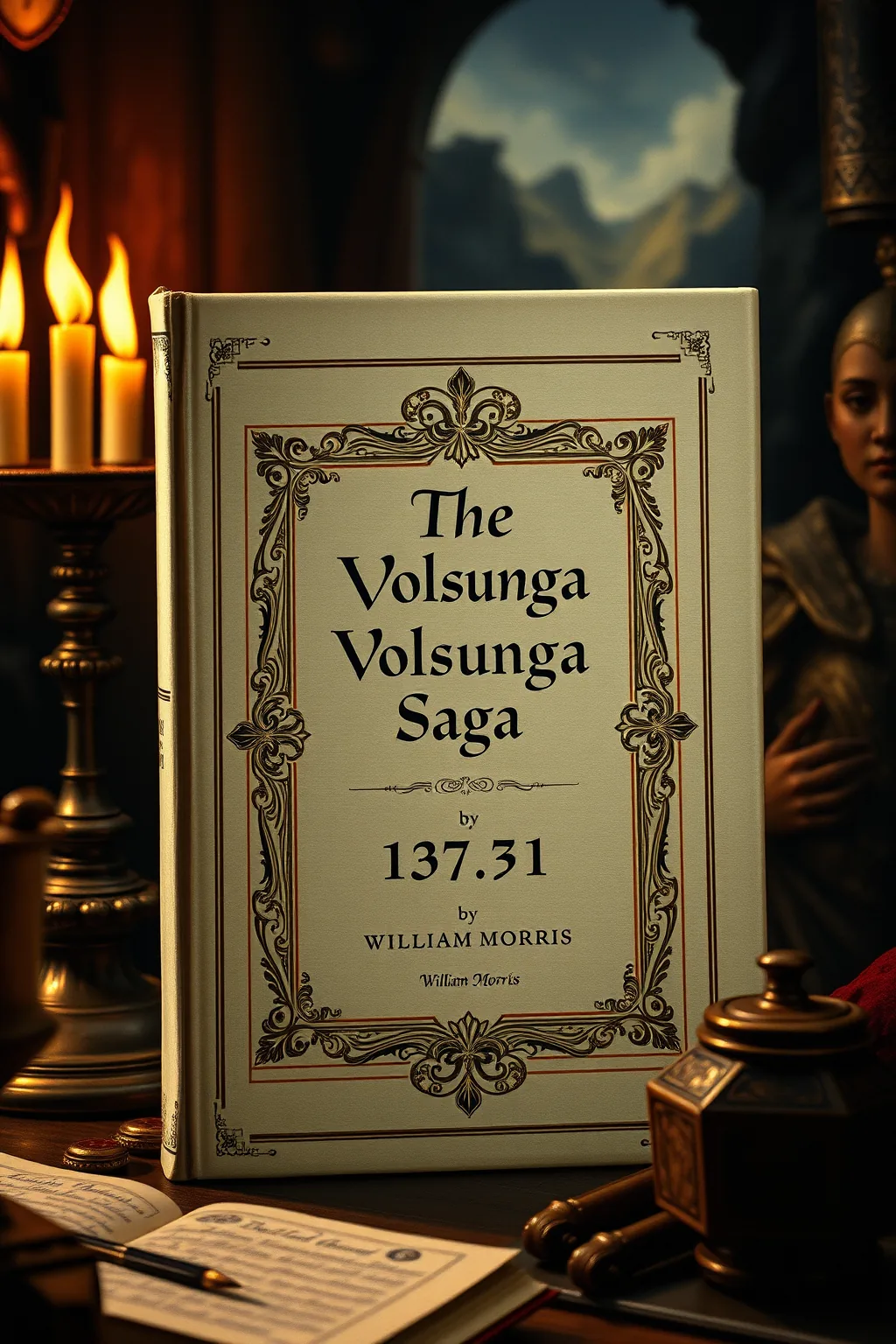
The Volsunga Saga
 81
81

The Volsunga Saga


William Morris and Eirikr Magnusson's rendition of The Volsunga Saga is an unparalleled portal into the vibrant, often brutal, cosmology of the Norse. This translation masterfully preserves the raw, elemental power of the original, offering readers not merely a story, but an immersion into a worldview steeped in divine intervention and grim fate. It illuminates the archetypal figures and potent symbolism that underpin much of Western esoteric thought, from the dragon's hoard to the cursed ring. Essential for scholars of mythology, practitioners of ancient traditions, and anyone drawn to the profound depths of heroic legend.
📝 Description
81
William Morris translated The Volsunga Saga from a 13th-century Icelandic manuscript.
William Morris and Eirikr Magnusson translated The Volsunga Saga, a key text from 13th-century Iceland. The story follows the Volsung clan, focusing on the hero Sigurd. His life is shaped by dragon's blood, cursed gold, and ancient prophecies.
Morris's translation renders the saga in vivid prose, bringing to life archetypal conflicts that have relevance across time. The narrative explores themes of fate, lineage, and the often destructive force of destiny. It reflects enduring human struggles and offers insight into the symbolic world of Norse tradition. The saga contains lessons on courage, betrayal, and the recurring patterns of power.
This work invites readers interested in heroic narratives and the symbolic language of the North. It provides a look into the wisdom of ancient cultures and the deeper aspects of the human experience.
The Volsunga Saga belongs to a tradition of heroic epic poetry that draws on pre-Christian Norse mythology. Its themes of fate, divine intervention, and the cyclical nature of power held a particular interest for figures in the late 19th and early 20th centuries who looked to ancient myths for spiritual or symbolic truths. William Morris, a key figure in the Arts and Crafts movement, also engaged with mythology and romance, seeing in these narratives a connection to older, more authentic ways of being and creating.
✍️ Author
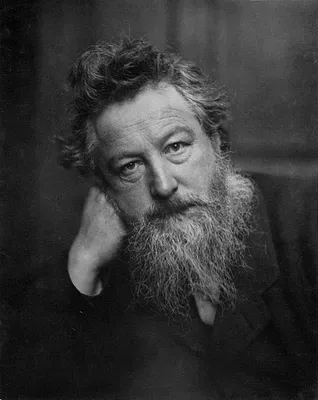
William Morris
William Morris (24 March 1834 – 3 October 1896) was an English textile designer, poet, artist, writer, and socialist activist associated with the British Arts and Crafts movement. He was a major contributor to the revival of traditional British textile art…
💡 Why Read This Book?
Uncover the potent symbolism and archetypal narratives that have shaped Western imagination for centuries. The Volsunga Saga offers a profound exploration of fate, heroism, and the human condition, steeped in the rich mystique of Norse mythology. Ideal for seekers of ancient wisdom, scholars of comparative mythology, and practitioners interested in the roots of heroic ideals and the power of narrative.
⭐ Reader Reviews
Honest opinions from readers who have explored this book.
❓ Frequently Asked Questions
What is the primary narrative focus of The Volsunga Saga?
The saga chronicles the tumultuous history and tragic destiny of the Volsung clan, centering on the life and adventures of the hero Sigurd, his encounters with mythical beasts, and the curse of the dragon's treasure.
What is the historical origin of the text?
The Volsunga Saga is a translation of a Norse saga believed to have been written in the late 13th century, drawing upon earlier oral traditions and heroic lays.
Who are the main translators of this edition?
This highly regarded English translation is by William Morris and Eirikr Magnusson.
Does the saga contain elements of magic or the supernatural?
Absolutely. The saga is replete with elements of Norse mythology, including dragons, gods, magical swords, and prophecies, all integral to the unfolding destiny of its characters.
What kind of reader would most appreciate The Volsunga Saga?
This work appeals to readers interested in Norse mythology, epic poetry, heroic sagas, ancient history, and the exploration of universal themes like fate, honor, and betrayal.
🔮 Key Themes & Symbolism
The Inexorable Hand of Fate
The Volsunga Saga is a profound meditation on destiny, portraying how the lives of its characters are inextricably bound by ancient prophecies and the will of the Norns. From the birth of each hero to their ultimate demise, the narrative emphasizes a cosmic order that often seems to operate beyond mortal control, highlighting the struggle against, and eventual acceptance of, predetermined paths. This theme resonates deeply with ancient philosophical inquiries into free will versus determinism, offering a powerful lens through which to examine the human experience of facing the inevitable.
The Corrupting Power of Treasure
Central to the saga is the cursed hoard of the dragon Fafnir, a symbol of immense wealth that brings with it discord, betrayal, and destruction. This narrative element explores the seductive yet ultimately destructive nature of material possessions and greed. The gold acts as a catalyst for conflict, fracturing familial bonds and leading heroes to their ruin, serving as an ancient cautionary tale about the spiritual cost of avarice. It speaks to the esoteric understanding that true wealth lies not in the material, but in wisdom and inner fortitude.
The Elements of Ancestral Lineage
The saga meticulously traces the lineage of the Volsungs, demonstrating how the actions and curses of ancestors profoundly influence the lives of their descendants. This emphasis on bloodlines and inherited destinies underscores a holistic view of existence, where the past is never truly gone but continues to shape the present. It reflects ancient beliefs in the enduring power of family honor and the spiritual weight of inherited legacies, suggesting that understanding one's roots is crucial for working through the present and future.
💬 Memorable Quotes
Direct passages from the work, attributed to the author.
“So is the gold that the dragon guarded, and the death-dew of the earth.”
— This evocative phrase links the cursed treasure directly to death and primal forces, underscoring its malevolent, ancient power and its inherent danger.
“He was the best of men, and the mightiest of them all.”
— A simple yet powerful proof of Sigurd's heroic stature, emphasizing his exceptional qualities and his central role as the saga's ultimate champion.
“The sword was bare, and it gleamed as it were a star.”
— This imagery elevates the sword to a celestial, almost divine, object, signifying its magical properties and its destined role in shaping heroic events.
💡 Key Ideas
Editorial paraphrase of the work's core concepts — not direct quotes.
Forsooth, a man must be true to his own kindred.
This quote highlights the paramount importance of loyalty and familial bonds within the Norse societal structure and the saga's narrative arc, even amidst betrayal.
There is no man that may escape his doom.
This quote captures the saga's pervasive theme of fate, suggesting the inescapable nature of destiny and the futility of resisting one's predetermined end.
🌙 Esoteric Significance
Tradition
The Volsunga Saga is a central to Germanic and Norse esoteric traditions. It offers clear insights into pre-Christian cosmology, shamanic practices (particularly through Odin's influence), and a worldview deeply intertwined with fate, runes, and the primal forces of nature. The saga's emphasis on ancestral spirits, the power of prophecy, and the cyclical nature of life and death aligns with ancient animistic and polytheistic beliefs, providing a rich source for understanding the spiritual range of Northern Europe.
Symbolism
Key symbols abound, including the World Tree (Yggdrasil, implied), the raven (associated with Odin and wisdom), dragons (representing primal chaos, greed, and ancient power), and the cursed ring (a potent symbol of fate, betrayal, and inherited burdens). The sword, Gram, is not merely a weapon but an extension of the hero's destiny, imbued with magical properties. Sigurd's blood tasting, which grants him understanding of the birds' speech, symbolizes a profound connection to the hidden knowledge of the natural world and the divine.
Modern Relevance
In contemporary times, The Volsunga Saga continues to resonate as a powerful exploration of archetypal human experiences: the struggle for purpose, the allure and danger of power, the complexities of love and betrayal, and the confrontation with mortality. Its themes of heroism, destiny, and the consequences of ambition offer timeless lessons for personal growth and ethical reflection. For practitioners, it provides a potent mythological framework for understanding courage, resilience, and the archetypal journey of transformation, making its wisdom accessible for modern seekers.
👥 Who Should Read This Book
The Volsunga Saga is an essential read for seekers of ancient wisdom, offering a direct conduit to the heart of Norse mythology and its profound philosophical underpinnings. Scholars of comparative mythology, folklore, and medieval literature will find it an invaluable primary source. Practitioners of esoteric traditions, particularly those interested in Germanic paganism, shamanism, or archetypal psychology, will discover a wealth of symbolic language and narrative inspiration. Even general readers drawn to epic tales of heroism, tragedy, and the enduring power of legend will be captivated by its raw, elemental narrative.
📜 Historical Context
The Volsunga Saga emerged from the rich oral traditions of medieval Scandinavia, likely taking its written form in the late 13th century. This period was marked by the waning of the Viking Age and the gradual Christianization of the Norse lands, yet the old pagan beliefs and heroic narratives remained deeply ingrained in the cultural consciousness. Sagas like this served as vital repositories of ancestral memory, preserving tales of gods, heroes, and the complex social and ethical codes of Germanic peoples. William Morris's translation in the late 19th century tapped into a Victorian fascination with medievalism and myth, reintroducing these powerful stories to a modern audience and influencing subsequent generations of writers and artists.
📔 Journal Prompts
Reflect on a time you felt a sense of inescapable fate. How did you navigate it, and what did you learn?
Consider the symbolism of the dragon's hoard in your own life. What 'treasures' hold power over you, and what are their potential costs?
Explore the concept of ancestral influence. How do the legacies of your predecessors shape your identity and choices?
Write a short piece from the perspective of one of the saga's secondary characters, offering their unique view of Sigurd's journey.
If you could wield a magical artifact like Sigurd's sword Gram, what qualities would it embody, and what purpose would it serve?
🗂️ Glossary
Norns
In Norse mythology, the three female beings who control destiny, tying the threads of fate for all living things from birth to death.
Volsung
The name of the legendary royal lineage central to the saga, descended from the god Odin, known for their heroic deeds and tragic destinies.
Fafnir
A dwarf who, through greed, transforms into a dragon to guard a cursed treasure hoard. He is a formidable antagonist defeated by Sigurd.
Gram
The magical sword wielded by Sigurd, famously broken and reforged, imbued with immense power and destined for heroic feats.
Runes
Ancient Germanic alphabets believed to possess magical properties and used for divination, inscription, and encoding esoteric knowledge.
This book appears in 1 collection
🔮 Readers Also Liked
Browse all →








From the “Transcendental Meditation” Collection
View all →







More Free Esoteric History & Biography Books
View all →