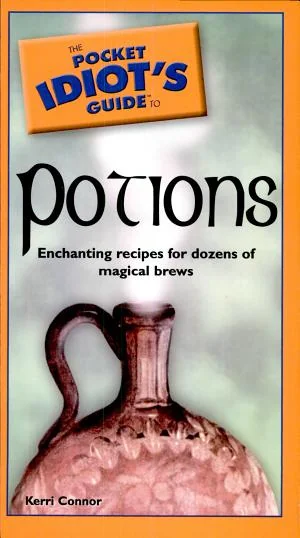
Pocket Idiot's Guide to Potions
 72
72

Pocket Idiot's Guide to Potions
Kerri Conner's Pocket Idiot's Guide to Potions arrives with an unassuming title but delivers a surprisingly thorough manual for aspiring alchemists. Its strength lies in its systematic breakdown of potion-making into manageable categories, from simple teas to more involved tinctures. The section on the magical uses of plants, while not exhaustive, provides a solid starting point for understanding ingredient correspondences. However, the guide's "Idiot's Guide" moniker, while intended for accessibility, sometimes undersells the depth of the practices discussed, occasionally bordering on oversimplification. The concept of "potable and non-potable potions" is particularly well-handled, offering crucial safety and application distinctions. For a beginner's text, it manages to touch upon the essential mechanics without getting bogged down in overly complex theory. It serves its purpose as a functional primer, though experienced practitioners may find it lacks significant new revelations.
📝 Description
72
Published in 2006, Kerri Conner's Pocket Idiot's Guide to Potions provides practical instructions for making magical elixirs.
This guide introduces potion-making for magical purposes, covering preparations like teas, infusions, oils, tinctures, and lotions. It aims to simplify complex alchemical and herbal practices for a broader audience. The book is suited for new magic practitioners, herbalism fans, and those interested in the history and practical use of alchemical preparations. Readers seeking clear, step-by-step directions for potion creation will find it helpful. It also benefits those interested in the magical applications of plants and the tools used in magic, such as cauldrons and vials. The guide assists anyone wanting to integrate elemental magic and herbal remedies into their personal or spiritual practices.
Conner's work delves into the core principles of crafting magical potions. It highlights the importance of both the physical ingredients and the directed intent behind their use. The book details how to prepare various liquid and semi-solid concoctions. It focuses on demystifying the alchemy and herbalism involved, making these practices accessible. The approach is designed to be straightforward, offering a clear entry point for beginners into the art of potion making.
Emerging in the early 2000s, a period that saw renewed interest in esoteric practices and self-directed spirituality, this guide tapped into a growing popular demand for accessible occult literature. It followed a trend of moving such topics beyond academic study into self-help formats. Conner's book appeared alongside authors like Scott Cunningham, who made witchcraft and herbalism more approachable for beginners. The "Idiot's Guide" series format itself lent a straightforward style to practices with historical roots in ancient alchemy and folk magic.
💡 Why Read This Book?
• Learn to prepare various potion types, including potable and non-potable formulations, as detailed in the book's practical recipes, moving beyond simple herbal teas to complex tinctures and oils. • Understand the magical properties of specific plants, a core concept explored in the guide, enabling you to select ingredients for targeted magical effects. • Master essential potion-making techniques like storing prepared potions for future use, ensuring the longevity and efficacy of your creations as outlined in the guide's concluding sections.
⭐ Reader Reviews
Honest opinions from readers who have explored this book.
❓ Frequently Asked Questions
What types of magical preparations are covered in Pocket Idiot's Guide to Potions?
The book covers a wide array of preparations including teas, infusions, oils, tinctures, lotions, and potable and non-potable potions, offering practical instructions for each.
Does the book explain the magical uses of plants?
Yes, a significant portion of the guide is dedicated to the magical uses of plants, detailing their properties and how to incorporate them effectively into potions.
What are the key tools discussed for potion-making?
Essential tools such as cauldrons, censers, and vials are discussed, with emphasis on their role and proper use in the potion-making process.
Is Pocket Idiot's Guide to Potions suitable for beginners?
Absolutely. The 'Idiot's Guide' series is known for its accessibility, and this book provides clear, step-by-step instructions for those new to potion-making.
When was Pocket Idiot's Guide to Potions first published?
The book was first published in 2006, placing it within a period of renewed popular interest in esoteric and practical magical arts.
Does the guide cover how to store potions?
Yes, the book includes practical advice on storing potions for later use, ensuring their potency and effectiveness over time.
🔮 Key Themes & Symbolism
Practical Potion Craft
This theme centers on the hands-on creation of magical concoctions. The book breaks down potion-making into digestible steps, covering everything from sourcing ingredients to the final preparation. It emphasizes the tangible aspects, detailing how to prepare various forms like teas, oils, and tinctures. The focus is on enabling readers to actively engage in the craft, explaining processes that might otherwise seem arcane. It provides the foundational knowledge for anyone wishing to move from theoretical understanding to practical application in their magical workings.
Herbal Magic Correspondences
A core aspect of the guide is the exploration of the magical properties inherent in plants. It serves as an introduction to understanding how different herbs, flowers, and roots can be utilized in potions to achieve specific magical outcomes. This theme links botanical knowledge with alchemical intent, teaching readers to select ingredients based on their energetic signatures and traditional associations. It encourages a deeper connection with the natural world as a source of magical power and efficacy for potion-making.
Distinguishing Potable vs. Non-Potable
This crucial theme addresses the safety and application of different types of potions. The guide clearly differentiates between concoctions meant for internal consumption (potable) and those intended for external use or ritualistic purposes (non-potable). This distinction is vital for responsible practice, ensuring readers understand the potential risks and appropriate uses of each category. It highlights the importance of intent and knowledge in handling magical substances, promoting a mindful approach to potion creation and application.
Alchemical Tools and Storage
The book touches upon the necessary equipment for potion-making, including tools like cauldrons and vials, framing them as integral to the alchemical process. It moves beyond simple ingredient lists to discuss the vessels and implements that facilitate the transformation of matter. Furthermore, it provides practical guidance on the proper storage of potions, emphasizing methods to preserve their magical potency and integrity over time. This theme underscores the holistic nature of potion craft, where both preparation and preservation are key.
💬 Memorable Quotes
Direct passages from the work, attributed to the author.
“Recipes for potions of all kinds; potable and non-potable potions.”
— This highlights the book's comprehensive approach to potion-making, distinguishing between those for consumption and those for external magical work, a critical safety and efficacy point.
“The magical uses of plants.”
— This indicates the guide's focus on the energetic and symbolic properties of botanicals, essential for understanding ingredient selection in alchemical preparations.
“Cauldrons, censers, and vials.”
— These are presented not just as containers but as tools integral to the alchemical process, suggesting a deeper engagement with the ritualistic aspects of potion creation.
“Storing potions for use another day.”
— This points to the practical advice offered on preservation, ensuring the efficacy and longevity of magical concoctions beyond immediate use.
“Yummy potions to do magical things.”
— This phrasing suggests an accessible and perhaps even enjoyable approach to potion-making, explaining it and making it appealing for everyday magical applications.
🌙 Esoteric Significance
Tradition
This work aligns broadly with Western Hermeticism and folk magic traditions, which often emphasize practical application and the use of natural ingredients for magical effect. It departs from more complex, theoretical alchemical texts by focusing on tangible potion-making for specific purposes. While not strictly adhering to the dense symbolism of high Hermeticism, it draws upon the underlying principle of sympathetic magic and the belief in the transformative power of prepared substances.
Symbolism
Key symbols include the **cauldron**, representing transformation, the womb, and the alchemical vessel where ingredients meld and change. **Vials** symbolize containment and preservation, holding potent essences for later use. The **plants** themselves are symbolic, each carrying correspondences tied to planetary energies, elements, and human needs, acting as conduits for natural magical forces.
Modern Relevance
Contemporary practitioners of green witchcraft, modern herbalism, and DIY magical arts often draw on the principles outlined in such accessible guides. Thinkers and communities focused on practical spellcraft, kitchen witchery, and accessible ritualism find value in Conner's clear methodologies. The work remains relevant for those seeking an uncomplicated entry into the creation of infused oils, tinctures, and other herbal preparations for spiritual or wellness purposes.
👥 Who Should Read This Book
• Aspiring potion-makers seeking a foundational guide with clear instructions on preparing various elixirs, from simple teas to complex tinctures. • Enthusiasts of herbalism interested in understanding the magical applications and correspondences of plants for use in their craft. • Individuals curious about practical alchemy and folk magic traditions who desire an accessible introduction to creating magical preparations.
📜 Historical Context
Published in 2006, Kerri Conner's Pocket Idiot's Guide to Potions emerged during a burgeoning period for accessible esoteric literature. The early 21st century saw a marked increase in interest in DIY spirituality and practical magic, fueled by online communities and a growing demand for 'how-to' guides. This era contrasted with earlier, more academic or strictly guarded traditions of alchemy and herbalism. While figures like Carl Jung had previously explored alchemy from a psychological perspective, Conner's work aimed at a popular audience, mirroring the accessibility trend seen in other "Idiot's Guide" series books. This period also saw the continued influence of popularizers of witchcraft and paganism, such as Scott Cunningham, who championed straightforward, practical approaches. The book's reception was likely part of this broader cultural embrace of accessible spiritual practices, moving occult topics from the fringe into mainstream self-help.
📔 Journal Prompts
Potion preparation methods: How might the techniques for preparing infusions differ from those for tinctures?
Magical uses of plants: Identify three common plants and research their traditional magical correspondences.
Potable vs. non-potable: What are the ethical considerations when creating and using non-potable potions?
Storage techniques: Explore methods for preserving the potency of herbal oils beyond the book's suggestions.
Cauldron and vial symbolism: Reflect on the personal meaning these alchemical tools hold for your practice.
🗂️ Glossary
Infusion
A preparation made by steeping plant material (like herbs or flowers) in hot or cold water to extract their soluble constituents and magical properties.
Tincture
A concentrated liquid preparation of medicinal or magical substances, typically made by macerating herbs in alcohol or another solvent.
Potable
Suitable or safe for drinking; referring to potions intended for internal consumption.
Non-potable
Not suitable or safe for drinking; referring to potions intended for external application, ritual, or other magical uses.
Cauldron
A large metal pot, traditionally used for cooking over an open fire, but in magical contexts, it serves as a sacred vessel for transformation and mixing.
Censer
A container, often ornate, in which incense is burned; used for purification, consecration, and creating sacred atmosphere.
Vial
A small container, typically made of glass, used for holding liquids, especially potent essences or potions for storage and application.
This book appears in 1 collection
🔮 Readers Also Liked
Browse all →









From the “Wicca” Collection
View all →





More Free Occult Philosophy Books
View all →