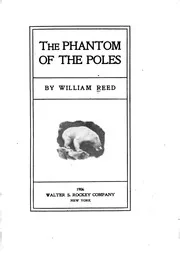
Phantom of the Auditorium

 75
75

Phantom of the Auditorium
R. L. Stine masterfully crafts an atmosphere of escalating dread in 'Phantom of the Auditorium,' leveraging the inherent drama of a school play to amplify suspense. The central premise, where a friend's intense acting role might be bleeding into reality, is a clever hook. Stine’s strength lies in his ability to generate unease through subtle events that could be easily dismissed, making Brooke's growing alarm palpable. However, the narrative occasionally leans on familiar Stine tropes, and the resolution, while satisfying for the target audience, might feel somewhat predictable to more seasoned mystery readers. The particular passage where strange props begin to appear inexplicably backstage effectively builds tension without resorting to overt supernatural displays. It’s a solid entry for young readers seeking a shivery, theater-tinged mystery.
📝 Description
75
R. L. Stine's 2011 novel, 'Phantom of the Auditorium,' pits a concerned student against a friend's unsettling stage obsession.
Brooke, a student at a high school preparing to stage 'The Phantom of the Opera,' grows worried about her friend Zeke's intense dedication to his role. Zeke's immersion in playing the phantom becomes increasingly disturbing as odd incidents begin to occur backstage. Brooke starts to suspect that something beyond mere acting is at work, a force that could jeopardize the entire production.
The novel taps into the anxieties surrounding live performance and the blurred lines between character and actor. Stine builds suspense through escalating events, keeping readers guessing whether the threats are real or a product of a troubled mind. The story unfolds within the confined, atmospheric setting of a theater, amplifying the sense of unease.
While not overtly occult, 'Phantom of the Auditorium' plays on the archetype of the theatrical phantom, a figure often associated with unseen forces and disruptive energies within a confined, ritualistic space. The novel’s premise echoes Gaston Leroux's 1910 work, which itself tapped into gothic and supernatural tropes surrounding the opera house. Stine uses this familiar framework to explore anxieties about the unknown and the psychological impact of intense focus, mirroring how certain traditions examine the power of focused intent and the potential for disruptive influences within concentrated environments like a stage.
💡 Why Read This Book?
• You will experience the unique blend of theatrical anxiety and supernatural suspense that R. L. Stine excels at, specifically within the 2011 context of his prolific career. • You will encounter the symbolic weight of the 'phantom' archetype as it infiltrates a school play, offering a fresh perspective on familiar theatrical lore. • You will feel the rising tension as Brooke investigates escalating backstage mishaps, a core element of Stine's suspense formula introduced around the time of the book's publication.
⭐ Reader Reviews
Honest opinions from readers who have explored this book.
❓ Frequently Asked Questions
Is 'Phantom of the Auditorium' a direct sequel to any other R. L. Stine books?
No, 'Phantom of the Auditorium' is a standalone novel. While it shares R. L. Stine's signature suspenseful style, it does not require prior knowledge of his other series like 'Goosebumps' or 'Fear Street'.
What is the main conflict in 'Phantom of the Auditorium'?
The central conflict revolves around Brooke's suspicion that a real phantom is haunting the school auditorium, threatening the production of 'The Phantom of the Opera,' and potentially endangering her friend Zeke.
Who are the main characters in 'Phantom of the Auditorium'?
The primary characters are Brooke, the protagonist who investigates the strange occurrences, and Zeke, her friend who is intensely playing the role of the phantom in the school play.
What age group is 'Phantom of the Auditorium' best suited for?
The book is generally recommended for middle-grade readers aged 8-12 or young adults who enjoy suspenseful mysteries, consistent with R. L. Stine's typical readership.
Does 'Phantom of the Auditorium' involve actual ghosts?
The narrative plays with the possibility of a real phantom, creating suspense around whether the events are supernatural or orchestrated by someone. The resolution addresses this ambiguity.
When was 'Phantom of the Auditorium' originally published?
'Phantom of the Auditorium' was first published on June 7, 2011, adding to R. L. Stine's extensive bibliography of young adult fiction.
🔮 Key Themes & Symbolism
The Unseen Threat
The novel masterfully cultivates a sense of dread through the unseen. The 'phantom' operates from the shadows of the auditorium, a space typically associated with performance and visibility. This theme explores how fear is amplified when the source of danger is unknown and intangible, mirroring anxieties about hidden forces disrupting perceived order. Brooke's investigation into these unseen occurrences reflects a common esoteric pursuit of understanding forces beyond immediate perception.
Performance and Obsession
Zeke's deep immersion into his role as the phantom raises questions about the boundary between acting and genuine psychological entanglement. This theme touches on the transformative power of performance and the potential for characters to lose themselves in their roles, a concept explored in various psychological and esoteric traditions concerning identity and persona. The escalating strange events surrounding Zeke’s performance blur the lines between the character he portrays and the reality of the school production.
The Auditorium as a Liminal Space
The school auditorium serves as a central setting, a liminal space where the ordinary world of school meets the extraordinary world of theater. This duality makes it a fertile ground for mysterious events. Traditionally, such spaces can be viewed as thresholds where different realities or states of being can manifest, echoing concepts found in ritualistic practices and folklore where specific locations become charged with potent energies.
Friendship Under Duress
Brooke's concern for Zeke forms the emotional core of the narrative. Her persistence in uncovering the truth, despite the unsettling nature of the events, highlights the strength of their friendship. This theme examines loyalty and protective instincts when faced with potential danger, underscoring how interpersonal bonds can be a source of courage and motivation in confronting mysterious or frightening circumstances.
💬 Memorable Quotes
Direct passages from the work, attributed to the author.
“Brooke became alarmed when scary things started happening backstage.”
— This core statement expresses the novel's central tension, where ordinary backstage chaos escalates into genuinely frightening events, prompting the protagonist's suspicion of a genuine phantom.
“Was Zeke getting too much into his phantom role?”
— This question highlights the ambiguity at the heart of the mystery: is the 'phantom' a manifestation of Zeke's intense acting, or is it something more sinister and supernatural?
“Strange props began appearing in unexpected places.”
— This specific example illustrates how the unsettling events manifest, using the tangible elements of a play's production to create a sense of unease and disruption.
“The show must go on, but at what cost?”
— This reflects the underlying theme of pressure and the potential dangers that can arise when a theatrical production is threatened, pushing characters to their limits.
“A real phantom might be out to stop the show.”
— This direct speculation by the protagonist frames the central mystery and the stakes involved in the school's theatrical endeavor, hinting at a supernatural antagonist.
🌙 Esoteric Significance
Tradition
While not overtly tied to a specific esoteric lineage like Hermeticism or Gnosticism, 'Phantom of the Auditorium' engages with themes common in folk magic and animistic beliefs. The idea of a 'phantom' haunting a specific location, like an auditorium, echoes traditional ghost stories and localized hauntings found in various cultures. The narrative plays on the concept of place-bound spirits or energies that can influence the living, a motif present in many spiritualist and parapsychological explorations.
Symbolism
The 'phantom' itself is a potent symbol of the unknown, the repressed, or the unseen forces that disrupt the mundane. In the context of the auditorium, it symbolizes the hidden aspects of performance and the potential for the 'other side' of the stage to intrude upon the 'real' world. The theater itself, as a space of illusion and transformation, becomes a symbolic battleground between perceived reality and hidden influences, mirroring esoteric concepts of veils between worlds.
Modern Relevance
Contemporary explorations of hauntings, parapsychology, and the psychology of fear in media continue to draw on archetypes like the phantom. This novel's approach, blending psychological suspense with the possibility of the supernatural for a young audience, appeals to modern creators exploring themes of liminal spaces and unexplained phenomena in entertainment. It provides a foundational narrative for understanding how anxieties about the unseen are presented and consumed by younger generations.
👥 Who Should Read This Book
• Young readers aged 8-12 seeking an engaging mystery with a suspenseful, slightly spooky edge, familiar with R. L. Stine's accessible storytelling style. • Aspiring young actors or theater enthusiasts who enjoy narratives set behind the scenes of a play, offering a dramatic and mysterious take on stage productions. • Fans of classic 'whodunit' or 'whydunit' mysteries who appreciate a build-up of clues and suspense within a contained, relatable environment like a school.
📜 Historical Context
Published in June 2011, 'Phantom of the Auditorium' arrived in a vibrant young adult literature market, dominated by mega-sellers like Suzanne Collins's 'The Hunger Games' series. R. L. Stine, already a household name for his 'Goosebumps' series since the 1990s, continued to offer his brand of age-appropriate suspense. The novel taps into the enduring fascination with Gaston Leroux's 1910 novel, 'The Phantom of the Opera,' a classic of French Gothic literature, and its numerous adaptations, demonstrating the archetype's persistent appeal. While Stine's work typically operates outside the more literary or experimental currents of the time, such as the rise of 'New Adult' fiction, he maintained a significant readership by consistently delivering thrilling narratives tailored for younger audiences. Reception for Stine's work, while not typically subject to academic literary criticism in the same vein as more 'literary' authors, was always characterized by strong sales and widespread popularity among its target demographic.
📔 Journal Prompts
The escalating backstage mishaps and Brooke's suspicions.
Zeke's intense embodiment of the phantom role.
The auditorium as a stage for both performance and potential haunting.
Brooke's process of investigating the strange occurrences.
The blurred lines between acting and perceived reality.
🗂️ Glossary
Phantom
In this context, refers to a mysterious figure haunting the school auditorium, potentially a ghost or someone deliberately creating disturbances during the play's production.
Auditorium
The main venue for the school play, serving as the central setting where the mysterious events unfold, symbolizing a space between the ordinary and the extraordinary.
Backstage
The area behind the stage of a theater, typically unseen by the audience, where props, sets, and actors prepare. It becomes a focal point for the mysterious events in the book.
School Play
The production of 'The Phantom of the Opera' at the center of the plot, providing the context for the escalating suspense and character interactions.
Props
Objects used on stage during a play. In the novel, their mysterious appearance or disappearance contributes to the unsettling atmosphere.
Protagonist
The main character, Brooke, whose perspective drives the narrative as she tries to uncover the truth behind the strange happenings.
Suspense
A literary device used to create anticipation and tension, making readers eager to discover what happens next, a hallmark of R. L. Stine's writing.
This book appears in 1 collection
🔮 Readers Also Liked
Browse all →







From the “Apparitions” Collection
View all →



More Free Supernatural & Occult Fiction Books
View all →