Past-Life and Karmic Tarot
 81
81

Past-Life and Karmic Tarot
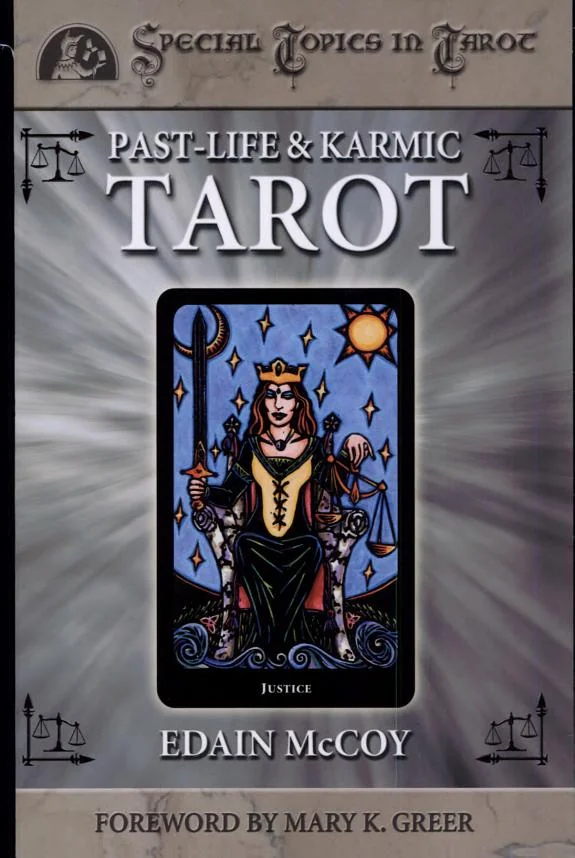
Edain McCoy's Past-Life and Karmic Tarot presents a focused, if somewhat niche, application of tarot symbolism. McCoy's strength lies in her ability to re-contextualize familiar archetypes within the framework of reincarnation and karma, offering a fresh lens for seasoned practitioners. The detailed spreads designed for uncovering past-life connections are particularly well-conceived. However, the book sometimes leans heavily on assertion without extensive empirical backing, a common challenge in this genre. A passage discussing how the Tower card might represent a past-life trauma requiring a soul's careful integration, rather than mere present-day disruption, exemplifies McCoy's unique approach. While not a beginner's guide, it provides a solid, albeit specialized, framework for those already familiar with tarot basics and interested in karmic causality.
📝 Description
81
Edain McCoy's 2004 book links tarot symbolism to past-life influences and karmic patterns.
Past-Life and Karmic Tarot, published in 2004, presents a unique method for interpreting tarot cards. McCoy suggests that recurring life issues may originate from unresolved concerns carried over from previous existences. The book guides readers to use card imagery and specific spreads to identify these past-life connections and karmic debts.
This work is intended for tarot practitioners who wish to go beyond standard readings. It will appeal to individuals interested in reincarnation, karma, and soul progression as ways to understand their life paths. Those with an interest in esoteric psychology or subtle body concepts will also find practical applications for McCoy's approach.
McCoy's book appeared in the early 2000s, a time when New Age spirituality and esoteric studies remained popular. It builds on earlier work on past lives by figures like Edgar Cayce and Carl Jung's psychological theories. During this period, specialized tarot decks and books proliferated, and McCoy's contribution stood out by directly connecting tarot symbolism to karmic and past-life dynamics, differentiating it from general divination guides.
💡 Why Read This Book?
• Gain a unique interpretive framework for tarot cards, specifically understanding how archetypes like The Hanged Man might signify unresolved karmic lessons from past existences, a perspective less common in standard tarot literature. • Learn to utilize specialized spreads, such as the 'Karmic Retribution Spread', designed to identify specific karmic patterns or past-life influences that may be impacting your current life circumstances. • Explore the concept of soul progression through tarot, allowing you to view recurring life challenges as opportunities for healing and growth rooted in previous incarnations, as detailed in McCoy's thematic analysis.
⭐ Reader Reviews
Honest opinions from readers who have explored this book.
❓ Frequently Asked Questions
What is the primary difference between Past-Life and Karmic Tarot and general tarot reading?
General tarot reading focuses on present circumstances and future possibilities. Past-Life and Karmic Tarot, as presented by Edain McCoy, specifically interprets cards and spreads to reveal influences and lessons carried over from previous lives and karmic cycles.
Does Edain McCoy provide specific tarot spreads for past-life readings?
Yes, the book offers several custom spreads designed for exploring past-life connections and karmic patterns. These are intended to help readers identify specific influences from former existences.
Is this book suitable for absolute beginners to tarot?
While the book introduces concepts related to past lives and karma, it assumes a foundational understanding of basic tarot card meanings and spread construction. It is more suited for those with some prior tarot experience.
What does the book suggest about the 'Karmic Retribution Spread'?
The 'Karmic Retribution Spread' is presented as a tool to identify specific areas where an individual might be experiencing the consequences of past actions or unresolved issues from previous lives, guiding them toward resolution.
When was Past-Life and Karmic Tarot first published?
Edain McCoy's Past-Life and Karmic Tarot was first published in 2004, placing it within the early 2000s wave of specialized esoteric literature.
How does the book connect tarot archetypes to karma?
The book interprets tarot archetypes, such as those represented by the Major Arcana, as symbolic expressions of karmic lessons, soul contracts, and patterns of behavior that may originate from past lifetimes.
🔮 Key Themes & Symbolism
Karmic Debt Identification
The work posits that certain tarot cards and their positions within specific spreads can highlight areas of 'karmic debt.' This isn't about punishment, but about recognizing patterns of behavior or unresolved issues from past existences that require attention for soul growth. McCoy suggests that understanding these patterns through tarot provides a roadmap for addressing them in the present life, facilitating healing and forward momentum on the soul's journey.
Past-Life Echoes in Archetypes
McCoy's approach interprets the traditional archetypes of the tarot deck as potential reflections of experiences and roles played in former lives. For instance, a card like The Emperor might not just signify present authority issues, but could point to a past-life experience of leadership or its abuse. This allows readers to connect with their personal history on a soul level, understanding current challenges as traces of past incarnations.
Soul Progression Through Tarot
The core philosophy is that life's challenges, when viewed through the lens of past lives and karma, are opportunities for soul progression. Tarot becomes a tool not merely for prediction, but for self-understanding and spiritual development. By analyzing past-life influences and karmic patterns revealed by the cards, individuals can consciously work towards resolving these issues, thereby advancing their spiritual evolution and fulfilling their soul's purpose.
Specialized Spread Design
A significant contribution of the book is its introduction of unique tarot spreads specifically crafted for past-life and karmic analysis. These spreads move beyond general divination layouts, aiming to isolate influences from prior existences. Examples include spreads designed to pinpoint karmic ties, past-life origins of specific fears, or the nature of karmic lessons currently being faced.
💬 Memorable Quotes
Direct passages from the work, attributed to the author.
“The cards that appear in a past-life reading are not meant to condemn us, but to inform us.”
— This interpretation highlights McCoy's emphasis on tarot as a tool for self-awareness and understanding, rather than a deterministic judgment. The focus is on gaining knowledge about one's karmic path to facilitate growth and resolution.
“The Fool card might represent a soul's initial leap into incarnation, carrying the potential for all subsequent lessons.”
— This interpretation suggests viewing the Fool archetype not just as innocence, but as the foundational energetic impulse for beginning a cycle of lives, carrying the seeds of future karmic experiences and learning.
“The Tower card's upheaval can signify a past-life trauma that needs integration, not just present disruption.”
— This interpretation re-frames a challenging tarot card. It suggests that the destructive imagery of The Tower might represent deep-seated, past-life originating trauma that requires careful psychological and spiritual integration in the present.
💡 Key Ideas
Editorial paraphrase of the work's core concepts — not direct quotes.
Recurring themes in your life may be traces of unfinished business from previous incarnations.
This paraphrased concept underscores the book's central premise: that persistent life patterns or challenges are not random but can be understood as unresolved energies or lessons carried across lifetimes, which tarot can help illuminate.
Understanding your karmic path allows for conscious participation in your soul's evolution.
This paraphrased concept emphasizes agency and purpose. By using tarot to comprehend karmic influences, individuals can actively engage with their spiritual development, making informed choices that align with their soul's growth.
🌙 Esoteric Significance
Tradition
This work draws heavily from Western Esotericism, particularly its modern iterations influenced by Theosophy and New Age thought, which widely incorporate concepts of karma and reincarnation. McCoy bridges traditional tarot symbolism with these spiritual frameworks, positioning the cards as tools for understanding soul evolution. It departs from purely predictive or psychological interpretations by rooting card meanings in a cyclical view of existence, aligning with philosophies that see life as a continuous process of learning and karmic balancing.
Symbolism
Key symbols include archetypal figures of the Major Arcana, which McCoy interprets as representations of souls or karmic roles from past existences. For example, the figure of The Hierophant might be seen as a past-life connection to religious or educational authority. The concept of 'karmic debt' itself acts as a symbolic framework, suggesting that certain cards appearing in specific positions signify imbalances that need rectifying for spiritual progress.
Modern Relevance
McCoy's approach continues to resonate with contemporary practitioners interested in depth psychology and soul-centered spirituality. Modern esotericists and tarot readers, particularly those engaged with concepts like soul contracts, ancestral healing, and personal transformation through self-knowledge, find value in her methods. Her work informs current discussions on how past-life influences shape present-day experiences and can be accessed through symbolic systems like the tarot.
👥 Who Should Read This Book
['• Tarot practitioners seeking to expand their interpretive toolkit beyond standard readings, particularly those interested in the concepts of reincarnation and karma.', '• Individuals exploring personal challenges or recurring life patterns who are open to understanding them through a karmic or past-life lens.', '• Students of esoteric traditions interested in how Western occult symbolism, like that found in tarot, can be applied to metaphysical concepts of soul development and destiny.']
📜 Historical Context
Edain McCoy's Past-Life and Karmic Tarot, published in 2004, arrived during a vibrant period for esoteric literature, following the New Age boom of the late 20th century. It built upon established interest in reincarnation, notably fueled by figures like Edgar Cayce, and psychological concepts of the unconscious, such as those explored by Carl Jung. In the field of tarot, while many authors focused on traditional divination, McCoy's work carved a specific niche by integrating karmic philosophy and past-life regression concepts into card interpretation. This approach distinguished it from contemporary authors like Rachel Pollack, who often focused on broader symbolic interpretations, or Doreen Virtue, who was popularizing angelic themes. The book's reception was generally positive within circles interested in esoteric psychology and alternative spiritual frameworks, though it remained a specialized text rather than a mainstream bestseller. Its focus on karma and past lives tapped into enduring spiritual questions about destiny and personal responsibility.
📔 Journal Prompts
The 'Karmic Debt Identification' section and its relation to your current life challenges.
Reflect on a recurring life pattern and consider how the 'Past-Life Echoes in Archetypes' concept might apply.
Explore the potential meaning of The Empress card within the context of past-life influences discussed.
How might the idea of 'Soul Progression Through Tarot' inform your approach to difficult life events?
Consider a specific card's traditional meaning and imagine how it could represent a 'karmic lesson' as per McCoy's framework.
🗂️ Glossary
Karmic Debt
In the context of this book, karmic debt refers to unresolved issues, patterns of behavior, or energetic imbalances carried over from past lives that require attention and resolution for spiritual growth in the present life.
Past-Life Influence
The concept that experiences, roles, or unresolved situations from previous incarnations can subtly or significantly affect an individual's personality, challenges, and life path in their current existence.
Soul Progression
The idea that the soul evolves through successive lifetimes, learning lessons and resolving karmic issues, with each life contributing to its overall spiritual development and journey toward higher consciousness.
Archetypal Interpretation
Applying the symbolic meanings of tarot archetypes (e.g., The Magician, The Crone) to understand potential roles, experiences, or lessons originating from past lives, rather than solely focusing on present circumstances.
Karmic Retribution Spread
A specific tarot spread designed by the author to help identify and understand the specific karmic consequences or lessons an individual may be experiencing in their current life due to actions or unresolved issues from past lives.
Unfinished Business
Refers to unresolved emotional, spiritual, or energetic matters from previous incarnations that may manifest in the current life as recurring patterns, obsessions, or challenges needing completion.
Reincarnation
The philosophical or religious concept that the non-physical essence of a living being begins a new life in a different physical form or entity after biological death, often involving karmic cycles.
This book appears in 1 collection
🔮 Readers Also Liked
Browse all →









From the “Karma” Collection
View all →








More Free Occult Philosophy Books
View all →