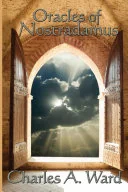
Oracles of Nostradamus
 76
76

Oracles of Nostradamus
Charles A. Ward's 'Oracles of Nostradamus' endeavors to provide a structured analysis of the famous seer's predictions, moving beyond mere sensationalism. The book's strength lies in its attempt to contextualize Nostradamus's quatrains within a historical framework and explore interpretive methodologies. Ward is particularly keen on examining prophecies that extend beyond the commonly cited 20th century, a point of interest for many followers of predictive arts. However, the work occasionally struggles with presenting a fully cohesive argument, sometimes feeling more like a compilation of observations than a singular thesis. A particularly compelling section involves the discussion of specific quatrains and their purported alignment with events like the French Revolution, offering concrete examples of interpretive challenges. Despite its occasional unevenness, Ward's effort provides a grounded look at a figure often shrouded in myth. The book offers a thoughtful, if not entirely definitive, exploration for those seeking to understand the mechanics behind Nostradamus's enduring appeal.
📝 Description
76
Charles A. Ward's 1999 book examines the prophecies attributed to Michel de Nostredame.
Oracles of Nostradamus by Charles A. Ward analyzes the prophecies of the 16th-century seer Michel de Nostredame. Ward scrutinizes the structure and content of Nostradamus's quatrains, considering their possible interpretations and historical settings. The book looks at the methods Nostradamus used and how accurate his predictions are claimed to be, particularly those that extend to modern times. Ward's work offers a broad view of the prophetic tradition tied to Nostradamus, comparing it with other historical methods of forecasting.
The author places Nostradamus within the intellectual and spiritual context of the Renaissance. This era saw considerable changes in religious ideas, scientific thought, and political events across Europe. Nostradamus published his 'Centuries' beginning in 1555, a time when astrological almanacs and prophetic writings were common. Ward's study, released in 1999, revisits these prophecies as the new millennium began, a period often marked by keen interest in future forecasts.
This book engages with the tradition of Western esotericism, specifically the lineage of predictive arts and prophecy. It examines a figure whose work has long been associated with occult interpretations and the search for hidden meanings in symbolic language. By analyzing Nostradamus's quatrains, Ward touches upon the historical practice of divination and the human desire to understand or anticipate future events, placing it within a broader context of mystical and philosophical inquiry that has characterized esoteric thought for centuries.
💡 Why Read This Book?
• Gain an understanding of the interpretive methods applied to Nostradamus's quatrains, as detailed in Ward's analysis, offering insight into how prophetic texts are decoded. • Explore the specific historical context of the Renaissance and its influence on prophetic writing, learning how figures like Nostradamus operated within their era. • Examine the unique challenge Nostradamus's prophecies pose regarding events beyond the year 2000, providing a specific chronological focus absent in broader divination texts.
⭐ Reader Reviews
Honest opinions from readers who have explored this book.
❓ Frequently Asked Questions
What is the primary focus of Charles A. Ward's "Oracles of Nostradamus"?
The book focuses on analyzing the prophecies of Michel de Nostradame, particularly their structure, interpretation, and historical context. Ward examines the quatrains and discusses their potential relevance to events extending beyond the 20th century.
When was "Oracles of Nostradamus" by Charles A. Ward first published?
Charles A. Ward's "Oracles of Nostradamus" was first published in 1999, a period of heightened interest in future predictions as the millennium approached.
Does the book claim Nostradamus predicted events after the year 2000?
Yes, the book specifically addresses the popular notion and the author's exploration of Nostradamus's prophecies extending beyond the year 2000, differentiating it from analyses that stop at the 20th century.
What are Nostradamus's "quatrains"?
Quatrains are four-line verses, the poetic form in which Nostradamus composed his prophecies. Ward's work analyzes these specific verse structures and their enigmatic content.
Who was Michel de Nostredame?
Michel de Nostredame, commonly known as Nostradamus, was a French astrologer and physician who lived in the 16th century. He is famous for his book 'Les Prophéties', a collection of prophecies written in quatrains.
What is the historical period discussed in relation to Nostradamus?
The book discusses Nostradamus in the context of the Renaissance, specifically the 16th century in Europe, a time of significant intellectual, religious, and political change.
🔮 Key Themes & Symbolism
The Quatrains of Nostradamus
The core of Ward's analysis revolves around the quatrains, the four-line verses Nostradamus used to record his visions. This theme explores the deliberate ambiguity and symbolic language employed, making them open to myriad interpretations across centuries. The book examines how these verses, first published in 1555, have been scrutinized for predictions ranging from astrological conjunctions to political upheavals. Ward's work seeks to understand the structural and linguistic devices that contribute to their enduring mystique and their adaptability to vastly different historical events, posing questions about intentionality and foresight.
Prophecy and the Future
This theme addresses the fundamental human fascination with foretelling the future, using Nostradamus as a primary case study. Ward's work specifically engages with the perceived temporal reach of these prophecies, particularly the popular interest in predictions extending beyond the year 2000. It contrasts Nostradamus's purported foresight with other methods of divination and prognostication prevalent throughout history. The exploration explores the psychological and cultural conditions that foster belief in prophecy, especially during times of uncertainty or societal transition, highlighting the seer's role in offering perceived guidance.
Renaissance Esotericism
Ward situates Nostradamus within the intellectual currents of the 16th-century Renaissance. This theme examines how Renaissance thinkers blended elements of astrology, alchemy, and Hermetic philosophy, creating a unique spiritual landscape. Nostradamus's work is presented not in isolation but as a product of this era, influenced by its occult traditions and its burgeoning scientific curiosity. The book explores the milieu in which such prophetic texts were created and received, touching upon the interplay between established religious doctrines and emergent esoteric beliefs that characterized the period.
Interpretation and Accuracy
A central concern is the challenge of interpreting Nostradamus's prophecies and assessing their claimed accuracy. This theme scrutinizes the methods used by proponents and skeptics alike to link quatrains to historical events. Ward discusses how vague language, symbolic imagery, and the passage of time contribute to the fluid nature of these interpretations. The book questions whether the perceived accuracy is a result of genuine foresight or a posteriori fitting, examining the criteria by which prophetic success is judged and the inherent difficulties in validating such claims objectively.
💬 Memorable Quotes
Direct passages from the work, attributed to the author.
“Nostradamus and other prophets do not prophecy beyond the year 2000.”
— This statement, presented as a core premise, highlights a specific temporal boundary often associated with Nostradamus's predictions in popular lore, setting a unique scope for the book's analysis.
“Nostradamus is the most popular and probably the most accurate.”
— This assertion frames Nostradamus as a preeminent figure in the history of prophecy, suggesting a comparative evaluation of his influence and perceived reliability against other seers.
“The book examines their potential interpretations and historical contexts.”
— This interpretation points to the dual focus on understanding the meaning of the prophecies and understanding the circumstances under which they were created and later applied.
“The analysis situates Nostradamus within the intellectual and spiritual climate of the Renaissance.”
— This highlights the historical grounding of the work, placing the seer's activities within the specific cultural and philosophical milieu of 16th-century Europe.
💡 Key Ideas
Editorial paraphrase of the work's core concepts — not direct quotes.
The work explores the structure and content of Nostradamus's quatrains.
This paraphrased concept emphasizes the analytical approach taken by Ward, focusing on the poetic form and substance of the prophecies themselves rather than solely on their supposed outcomes.
🌙 Esoteric Significance
Tradition
This work engages with the Western esoteric tradition, specifically the lineage of prophetic literature and astrological interpretation that flourished from antiquity through the Renaissance. Nostradamus's methods, rooted in astrological calculation and alleged divine inspiration, align with Hermetic principles of correspondence and hidden knowledge. Ward's examination positions Nostradamus as a key figure within this stream, bridging medieval divination practices with a more systematic, albeit cryptic, approach to forecasting that influenced later occultists and futurists.
Symbolism
Central to Nostradamus's prophecies are symbols drawn from astrology, mythology, and historical events, all filtered through a Renaissance lens. The 'Great Conjunctions' are recurring motifs, referring to significant alignments of planets believed to herald major world changes. The imagery often involves animals (like the eagle or the lion) representing nations or leaders, and natural disasters (floods, fires) symbolizing periods of upheaval. These symbols function as a cipher, requiring knowledge of esoteric traditions and historical parallels to unlock their purported meanings.
Modern Relevance
The enduring appeal of Nostradamus, as explored in Ward's work, continues to influence contemporary esoteric circles and popular culture. Modern interpreters often draw upon his quatrains to make sense of current geopolitical events, technological advancements, and perceived societal shifts. Thinkers in fields ranging from ufology to conspiracy theory sometimes reference Nostradamus, demonstrating how his prophecies are recontextualized to fit new anxieties and worldviews, illustrating the adaptability of ancient predictive frameworks to contemporary concerns.
👥 Who Should Read This Book
• Students of Western Esotericism: Individuals interested in the history of prophecy, astrology, and Hermeticism will find Ward's contextualization of Nostradamus valuable. • Researchers of Divinatory Arts: Those studying the evolution of predictive techniques and their cultural impact will benefit from an analysis of Nostradamus's quatrains and their interpretation. • Enthusiasts of Historical Prophecy: Readers fascinated by the enduring legacy of figures like Nostradamus and the ongoing debate surrounding the accuracy of their predictions will find this book engaging.
📜 Historical Context
Charles A. Ward's analysis of Nostradamus emerges from a long tradition of interpreting the seer's cryptic quatrains, a practice that gained significant traction during the Renaissance. Michel de Nostredame published his 'Centuries' starting in 1555, a period marked by intense astrological interest and religious ferment across Europe. The 16th century saw the flourishing of Hermeticism and Neoplatonism, philosophies that often sought to reconcile esoteric knowledge with Christian doctrine. Ward's own work, first published in 1999, was released at a time of renewed global anxiety and interest in eschatological predictions, mirroring the societal conditions that fueled Nostradamus's original popularity. Unlike purely academic analyses, Ward's approach engages with the popular fascination that has kept Nostradamus relevant, a fascination also explored by contemporary occultists and historians of prophecy.
📔 Journal Prompts
The ambiguity of Nostradamus's quatrains:
The significance of Renaissance astrological beliefs:
Interpreting prophetic timelines beyond the year 2000:
The role of symbolism in prophetic texts:
Nostradamus's place in esoteric history:
🗂️ Glossary
Quatrain
A stanza or poem of four lines, especially one having a rhyme scheme. In the context of Nostradamus, these are the four-line verses in which his prophecies are composed.
Michel de Nostredame
The full name of the 16th-century French astrologer and physician commonly known as Nostradamus, author of 'Les Prophéties'.
Renaissance
The period in European history, roughly from the 14th to the 17th century, marked by a revival of classical art, architecture, literature, and learning, often characterized by intellectual and artistic innovation.
Esotericism
Beliefs and practices concerning hidden knowledge or spiritual understanding, often distinct from exoteric or common understanding. It includes traditions like Hermeticism, Kabbalah, and astrology.
Astrology
The study of the movements and relative positions of celestial bodies interpreted as having an influence on human affairs and the natural world. It was widely integrated into esoteric thought during the Renaissance.
Hermeticism
A philosophical and religious tradition based on writings attributed to Hermes Trismegistus, emphasizing divine knowledge, alchemy, and the correspondence between the macrocosm and microcosm.
Divination
The practice of seeking knowledge of the future or the unknown by supernatural means. Nostradamus's prophecies are a form of divination.