Old magic

 79
79

Old magic
Marianne Curley's "Old Magic" presents a compelling, if occasionally formulaic, exploration of inherited magical abilities. The novel excels in its depiction of the internal struggles of its protagonists as they navigate the sudden emergence of powers they never knew they possessed. The concept of 'Old Magic' itself, tied to bloodlines and ancient legacies, offers a solid foundation for the narrative's supernatural elements. However, the pacing in the latter half can feel rushed, with plot resolutions sometimes appearing too conveniently. A notable strength is the portrayal of the protagonist's internal conflict when faced with the destructive potential of her magic, particularly in moments where she must choose between personal desire and the safety of others. While the world-building is imaginative, the reliance on established fantasy tropes occasionally limits its originality. Ultimately, "Old Magic" is a solid entry into the young adult fantasy genre, offering accessible magic and relatable character arcs.
📝 Description
79
Marianne Curley's 2000 novel, Old Magic, grounds ancient magic in the lives of ordinary people.
Old Magic, published in 2000, presents a world where magic is a tangible force affecting everyday individuals. The narrative follows characters who must contend with inherited magical abilities and the often serious results of using them. Curley's story examines ideas of destiny, personal choice, and the lasting impact of the past.
The book combines fantasy and supernatural elements, placing the action in settings that feel both familiar and touched by enchantment. The structure of the story frequently shifts, gradually revealing details about its magical history and the internal conflicts of its characters. It is written for young adults and older readers who enjoy fantasy stories with a strong magical realism component and a focus on character growth.
Released in 2000, Old Magic arrived during a surge of interest in fantasy literature for young readers. This period saw a rise in young adult fiction that incorporated complex magical systems, often drawing from European folklore and occult traditions. Curley's novel fits into this trend by offering a perspective on inherited magic, engaging with a broader cultural fascination with hidden histories and the responsibilities that accompany extraordinary gifts.
💡 Why Read This Book?
• Gain insight into the concept of inherited 'Old Magic,' understanding how ancestral power can manifest and the responsibilities it entails, as depicted through the protagonist's journey. • Explore the narrative's engagement with the 'Bloodline' concept, examining how lineage directly connects characters to ancient magical forces and influences their destinies. • Experience the tension between destiny and choice as characters confront the consequences of wielding their inherited powers, a central theme illustrated by the 'Guardians' and their duty.
⭐ Reader Reviews
Honest opinions from readers who have explored this book.
❓ Frequently Asked Questions
What is the primary magical system in 'Old Magic'?
The primary magical system is 'Old Magic,' an inherited, potent force tied to bloodlines and ancient lineages. It is presented as a natural, often wild power that characters must learn to control.
Who are the main protagonists of 'Old Magic'?
The main protagonists are characters who discover they possess inherited magical abilities, often connected to ancient legacies and the role of 'Guardians,' tasked with maintaining magical balance.
Does 'Old Magic' have a sequel?
Yes, 'Old Magic' is the first book in the 'Guardians of Time' trilogy, followed by 'Dark Magic' and 'Fire Magic'.
What is the significance of the 'Bloodline' in the book?
The 'Bloodline' in 'Old Magic' signifies a direct inheritance of magical power and destiny. It connects characters to ancient magical forces and often dictates their role in the magical world.
What kind of challenges do the characters face?
Characters face challenges related to understanding and controlling their newly discovered magical abilities, dealing with the consequences of their use, and fulfilling their roles as 'Guardians' to protect the balance of magic.
Is 'Old Magic' suitable for younger readers?
Yes, 'Old Magic' is generally considered young adult fiction. It deals with mature themes of responsibility and consequence but is written in an accessible style suitable for teenagers and older readers.
🔮 Key Themes & Symbolism
Inherited Power and Responsibility
The core of 'Old Magic' revolves around the discovery and management of inherited magical abilities. The narrative emphasizes that this power, referred to as 'Old Magic,' is not a mere gift but a profound responsibility. Characters learn that their bloodline connects them to ancient forces, and their choices dictate whether this power serves creation or destruction. The concept of 'Guardians' further solidifies this theme, highlighting the duty to protect the balance of magic, often at great personal cost.
Destiny vs. Free Will
A significant theme is the interplay between predetermined destiny and individual choice. The 'Bloodline' suggests a path laid out by ancestry, yet characters repeatedly face critical junctures where their decisions diverge from or shape this inherited path. The novel probes whether one is bound by their lineage or possesses the agency to forge their own future, even when facing the immense influence of ancient magic and prophecies. This internal conflict drives much of the character development.
The Nature of Magic
Curley presents 'Old Magic' as a force deeply connected to the natural world and ancient history, distinct from modern or scholarly magic. It is depicted as raw, potent, and often unpredictable. The magic's manifestations are tied to lineage, suggesting a biological or spiritual inheritance. The narrative explores the duality of this magic—its capacity for great good and terrible harm—and the arduous process of understanding and harmonizing with such a fundamental, often volatile, force.
The Past's Influence
The narrative is steeped in the influence of the past. Ancient legacies, ancestral powers, and historical events continually shape the present lives of the characters. The concept of 'Old Magic' itself is a direct link to bygone eras, and the characters often find themselves reenacting or confronting patterns established by their ancestors. Understanding these historical currents is crucial for working through the present challenges and fulfilling their roles as 'Guardians'.
💬 Memorable Quotes
Direct passages from the work, attributed to the author.
“Magic is not a choice, it's a part of you.”
— This statement captures the essence of inherited magic in the book, emphasizing its inherent nature rather than something acquired. It suggests that the characters' magical abilities are intrinsic to their being, a fundamental aspect of their identity tied to their lineage.
“The bloodline carries the traces of forgotten power.”
— This phrase highlights the deep connection between ancestry and magical potential. It implies that the 'Bloodline' is not just genetic but a conduit for ancient, potent forces that lie dormant until awakened in the present generation.
“Some are born to guard, others to unleash.”
— This reflects the narrative's exploration of different roles within the magical world, particularly the concept of 'Guardians.' It sets up a fundamental dichotomy between those who protect magical balance and those who might wield power more recklessly.
“The past is never truly gone; it just sleeps.”
— This interpretation speaks to the pervasive influence of history and ancestry in the novel. It suggests that past events and ancient powers remain relevant and can re-emerge, impacting the present narrative and the characters' lives.
💡 Key Ideas
Editorial paraphrase of the work's core concepts — not direct quotes.
Every use of power has a price.
This quote underscores the theme of consequence and responsibility. It suggests that wielding 'Old Magic' is not without its costs, forcing characters to weigh the benefits against the potential repercussions and sacrifices involved.
🌙 Esoteric Significance
Tradition
While "Old Magic" does not strictly adhere to a single esoteric tradition, it draws heavily on themes common in Western esoteric thought, particularly those concerning inherited magical abilities and bloodlines. The concept of 'Old Magic' echoes ideas found in certain streams of Neo-Paganism and Hermeticism that explore ancient, primal forces tied to lineage and the natural world. It departs from more formalized systems like Kabbalah or ceremonial magic by presenting a more intuitive, instinctual form of power accessible through birthright rather than rigorous study.
Symbolism
Key symbols include the 'Bloodline,' representing not just ancestry but a conduit for inherited power, akin to a spiritual or energetic inheritance. The 'Guardians' serve as symbols of duty, protection, and the burden of maintaining magical equilibrium. The 'Old Magic' itself functions symbolically as a primal, untamed force, representing the deep, often unconscious, currents of power that flow through nature and lineage, capable of both immense creation and destruction.
Modern Relevance
Contemporary fantasy authors and practitioners of nature-based spiritualities may find resonance in Curley's depiction of inherent magical power tied to lineage and the natural world. The exploration of destiny versus free will within a magical context continues to be a relevant theme in modern speculative fiction. Furthermore, the idea of inherited responsibilities and the ethical considerations of wielding power are concepts that persist in discussions surrounding personal growth and spiritual development.
👥 Who Should Read This Book
• Young adult readers interested in fantasy narratives featuring protagonists who discover and grapple with supernatural abilities. • Enthusiasts of magical realism and stories where hidden magical worlds coexist with the ordinary, exploring themes of destiny and choice. • Aspiring writers and readers who appreciate explorations of inherited power, ancient legacies, and the ethical complexities of wielding extraordinary gifts.
📜 Historical Context
Marianne Curley's "Old Magic," published in 2000, arrived during a vibrant period for young adult fantasy literature. The success of authors like J.K. Rowling and Philip Pullman had opened doors for complex, mythologically-infused narratives aimed at younger audiences. Curley's work emerged from this fertile ground, offering a narrative rooted in inherited magical abilities and ancient lineages. While specific contemporary authors engaging directly with Curley's work are not widely documented, her book shares thematic space with the burgeoning interest in fantasy that explored hidden worlds and the consequences of power. The early 2000s also saw a rise in global fantasy literature, with "Old Magic" contributing to a diverse range of voices and perspectives within the genre, including a notable Australian contribution. The novel tapped into a cultural fascination with hidden potentials and the enduring power of ancient traditions.
📔 Journal Prompts
The nature of 'Old Magic' as an inherited force.
The consequences of wielding inherited power.
The conflict between destiny and personal choice.
The role and responsibilities of 'Guardians'.
The significance of the 'Bloodline' in shaping identity.
🗂️ Glossary
Old Magic
A potent, inherent magical force passed down through generations, often tied to lineage and the natural world. It is depicted as raw and primal.
Bloodline
Represents ancestry and the direct inheritance of magical abilities or destiny. It acts as a conduit for ancient powers.
Guardians
Individuals tasked with protecting the balance of magic and preventing its misuse, often bearing significant responsibilities and facing difficult choices.
Inherited Abilities
Magical powers that are passed down genetically or spiritually through a family line, often manifesting unexpectedly.
Destiny
A predetermined path or future, often influenced by one's bloodline and the nature of their inherited magic.
Choice
The individual agency to act against or shape one's perceived destiny, particularly in relation to the use of magical powers.
Consequence
The results or effects of using magic, highlighting the ethical considerations and potential dangers associated with wielding power.
🔮 Readers Also Liked
Browse all →








More by Marianne Curley
All books →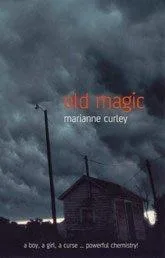

More Free Magic & Ritual Books
View all →