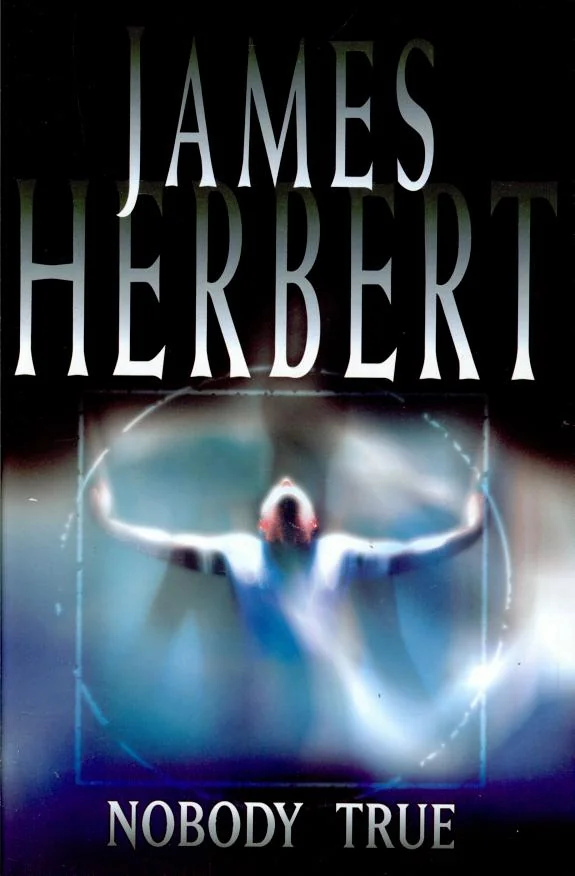
Nobody True
 81
81

Nobody True
James Herbert, a titan of British horror, delivers a spectral detective story in *Nobody True* that is both unsettling and strangely poignant. The premise of a ghost investigating his own murder, piecing together the events that led to his dismemberment, is a potent hook. Herbert excels at crafting an atmosphere of dread, making the protagonist's disembodied perspective a source of unique terror and vulnerability. His strength lies in articulating the protagonist's fragmented awareness and relentless pursuit of truth. However, the novel's pacing occasionally falters, with certain investigative sequences feeling somewhat drawn out. The ultimate resolution, while thematically fitting, might leave some readers yearning for a more cathartic or definitive conclusion. Still, the exploration of identity through a shattered physical form is a compelling aspect of Herbert's mature work.
📝 Description
81
James Herbert's 2003 novel, Nobody True, begins with a murdered man who knows he is dead.
In James Herbert's 2003 novel, *Nobody True*, the protagonist is a spirit aware of his own violent death and the dismemberment of his body. He must then work to find his killer. This setup leads to a story that examines identity, memory, and the persistence of will after death. The novel appeals to readers who enjoy horror that challenges the mind as much as it shocks the senses. Those who like psychological thrillers with supernatural elements and stories that question the limits of life and death will find this book engaging. It is for readers seeking a story that stays with them, encouraging thought about what it means to exist.
The book centers on post-mortem consciousness and the idea of a fractured self. The protagonist's state outside his body gives him a distinct view of his own end. He confronts the physical reality of his destruction while his awareness continues. This existential problem looks at personal action and the search for justice or clarity, even when the physical form is destroyed. The narrative also touches on memory's role and how it can endure and motivate action.
Published in 2003, *Nobody True* fits within a tradition of supernatural thrillers that explore the darker corners of the human mind and the uncanny. Herbert's specific focus on a spirit actively investigating its own demise distinguishes it, though it shares the era's interest in psychological horror. The novel engages with concepts of what constitutes existence and consciousness beyond the physical body, a theme explored in various occult and philosophical traditions that question the boundary between life and death.
💡 Why Read This Book?
• Understand the unique challenges of a disembodied protagonist, as explored through the quest for identity and justice in *Nobody True*, offering a perspective on consciousness beyond the physical self. • Experience Herbert's signature blend of visceral horror and psychological depth, particularly his depiction of fragmented memory and awareness in the wake of extreme violence. • Contemplate the nature of existence and post-mortem persistence, a theme central to the narrative's exploration of a spirit actively seeking resolution for his own murder.
⭐ Reader Reviews
Honest opinions from readers who have explored this book.
❓ Frequently Asked Questions
What is the central premise of James Herbert's *Nobody True*?
The novel follows a disembodied spirit who is aware he has been murdered and his body dismembered. He then embarks on a quest to find his killer.
When was *Nobody True* first published?
*Nobody True* was first published in 2003, placing it within the author's later career output.
What makes the protagonist's perspective unique in *Nobody True*?
The protagonist's unique perspective stems from his existence as a disembodied spirit, allowing him to observe events and memories without a physical body.
Does *Nobody True* focus on graphic violence?
While the premise involves dismemberment, Herbert's focus is often on the psychological and existential horror derived from the situation rather than solely graphic depiction.
Is *Nobody True* a typical ghost story?
It subverts typical ghost story tropes by featuring a ghost who is an active investigator driven by a desire for resolution, rather than a passive apparition.
What themes does *Nobody True* explore?
The novel explores themes of identity, memory, consciousness after death, the persistence of will, and the quest for justice or truth.
🔮 Key Themes & Symbolism
Fragmented Identity
The novel intensely examines identity when the physical self is destroyed. The protagonist, a disembodied spirit, grapples with his existence stripped of corporeal form, forcing a redefinition of self. His memories and consciousness persist, but his connection to his former identity is fractured by his violent end and dismemberment. This exploration studies what remains of a person when the physical anchors are gone, questioning whether consciousness alone constitutes identity.
Post-Mortem Agency
Unlike passive spirits, the protagonist of *Nobody True* exhibits profound post-mortem agency. Despite being dead and dismembered, his will to uncover the truth about his murder remains unyielding. This theme challenges traditional notions of death as an endpoint, presenting it instead as a state from which active pursuit of justice or understanding is possible. The narrative explores the limits and possibilities of action from beyond the grave.
The Persistence of Memory
Memory serves as a crucial element in *Nobody True*, acting as both a torment and a tool for the protagonist. His recollections of his life and death are vivid, fueling his investigation. The novel highlights how memories can transcend physical death, becoming the very essence of a lingering consciousness. This focus on the power of remembrance underscores its role in shaping a person's unresolved narrative and driving their spectral existence.
Justice Beyond Life
The narrative is fundamentally a quest for justice, undertaken by an entity incapable of conventional action. The protagonist's dismembered state amplifies the horror of his situation and the urgency of his pursuit. This theme probes the human desire for retribution and resolution, even when facing the ultimate existential barrier. The novel suggests that the need for truth and accountability can extend beyond the boundaries of mortal life.
💬 Memorable Quotes
Direct passages from the work, attributed to the author.
“The spirit is aware of the dismemberment of his body.”
— This statement expresses the core horror and the protagonist's unique predicament. It highlights the chilling dissociation between consciousness and physical destruction, setting the stage for a narrative focused on investigation despite ultimate physical annihilation.
“Consciousness persists despite the loss of physical form.”
— This interpretation emphasizes the novel's exploration of existential themes. It suggests that the essence of a person, their awareness and will, can endure beyond the destruction of their body, a concept central to the spectral detective premise.
💡 Key Ideas
Editorial paraphrase of the work's core concepts — not direct quotes.
He seeks the person who killed him.
This paraphrase points to the central conflict and the protagonist's driving motivation. It underscores the novel's foundation in a revenge or truth-seeking narrative, even when the protagonist is no longer alive to enact vengeance in a conventional manner.
The search for identity is complicated by the fragmented body.
This paraphrased concept speaks to the psychological struggle of the protagonist. It highlights how the physical dismemberment impacts the spirit's sense of self and its ability to reconstruct its own narrative and identity.
He must uncover the truth about his own murder.
This paraphrased concept emphasizes the investigative nature of the plot. It positions the protagonist not just as a victim, but as an active seeker of facts, driving the narrative forward with a clear, albeit supernatural, objective.
🌙 Esoteric Significance
Tradition
While not explicitly tied to a single esoteric tradition like Kabbalah or Gnosticism, *Nobody True* engages with themes prevalent in spiritualism and post-mortem consciousness studies. It echoes concepts found in early 20th-century spiritualist literature which explored the possibility of spirits retaining awareness and the ability to communicate or influence the living. The novel departs from strict dogma by focusing on a highly personalized and vengeful spirit, driven by earthly matters rather than spiritual progression or enlightenment.
Symbolism
The dismembered body is a potent symbol of a shattered self and the ultimate violation of personal integrity, representing a profound disconnect between the spiritual essence and its physical vessel. The act of investigation by a disembodied spirit symbolizes the relentless nature of consciousness and the will to know, even when all physical means are lost. The persistence of memory functions as a spiritual anchor, holding the fragmented identity together against the void.
Modern Relevance
Contemporary discussions around consciousness, artificial intelligence, and the nature of identity can find echoes in Herbert's exploration of a mind existing independently of a body. The novel's premise speaks to modern philosophical debates on what constitutes 'self' and the possibility of consciousness transfer or persistence. It also speaks to a modern audience's fascination with unresolved mysteries and the drive for closure, even in the face of seemingly insurmountable obstacles, a theme explored in various modern psychological thrillers.
👥 Who Should Read This Book
• Fans of James Herbert's earlier works seeking a mature, psychologically driven narrative that explores the darker aspects of existence. • Readers interested in supernatural thrillers that blend detective elements with horror, focusing on the unique perspective of a non-corporeal protagonist. • Individuals drawn to philosophical horror that questions the boundaries of life, death, and identity, and the enduring power of the human will.
📜 Historical Context
Published in 2003, James Herbert’s *Nobody True* arrived during a period where supernatural thrillers continued to command significant readership. Authors like Stephen King and Dean Koontz remained dominant forces, and the genre often played with concepts of altered states of consciousness and persistent evil. Herbert, already a celebrated figure in horror since the 1970s with works like *The Rats*, brought his established skill in crafting visceral narratives and unsettling atmospheres to this story. The early 2000s saw a diversification of horror, with psychological elements gaining prominence alongside more traditional scares. While not directly engaging with a specific intellectual movement, the novel tapped into a broader cultural fascination with the afterlife and the enduring nature of human will, echoing some of the existential questions explored in earlier speculative fiction but filtered through Herbert's distinctively grim and direct style. Its reception was generally positive, solidifying Herbert's reputation among his established fanbase.
📔 Journal Prompts
The fragmented awareness of the disembodied spirit.
The protagonist's drive to uncover his own murderer.
The symbolic meaning of the dismembered body.
The persistence of memory as a core element of identity.
The concept of post-mortem agency and its implications.
🗂️ Glossary
Disembodied Spirit
A consciousness or soul that exists independently of a physical body, often after death. In *Nobody True*, this state is the protagonist's primary mode of existence.
Post-Mortem Consciousness
The state of being aware or retaining mental faculties after death. This is the central phenomenon explored through the protagonist's spectral existence.
Fragmented Identity
A sense of self that is broken, incomplete, or disjointed. The protagonist's identity is fragmented due to his dismemberment and disembodied state.
Spectral Investigator
A character who, as a ghost or spirit, undertakes an investigation. The protagonist of *Nobody True* fits this description, seeking his killer.
Dismemberment
The act of cutting off the limbs of a person or animal. In the context of the book, it represents the extreme physical destruction of the protagonist's body.
Existential Predicament
A difficult situation or problem concerning human existence, especially its meaning, purpose, and value. The protagonist's state is a profound existential predicament.
Will to Know
The fundamental drive or desire to acquire knowledge or truth. This is the force that propels the protagonist's actions despite his spectral condition.
This book appears in 1 collection
🔮 Readers Also Liked
Browse all →






From the “Out-of-Body Experience” Collection
View all →
![The Tipperary (or Clonmel) witch case : [transcripts of newspaper reports &c. concerning Bridget Cleary, burned as a witch, and the trial of her husband and neighbours for murder, in 1895]](/img/thumb/the-tipperary-or-clonmel-witch-case-transcripts-of-newspaper-reports-c-concerning-bridget-cleary-burned-as-a-witch-and-the-trial-of-her-husband-and-neighbours-for-murder-in-1895.webp)








More Free Occult Philosophy Books
View all →