No Escape
 82
82

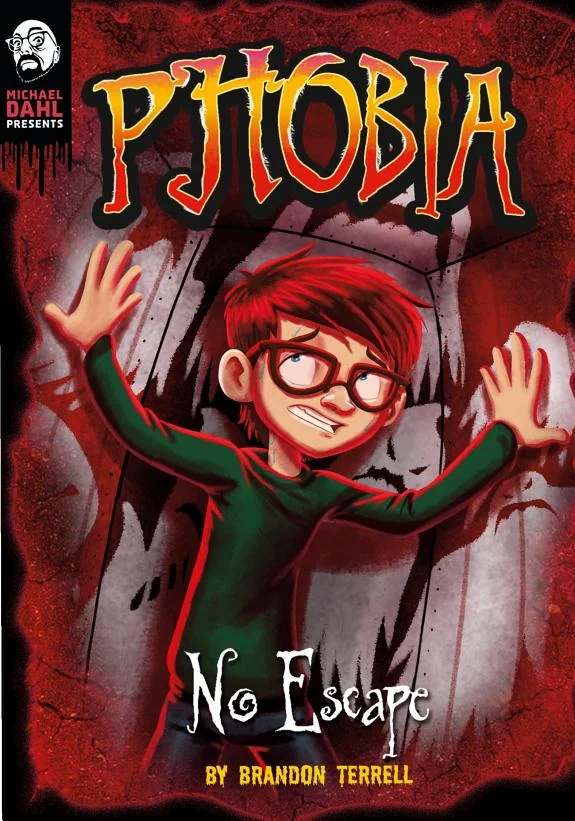
No Escape
Brandon Terrell’s "No Escape" immediately plunges the reader into the gritty world of street magic and its darker underbelly. The premise of a young magician apprenticed to a theater owner haunted by a past tragedy is compelling. Terrell effectively builds atmosphere, particularly within the decaying Regal Theater, making the spectral presence of "The Marvelous Melbourne" feel palpable. The integration of historical stage magic techniques with a supernatural threat is a strong point. However, the pacing occasionally falters in the middle section, with Jake’s internal struggles sometimes overshadowing the external spectral conflict. A particularly effective moment involves Jake's attempt to replicate Melbourne's final trick, only to feel an unseen force interfere. The novel ultimately offers a solid, if somewhat conventional, ghost story steeped in theatrical lore.
📝 Description
82
In 1948, a fatal incident at the Regal Theater sets the stage for Brandon Terrell's supernatural tale.
Brandon Terrell's "No Escape" follows Jake Prescott, an amateur magician who takes a job assisting the mysterious Augustus Towers. Their work leads them to the Regal Theater, a place with a dark past. A death involving "The Marvelous Melbourne" in 1948 haunts the venue, and Jake soon finds himself caught in its supernatural grip.
The novel draws on the atmosphere of mid-20th century stage magic, a time when spiritualism held public interest. The Regal Theater, with its history of a tragic event, becomes the center of unexplained phenomena. Terrell uses this setting to examine the hidden dangers of illusion and the lingering power of past tragedies.
Readers interested in the occult aspects of performance, historical hauntings, and psychological suspense will find this story engaging. It blends historical settings with paranormal elements, particularly those connected to theatrical superstitions and the lasting effects of trauma.
This narrative taps into the esoteric tradition of psychogeography and hauntology, where locations are believed to retain imprints of past events and emotions. The book suggests that certain theaters, charged with the intense energies of performance and human drama, can become sites where the veil between the physical and spiritual worlds thins. It touches on the idea of residual energy, a concept explored in various occult traditions, where strong emotions or traumatic events can leave a lasting psychic impression on a place, influencing those who come into contact with it.
💡 Why Read This Book?
• Gain insight into the psychological toll of performance magic, as Jake Prescott grapples with the eerie atmosphere of the Regal Theater and the legacy of "The Marvelous Melbourne." • Experience a suspenseful narrative that uses the historical setting of 1948 Reno to explore the lingering effects of tragedy and ambition on a physical space. • Understand how Terrell uses the concept of a "Spirit Cabinet" not just as a prop but as a focal point for supernatural phenomena, blurring lines between illusion and reality.
⭐ Reader Reviews
Honest opinions from readers who have explored this book.
❓ Frequently Asked Questions
What is the central conflict in Brandon Terrell's 'No Escape'?
The central conflict involves amateur magician Jake Prescott, who becomes convinced the malevolent spirit of "The Marvelous Melbourne" haunts the Regal Theater, where Melbourne died in 1948, and is guarding his secrets.
Who is Augustus Towers in 'No Escape'?
Augustus Towers is the owner of the Regal Theater and a magician who takes Jake Prescott on as his assistant, intending to renovate the theater where "The Marvelous Melbourne" met his end.
When and where does the fatal incident involving The Marvelous Melbourne occur?
The Marvelous Melbourne died in his Spirit Cabinet at the Regal Theater in 1948, an event that casts a long shadow over the narrative.
What is the significance of the Spirit Cabinet in the book?
The Spirit Cabinet is a crucial prop and location in "No Escape." It is where "The Marvelous Melbourne" died, and it becomes a focal point for the alleged haunting and Jake Prescott's fear.
What makes the atmosphere of the Regal Theater creepy in 'No Escape'?
The theater's atmosphere is made creepy by its history, particularly the death of "The Marvelous Melbourne" in 1948, and Jake Prescott's growing conviction that Melbourne's spirit remains, guarding his illusions.
What kind of magic does Jake Prescott practice at the start of the book?
At the beginning of "No Escape," Jake Prescott is depicted as an amateur magician, hustling tourists on the streets of Reno with his performances.
🔮 Key Themes & Symbolism
Lingering Spirits of Performance
The narrative explores the idea that intense performances and tragic deaths, like that of "The Marvelous Melbourne" in his Spirit Cabinet in 1948, can leave indelible imprints on a location. The Regal Theater is presented as a space where the veil between the living and the dead is thin, suggesting that performers' energies, particularly those who met untimely ends, can become trapped. This theme questions whether certain artistic endeavors attract or create supernatural phenomena, making the theater itself a character steeped in residual energy and unresolved ambition.
Ambition and Its Perils
Jake Prescott's journey from street magician to assistant in a historically significant theater highlights the drive for success. Augustus Towers' ambition to renovate the Regal and perhaps capitalize on its dark history also plays a role. The story suggests that unchecked ambition, especially in the secretive world of stage magic, can lead to dangerous confrontations, both with rivals and with forces beyond human understanding. The "malevolent spirit" of Melbourne is presented as a consequence of such ambition, guarding his secrets fiercely.
Illusion vs. Reality in the Occult
Terrell masterfully blurs the lines between theatrical illusion and genuine supernatural occurrences. Jake's initial skepticism gives way to genuine fear as he experiences events that defy rational explanation within the theater. The "Spirit Cabinet," a prop designed for illusion, becomes a conduit for actual spectral activity. This theme invites readers to consider how the practice of magic, with its focus on misdirection and hidden truths, can sometimes intersect with or even manifest occult realities.
The Weight of Theatrical History
The novel places significant emphasis on the history of the Regal Theater and the infamous death of "The Marvelous Melbourne" in 1948. This historical backdrop is not merely a setting but an active element that influences the present. The building itself seems to hold memories and energies, impacting Jake's perception and safety. The narrative uses this historical weight to create a sense of dread, suggesting that the past is never truly buried, especially in places dedicated to performance and illusion.
💬 Memorable Quotes
Direct passages from the work, attributed to the author.
“The Regal Theater felt like a tomb dressed in velvet.”
— This description captures the dual nature of the theater – its former glory as a place of entertainment contrasted with its current state of decay and the ominous presence Jake senses.
“He wasn't just an assistant; he was bait.”
— This thought highlights Jake's dawning realization of his precarious position. He begins to suspect that his role in Towers' plans might be more dangerous than he initially understood, potentially making him a target.
“The Spirit Cabinet was where the magic died, and something else took its place.”
— This interpretation emphasizes the transformative nature of the tragic event in 1948. The cabinet, once a tool for illusion, became a site of death, possibly opening a portal for a malevolent entity.
“Reno in '48 had a different kind of showmanship, darker and more desperate.”
— This reflects on the historical period, suggesting that the era itself, particularly in a city like Reno, fostered a climate where ambition and danger intertwined, setting the stage for the events surrounding Melbourne's death.
💡 Key Ideas
Editorial paraphrase of the work's core concepts — not direct quotes.
Melbourne's tricks were secrets, and some secrets don't want to be revealed.
This paraphrased concept suggests that the deceased magician's legacy is actively protected, implying a supernatural force preventing Jake or Towers from uncovering or exploiting Melbourne's past.
🌙 Esoteric Significance
Tradition
While not explicitly tied to a single esoteric lineage like Hermeticism or Kabbalah, "No Escape" draws from the broader Western occult tradition's fascination with hauntings, residual energy, and the power of place. It aligns with folk beliefs surrounding spectral entrapment and the idea that locations can become saturated with the emotional or psychic residue of significant events, particularly violent or tragic ones. The narrative echoes themes found in ghost lore across various cultures, emphasizing the persistence of the past and the potential for spirits to interact with the living world.
Symbolism
The "Spirit Cabinet" serves as a primary symbol, representing a boundary between illusion and reality, life and death. Its role in "The Marvelous Melbourne's" demise transforms it from a mere prop into a locus of supernatural activity. The Regal Theater itself symbolizes a decaying temple of artifice, haunted by its own history and the ambition of past performers. The act of "hustling tourists" by Jake Prescott initially symbolizes a more mundane, earthly pursuit of gain, contrasting with the potentially otherworldly dangers he later faces.
Modern Relevance
Contemporary explorations of hauntings in fiction and paranormal investigation often echo the atmospheric dread and the focus on specific locations found in "No Escape." The idea that environments can retain psychic imprints speaks to modern concepts in psychogeography and theories of place memory. Thinkers and practitioners interested in the intersection of performance, psychology, and the uncanny—perhaps those exploring mediumship or theories of subtle energies—might find Terrell's narrative a compelling fictional case study.
👥 Who Should Read This Book
• Aspiring and practicing magicians interested in the historical and psychological dimensions of stagecraft, particularly those intrigued by darker theatrical lore. • Fans of classic ghost stories and supernatural thrillers who appreciate atmospheric settings and narratives rooted in historical events. • Readers exploring the concept of "place memory" or residual hauntings, seeking fictional accounts that blend historical detail with paranormal suspense.
📜 Historical Context
Brandon Terrell's "No Escape" emerges from a continued fascination with spiritualism and the occult that characterized much of the 20th century, particularly the post-war era. While not a direct engagement with the formal Theosophical movement, it taps into a broader cultural undercurrent of belief in spectral presences and psychic phenomena that persisted long after the initial spiritualist boom. The year 1948 places the narrative's historical anchor firmly in a period where stage magic was highly theatrical and often imbued with an air of mystery, sometimes bordering on the genuinely uncanny. This was an era where Houdini's legacy was still potent, and the public was intrigued by the potential for real magic beyond mere trickery. In contrast to the more academic or philosophical explorations of esotericism found in contemporaries like Aleister Crowley (though his major works predated 1948, his influence lingered), Terrell's work leans into a more visceral, narrative-driven exploration of hauntings tied to specific performers and venues.
📔 Journal Prompts
The Regal Theater's atmosphere as a repository for Melbourne's residual energy.
Jake Prescott's transition from street hustle to entanglement with the supernatural.
The symbolic weight of the Spirit Cabinet beyond its function as a stage prop.
Augustus Towers' motivations in renovating a historically tragic venue.
The boundary between theatrical illusion and genuine paranormal phenomena in the narrative.
🗂️ Glossary
Amateur Magician
An individual who practices magic as a hobby or for supplementary income, often performing for small audiences or tourists, rather than as a professional entertainer.
Hustling Tourists
Engaging in street performance or minor scams with the primary aim of extracting money from unsuspecting visitors, often employing charisma and sleight of hand.
The Marvelous Melbourne
The stage name of a magician who died tragically in his "Spirit Cabinet" at the Regal Theater in 1948, becoming a spectral presence in the novel's narrative.
Spirit Cabinet
A piece of stage apparatus used in séances and spiritualist performances, designed to create an enclosed space where spirits were believed to manifest or interact with the living.
Regal Theater
The fictional theater central to the plot, known for the death of "The Marvelous Melbourne" and believed by the protagonist to be haunted.
Residual Haunting
A type of haunting where a place replays past events due to intense emotional energy or trauma, often perceived as an echo or imprint rather than an interactive spirit.
Sleight of Hand
The use of manual dexterity and misdirection to perform tricks or illusions, a fundamental skill for magicians.
This book appears in 1 collection
🔮 Readers Also Liked
Browse all →








From the “Haunted Places” Collection
View all →



More Free Occult Philosophy Books
View all →