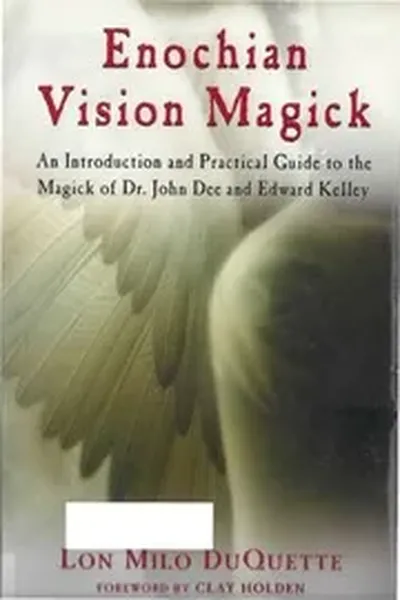
Mystická teologie východoslovanských křesťanů

 79
79

Mystická teologie východoslovanských křesťanů
Karel Sládek's *Mystická teologie východoslovanských křesťanů* offers a rigorous and often dense exploration of a spiritual tradition frequently overlooked in broader Western surveys of mysticism. The book's strength lies in its meticulous research and its commitment to presenting the theological nuances of East Slavic Christianity without oversimplification. Sládek avoids the common pitfall of reducing complex doctrines to easily digestible soundbites, instead allowing the intricate theological arguments to unfold. A notable limitation, however, is the demanding nature of the prose; accessibility is sacrificed for scholarly precision. The section detailing the theological debates surrounding *theosis* and its reception in various East Slavic monastic communities is particularly illuminating, illustrating the intellectual rigor applied. While not a casual read, for the dedicated student of Orthodox spirituality, this work provides substantial, well-researched material.
This is a serious academic study for specialists, not a popular introduction.
📝 Description
79
Karel Sládek's 2010 study examines the mystical theology of Eastern Slavic Christians.
This volume offers a scholarly look at the mystical theology that developed within Eastern Slavic Christian traditions. It goes beyond surface-level descriptions to investigate the theological foundations, spiritual practices, and philosophical ideas that formed this specific kind of Christian mysticism. The book carefully details how theological thought evolved, emphasizing the distinct contributions and interpretations found within the Eastern Orthodox sphere among East Slavic populations. It situates its subject within the wider history of Christian mystical traditions, noting connections and differences with Byzantine theology and later Western mystical thought.
The work covers the period from the early Christianization of Kievan Rus' up to later eras of intellectual activity and theological discussion within the Russian Empire and surrounding regions. It acknowledges the intellectual environment that saw considerable engagement with both early church writings and new philosophical concepts, often balancing adherence to established doctrine with the demands of intellectual change. Scholars of comparative religion, Eastern Orthodox theology, and Slavic cultural history will find this book valuable. It is also intended for students and practitioners of mysticism who are interested in theological traditions less commonly studied outside Western European contexts.
This study is situated within the broader context of Christian mysticism, specifically focusing on how contemplative and theological traditions developed in the Eastern Slavic lands. It traces the lineage of these ideas, noting their roots in Byzantine spirituality and their divergence or adaptation over centuries. The emphasis on practices like the Jesus Prayer and the theological framework of *theosis* are central to understanding a distinct path of spiritual realization within Eastern Orthodoxy, separate from, though sometimes interacting with, Western contemplative approaches.
💡 Why Read This Book?
• Gain a nuanced understanding of *Hesychasm* and its specific development within East Slavic monastic traditions, offering insights not readily found in general Western mystical texts. • Explore the theological concept of *theosis* as articulated by East Slavic theologians, providing a deeper appreciation for Orthodox soteriology beyond common interpretations. • Understand the role of the *Jesus Prayer* (Nepsis) in shaping the contemplative practices of Eastern Slavic Christians, revealing a specific path to spiritual experience.
⭐ Reader Reviews
Honest opinions from readers who have explored this book.
❓ Frequently Asked Questions
What is the primary focus of Mystická teologie východoslovanských křesťanů?
The book primarily focuses on the theological doctrines and spiritual practices of mystical theology as developed within the Eastern Slavic Christian traditions, particularly within the Orthodox sphere.
When was Mystická teologie východoslovanských křesťanů first published?
The work was first published in 2009, offering a more contemporary scholarly perspective on these historical theological developments.
Who is the author of this exploration into East Slavic Christian mysticism?
The author is Karel Sládek, whose work delves into the specialized theological and spiritual heritage of Eastern Slavic Christians.
What are some key concepts discussed in the book?
Key concepts include Hesychasm, the Jesus Prayer (Nepsis), apophatic theology, theosis (deification), and the role of monasticism in preserving mystical traditions.
Is this book suitable for beginners in mysticism?
While informative, the book's scholarly depth and dense prose make it more suitable for students and scholars of theology and comparative religion rather than absolute beginners.
What historical period does the book cover?
It covers the historical development of East Slavic Christian mysticism from the early Christianization of Kievan Rus' through later periods of intellectual and theological activity.
🔮 Key Themes & Symbolism
Hesychasm and the Jesus Prayer
The work meticulously examines the practice of Hesychasm, a contemplative tradition deeply rooted in Eastern Orthodox monasticism. Central to this is the Jesus Prayer, or *nepsis*, a technique of continuous prayer often articulated as 'Lord Jesus Christ, Son of God, have mercy on me.' Sládek details how this practice was integrated into the spiritual lives of East Slavic monks and ascetics, serving as a direct method for achieving divine union and inner stillness, distinct from more scholastic theological approaches.
Theosis and Apophatic Theology
A core theme is *theosis*, the concept of deification or becoming like God, a central tenet of Orthodox theology. Sládek explores how East Slavic mystics interpreted and pursued this ultimate spiritual goal, often through apophatic theology – the via negativa that emphasizes God's transcendence and ineffability. This approach focuses on what God is not, rather than what He is, guiding the practitioner towards an experiential knowledge of the divine that transcends rational comprehension.
Monasticism as a Spiritual Crucible
The book highlights the indispensable role of monastic communities in the preservation, development, and transmission of East Slavic mystical theology. Monasteries served not just as centers of prayer but as crucibles for theological debate and spiritual training. Sládek illustrates how the ascetic discipline, liturgical life, and communal structure within these institutions fostered the specific forms of mystical experience and theological articulation characteristic of the region.
Iconography and Divine Presence
The theological significance of icons within East Slavic Christianity is explored as a vital element of mystical engagement. Icons are presented not merely as religious art but as windows into the divine, embodying theological truths and facilitating a spiritual encounter with the sacred. The work discusses how the veneration and contemplation of icons contributed to the East Slavic mystical path, bridging the material and spiritual realms.
💬 Memorable Quotes
Direct passages from the work, attributed to the author.
“Apophatic discourse serves to guard the mind from conceptualizing the divine, thus preserving the purity of spiritual apprehension.”
— This highlights the role of negative theology in the East Slavic tradition, suggesting that by defining God by what He is not, one avoids limiting Him and opens the way for a more direct, unmediated spiritual encounter.
“The Jesus Prayer functions as a spiritual anchor, steadying the soul amidst the turbulence of worldly distractions.”
— This interpretation focuses on the practical function of the Jesus Prayer within the East Slavic context, portraying it as a tool for achieving inner peace and constant remembrance of God amidst daily life.
“Icons are not merely representations but are understood as vehicles of divine energy and presence.”
— This conveys the theological understanding of icons within the tradition, emphasizing their sacred function as more than just images but as active conduits for spiritual experience and connection.
“The goal of theosis is the transformation of the entire human person into the likeness of God through grace.”
— This captures the essence of deification as presented in the book, indicating that it is a comprehensive spiritual process aimed at restoring humanity's divine image, achieved through divine assistance.
💡 Key Ideas
Editorial paraphrase of the work's core concepts — not direct quotes.
The pursuit of union with God is realized not through abstract philosophical speculation alone, but through disciplined ascetic practice and divine grace.
This paraphrased concept underscores the book's emphasis on the experiential and practical nature of East Slavic mysticism, contrasting it with purely intellectual theological pursuits and highlighting the necessity of both human effort and divine intervention.
🌙 Esoteric Significance
Tradition
This work fits within the broader tradition of Eastern Orthodox Christian mysticism, which is deeply rooted in the Patristic era and characterized by its emphasis on apophatic theology, asceticism, and the pursuit of *theosis*. While not strictly 'esoteric' in the Western occult sense, it explores hidden dimensions of spiritual practice and theological understanding within a major religious framework. It departs from typical Western Hermetic or Kabbalistic studies by focusing on a specific Christian lineage, offering a lens into contemplative paths less frequently featured in popular esoteric literature.
Symbolism
Key symbols explored include the *Jesus Prayer* (Nepsis), functioning as a spiritual mantra and focus for inner stillness, and the *icon*, which serves as a visual theology and a point of direct communion with the divine. The concept of *light* (often associated with the uncreated light of Tabor) is also significant, symbolizing divine presence and the transformative power of grace. These symbols are not mere decorative elements but are integral to the practice and theology of achieving spiritual union.
Modern Relevance
Contemporary thinkers and practitioners interested in contemplative prayer, Orthodox Christianity, and comparative spirituality draw on the insights presented in this work. Movements focusing on mindfulness, ancient Christian practices, and the integration of psychology with spirituality can find parallels and deeper theological grounding in the East Slavic mystical traditions discussed. Scholars of world religions and those exploring non-Western contemplative paths also reference such studies for a comprehensive view of global mystical expression.
👥 Who Should Read This Book
• Students of Eastern Orthodox Christianity seeking to understand its deep mystical and contemplative dimensions beyond basic dogma. • Researchers in comparative religion and spiritual traditions interested in the unique theological developments within Slavic cultures. • Practitioners of contemplative prayer looking for historical and theological context on traditions like Hesychasm and the Jesus Prayer.
📜 Historical Context
Karel Sládek's work emerges from a post-Soviet academic environment in the early 21st century, engaging with a rich, yet often under-examined, theological heritage. The first publication in 2009 places it within a period of renewed interest in religious studies across Eastern Europe, following decades of state-imposed atheism. The book implicitly engages with the legacy of Byzantine theology, which formed the bedrock of Orthodox thought, but focuses specifically on its adaptation and development among East Slavic peoples from the medieval period onwards. It navigates the intellectual currents that shaped Orthodox thought, including the patristic tradition and later scholastic influences, particularly within the Russian Empire. While direct engagement with specific contemporaries is not the primary focus, the work stands in dialogue with scholars of Orthodox spirituality and history, implicitly addressing debates concerning the unique characteristics of East Slavic mysticism compared to, for instance, Western European contemplative traditions like those of Bernard of Clairvaux or Teresa of Ávila.
📔 Journal Prompts
The practice of *nepsis* as described in the text: how might its principles apply to modern secular life?
Reflect on the concept of *theosis* and its implications for personal spiritual development.
Consider the role of iconography in East Slavic spirituality; how do visual forms convey theological truths?
Analyze the relationship between asceticism and divine grace as presented in the work.
Explore the differences between apophatic and cataphatic theology in fostering spiritual understanding.
🗂️ Glossary
Hesychasm
A contemplative spiritual tradition within Eastern Orthodox Christianity, emphasizing inner stillness and union with God through silent prayer and ascetic practices.
Jesus Prayer
A repetitive prayer, often 'Lord Jesus Christ, Son of God, have mercy on me,' used in Orthodox Christianity to achieve continuous prayer and spiritual awareness (*nepsis*).
Theosis
The Orthodox Christian doctrine of deification or divinization, the process by which believers become united with God and acquire His likeness through grace.
Apophatic Theology
Theological approach that describes God by negation (what God is not), emphasizing His ineffability and transcendence, also known as the via negativa.
Nepsis
A Greek term used in Orthodox spirituality, referring to watchfulness, vigilance, and sobriety of the mind, often associated with the practice of the Jesus Prayer.
Icon
A religious work of art, typically a painting on wood, venerated in Eastern Orthodox Churches as a sacred image that facilitates communion with the divine.
Asceticism
Severe self-discipline and avoidance of all forms of indulgence, typically for religious reasons; a key component in the path to spiritual realization in Orthodox traditions.
🔮 Readers Also Liked
Browse all →





More Free Mysticism & Contemplation Books
View all →