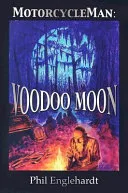
MotorcycleMan: Voodoo Moon
 72
72

MotorcycleMan: Voodoo Moon
Phil Englehardt’s *MotorcycleMan: Voodoo Moon* picks up Ian Payne’s story a year after his initial break from a life of quiet desperation. The shift from a donut shop to the deep South is more than a geographical move; it’s a plunge into a different kind of reality. Englehardt captures the odd charm and inherent strangeness of the Southern landscape, making it a character in itself. The novel shines when it leans into the unexpected encounters Payne has, particularly those that highlight the region’s unique blend of the sacred and the mundane. A notable strength is the author’s ability to inject genuine humor into situations that could easily become grim, a balance achieved particularly well in chapters detailing Payne's interactions with local characters.
However, the narrative occasionally feels episodic, with some encounters not quite landing with the thematic weight they seem intended to carry. While Payne’s transformation is the engine of the plot, his internal shifts sometimes feel less earned than observed. The book’s exploration of Voodoo elements, while present, could have been more deeply integrated rather than serving as backdrop for Payne’s personal quest. Despite these points, *MotorcycleMan: Voodoo Moon* offers an engaging, often funny, and distinctly American spiritual odyssey.
📝 Description
72
Phil Englehardt's 2006 novel, MotorcycleMan: Voodoo Moon, follows Ian Payne as he leaves his ordinary life for the American South.
MotorcycleMan: Voodoo Moon, published in 2006, continues Ian Payne's story a year after his initial transformation. Payne, a donut shop owner, abandons his middle-class life to travel through the American South. The novel charts his experiences and discoveries in a region known for its distinct cultural and spiritual traditions. Englehardt blends elements of the astonishing with humor as Payne encounters the unique character of the South.
This installment is for readers who enjoy stories about personal change and the exploration of regional mysticism and folklore. Those drawn to characters who choose unconventional paths and undergo significant life shifts will find resonance. The book does not shy away from the unusual, balancing moments of levity with deeper contemplation.
Published in 2006, MotorcycleMan: Voodoo Moon arrived during a time of growing interest in independent narratives and outsider perspectives. The early 2000s saw online communities foster accessibility for esoteric subjects like folk magic. This book connects with a literary trend of individuals seeking meaning outside societal norms, examining a personal quest for authenticity.
💡 Why Read This Book?
• Gain insight into the transformative power of radical life changes, as exemplified by Ian Payne’s decision to abandon his middle-class life, mirroring the spiritual quests documented in esoteric literature since the early 20th century. • Experience a narrative that humorously juxtaposes the mundane with the mystical, offering a unique perspective on encountering regional folklore and spiritual practices, as seen in the South. • Explore the concept of the journey as a metaphor for self-discovery, where the unconventional path leads to unexpected enlightenment and personal freedom, a theme central to Englehardt's 2006 work.
⭐ Reader Reviews
Honest opinions from readers who have explored this book.
❓ Frequently Asked Questions
What is the core premise of MotorcycleMan: Voodoo Moon?
The book follows Ian Payne, a middle-aged donut shop owner, as he leaves his ordinary life behind and travels to the American South, encountering surprising and often humorous situations that enlighten him.
When was MotorcycleMan: Voodoo Moon first published?
MotorcycleMan: Voodoo Moon was first published in 2006.
What kind of themes does the book explore?
It explores themes of personal liberation, shedding societal expectations, the search for authentic experience, and the mystical undercurrents of the American South.
Is this the first book in the series?
No, MotorcycleMan: Voodoo Moon is the second book in the series.
What is the author's writing style like?
Phil Englehardt's style blends the astonishing with the humorous, offering a grounded yet speculative look at personal transformation and unconventional journeys.
Who is the main character?
The main character is Ian Payne, a restless middle-aged man seeking a life beyond his conventional middle-class existence.
🔮 Key Themes & Symbolism
Liberation from Convention
The narrative centers on Ian Payne's radical departure from a seemingly stable, middle-class life. This theme of shedding societal norms and expectations is a potent undercurrent, suggesting that true fulfillment lies beyond the prescribed path. Payne’s journey into the American South represents a deliberate rejection of his former identity, seeking authenticity in the unknown, a quest echoed in various spiritual traditions that emphasize detachment from material and social constructs.
The Mystical South
Englehardt positions the American South not merely as a setting but as a nexus of unique spiritual energies and folklore. The 'Voodoo Moon' in the title alludes to the body of esoteric beliefs and practices associated with the region. Payne's encounters are framed by this distinct cultural milieu, where the ordinary can quickly give way to the extraordinary, hinting at hidden layers of reality accessible through specific geographical and cultural contexts.
Humor in the Search
A significant aspect of the book is its ability to infuse serious existential questioning and spiritual exploration with genuine humor. Payne's journey is marked by moments of absurdity and levity, suggesting that the path to enlightenment is not always solemn. This approach explains the esoteric, presenting it as an accessible, albeit peculiar, aspect of human experience, making the transformative process relatable and engaging.
The Open Road as Metaphor
The act of riding a motorcycle and traveling down the 'open road' serves as a powerful metaphor for Ian Payne's internal journey. It signifies freedom, a break from stagnation, and a direct confrontation with the external world and its mysteries. The motorcycle itself becomes an extension of his questing spirit, facilitating encounters and experiences that would be impossible from a fixed, conventional life.
💬 Memorable Quotes
Direct passages from the work, attributed to the author.
“He decided to leave his middle-class life behind.”
— This concise statement captures the core impulse of the protagonist, Ian Payne. It signifies a profound dissatisfaction with conventional comfort and a deliberate choice to pursue an unknown, potentially more authentic, existence.
“Ian Payne is traveling down to the deep south.”
— This sentence marks a central shift in the narrative, indicating the protagonist's movement into a specific geographical and cultural landscape known for its distinct traditions and potential for esoteric encounters.
“The restless middle-aged owner of a donut shop decides to leave his middle class life behind.”
— This phrase sets up the central character's initial dilemma and his courageous, if unconventional, decision to break free from societal expectations and personal inertia.
“A year later, Ian Payne is traveling down to the deep south.”
— This temporal marker establishes the progression of Payne's journey, showing that his initial decision has led to a significant, year-long process of change culminating in a deliberate journey South.
💡 Key Ideas
Editorial paraphrase of the work's core concepts — not direct quotes.
What he finds is astonishing, enlightening, and at times, very, very funny.
This quote outlines the intended reader experience, promising a narrative that balances profound discovery and spiritual growth with unexpected humor and surprising revelations.
🌙 Esoteric Significance
Tradition
While not explicitly belonging to a single established esoteric lineage, *MotorcycleMan: Voodoo Moon* draws from a modern, syncretic approach to spirituality. It echoes themes found in existentialism and Gnosticism concerning the search for authentic selfhood beyond perceived material or societal constraints. The narrative's emphasis on personal journey and discovery aligns with contemporary esoteric practices that prioritize individual experience and direct encounter with the numinous over rigid dogma.
Symbolism
The motorcycle serves as a potent symbol of liberation and the 'road' as a metaphor for spiritual progression. The 'Voodoo Moon' itself suggests lunar influence and the mysteries associated with Haitian Vodou and Southern folk magic, symbolizing hidden knowledge and primal forces. Ian Payne's initial occupation as a donut shop owner can be interpreted as representing mundane conformity, which he sheds to embrace a more spiritually charged existence.
Modern Relevance
Contemporary thinkers and practitioners exploring the intersection of personal transformation, counter-culture, and folk spirituality find resonance in Englehardt's work. It speaks to modern desires for authenticity and escape from consumerist culture, aligning with trends in self-help spirituality that encourage 'finding your own path.' The book's accessible blend of the personal quest with regional mysticism appeals to those interested in practical, experiential spirituality rather than purely theoretical studies.
👥 Who Should Read This Book
• Individuals interested in narratives of radical personal transformation who seek inspiration beyond conventional self-help literature. • Readers fascinated by the folklore and esoteric undercurrents of the American South, looking for fictional explorations of regional mysticism. • Fans of character-driven stories that humorously blend the mundane with the profound, offering a unique perspective on life's unexpected journeys.
📜 Historical Context
Published in 2006, *MotorcycleMan: Voodoo Moon* emerged in an era where independent publishing and online communities fostered a greater appreciation for niche and esoteric narratives. The early 2000s saw a resurgence of interest in folk magic, Southern Gothic literature, and personal manifestos of radical life change. While not directly tied to a major academic movement, Englehardt’s work taps into a broader cultural undercurrent exploring spirituality outside traditional religious frameworks, akin to the themes explored by authors like Chuck Palahniuk in his critiques of consumerism, though with a more mystical bent. The book's focus on the American South also places it within a literary tradition rich with folklore and spectral narratives. Its reception likely appealed to readers active in early online forums dedicated to counter-culture and esoteric studies.
📔 Journal Prompts
Ian Payne's decision to leave his donut shop life.
The symbolic meaning of the motorcycle in your own life.
The 'astonishing' and 'enlightening' encounters Ian Payne experiences.
Reflecting on the allure of the deep South as a spiritual landscape.
Moments of humor discovered during personal transformations.
🗂️ Glossary
Voodoo Moon
A metaphorical or literal lunar phase associated with the practices and mystique of Voodoo, suggesting heightened spiritual energy and hidden influences in the narrative's Southern setting.
Middle-class life
Refers to a conventional, comfortable socioeconomic status characterized by stability, routine, and adherence to societal norms, which the protagonist actively rejects.
Deep South
The southeastern region of the United States, known for its distinct cultural heritage, history, and often, a body of folklore, spiritual traditions, and unique social dynamics.
Restless
Describes a state of chronic dissatisfaction or an unquenchable desire for change and new experiences, driving the protagonist's actions.
Astonishing
Evoking surprise and wonder; indicating events or discoveries that defy ordinary expectations and perceptions.
Enlightening
Providing spiritual or intellectual understanding; leading to a greater awareness or insight into oneself or the world.
Donut shop owner
The protagonist's previous occupation, symbolizing a mundane, perhaps unfulfilling, aspect of his former conventional life.