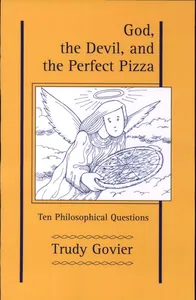
Moon time
 74
74

Moon time
Johanna Paungger and Thomas Poppe's 'Moon Time' offers a detailed, almost astrological almanac for daily life, moving beyond simple gardening tips. Its strength lies in its systematic cataloging of lunar influences across a vast array of activities, from pruning fruit trees to scheduling personal care. The authors meticulously link the moon's passage through zodiac signs to specific biological and energetic effects. For instance, their discussion on the moon’s influence during Scorpio days, linking it to specific bodily organs and potential health implications, is particularly granular. However, the book's sheer density of information can feel overwhelming. While valuable as a reference, it sometimes prioritizes exhaustive listing over deeper interpretive exploration of the underlying principles. The work presents lunar timing as a near-universal determinant, which, while compelling, might benefit from acknowledging broader contributing factors. Nevertheless, 'Moon Time' is an encyclopedic resource for those committed to a lunar-aligned lifestyle.
📝 Description
74
Published in 1996, 'Moon Time' details how lunar cycles affect daily life.
Johanna Paungger and Thomas Poppe's 1996 book, 'Moon Time,' is a guide to understanding the moon's influence on everyday activities. It presents a structured method for synchronizing human actions with the moon's phases and its position in the zodiac. The authors suggest specific timings for gardening, health practices, and household chores based on these celestial patterns. The book aims to help readers live more in tune with natural rhythms.
The work is suited for people interested in natural living and cyclical patterns. Gardeners can use it to plan planting and harvesting, while those focused on natural health may find guidance on timing treatments. It also offers advice for personal routines, encouraging a connection with celestial rhythms. The authors provide practical advice for applying lunar knowledge in daily life, drawing on traditional observations.
The book emerges from a long history of observing lunar cycles, a practice common in agrarian societies and various esoteric traditions. While not directly tied to a specific esoteric movement, it reflects a broader interest in natural rhythms that gained traction in the mid-1990s. This period saw a renewed appreciation for holistic living and ecological awareness, often contrasting with industrialized life. 'Moon Time' taps into this current by presenting lunar observation as a practical tool for daily living, linking it to older traditions of understanding celestial influences.
💡 Why Read This Book?
• Understand the specific impact of the moon's zodiacal transit on plant vitality, enabling more informed gardening decisions than general almanacs. • Learn practical applications for the moon's waning and waxing phases, extending beyond agriculture to personal health and household management. • Gain insights into the concept of 'descending' and 'ascending' moon days, offering a unique temporal framework for activity planning not found in standard calendars.
⭐ Reader Reviews
Honest opinions from readers who have explored this book.
❓ Frequently Asked Questions
When was 'Moon Time' first published?
'Moon Time' was first published in 1996 by Johanna Paungger and Thomas Poppe, introducing their systematic approach to lunar-cycle living.
What is the main focus of 'Moon Time'?
The book focuses on the influence of lunar cycles, including phases and zodiacal positions, on gardening, health, and daily activities, offering practical timing recommendations.
Does 'Moon Time' cover only gardening?
No, while gardening is a significant focus, 'Moon Time' extends its lunar influence analysis to human health, personal well-being, and various household tasks.
Who are the authors of 'Moon Time'?
The authors are Johanna Paungger and Thomas Poppe, who collaborated to create this extensive guide to living in accordance with lunar rhythms.
Is 'Moon Time' based on astrological principles?
Yes, the book is deeply rooted in astrological principles, specifically the moon's transit through the zodiac and its phases, correlating these with observable effects.
What distinguishes 'Moon Time' from other lunar guides?
Its detailed categorization of days based on the moon's zodiacal sign and phase, offering specific, actionable advice for numerous life areas, distinguishes it.
🔮 Key Themes & Symbolism
Lunar Zodiacal Influence
The work meticulously details how the moon's passage through the twelve zodiacal signs impacts terrestrial events and human physiology. Each sign is correlated with specific bodily regions, plant types, and recommended activities. For instance, when the moon is in Aries, focus is directed towards the head and initiating new projects, while Taurus days are linked to the neck and grounding activities like planting root vegetables.
Ascending and Descending Moon
A central theme is the distinction between the moon's ascending (waxing) and descending (waning) periods. The ascending moon is associated with growth and outward expansion, making it ideal for sowing seeds and starting new ventures. Conversely, the descending moon signifies reduction and consolidation, favoring pruning, harvesting, and introspective activities. This duality provides a framework for timing actions effectively.
Practical Application Matrix
Paungger and Poppe present a structured system, almost a daily matrix, for applying lunar knowledge. The book guides readers on optimal times for everything from haircuts and medical treatments to cleaning and social engagements, based on the moon's position. This approach transforms abstract lunar influence into concrete, actionable advice for everyday life.
Biorythmic Synchronization
The core idea is to synchronize personal biorythms with cosmic cycles. By understanding and adhering to the moon's energetic tides, individuals can purportedly achieve greater harmony, efficiency, and well-being. The book suggests that aligning actions with these natural rhythms minimizes resistance and enhances the natural flow of life processes, from plant growth to personal vitality.
💬 Memorable Quotes
Direct passages from the work, attributed to the author.
“The moon influences the fluids in the earth and in our bodies.”
— This statement highlights the fundamental principle that the moon's gravitational and energetic pull is not limited to tides but affects biological systems, including human physiology, suggesting a deep interconnectedness.
“When the moon is in Leo, it is favorable for the heart and back.”
— This exemplifies the book's detailed correlation of lunar zodiacal positions with specific human anatomical areas, providing guidance for health-related timing and awareness.
“Sowing seeds during the ascending moon leads to stronger growth.”
— This captures the practical gardening advice derived from the moon's waxing phase, emphasizing its role in fostering development and vitality in plants.
“The descending moon is the time for pruning and harvesting.”
— This illustrates the application of the waning moon's energy, associating it with completion, reduction, and the gathering of mature yields.
💡 Key Ideas
Editorial paraphrase of the work's core concepts — not direct quotes.
Each day the moon is in a different zodiac sign, affecting us differently.
This paraphrased concept underscores the dynamic nature of lunar influence, emphasizing the daily shifts in energy and focus dictated by the moon's astrological progression.
🌙 Esoteric Significance
Tradition
The work draws heavily from traditional agrarian astrology and folk wisdom, which predate formal esoteric systems like Hermeticism or Theosophy. It aligns with the broader Hermetic principle of 'As Above, So Below,' by demonstrating celestial influences on terrestrial matters. However, it departs from more abstract metaphysical traditions by focusing on highly practical, observable correlations rather than complex philosophical doctrines.
Symbolism
Key symbols include the Moon itself, representing cycles, intuition, and the feminine principle. The Zodiacal signs function as symbolic archetypes, each linked to specific energies and bodily regions. The concepts of 'ascending' and 'descending' moon are symbolic of growth/expansion and contraction/completion, respectively, mirroring natural processes of birth, life, death, and renewal.
Modern Relevance
Contemporary practitioners of biodynamic farming, permaculture, and natural wellness often reference or employ principles similar to those outlined in 'Moon Time'. It informs modern approaches to mindful living, chronobiology, and personal development that seek to align human activity with natural rhythms, influencing online communities and workshops focused on cyclical living.
👥 Who Should Read This Book
• Gardeners seeking to optimize planting, pruning, and harvesting schedules based on detailed lunar-zodiacal correlations. • Individuals interested in natural health and timing personal care routines, such as haircuts or medical treatments, according to celestial phases. • Those exploring cyclical living and seeking practical, day-to-day applications of astrological principles to enhance daily efficiency and well-being.
📜 Historical Context
Published in 1996, 'Moon Time' emerged during a period of renewed interest in holistic living and ecological awareness, a counterpoint to the technologically driven advancements of the late 20th century. While esoteric lunar cycles had been documented for centuries, Paungger and Poppe's work offered a highly systematized, practical application for contemporary life. It tapped into a broad resurgence of interest in natural rhythms, akin to the burgeoning organic farming movement and a general questioning of industrialized schedules. Unlike earlier agrarian almanacs, their approach was comprehensive, extending lunar timing principles beyond agriculture to encompass health, beauty, and domestic tasks. The book’s reception was largely within niche communities interested in astrology, natural health, and esoteric practices, finding resonance with readers seeking alternative frameworks for organizing their lives, diverging from mainstream scientific or calendrical approaches.
📔 Journal Prompts
The Moon's transit through Taurus and its impact on root vegetables.
Reflecting on the energy of an ascending moon day versus a descending moon day in your personal schedule.
How the moon's position in Cancer might influence your home environment.
Correlating the moon's influence during Scorpio days with your physical well-being.
Applying the concept of lunar zodiacal influence to a specific upcoming task.
🗂️ Glossary
Ascending Moon
The period when the moon is waxing, moving from new moon to full moon. It is associated with growth, expansion, and initiating new activities.
Descending Moon
The period when the moon is waning, moving from full moon to new moon. It is associated with reduction, consolidation, and completion of activities.
Lunar Zodiacal Transit
The moon's apparent movement through the twelve signs of the zodiac over approximately 27.3 days, influencing different aspects of life based on the sign it occupies.
Moon in Aries
When the moon is in the zodiac sign of Aries, the associated body parts are the head and brain; recommendations often involve initiating actions.
Moon in Taurus
During the moon's transit through Taurus, focus is on the neck, throat, and root vegetables in gardening. It's considered a time for grounding and nurturing.
Moon in Scorpio
When the moon is in Scorpio, the associated body parts are the reproductive organs and excretory system. It's often linked to deeper processes and detoxification.
Moon in Leo
With the moon in Leo, the focus shifts to the heart and spine. It's considered a time for activities related to creativity and vitality.
🔮 Readers Also Liked
Browse all →








More by Johanna Paungger, Thomas Poppe
All books →
More Free Occult Philosophy Books
View all →