Mein Happy-Hormonyoga-Flow
 81
81

Mein Happy-Hormonyoga-Flow
Birgit Janssen's "Mein Happy-Hormonyoga-Flow" arrives at a moment when the discourse around menopause is finally shedding its hushed tones. Janssen, identifying herself as a yoga teacher and a woman experiencing these changes, brings a personal and informed perspective to the practice of Hormonyoga. The book's primary strength lies in its direct, no-nonsense approach, offering concrete sequences and techniques that feel accessible rather than intimidating. The section detailing specific postures aimed at stimulating the ovaries and adrenal glands, for instance, is particularly well-explained and practical. However, the work could benefit from a more extensive exploration of the underlying physiological mechanisms of Hormonyoga, moving beyond the assumption that the reader is already familiar with its theoretical underpinnings. While the personal narrative is engaging, a deeper dive into the scientific research supporting these practices would have added further weight. Overall, Janssen provides a valuable, practice-oriented resource for women seeking natural methods to manage menopausal transitions.
📝 Description
81
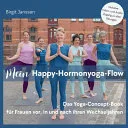
Birgit Janssen's 2025 guide, Mein Happy-Hormonyoga-Flow, addresses menopause through Hormonyoga.
Mein Happy-Hormonyoga-Flow, published in 2025, guides women through the hormonal changes of menopause using Hormonyoga. Birgit Janssen combines physical postures, breathwork, and meditation techniques designed to manage the physical and emotional symptoms of this life stage. The book aims to give women tools for managing these changes and improving their overall well-being.
This book is for women in perimenopause and menopause, especially those in Germany where millions are experiencing these transitions. Yoga instructors looking to understand hormonal yoga's role in women's health will also find it useful. Anyone interested in holistic health during midlife can find practical advice within its pages.
Janssen builds on the Hormonyoga practice popularized by figures like Dinah Rodrigues, which emerged in the late 20th and early 21st centuries. Her work appears at a time when discussions about women's health, including menopause, are becoming more open. It offers a modern view that connects ancient yoga traditions with current knowledge of hormonal balance.
Hormonyoga, as developed by figures like Dinah Rodrigues, is a specialized yoga form that emerged in the late 20th and early 21st centuries. It focuses on stimulating and balancing the endocrine system through specific postures, breathwork, and meditation. This practice is part of a broader esoteric tradition that views the body's energy systems and glands as interconnected and responsive to yogic techniques. Janssen's work contributes to this tradition by applying these principles to the specific physiological and emotional experiences of menopause, linking ancient yogic understanding with contemporary women's health concerns.
💡 Why Read This Book?
• Gain practical, targeted yoga sequences specifically designed by Birgit Janssen to address menopausal symptoms, offering a unique approach to hormonal balance that goes beyond general wellness practices. • Learn about the core principles of Hormonyoga, a specialized practice popularized by figures like Dinah Rodrigues, and understand how specific asanas and pranayama can influence endocrine function. • Discover empowering self-care techniques rooted in a 2025 publication, reflecting contemporary understanding and open dialogue surrounding women's health and the midlife transition.
⭐ Reader Reviews
Honest opinions from readers who have explored this book.
❓ Frequently Asked Questions
What is Hormonyoga and how does it differ from regular yoga?
Hormonyoga is a specialized yoga practice focusing on stimulating and balancing the endocrine glands, particularly the ovaries and adrenal glands, to support hormonal health. It often incorporates dynamic sequences, intense breathing techniques, and specific mudras not typically found in general yoga classes.
When is the best time to start practicing Hormonyoga for menopause?
Birgit Janssen's "Mein Happy-Hormonyoga-Flow" suggests that it can be beneficial to begin practicing Hormonyoga as soon as perimenopausal symptoms appear. Early intervention can help manage changes proactively and prepare the body for menopause.
Can Hormonyoga help with mood swings and anxiety during menopause?
Yes, many practitioners report that Hormonyoga can help regulate mood swings and reduce anxiety. The combination of physical exertion, focused breathing, and stress-reduction techniques aims to calm the nervous system and promote emotional equilibrium.
Is "Mein Happy-Hormonyoga-Flow" suitable for beginners?
The book is designed to be accessible, offering clear instructions for its yoga sequences. While some familiarity with yoga basics might be helpful, Birgit Janssen's approach aims to guide both those new to yoga and experienced practitioners through its specific techniques.
What are the main benefits of practicing the yoga flow described in the book?
The primary benefits include relief from common menopausal symptoms such as hot flashes, sleep disturbances, and mood fluctuations. It also aims to increase energy levels, improve libido, and foster a greater sense of well-being and self-acceptance during midlife.
Who is Birgit Janssen, the author?
Birgit Janssen is a yoga teacher with a passion for Hormonyoga. She draws on her personal experience and professional expertise to create this guide, positioning herself as a relatable guide for women navigating menopause.
🔮 Key Themes & Symbolism
Hormonal Balance Through Yoga
The central theme is achieving hormonal equilibrium during menopause via specialized yoga practices. Birgit Janssen details sequences designed to stimulate key endocrine glands, particularly the ovaries and adrenal glands, which are central to hormonal regulation. This approach positions yoga not merely as physical exercise but as a therapeutic tool to directly influence the body's internal chemistry, offering a natural pathway to alleviate symptoms like hot flashes, sleep disturbances, and mood swings associated with hormonal shifts.
Midlife Women's Well-being
This theme focuses on empowering women during the often challenging transition of menopause. Janssen acknowledges the widespread nature of these experiences, noting that millions of women in Germany alone face these changes. The book provides a supportive framework, offering practical strategies and fostering a sense of community among women going through similar life stages. It encourages self-care and proactive engagement with one's health, promoting a positive outlook on this phase of life.
The Practice of Hormonyoga
The book serves as an introduction and practical guide to Hormonyoga, a discipline that gained prominence through teachers like Dinah Rodrigues. Janssen likely breaks down the specific asanas, pranayama (breathwork), and meditation techniques that constitute this practice. The emphasis is on the therapeutic application of yoga, targeting specific physiological functions to restore balance and vitality, distinguishing it from more general yoga styles.
Self-Empowerment and Transformation
A significant theme is the idea that women can actively influence their hormonal health and overall well-being. By learning and applying the techniques within "Mein Happy-Hormonyoga-Flow," readers are encouraged to take an empowered stance towards their midlife changes. The practice is presented as a means of internal transformation, fostering resilience, vitality, and a deeper connection to one's own body during a period of significant biological transition.
💬 Memorable Quotes
Direct passages from the work, attributed to the author.
“Du bist damit nicht allein!”
— This simple phrase, translating to 'You are not alone!', directly addresses the reader, acknowledging the shared experience of menopause. It aims to combat feelings of isolation by emphasizing solidarity among women undergoing similar physiological and emotional changes.
“Wie aus heiterem Himmel stellen sich körperliche und mentale Veränderungen bei dir ein.”
— This describes the often sudden and unexpected onset of menopausal symptoms. It captures the surprise and potential disorientation women can feel as their bodies and minds begin to shift, highlighting the need for guidance and support.
“Ich, Birgit Janssen, Yoga-Lehrerin mit einer Passion für Hormonyoga, zähle mich auch dazu.”
— Janssen establishes her credibility and relatability by identifying herself as both a yoga instructor specializing in Hormonyoga and someone who personally experiences menopause. This dual perspective fosters trust and connection with the reader.
“Du und ich stehen in unserer Lebensm”
— This incomplete sentence fragment suggests a shared journey and a mutual understanding between the author and the reader. It implies a collaborative approach to reading through the challenges and opportunities of this life stage together.
“Du merkst, dass du Gesprächsbedarf hast und auf ganz neue Fragen Antworten suchst.”
— This highlights the psychological and emotional aspect of menopause, where individuals often feel a need to discuss their experiences and seek answers to new, often profound, questions about their bodies and lives.
🌙 Esoteric Significance
Tradition
While not strictly tied to ancient esoteric lineages like Hermeticism or Kabbalah, Hormonyoga, as presented by Janssen, draws implicitly from yogic traditions that view the body as a microcosm of the universe and emphasize energetic flows (prana). Its focus on stimulating specific glands and influencing hormonal states can be seen as a form of subtle energy work, aligning with broader esoteric interests in mind-body connection and self-directed energetic transformation.
Symbolism
Key symbols likely include the endocrine glands themselves (ovaries, adrenals) as centers of vital force and transformation. The practice may also employ symbols related to the sun (vitality, energy) and moon (feminine cycles, intuition), common in esoteric thought. The 'flow' itself can symbolize the continuous, cyclical nature of life and the body's processes, which the yoga aims to harmonize.
Modern Relevance
Janssen's work appeals to contemporary trends in holistic health, somatic experiencing, and feminist wellness movements. Thinkers and practitioners focusing on embodied cognition, trauma-informed care, and the science of well-being often explore practices like Hormonyoga. It aligns with modern therapeutic approaches that integrate mind, body, and spirit, offering a practical application for those seeking non-pharmacological methods to manage life transitions.
👥 Who Should Read This Book
['• Women experiencing perimenopause or menopause seeking practical, yoga-based techniques to manage symptoms like hot flashes, mood swings, and sleep disturbances.', "• Yoga instructors interested in expanding their repertoire with specialized therapeutic practices focused on women's hormonal health.", '• Individuals interested in holistic and natural approaches to midlife well-being, seeking to understand the connection between physical practice and endocrine balance.']
📜 Historical Context
The practice of Hormonyoga, notably developed and popularized by Dinah Rodrigues starting in the late 1990s, emerged within a growing interest in therapeutic yoga applications. Rodrigues' work, often drawing on Hatha Yoga techniques, aimed to address specific physiological issues, particularly endocrine imbalances. Birgit Janssen's "Mein Happy-Hormonyoga-Flow," published in 2025, situates itself within this lineage, offering a contemporary German perspective on managing menopause. This period, the early to mid-2020s, has seen a significant shift towards destigmatizing menopause, with more open public discourse facilitated by figures like Davina McCall in the UK and numerous health professionals advocating for better support. While Rodrigues faced initial skepticism from some traditional yoga circles, the increasing acceptance of yoga's therapeutic potential has paved the way for works like Janssen's, which speak directly to a large demographic seeking natural health solutions.
📔 Journal Prompts
The concept of 'Happy Hormones' and its relation to specific yoga sequences.
Physical and mental changes experienced during perimenopause and menopause.
Personal reflections on the need for conversation and answers regarding hormonal shifts.
The author's identification as both a teacher and a woman experiencing menopause.
Strategies for fostering well-being during midlife transitions.
🗂️ Glossary
Hormonyoga
A specialized form of yoga designed to stimulate and balance the endocrine glands, particularly the ovaries, thyroid, and adrenal glands, to support hormonal health and alleviate symptoms associated with hormonal imbalances.
Wechseljahre
The German term for menopause, referring to the transitional phase in a woman's life when menstrual periods cease, typically occurring between the ages of 45 and 55.
Asanas
Physical postures or poses in yoga, which in Hormonyoga are often selected and sequenced for their specific effects on the endocrine system.
Pranayama
Breathing techniques in yoga, used in Hormonyoga to generate energy, calm the nervous system, and influence physiological processes.
Endokrine Drüsen
Endocrine glands, such as the ovaries, adrenal glands, and thyroid, which produce and secrete hormones that regulate various bodily functions.
Perimenopause
The transitional period before menopause, characterized by fluctuating hormone levels and the initial onset of related symptoms.
Happy Hormonyoga Flow
The specific sequence or style of Hormonyoga presented by Birgit Janssen, aimed at promoting positive hormonal balance and well-being during menopause.