"Magnum opus,"
 61
61

"Magnum opus,"

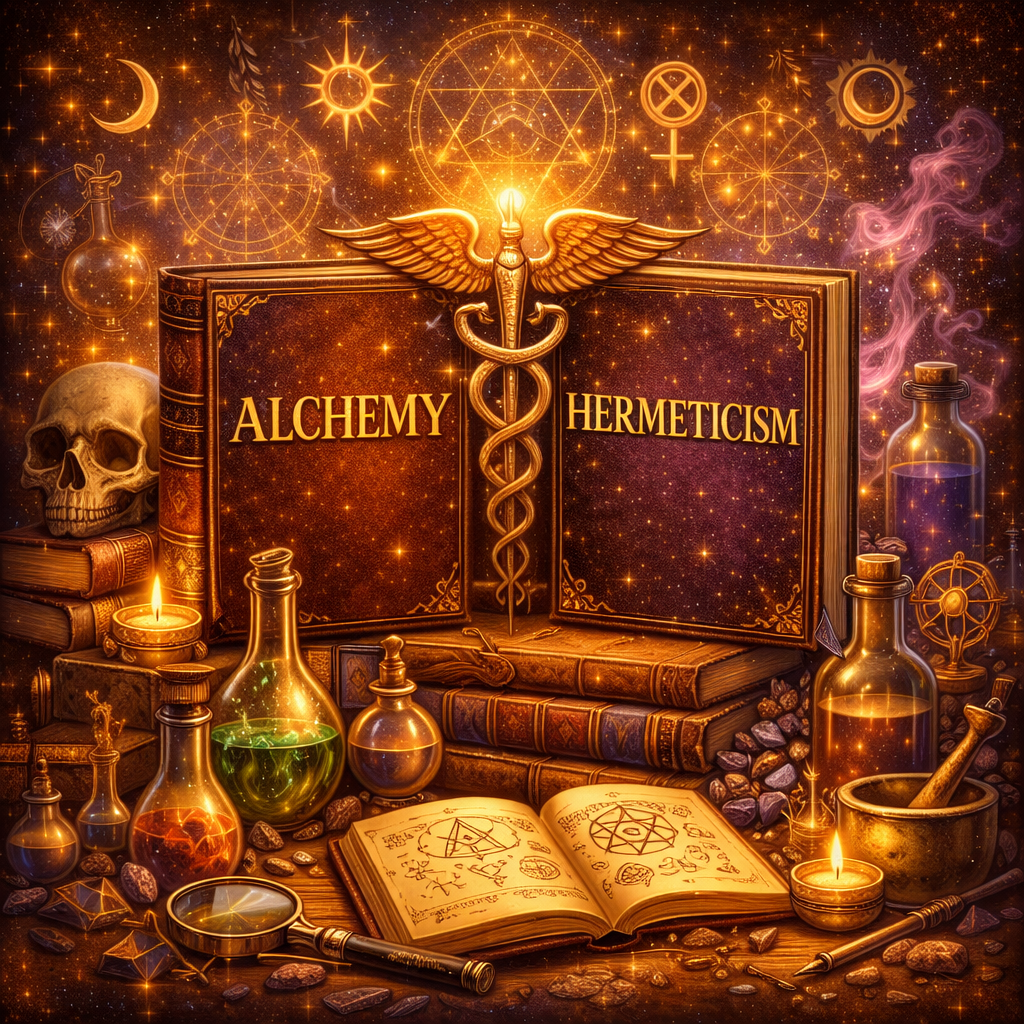

Review by Isolde Whitaker (Sacred Texts Editor) — 'Magnum Opus' by Percy Cecil Magnus is a masterful exploration of alchemical and Hermetic traditions. Magnus' work stands out for its depth of esoteric insights and the clarity with which it presents complex, ancient concepts. This book is a must-read for anyone interested in the mystical and occult. Its strengths lie in its thorough research and the author's ability to weave historical context with contemporary relevance. Ideal for both scholars and spiritual seekers, 'Magnum Opus' provides a rich tapestry of hidden knowledge that enriches the reader's understanding of the mystical arts.
📝 Description
61
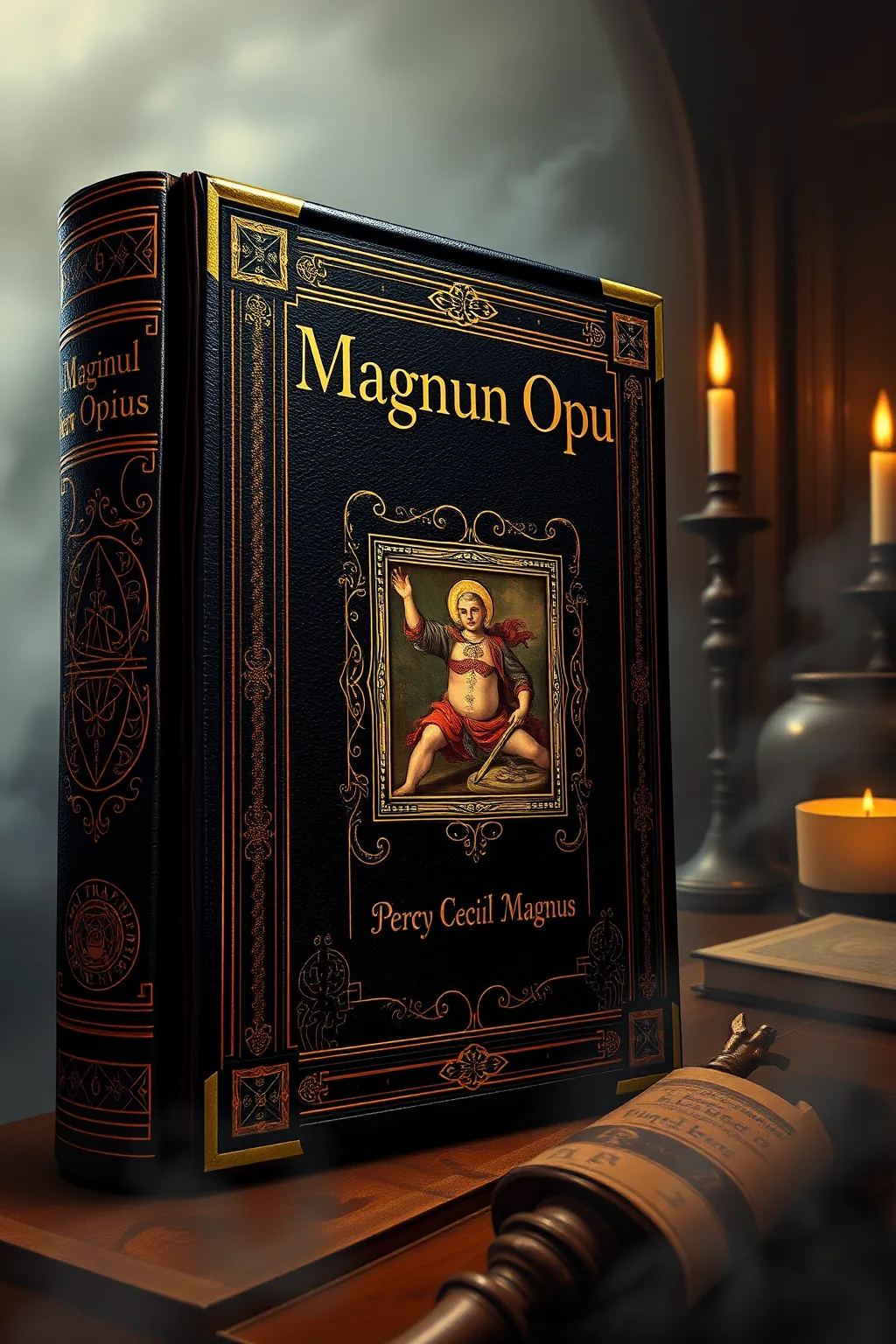
Percy Cecil Magnus published 'Magnum Opus' to illuminate the principles of alchemy and Hermeticism.
Percy Cecil Magnus's 'Magnum Opus' details the symbolic language and processes central to Western esoteric traditions. The text examines alchemical operations, not as mere chemical transformations, but as metaphors for spiritual development. Magnus connects these ideas to broader Hermetic philosophy, suggesting a unified system of understanding reality. The book addresses practitioners and scholars interested in the hidden currents of thought that shaped these disciplines.
Magnus presents alchemical symbolism as a key to unlocking deeper truths about existence. He discusses the allegorical meaning behind common alchemical ingredients and stages. The work aims to bridge the gap between theoretical knowledge and practical application within the esoteric framework. It invites contemplation on the relationship between the material and the spiritual, a recurring theme in occult literature.
Published in an era of renewed interest in occult studies, 'Magnum Opus' stands within the Western Esoteric Tradition. It draws from alchemical texts that date back centuries, often referencing figures and concepts from earlier Hermetic writings. The book's approach reflects a late 19th or early 20th century interpretation of these ancient disciplines, seeking to systematize and explain their symbolic language for a modern audience. It is part of a larger movement to make esoteric knowledge accessible and understandable.
💡 Why Read This Book?
Read 'Magnum Opus' to uncover the profound secrets of alchemy and Hermeticism. This book is ideal for seekers of hidden knowledge, scholars of the occult, and practitioners of mystical arts. It offers a deep dive into the symbolism and philosophical significance of alchemical processes, providing insights that can transform your understanding of the world and your place within it.
⭐ Reader Reviews
Honest opinions from readers who have explored this book.
❓ Frequently Asked Questions
What is the main theme of 'Magnum Opus'?
The main theme is the exploration of alchemical processes and Hermetic principles, revealing the transformative power of esoteric wisdom.
Who is the intended audience for this book?
The intended audience includes scholars of the occult, spiritual seekers, and practitioners of mystical arts who are interested in hidden knowledge and esoteric traditions.
What makes 'Magnum Opus' unique?
'Magnum Opus' stands out for its depth of research and the clarity with which it presents complex, ancient concepts, making it accessible and insightful for modern readers.
How does this book relate to modern practices?
The book provides insights into alchemical processes that are still relevant in modern spiritual and esoteric practices, offering a bridge between ancient wisdom and contemporary spirituality.
Is 'Magnum Opus' suitable for beginners?
While it is rich in information, beginners may find it beneficial to have some prior knowledge of alchemy and Hermeticism to fully appreciate its depth.
🔮 Key Themes & Symbolism
Alchemical Transformation
The book explores the process of alchemical transformation, where base materials are transmuted into gold. This theme symbolizes the spiritual journey of the seeker, who aims to purify and elevate their soul through esoteric practices.
Hermetic Principles
Magnus studies the Hermetic principles that underlie alchemy, revealing the hidden knowledge that connects the microcosm and the macrocosm. These principles offer a framework for understanding the interconnectedness of all things.
Symbolism and Mysticism
The text is rich in symbolism, using mystical imagery to convey deep truths. Readers will encounter symbols such as the philosopher's stone, the ouroboros, and the emerald tablet, each with its own profound significance.
💬 Memorable Quotes
Direct passages from the work, attributed to the author.
“As above, so below.”
— A Hermetic principle that emphasizes the correspondence between the microcosm and the macrocosm, reflecting the interconnectedness of all things.
“The ouroboros symbolizes the eternal cycle of life and death.”
— The serpent eating its own tail represents the cyclical nature of existence and the eternal quest for knowledge and wisdom.
💡 Key Ideas
Editorial paraphrase of the work's core concepts — not direct quotes.
The alchemist seeks not gold but the philosopher's stone.
This quote underscores the spiritual goal of alchemy, where the pursuit of material wealth is secondary to the quest for spiritual enlightenment.
The journey of the alchemist is one of purification and transformation.
This line highlights the transformative nature of the alchemical process, which mirrors the seeker's spiritual journey towards self-realization.
The emerald tablet holds the secrets of the universe.
This quote refers to the ancient text attributed to Hermes Trismegistus, which is believed to contain the fundamental principles of Hermeticism.
🌙 Esoteric Significance
Tradition
This book belongs to the Hermetic tradition, which emphasizes the interconnectedness of all things and the pursuit of spiritual enlightenment through esoteric knowledge. It draws on ancient alchemical practices and Hermetic principles, offering a deep dive into the mystical arts.
Symbolism
Key symbols in the book include the philosopher's stone, the ouroboros, and the emerald tablet. The philosopher's stone represents the ultimate goal of alchemy, the transformation of base materials into gold. The ouroboros symbolizes the eternal cycle of life and death, while the emerald tablet is believed to contain the fundamental principles of Hermeticism.
Modern Relevance
Today, , 'Main work' remains relevant for practitioners of the occult and spiritual seekers who are interested in the transformative power of esoteric wisdom. Modern alchemists and Hermeticists continue to draw on the principles and symbols presented in this book, using them as a foundation for their own spiritual journeys.
👥 Who Should Read This Book
Beginners interested in alchemy and Hermeticism will find 'Main work' a rich source of foundational knowledge. Scholars of the occult will appreciate its depth of research and esoteric insights. Spiritual seekers will be inspired by the transformative power of the alchemical process, while practitioners of mystical arts will find practical applications for their own spiritual journeys.
📜 Historical Context
Written in an era when alchemy was both a scientific and mystical pursuit, 'Main work' reflects the intellectual curiosity and spiritual fervor of its time. The book draws on ancient Hermetic texts and alchemical practices, providing a window into the esoteric traditions that flourished during the Renaissance. Its influence can be seen in the works of later occultists and mystics, who continued to explore the depths of hidden knowledge and symbolic transformation.
📔 Journal Prompts
How does the concept of alchemical transformation relate to your own spiritual journey?
What are the key Hermetic principles that resonate with you and why?
Reflect on a symbol from the book that holds personal significance for you.
How can the teachings of 'Main work' be applied to modern spiritual practices?
What insights from the book have challenged or deepened your understanding of esoteric traditions?
🗂️ Glossary
Alchemy
An ancient practice that combines elements of chemistry, mysticism, and spirituality, aiming to transform base materials into gold and achieve spiritual enlightenment.
Hermeticism
A philosophical and spiritual tradition based on the teachings of Hermes Trismegistus, emphasizing the interconnectedness of all things and the pursuit of hidden knowledge.
Philosopher's Stone
A legendary substance in alchemy believed to be capable of turning base metals into gold and granting immortality.
Ouroboros
A symbol of a serpent or dragon eating its own tail, representing the eternal cycle of life, death, and rebirth.
Emerald Tablet
An ancient Hermetic text attributed to Hermes Trismegistus, containing the fundamental principles of Hermeticism and alchemy.
This book appears in 3 collections
🔮 Readers Also Liked
Browse all →






More by Percy Cecil Magnus
All books →From the “Hermeticism” Collection
View all →





More Free Alchemy & Hermeticism Books
View all →