Magical Rites From The Crystal Well (Llewellyn's Practical Magick)

 76
76

Magical Rites From The Crystal Well (Llewellyn's Practical Magick)
Ed Fitch’s Magical Rites From The Crystal Well offers a refreshingly direct approach to ceremonial magic, a significant contribution when it first appeared in 1971. The book’s strength lies in its no-frills instruction; it’s less a philosophical treatise and more a working manual. Fitch avoids the esoteric jargon that can alienate newcomers, presenting spells and rites with clarity. However, this very directness can sometimes feel abrupt. For instance, the section on "Consecration of Tools" provides the mechanics but assumes a level of understanding about *why* these tools are consecrated that might be missing for absolute beginners. A passage detailing the precise formulation of a "Protection Circle" is a good example of its practical, albeit sometimes terse, instruction. It’s a solid, if unadorned, guide for those ready to do the work.
📝 Description
76
Ed Fitch's Magical Rites From The Crystal Well, published in 1971, offers direct instructions for magical practice.
Magical Rites From The Crystal Well, first released in 1971, presents a direct approach to ceremonial magic. Ed Fitch bypasses extensive theory to focus on actionable spells and rites. The book guides practitioners through magical operations, stressing the use of intent, will, and specific ritual components. It is for individuals with a serious interest in ritual craft who prefer a no-nonsense method over philosophical exposition.
Readers seeking concrete instructions for spellcasting, consecration, and other ritualistic acts will find value in its pages. The work is especially suited for those with some prior understanding of magical principles ready to apply them. Fitch's book emerged during a period of renewed interest in occultism and alternative spiritualities, following the countercultural movements of the 1960s. This era saw a rise in esoteric literature, and Llewellyn Worldwide became a key publisher.
Published in 1971, this work appeared as occult and esoteric interests surged. It offered a practical counterpoint to more theoretical or academic texts on magic. Fitch's approach contributed to the growing body of accessible magical literature that explored traditions like Wicca and ceremonial magic.
💡 Why Read This Book?
• Gain practical, step-by-step instructions for performing essential magical rites, such as those for consecrating tools, as detailed within the text, enabling immediate application of learned techniques. • Understand the mechanics of focused will and intent in ritual work, as presented in Fitch's direct methodology, fostering a deeper connection to the efficacy of magical practice. • Learn specific techniques for invoking and directing energies, including methods for creating protective circles as described in the book, providing concrete magical operations for personal development.
⭐ Reader Reviews
Honest opinions from readers who have explored this book.
❓ Frequently Asked Questions
What is the primary focus of Ed Fitch's Magical Rites From The Crystal Well?
The book's primary focus is on practical, hands-on ceremonial magic and ritual craft. It offers direct instructions for performing various magical operations rather than extensive theoretical discussions, making it a working manual for practitioners.
Who is the intended audience for this book?
It is intended for individuals seriously interested in ceremonial magic who prefer a direct, actionable approach. Those with some existing understanding of magical principles seeking to apply them in concrete ways will find it most beneficial.
When was Magical Rites From The Crystal Well first published?
Magical Rites From The Crystal Well was first published in 1971 by Llewellyn Publications, during a period of renewed interest in occult studies.
What kind of rites or spells can be found in the book?
The book includes rites for consecrating tools, creating protective circles, and other fundamental magical operations. It emphasizes the use of will, intent, and symbolic elements in ritual practice.
Does the book require prior knowledge of magic?
While not strictly mandatory, some prior understanding of magical concepts is beneficial. The book's directness assumes a reader ready to engage with ritual mechanics without extensive foundational explanation.
What distinguishes this book from other magical texts published around the same time?
Its distinction lies in its unadorned, practical approach. Unlike more theoretical or philosophical works, Fitch's book functions as a direct guide to performing magical rites, emphasizing action over extensive discourse.
🔮 Key Themes & Symbolism
Direct Ritual Execution
The book champions the practice of magic through direct action. It provides clear, step-by-step instructions for various rites, emphasizing the execution of spells and ceremonies over abstract theory. This focus on 'doing' magic is central, presenting techniques for consecrating tools, creating protective circles, and invoking energies with a procedural clarity designed for immediate application by the practitioner. The work assumes that understanding often arises from practice itself.
Focused Will and Intent
Central to Fitch's methodology is the power of focused will and intent. The text underscores that the practitioner's mental discipline and clear purpose are the driving forces behind magical efficacy. Various rites are presented as frameworks through which this focused will can be channeled. The book guides the reader on how to cultivate and direct this internal power, making personal resolve the key ingredient in manifesting desired outcomes through ritual work.
Symbolic Tools and Space
Magical Rites From The Crystal Well details the importance of symbolic tools and the consecration of sacred space. It outlines how specific implements and the ritual environment itself can be charged with magical significance, serving as focal points for energy work. The book provides practical instructions for preparing these elements, enabling practitioners to establish a potent and receptive atmosphere conducive to successful magical operations.
Elemental and Planetary Correspondences
The work incorporates principles of elemental and planetary correspondences within its ritual framework. It suggests methods for working with these forces, integrating them into spells and ceremonies to enhance their power and specific effect. This grounding in established esoteric systems provides a structured approach to manipulating energies, allowing practitioners to align their workings with broader cosmic influences.
💬 Memorable Quotes
Direct passages from the work, attributed to the author.
“The rite is the vehicle.”
— This concise statement expresses the book's philosophy: the ritual itself, the precise performance of the actions and words, is the primary means by which magical intent is actualized and energy is directed.
“Consecration imbues the tool with purpose.”
— This highlights the importance of ritual preparation. It suggests that mundane objects are transformed into potent magical instruments through dedicated ceremonies that imbue them with specific intent and energetic charge.
“Focus your will upon the goal.”
— This emphasizes the critical role of mental discipline in magic. It's a directive to maintain unwavering concentration on the desired outcome throughout the magical working, ensuring the energy raised is effectively channeled.
“The circle defines the sacred space.”
— This refers to the practice of creating a defined ritual area, often a circle, that serves to contain energies, provide protection, and establish a sacred, set-apart environment for magical operations.
“Intent shapes the outcome.”
— This interpretation suggests that the clarity and strength of the practitioner's intention are paramount in determining the success and nature of the magical result achieved through the rite.
🌙 Esoteric Significance
Tradition
This work fits within the broader Western Esoteric Tradition, specifically drawing from ceremonial magic lineages. It operates with a practical, operational focus reminiscent of earlier grimoires and magical textbooks but stripped of much of their archaic language and complex theoretical frameworks. It departs by emphasizing direct, personal experience and a less hierarchical approach, making it accessible to a wider audience than strictly initiatory orders might allow.
Symbolism
Key symbols include the consecrated tool (e.g., wand, athame), representing the practitioner's will and focused intent, and the protective circle, symbolizing the creation of a sacred, contained space for magical work. These elements are not merely decorative but are presented as integral components of the ritual process, acting as conduits and anchors for magical energy and consciousness.
Modern Relevance
Contemporary practitioners of eclectic witchcraft, neo-paganism, and modern ceremonial magic often find value in Fitch's foundational approach. His emphasis on practical application and clear ritual structure informs modern spellcraft and ritual design, particularly for those who favor direct methods over complex theoretical systems. The book remains a reference for understanding the mechanics of ritual performance.
👥 Who Should Read This Book
• Aspiring ceremonial magicians seeking a direct, hands-on introduction to ritual craft, providing concrete steps for essential magical operations. • Practitioners interested in developing focused will and intent, as the book emphasizes these as core components of effective magical practice. • Students of esoteric history looking for examples of practical magical texts published during the 1970s occult revival.
📜 Historical Context
Emerging in 1971, Magical Rites From The Crystal Well was part of a wave of esoteric literature that surged in the post-1960s era. This period saw a significant increase in public engagement with occult philosophies, Wicca, and neo-paganism, often facilitated by publishers like Llewellyn. Ed Fitch’s work offered a practical counterpoint to more theoretical or historical explorations of magic. It provided accessible, actionable techniques for individuals seeking to practice ceremonial magic directly, distinguishing itself from the burgeoning scholarly interest in comparative religion and the more mystical writings of figures like Dion Fortune, who had explored similar themes earlier. The book’s straightforward approach helped explain ritual for a new generation of practitioners.
📔 Journal Prompts
The consecration of magical tools: what personal significance does each tool hold?
Describe a ritual space you have created or could create. What makes it sacred?
How does focused intent manifest in your daily life beyond magical practice?
Reflect on the concept of the "rite as vehicle" in a non-magical context.
Consider the protective circle: what boundaries do you establish in your life?
🗂️ Glossary
Rite
A formal, ceremonial act or procedure performed in a set sequence, often with symbolic meaning and religious or magical significance.
Consecration
The act of dedicating or setting apart an object, place, or person for a sacred purpose, often involving ritual purification and invocation.
Will
In a magical context, the focused mental power and determination of the practitioner used to direct energy and influence outcomes.
Intent
The clear purpose or aim behind a magical working; the desired outcome that the practitioner seeks to achieve through ritual.
Circle
A ritual space, typically circular, created through specific methods to contain energies, provide protection, and establish a sacred area for magical operations.
Invocation
The act of calling upon a deity, spirit, or energy for assistance, guidance, or manifestation within a ritual.
Practical Magick
A term referring to the application of magical principles and techniques for tangible results, emphasizing action and execution over theoretical study.
🔮 Readers Also Liked
Browse all →








More by Ed Fitch
All books →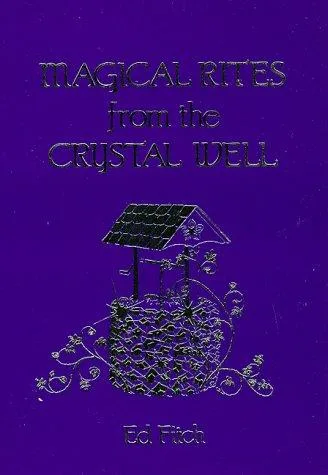




More Free Magic & Ritual Books
View all →