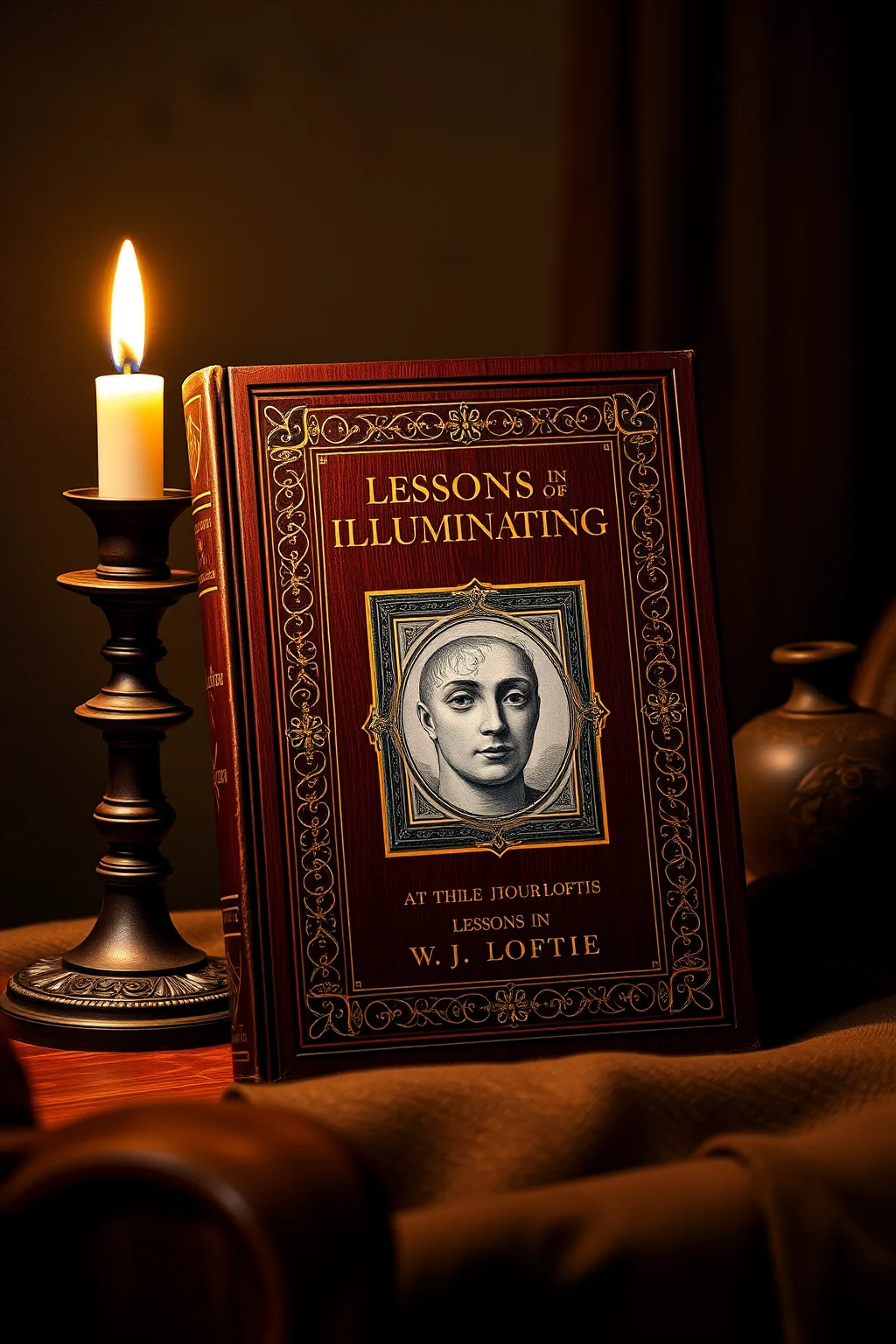
Lessons in the Art of Illuminating: A Series of Examples selected from Works in the British Museum, Lambeth Palace Library, and the South Kensington Museum. With Practical Instructions, and a Sketch of the History of the Art
 69
69

Lessons in the Art of Illuminating: A Series of Examples selected from Works in the British Museum, Lambeth Palace Library, and the South Kensington Museum. With Practical Instructions, and a Sketch of the History of the Art


W. J. Loftie's "Lessons in the Art of Illuminating" is a seminal work for anyone interested in the esoteric and occult aspects of book illumination. Published in 1839, this book offers a unique blend of historical context and practical instructions, making it a valuable resource for modern esoteric seekers. Loftie's meticulous documentation of illuminated manuscripts from the British Museum, Lambeth Palace Library, and the South Kensington Museum provides a rich tapestry of examples that are both visually stunning and intellectually stimulating. The book's exploration of the symbolic meanings behind these illustrations adds depth to its value, making it a treasure trove for those interested in Freemasonry and secret societies. For contemporary readers, this text serves as a bridge between the past and present, offering insights into ancient techniques that can be applied to modern artistic practices. The detailed history of the art of illumination is particularly enlightening, providing a context that enriches the understanding of these mystical practices.
📝 Description
69
William John Loftie's 1890 book presents practical instructions for medieval manuscript illumination.
This 1890 volume by William John Loftie collects examples of medieval manuscript illumination from major British institutions. It includes practical instructions for creating illuminated manuscripts, alongside a sketch of the art form. The book draws on works held at the British Museum, Lambeth Palace Library, and the South Kensington Museum. Loftie's text aims to guide the reader through the techniques and symbolic meanings present in these historical examples. It offers a look at the visual language and craftsmanship of an art form that was once central to the production of books.
While not overtly occult, the book engages with an art form deeply connected to spiritual and religious texts. Medieval illumination often served to enhance sacred writings, incorporating symbolic imagery and devotional elements. The careful execution of these designs was part of a tradition that imbued visual elements with theological meaning. For those interested in the historical intersection of art, religion, and symbolism, Loftie's work provides a window into practices that were both devotional and artistic, reflecting a worldview where the sacred permeated the material.
✍️ Author
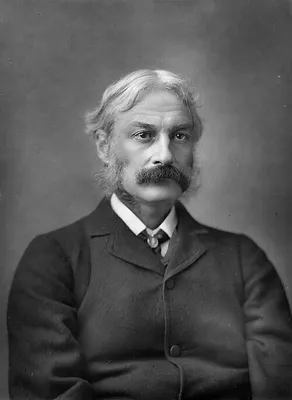
Loftie, W. J. (William John)
Andrew Lang (31 March 1844 – 20 July 1912) was a Scottish poet, novelist, literary critic, and contributor to the field of anthropology. He is best known as a collector of folk and fairy tales.
💡 Why Read This Book?
Reading "Lessons in the Art of Illuminating" today offers a unique opportunity to explore the esoteric and occult dimensions of book illumination. This book provides practical instructions and historical context that can inspire modern artists and esoteric seekers alike. By delving into the techniques and symbolism of illuminated manuscripts, readers can gain a deeper understanding of the mystical practices that have been passed down through generations. This knowledge can be applied to contemporary artistic practices, enriching one's creative process and offering new perspectives on the intersection of art and mysticism.
⭐ Reader Reviews
Honest opinions from readers who have explored this book.
❓ Frequently Asked Questions
What is the main focus of "Lessons in the Art of Illuminating"?
The main focus of the book is the art of book illumination, providing examples from renowned collections and practical instructions for creating illuminated manuscripts.
Who should read this book?
This book is ideal for scholars, artists, and esoteric seekers interested in Freemasonry, secret societies, and the occult.
What historical context does the book provide?
The book offers a detailed history of the art of illumination, including its use in religious and esoteric contexts, enriching the reader's understanding of these mystical practices.
🔮 Key Themes & Symbolism
Symbolism in Illumination
Illuminated manuscripts are rich in symbolism, often conveying spiritual truths and mystical insights through intricate designs. Loftie's work reveals the profound philosophical significance behind these symbols, making it a valuable resource for seekers of hidden wisdom.
Esoteric Knowledge
The art of illumination is deeply rooted in esoteric traditions, where hidden knowledge is encoded in symbolic forms. This book offers a pathway to decoding these symbols and understanding their deeper meanings.
Historical Context
Loftie's book provides a detailed sketch of the history of illumination, drawing from renowned collections. This historical context enriches the reader's understanding of the art and its significance in various cultural and spiritual traditions.
💬 Memorable Quotes
Direct passages from the work, attributed to the author.
“Each stroke of the brush is a step into the sacred.”
— Illumination is not just an art form but a spiritual practice, where each design holds a deeper meaning.
“In the dance of light and color, the divine is revealed.”
— The intricate designs in illuminated manuscripts reveal the divine through the interplay of light and color.
💡 Key Ideas
Editorial paraphrase of the work's core concepts — not direct quotes.
The art of illumination is a language of symbols, speaking to the soul in whispers of divine truth.
This quote underscores the mystical and esoteric nature of illuminated manuscripts, where symbols convey profound spiritual insights.
The illuminated page is a doorway to the hidden domains of knowledge.
This quote highlights the esoteric significance of illuminated manuscripts, serving as a gateway to hidden wisdom.
The art of illumination is a journey into the heart of mystery.
This quote emphasizes the mystical journey that readers begin when exploring the art of illumination.
🌙 Esoteric Significance
Tradition
This book belongs to the Hermetic tradition, where the art of illumination is seen as a means of conveying divine wisdom and esoteric knowledge. It is a practice rooted in the belief that symbols and designs can reveal spiritual truths and mystical insights.
Symbolism
Key symbols in illuminated manuscripts include celestial bodies, mythical creatures, and geometric patterns, each holding a deeper meaning. These symbols are used to encode hidden knowledge and convey spiritual messages.
Modern Relevance
Today, the art of illumination continues to inspire modern practitioners of the occult and seekers of hidden wisdom. Its relevance lies in its ability to bridge the gap between ancient traditions and contemporary spiritual practices.
👥 Who Should Read This Book
Beginners in the esoteric arts will find this book an excellent starting point for understanding the symbolism and spiritual significance of illuminated manuscripts. Scholars of the occult will appreciate the historical context and practical instructions provided. Spiritual seekers will be drawn to the mystical insights and hidden knowledge revealed in the pages. Practitioners of esoteric arts will find valuable guidance and inspiration for their own work.
📜 Historical Context
Written in an era when the mystical and esoteric were deeply intertwined with daily life, 'Lessons in the Art of Informative' provides a window into the spiritual practices and symbolic traditions of the medieval world. The book's significance lies in its ability to preserve and transmit the hidden knowledge encoded in illuminated manuscripts, making it a vital resource for understanding the esoteric traditions of the past. Its influence extends to modern practitioners of the occult and seekers of hidden wisdom, who continue to draw inspiration from its pages.
📔 Journal Prompts
Reflect on the symbolism in an illuminated manuscript you have seen. What deeper meanings do you perceive?
How does the art of illumination connect with your spiritual practices?
Consider the historical context of illuminated manuscripts. How do they reflect the esoteric traditions of their time?
Explore a specific symbol from an illuminated manuscript. What hidden knowledge does it convey?
Write about your personal journey into the mystical world of illuminated manuscripts.
🗂️ Glossary
Illumination
The art of decorating manuscripts with intricate designs, often conveying spiritual and esoteric messages.
Esoteric Symbolism
Symbols that convey hidden knowledge and mystical insights, often used in spiritual and occult traditions.
Hermetic Tradition
A spiritual and philosophical tradition based on the writings of Hermes Trismegistus, emphasizing the study of symbols and divine wisdom.
Medieval Manuscripts
Handwritten texts from the Middle Ages, often adorned with illuminated designs and esoteric symbols.
Divine Wisdom
Spiritual knowledge and insights revealed through mystical and esoteric practices.
This book appears in 2 collections
🔮 Readers Also Liked
Browse all →
From the “Secret Societies” Collection
View all →




More Free Freemasonry & Secret Societies Books
View all →