Learn the Tarot Basics_ a Guidance You Need for Tarot Readings
 62
62

Learn the Tarot Basics_ a Guidance You Need for Tarot Readings



Evander Ashcroft (Alchemy & Hermeticism Editor) — Carol Chevarie's "Learn the Tarot Basics" is a welcome addition to the esoteric library, offering a refreshingly grounded yet deeply mystical introduction to the Tarot. Chevarie masterfully demystifies the complex symbolism, presenting it not as arcane jargon, but as a living language of the soul. The author's clarity illuminates the archetypal narratives and their profound connection to personal transformation. This work is ideally suited for those who approach the Tarot with a genuine desire for spiritual insight and practical application, offering a solid foundation for a lifelong exploration of this ancient art. Its strength lies in its ability to bridge the gap between theoretical understanding and intuitive practice.
📝 Description
62
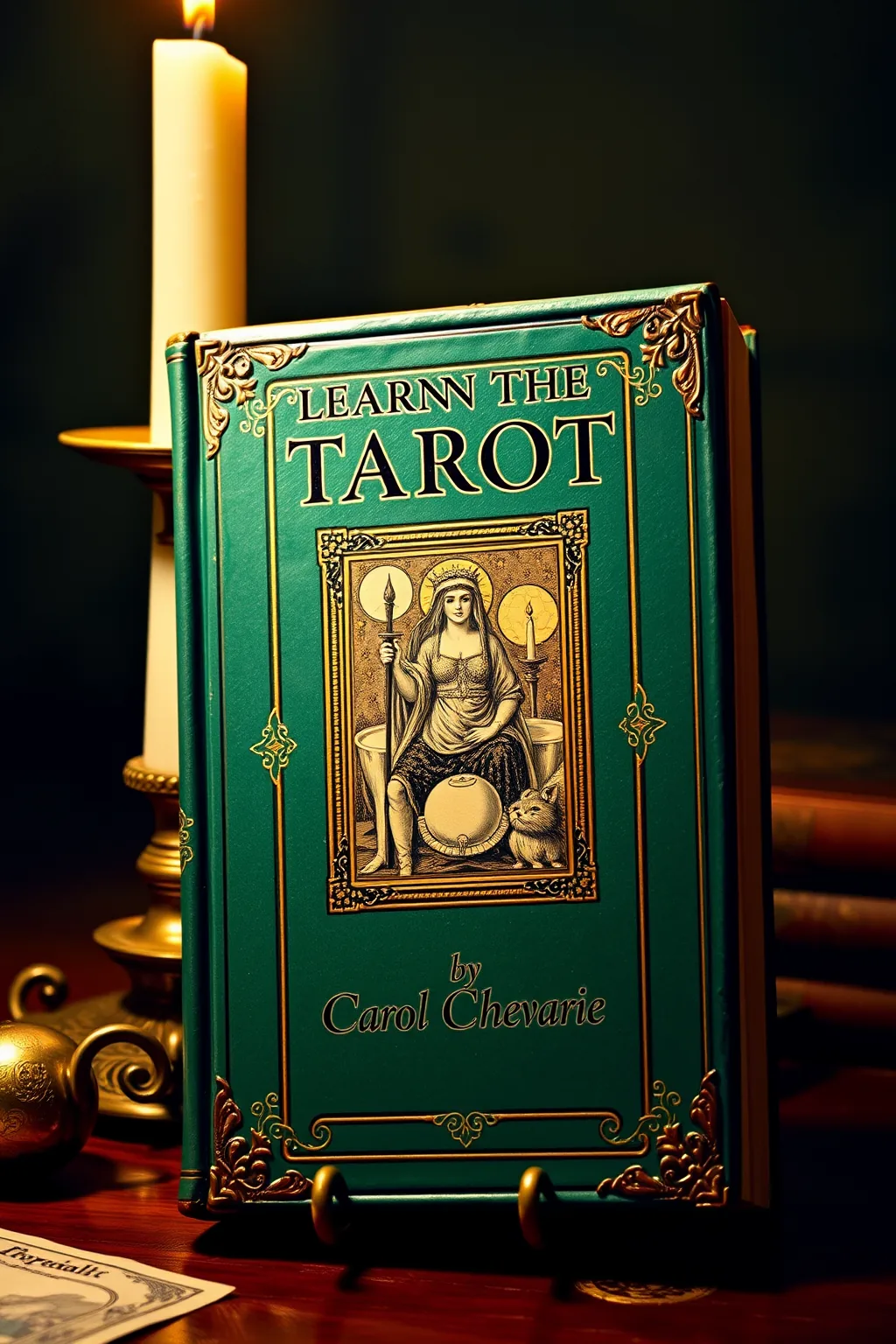
Carol Chevarie's 1999 book unpacks the core meanings of the Tarot's 78 cards.
This book serves as a guide to understanding the Tarot. Carol Chevarie breaks down the symbolism of each card, from the Major Arcana like the Fool and the High Priestess to the Minor Arcana such as the Sun and the Tower. The text aims to help readers move beyond simple pictograms to grasp the deeper messages within the cards. It discusses how these symbols relate to personal development, spiritual awareness, and the subtle forces at play in the world. The book is written for those new to Tarot reading or those looking to deepen their practice. It presents Tarot as a method for self-exploration and for interpreting life's events. Chevarie encourages readers to use the Tarot as a tool for gaining insight and understanding.
Within esoteric traditions, the Tarot has long been viewed as a symbolic language that mirrors the human psyche and the cosmos. Books like Chevarie's connect this system to practices of divination and spiritual growth. They often align card imagery with archetypes and psychological concepts, suggesting that the Tarot can act as a map for inner exploration. This perspective places the Tarot not just as a fortune-telling tool, but as a vehicle for understanding life's patterns and one's place within them, drawing on a lineage of occult and psychological interpretations.
💡 Why Read This Book?
Unlock the ancient secrets of the Tarot and embark on a transformative journey of self-discovery. This guide provides the foundational knowledge and intuitive tools necessary to interpret the cards with depth and clarity. Ideal for nascent practitioners, spiritual seekers, and those curious about the symbolic language of the cosmos, it empowers you to illuminate your path and understand the hidden influences shaping your life.
⭐ Reader Reviews
Honest opinions from readers who have explored this book.
❓ Frequently Asked Questions
What are the essential components of a Tarot reading?
A Tarot reading typically involves a question, a spread of cards laid out in a specific pattern, and the interpretation of the symbols and their relationships to reveal insights and potential outcomes related to the querent's inquiry.
How can I develop my intuition for Tarot readings?
Developing intuition involves meditation, journaling about card meanings, practicing regular readings, and paying close attention to the feelings, images, and insights that arise during the process. Trusting your inner voice is key.
What is the difference between the Major and Minor Arcana?
The Major Arcana represent significant life lessons, spiritual archetypes, and major turning points, while the Minor Arcana depict the everyday events, challenges, and experiences of life, often categorized into four suits.
Can Tarot predict the future with certainty?
Tarot is generally understood as a tool for guidance and insight, reflecting current energies and potential paths rather than dictating a fixed future. It offers possibilities and advice for navigating life's currents.
How do I choose a Tarot deck that is right for me?
Choosing a deck is a personal journey. Look for artwork that resonates with you, consider the deck's historical lineage or specific focus, and trust your intuition when you feel a connection to a particular deck.
🔮 Key Themes & Symbolism
The Archetypal Language of the Tarot
Explore the profound archetypes that form the bedrock of the Tarot. This section studies the universal symbols and characters that inhabit the cards, such as the Hero's Journey, the Shadow, and the Divine Feminine. Understanding these archetypes allows for a deeper, more intuitive interpretation of the cards, revealing their connection to the human psyche and the fundamental forces that shape our existence. It's about recognizing the timeless patterns of life reflected in the 78-card deck, transforming simple images into potent metaphors for personal growth and spiritual understanding.
Intuitive Interpretation and Symbolism
Beyond rote memorization, this theme focuses on cultivating an intuitive approach to Tarot. It emphasizes the importance of personal resonance, sensory impressions, and the subtle language of symbols that transcend literal meaning. Readers will learn to engage with the cards on a deeper, more psychic level, understanding how colors, gestures, and the interplay of imagery contribute to a holistic interpretation. This is where the art of divination truly blossoms, moving from intellectual comprehension to a heart-centered dialogue with the cards, revealing hidden truths and guiding wisdom.
Tarot as a Tool for Self-Discovery and Guidance
Discover the transformative power of the Tarot as a mirror to the soul and a compass for life's journey. This theme highlights how Tarot readings can illuminate subconscious patterns, reveal underlying motivations, and offer clarity on present challenges and future possibilities. It positions the Tarot not as a fatalistic oracle, but as a dynamic instrument for empowerment, encouraging conscious decision-making and personal evolution. By engaging with the wisdom of the cards, individuals can gain profound self-awareness and navigate their path with greater intention and insight.
💬 Memorable Quotes
Direct passages from the work, attributed to the author.
“Each card is a whisper from the universe, a guiding light.”
— This highlights the Tarot's role as a conduit for cosmic wisdom, framing each card's message as a subtle yet powerful insight meant to illuminate our path and offer gentle direction.
“The symbols speak a language older than words, a language of the heart.”
— This suggests that Tarot's power lies in its universal, non-verbal symbolism, which bypasses the intellect to communicate directly with our intuition and emotions, fostering a deeper, more profound understanding.
“Unlock the wisdom within the cards, and you unlock the wisdom within yourself.”
— This emphasizes the symbiotic relationship between the Tarot and the reader, asserting that the process of learning and interpreting the cards is intrinsically linked to the discovery and expansion of one's own inner knowledge and potential.
💡 Key Ideas
Editorial paraphrase of the work's core concepts — not direct quotes.
The Tarot is a mirror reflecting the soul's deepest truths.
This quote posits the Tarot as a profound introspective tool, suggesting that the cards do not merely predict external events but offer a symbolic representation of our inner landscape, desires, and hidden potentials.
Embrace the Fool's journey; every ending is a new beginning.
This quote expresses the spirit of the Fool card, emphasizing the cyclical nature of life, the importance of embracing new experiences with an open heart, and the potential for renewal inherent in every transition.
🌙 Esoteric Significance
Tradition
The Tarot is deeply embedded within the Western Esoteric Tradition, drawing significant parallels with Hermeticism, Kabbalah, and Gnosticism. Its archetypal imagery appeals to alchemical processes of transformation, the Tree of Life's structure, and the journey of the soul towards gnosis or divine knowledge. The cyclical nature of the cards also echoes astrological principles and the concept of cosmic order.
Symbolism
The Tarot's symbolism is incredibly rich, with each card carrying layers of meaning derived from mythology, astrology, and spiritual philosophy. The 22 Major Arcana represent primal forces and life lessons, while the four suits of the Minor Arcana (Wands, Cups, Swords, Pentacles) correspond to elements, directions, and aspects of human experience. Colors, numbers, and figures within the cards all contribute to a complex symbolic language.
Modern Relevance
In contemporary times, the Tarot continues to serve as a powerful tool for psychological exploration, spiritual guidance, and personal empowerment. Its ability to offer perspective on life's challenges, foster self-awareness, and facilitate intuitive development makes it highly relevant for those seeking meaning and direction in a rapidly changing world. It bridges ancient wisdom with modern needs for introspection and conscious living.
👥 Who Should Read This Book
This comprehensive guide is essential for anyone beginning their exploration of the Tarot, offering a clear and accessible entry point into its mystical world. Spiritual seekers will find it important for deepening their understanding of archetypal energies and the subtle currents of life. Aspiring practitioners will gain the foundational knowledge needed to conduct insightful readings for themselves and others. Even seasoned Tarot enthusiasts may discover new perspectives and refined interpretations within its pages, making it a valuable resource for all levels of engagement with this ancient divination system.
📜 Historical Context
The Tarot's origins are shrouded in mystery, with its earliest known forms appearing in 15th-century Italy as a deck for playing games. However, its transformation into a tool for divination and esoteric study gained significant traction in the late 18th century. Figures like Antoine Court de Gébelin proposed mystical connections to ancient Egypt, while later occultists such as Eliphas Lévi and the Hermetic Order of the Golden Dawn in the late 19th and early 20th centuries codified its symbolism, linking it to Kabbalah, astrology, and alchemical principles. This era saw the Tarot move from a parlor game to a serious instrument of spiritual exploration and personal development, influencing countless practitioners and shaping modern occult thought.
📔 Journal Prompts
Reflect on the archetype of the Fool. What 'leap of faith' is calling to you in your life right now?
Consider the High Priestess. What intuitive messages have you been receiving lately that you might be overlooking?
Examine the symbolism of the Tower. How can you proactively address potential disruptions or necessary endings in your life?
Which Minor Arcana suit (Wands, Cups, Swords, Pentacles) feels most dominant in your current life circumstances, and why?
After a practice reading, what initial feelings or images arise before you consult the card meanings? How can you honor these intuitive impressions?
🗂️ Glossary
Archetype
A universal, primordial pattern or symbol that represents fundamental human experiences, behaviors, or characters, such as the Hero, the Mother, or the Trickster, often found in myths and the Tarot.
Divination
The practice of seeking knowledge of the future or the unknown by supernatural means, using tools like the Tarot, scrying, or astrology to interpret signs and symbols.
Major Arcana
The 22 trump cards of a Tarot deck, representing significant life lessons, spiritual stages, and major events or archetypal energies that influence a person's life journey.
Minor Arcana
The 56 cards of a Tarot deck divided into four suits (Wands, Cups, Swords, Pentacles), depicting the more mundane, everyday experiences, challenges, and circumstances of life.
Querent
The person for whom a Tarot reading is performed, or the individual asking a question or seeking guidance from the cards.
This book appears in 3 collections
🔮 Readers Also Liked
Browse all →
From the “Tarot” Collection
View all →
More Free Divination & Tarot Books
View all →