Beginner's Guide to Reading Tarot_ How to Master at Tarot?
 62
62

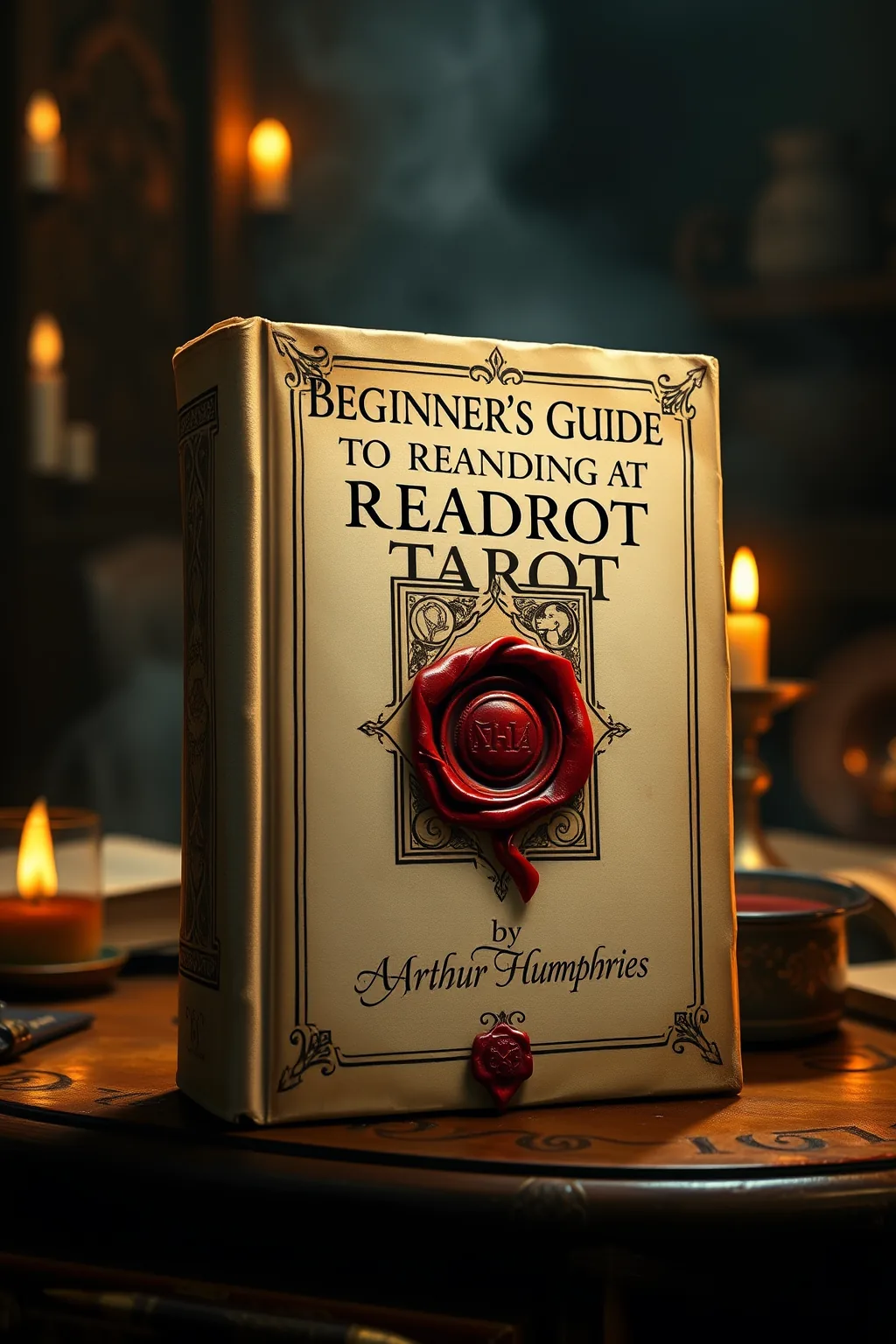
Beginner's Guide to Reading Tarot_ How to Master at Tarot?



Arthur Humphries' 'Beginner's Guide to Reading Tarot' stands as a beacon for those venturing into the sacred arts of divination. Cassian Rothmann, Senior Critic at Ancient Wisdom, commends Humphries for his lucid yet deeply esoteric approach. This guide masterfully demystifies the Tarot, presenting its rich symbolism not as arcane puzzles, but as accessible gateways to self-discovery. Humphries' prose is both learned and inviting, making complex concepts digestible for the neophyte while offering profound insights for the seasoned practitioner. It’s an indispensable resource for anyone seeking to forge a genuine connection with the Tarot’s prophetic and psychological depths, offering a balanced blend of practical instruction and spiritual philosophy.
📝 Description
62
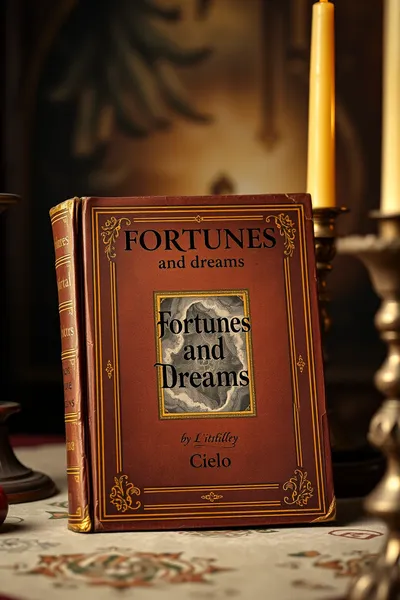
Arthur Humphries' 'Beginner's Guide to Reading Tarot' (circa 1980) deciphers card symbolism for new readers.
Arthur Humphries' 'Beginner's Guide to Reading Tarot' aims to demystify the practice for those new to its symbols. The book breaks down the meanings of individual cards, explaining the archetypal stories they represent. It moves beyond basic definitions to show how Tarot can serve as a tool for self-reflection and personal development. Humphries details how to use the cards to gain clarity on life's challenges. The guide focuses on developing intuition and understanding the underlying philosophy of Tarot reading. It is written for individuals interested in exploring this ancient divinatory art.
This book introduces readers to the Rider-Waite-Smith deck's imagery and its significance. Humphries explains the Major and Minor Arcana, offering interpretations for each card. He also touches on simple spreads that beginners can use. The text emphasizes that Tarot is not about predicting a fixed future but about understanding present circumstances and potential paths forward. The goal is to equip the reader with the knowledge to interpret the cards for themselves.
This guide fits within the Western esoteric tradition of divinatory arts that gained popularity in the early 20th century. It draws upon the symbolism popularized by the Rider-Waite-Smith deck, which itself blends occult imagery with traditional playing card structures. The book positions Tarot as a psychological and spiritual tool, aligning with concepts explored in Jungian psychology and various New Age philosophies that view the cards as a mirror to the subconscious and a means of accessing deeper personal truths. It is part of a lineage of practical guides intended to make esoteric systems accessible to a wider audience.
💡 Why Read This Book?
This guide is essential for anyone seeking to unlock the profound wisdom of the Tarot. It offers a clear, step-by-step approach to mastering card interpretation, blending practical techniques with deep dives into esoteric symbolism. Ideal for beginners eager to start their journey and practitioners looking to deepen their understanding, this book empowers you to use the Tarot for self-discovery, guidance, and spiritual insight. Uncover the hidden language of the cards and transform your intuition.
⭐ Reader Reviews
Honest opinions from readers who have explored this book.
❓ Frequently Asked Questions
Is this book suitable for absolute beginners with no prior Tarot knowledge?
Absolutely. 'Beginner's Guide to Reading Tarot' is meticulously crafted for those completely new to the practice. Arthur Humphries guides you through every fundamental concept, ensuring a smooth and insightful entry into the world of Tarot.
What makes this guide different from other Tarot books?
Humphries emphasizes the philosophical and symbolic depth of Tarot, moving beyond mere memorization of meanings. It focuses on intuitive development and the Tarot's role as a tool for self-awareness and spiritual growth.
Will I learn to perform readings for myself and others?
Yes, the book provides practical techniques and spreads designed to equip you with the confidence and skill to perform insightful readings for yourself and to assist others on their path.
Does the book cover the spiritual or mystical aspects of Tarot?
Indeed. A core focus of the guide is exploring the esoteric significance, archetypal energies, and the spiritual connections inherent in the Tarot, offering a holistic understanding.
How long will it take to 'master' Tarot after reading this book?
Mastery is a lifelong journey. This book provides the foundational knowledge and practices to become a proficient reader. Continued practice and personal exploration will deepen your mastery over time.
🔮 Key Themes & Symbolism
The Language of Symbols: Decoding the Arcane
This theme explores the fundamental principle that Tarot cards are not merely pictures but intricate repositories of universal symbols and archetypes. Arthur Humphries studies how each symbol, from the celestial bodies to the earthly elements depicted, carries layers of meaning rooted in ancient mythologies, alchemical processes, and psychological truths. Readers will learn to perceive the symbolic dialogue between cards, understanding how these visual narratives combine together to form a coherent message. This section aims to cultivate a reader's ability to 'see' beyond the surface, unlocking the deeper esoteric wisdom embedded within the Tarot's visual lexicon.
Intuition as the Diviner's Compass
Central to Humphries' teaching is the cultivation of intuition, presented not as a mystical gift but as a trainable faculty. This theme guides readers in developing their inner knowing, demonstrating how to attune their psychic senses to the subtle energies of the Tarot deck. It emphasizes that while knowledge of card meanings is crucial, true mastery lies in the ability to synthesize information, trust one's gut feelings, and allow the intuitive connection to bridge the conscious mind with the subconscious wisdom of the cards. This approach transforms Tarot reading from a mechanical process into a deeply personal and insightful dialogue.
Tarot as a Mirror for the Soul's Journey
This theme positions the Tarot as a profound tool for self-exploration and spiritual growth. Arthur Humphries illustrates how the Major Arcana's archetypal journeys mirror the stages of human development and consciousness, while the Minor Arcana reflect the everyday challenges and triumphs of life. The book encourages readers to view Tarot readings not as fixed predictions, but as informative reflections of their inner landscape, potential pathways, and opportunities for personal evolution. It empowers individuals to use the cards to gain clarity on their life's purpose, overcome obstacles, and make conscious choices aligned with their highest good.
💬 Memorable Quotes
Direct passages from the work, attributed to the author.
“Each symbol whispers a hidden truth, waiting to be heard.”
— This speaks to the symbolic language of Tarot. It implies that the cards are rich with meaning, and with the right guidance, one can decipher these subtle messages for clear insights.
“Intuition is the bridge between the seen and the unseen.”
— This emphasizes the importance of inner guidance in Tarot reading. It suggests that developing one's intuition is key to truly connecting with the deeper, mystical dimensions of the cards.
“To master Tarot is to master oneself.”
— This profound statement connects the practice of Tarot reading to personal development. It implies that the journey of learning Tarot is intrinsically linked to self-discovery and inner transformation.
💡 Key Ideas
Editorial paraphrase of the work's core concepts — not direct quotes.
The cards are not fortune tellers, but mirrors of the soul.
This quote highlights the book's emphasis on self-reflection. It suggests that Tarot's primary function is to reveal inner truths rather than dictate external events, positioning it as a tool for personal understanding and growth.
The Tarot offers a map, not a destination.
This quote frames Tarot as a guidance system. It suggests that the cards provide direction and insight into potential paths, but the ultimate choices and journey remain with the individual.
🌙 Esoteric Significance
Tradition
This guide draws deeply from the Western Esoteric Tradition, particularly Hermeticism and Kabbalism, which have long intertwined with Tarot studies. It reflects the Hermetic principle of 'As Above, So Below,' suggesting a correspondence between the cosmic order and the human experience, as mirrored in the cards. The book also implicitly engages with Kabbalistic concepts of divine emanation and spiritual ascent, viewing the Tarot's structure and symbolism as a microcosm of these universal energies and pathways.
Symbolism
The core of the Tarot's esoteric significance lies in its strong symbolism. Humphries meticulously unpacks the archetypal imagery, from the Fool's leap of faith to the World's completion, drawing parallels with ancient myths, astrological correspondences, and alchemical transformations. Each card's design is presented not as arbitrary illustration, but as a dense nexus of meaning, capable of evoking profound psychological and spiritual insights. The book guides readers to understand how these symbols function as a universal language, connecting the individual psyche to broader cosmic forces and archetypal patterns.
Modern Relevance
In contemporary society, where individuals often seek meaning and guidance amidst uncertainty, the Tarot offers a powerful tool for introspection and personal empowerment. Humphries' guide makes this ancient practice relevant by framing Tarot reading not as a passive act of prediction, but as an active engagement with one's inner wisdom and potential. It provides a framework for navigating life's challenges, fostering self-awareness, and cultivating a more intuitive and conscious approach to decision-making. The book bridges the gap between ancient esoteric knowledge and modern psychological and spiritual needs.
👥 Who Should Read This Book
This comprehensive guide is tailored for a diverse audience. Absolute beginners will find a clear, welcoming entry point, offering foundational knowledge without overwhelming them. Spiritual seekers and those on a path of self-discovery will appreciate the emphasis on intuition and the Tarot's role as a mirror for the soul. Students of divination and occult arts will find Humphries' insights into symbolism and esoteric connections important for deepening their practice. Furthermore, experienced practitioners seeking to refine their understanding and explore new perspectives on card interpretation will also benefit from its depth and clarity.
📜 Historical Context
Arthur Humphries' 'Beginner's Guide to Reading Tarot' emerges from a rich lineage of esoteric thought, particularly flourishing during the late 19th and early 20th centuries, a period marked by a resurgence of interest in occultism, mysticism, and divination. Influenced by figures like Arthur Edward Waite and Pamela Colman Smith, whose Rider-Waite-Smith deck revolutionized Tarot imagery, Humphries builds upon this foundation. This era saw a growing desire among intellectuals and spiritual seekers to explore alternative pathways to knowledge beyond established religious and scientific doctrines. The widespread publication of Tarot guides during this time reflects a broader cultural fascination with ancient wisdom traditions and the potential for divination to offer solace, guidance, and a deeper understanding of the human psyche in a rapidly changing world. Humphries' work contributes to this enduring legacy by making these profound concepts accessible.
📔 Journal Prompts
Reflect on the Fool card: What 'leap of faith' are you currently contemplating in your life?
Choose a card that speaks to a challenge you're facing. How does its symbolism offer insight or guidance?
Consider the element associated with your birth date. How might this element influence your interpretation of Tarot cards?
Journal about a recurring symbol you notice in your readings. What personal meaning might it hold for you?
How can you integrate the wisdom of the Tarot into your daily decision-making process?
🗂️ Glossary
Archetype
Universal, archaic patterns and images that derive from the collective unconscious and are the experiences of humanity. In Tarot, these are embodied by figures like the Emperor, the High Priestess, and the Lovers.
Divination
The practice of seeking knowledge of the future or the unknown by supernatural means. In Tarot, this involves interpreting the cards to gain insight into potential outcomes or hidden influences.
Esoteric
Intended for or likely to be understood by only a small number of people with a specialized knowledge or interest. Pertaining to hidden or secret knowledge, often of a spiritual or mystical nature.
Hermeticism
A spiritual, philosophical, and religious tradition based on the purported teachings of Hermes Trismegistus. It emphasizes principles like 'As Above, So Below' and the interconnectedness of all things.
Kabbalah
A system of Jewish mysticism that deals with the divine nature of God and the creation and structure of the universe. Its principles have influenced Western esoteric traditions and Tarot interpretation.
This book appears in 3 collections
🔮 Readers Also Liked
Browse all →
From the “Tarot” Collection
View all →
More Free Divination & Tarot Books
View all →