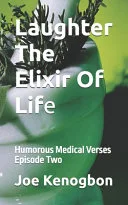
Laughter The Elixir Of Life
 82
82

Laughter The Elixir Of Life
Joe Kenogbon’s Laughter: The Elixir of Life arrives not with the gravitas of a philosophical treatise, but with the unexpected chuckle of a well-timed punchline in a quiet ward. The collection’s strength lies in its ability to locate genuine whimsy amidst the sterile corridors and anxious waiting rooms of healthcare. Kenogbon’s poems, like the one describing an "X-ray machine that narrates whimsical stories," manage to transform mundane objects into characters with surprising personalities. This approach offers a much-needed antidote to the often-overwhelming seriousness of medical environments. However, the collection occasionally leans into an earnestness that borders on sentimentality, at times sacrificing the sharp edge of its humor for a gentler, more universally palatable tone. The recurring motif of laughter as a healing force, while central and well-intentioned, could benefit from a more varied exploration of its nuances. Nevertheless, for its unique perspective and successful infusion of levity into a somber setting, the book provides a welcome, lighthearted respite.
📝 Description
82
Joe Kenogbon’s 2024 poetry collection, Laughter: The Elixir of Life, finds humor in healthcare settings.
This book collects poems that locate humor and lightheartedness within the often stark realities of the healthcare environment. Kenogbon’s work acts as a counterpoint to the intense pressures faced by medical professionals and patients, highlighting moments of levity that are often overlooked. The poems personify hospital elements like "quirky hospital elevators" and "mischievous alarms," giving them character and wit. This anthropomorphism helps humanize impersonal healthcare spaces, revealing potential for joy and the absurd in unexpected places. The book suggests that acknowledging and embracing these moments builds spiritual or psychological resilience.
Laughter: The Elixir of Life suits individuals who appreciate poetry blending wit with everyday experiences, especially those connected to healthcare. It appeals to readers seeking a lighter perspective on serious subjects, those who enjoy observational humor, and anyone looking for a fresh take on poetic expression. The work offers a modern exploration of the mind-body connection, a theme found across various esoteric traditions.
While not tied to a specific historical esoteric movement, Laughter: The Elixir of Life aligns with perennial philosophies that view laughter as a vital, healing force. Its focus on joy as a restorative element connects to traditions that explore the mind-body connection and the power of positive emotion for well-being. The collection can be seen as a contemporary expression of the idea that a light spirit is crucial for navigating difficult circumstances, a concept echoed in various wisdom traditions.
💡 Why Read This Book?
• You will discover the specific concept of "laughter as an elixir" as presented through Joe Kenogbon’s unique poetic lens, offering a novel perspective on well-being that moves beyond conventional self-help. • You will experience the imaginative personification of inanimate objects within the healthcare setting, such as the "quirky hospital elevators," which provides a distinct literary device for finding joy in the mundane. • You will gain a new appreciation for observational humor as applied to professional environments, learning how the poems highlight unexpected moments of levity, a skill applicable to finding balance in any demanding situation.
⭐ Reader Reviews
Honest opinions from readers who have explored this book.
❓ Frequently Asked Questions
What is the central theme of Laughter: The Elixir of Life?
The central theme is the profound, life-affirming power of laughter, presented metaphorically as an "elixir." The book explores how humor and lightheartedness can serve as a vital force, particularly within the demanding context of the healthcare world.
Who is Joe Kenogbon and when was this book first published?
Joe Kenogbon is the author of Laughter: The Elixir of Life. The book was first published on June 19, 2024, marking it as a contemporary work.
Are the poems in Laughter: The Elixir of Life serious or humorous?
The poems are primarily humorous and lighthearted, designed to unveil the lighter side of the healthcare world. They focus on unexpected moments of joy and whimsy rather than somber reflections.
What kind of imagery is used in the poems?
The poems feature imaginative imagery, such as "quirky hospital elevators with a knack for humour," "mischievous alarms," and "talking X-ray machines that narrate whimsical stories."
What is the intended impact of this book on the reader?
The book aims to provide readers with a heartwarming and humorous perspective, offering moments of levity and encouraging an appreciation for the lighter aspects of life, even in challenging environments.
Is this book part of a specific esoteric tradition?
While not explicitly tied to a single esoteric lineage, the book's exploration of laughter as a healing force aligns with perennial philosophies that recognize joy and levity as essential components of well-being and spiritual resilience.
🔮 Key Themes & Symbolism
Laughter as Vital Force
The core tenet of the collection posits laughter not merely as amusement but as a potent, life-affirming energy – an "elixir." This perspective aligns with various esoteric traditions that view joy and positive emotional states as crucial for spiritual and physical vitality. The poems explore how cultivating humor, even in the face of adversity like illness or the sterile environment of a hospital, can act as a form of energetic renewal and resilience, a concept echoed in ancient wisdom regarding the power of the mind over the body.
Personification of the Mundane
Kenogbon imbues inanimate objects within the healthcare setting—like elevators and X-ray machines—with distinct personalities and narrative voices. This technique moves beyond simple anthropomorphism; it serves an esoteric purpose by revealing the hidden spirit or anima within the material world. By giving voice to the seemingly voiceless, the poems suggest a pervasive aliveness in all things, encouraging readers to perceive the world with a greater sense of wonder and interconnectedness, a hallmark of animistic and Hermetic thought.
Finding Light in Dark Places
The collection deliberately seeks out moments of levity and absurdity within the inherently serious and often somber context of hospitals and clinics. This deliberate act of finding light amidst darkness is a spiritual practice. It mirrors alchemical processes of transmutation, where base materials are refined into gold, suggesting that even challenging or mundane circumstances can be transformed into sources of joy and insight through a shift in perspective. The poems act as a guide to this internal alchemy.
The Healthcare Microcosm
The hospital setting functions as a microcosm for the human condition, reflecting universal experiences of vulnerability, healing, and the search for comfort. By focusing on this specific environment, the poems offer relatable scenarios that can be extrapolated to broader life challenges. The "elixir" of laughter becomes a universal remedy, suggesting that the principles of finding joy and maintaining perspective are applicable regardless of external circumstances, a principle central to Stoic philosophy and many meditative practices.
💬 Memorable Quotes
Direct passages from the work, attributed to the author.
“Quirky hospital elevators with a knack for humour”
— This phrase expresses the book's central conceit: finding personality and amusement in the most unexpected, functional elements of a typically serious environment. It suggests a hidden layer of character within the mundane, inviting a playful re-evaluation of everyday spaces.
“Mischievous alarms”
— The concept of alarms being 'mischievous' transforms a source of potential stress or annoyance into something more whimsical and less threatening. It implies a conscious, albeit playful, intent behind the sounds, adding a layer of narrative and character to institutional noise.
“Talking X-ray machines that narrate whimsical stories”
— This vivid image personifies a complex piece of medical technology, granting it the ability to tell stories. It highlights the book's approach of finding imaginative narratives and character within scientific equipment, turning potentially intimidating tools into sources of wonder.
“Laughter: The Elixir of Life”
— This title itself serves as a core axiom for the collection, directly equating laughter with a potent, life-giving substance. It frames humor not just as a pleasant diversion but as a fundamental element for health and well-being, akin to a vital medicine or spiritual tonic.
“Unveils the lighter side of the healthcare world”
— This statement clearly articulates the book's purpose: to present a perspective often overshadowed by the gravity of illness and treatment. It promises a focus on moments of levity, joy, and the unexpected absurdities that arise within this demanding professional sphere.
🌙 Esoteric Significance
Tradition
While not explicitly situated within a single named esoteric lineage, Laughter: The Elixir of Life aligns with perennial philosophies that emphasize the vital role of positive emotional states, particularly joy and laughter, in spiritual and physical health. This perspective echoes Gnostic ideas of divine light trapped within the material world, suggesting that finding humor is a way of accessing and releasing that inner light, even within mundane or challenging environments like a hospital.
Symbolism
The primary symbolic motif is laughter itself, functioning as an "elixir" – a potent, alchemical substance capable of healing and transformation. Personified objects like "quirky hospital elevators" and "talking X-ray machines" symbolize the presence of anima or spirit within the material, mechanical world, suggesting that all things possess a latent consciousness or character waiting to be discovered through a playful, open perspective.
Modern Relevance
This work speaks to contemporary interest in holistic health, mindfulness, and the mind-body connection. Thinkers and practitioners in positive psychology, as well as those exploring somatic experiencing and trauma-informed care, might find resonance in the book's emphasis on laughter as a healing modality. Its approach to finding lightness in difficult situations is also relevant to modern therapeutic poetry and the growing field of bibliotherapy.
👥 Who Should Read This Book
• Healthcare professionals (doctors, nurses, administrators) seeking relatable humor and a reminder of the lighter moments within their demanding field. • Patients and their families looking for perspectives that offer comfort and levity during challenging medical experiences. • Poetry enthusiasts interested in contemporary verse that explores everyday life with wit and imaginative personification.
📜 Historical Context
Published in 2024, Laughter: The Elixir of Life emerges in an era where digital platforms have democratized poetry, allowing for direct author-reader engagement and niche thematic exploration. While Joe Kenogbon’s work doesn't engage directly with established historical esoteric movements like Theosophy or Hermeticism, its core theme—the therapeutic power of laughter—speaks to perennial philosophies that have long recognized joy as a vital force for well-being. This contrasts with more somber or rigidly intellectual approaches to spirituality prevalent in earlier 20th-century esoteric circles, such as those influenced by Aleister Crowley's ceremonial magic or the more academic Gnosticism studied by figures like Hans Jonas. The book's accessible, contemporary voice and focus on everyday absurdity can be seen as a modern counterpoint to the often arcane or esoteric language found in many historical occult texts, reflecting a broader cultural shift towards personal experience and emotional well-being.
📔 Journal Prompts
The 'quirky hospital elevators' and their humor.
The concept of 'mischievous alarms' in a medical setting.
The narratives attributed to talking X-ray machines.
Laughter as a tangible 'elixir' for life.
Moments of unexpected joy in the healthcare world.
🗂️ Glossary
Elixir of Life
A mythical or alchemical substance believed to grant immortality or restore youth. In this context, it metaphorically represents laughter's potent capacity to invigorate, heal, and sustain well-being.
Anima
In Jungian psychology and some esoteric traditions, the 'anima' refers to the inner soul or life-force residing within all things, even inanimate objects. The book's personification of machines hints at this concept.
Perennial Philosophy
The idea, most notably articulated by Aldous Huxley, that all major religions and spiritual traditions share a common metaphysical core or ultimate truth, often emphasizing inner wisdom and universal spiritual principles.
Bibliotherapy
The use of literature and reading to promote mental health and emotional well-being. This book can be seen as an example of bibliotherapy through its focus on therapeutic humor.
Transmutation
A core concept in alchemy, referring to the process of transforming base metals into noble ones (like lead into gold) or achieving spiritual purification. The book suggests a similar transformation of difficult circumstances through humor.
Microcosm
A small system that represents or models a larger system. The hospital setting in the book serves as a microcosm for broader human experiences of vulnerability and healing.
Levity
Lightness of manner or character; lack of seriousness. The poems aim to bring levity to the often-serious subject of healthcare.