Knights and Freemasons
 71
71

Knights and Freemasons
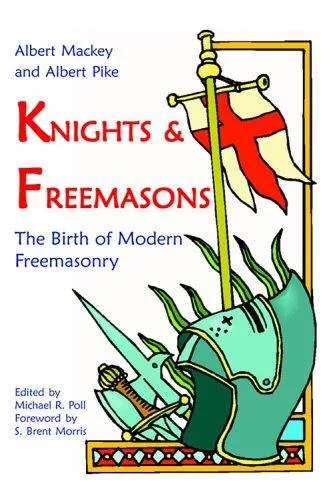
The first publication of Knights and Freemasons in 2005 offered a dedicated examination of the often-speculated links between knightly orders and Masonic fraternities. The author's strength lies in meticulously presenting shared symbolic frameworks, such as the appropriation of architectural metaphors and the emphasis on moral rectitude. A particular strength is the detailed comparison of the chivalric virtues with Masonic tenets. However, the work occasionally falters by presenting speculative connections as more concretely established than the limited historical evidence might strictly support. For instance, while the narrative of Hiram Abiff is central to Masonic lore, attributing its direct lineage solely to specific knightly legends requires careful parsing of allegorical rather than direct historical inheritance. Despite this tendency toward enthusiastic association, the book provides a valuable synthesis for those exploring the symbolic continuities within Western esoteric traditions. It serves as a useful, if sometimes overly eager, comparative study.
📝 Description
71
Published in 2005, Knights and Freemasons examines the links between medieval knightly orders and Freemasonry.
This book looks at the historical and symbolic ties between medieval chivalric orders and Freemasonry's development. It examines the shared allegorical language and rituals that suggest a connection, or at least a strong thematic similarity, between the warrior monks of the Crusades and the fraternal society that appeared in the early modern period. The work focuses on how esoteric knowledge passed through operative guilds before their change into speculative bodies.
It is written for serious students of Western esotericism, particularly those interested in Masonic symbolism's evolution and its origins. Readers with a background in medieval history, chivalric orders, or secret society history will find the comparative analysis useful. The book also appeals to those curious about how spiritual and fraternal traditions have influenced each other over centuries.
The book emerged in 2005 amid a rise in academic and popular attention to Freemasonry and its potential historical roots. It engages with scholarship that traced Masonic origins back before the 17th and 18th centuries, often connecting them to earlier esoteric or chivalric groups. The work addresses disputes about the validity of links proposed by earlier Masonic authors and modern esotericists, positioning itself within ongoing debates about Masonic lineage.
💡 Why Read This Book?
• Learn how the symbolic language of medieval knighthood, particularly the concepts of chivalric duty and the pursuit of a spiritual quest, influenced the foundational allegories of Freemasonry. • Understand the historical debate surrounding the transition from operative guilds of stonemasons to speculative philosophical societies, a process explored in relation to chivalric brotherhoods. • Gain insight into the specific use of architectural symbolism and legendary narratives, such as those concerning King Solomon's Temple, as vehicles for esoteric instruction in both knightly and Masonic contexts.
⭐ Reader Reviews
Honest opinions from readers who have explored this book.
❓ Frequently Asked Questions
What is the primary argument of Knights and Freemasons regarding the connection between these groups?
The book argues that Freemasonry adopted and adapted significant symbolic language, ritualistic structures, and moral frameworks from medieval chivalric orders, suggesting a lineage or at least a profound thematic continuity.
When was Knights and Freemasons first published, and what was the context?
It was first published in 2005, during a period of increased interest in the historical origins of fraternal organizations and esoteric traditions.
Does the book claim direct historical succession from knights to Freemasons?
While exploring strong symbolic and allegorical links, the book navigates the complex historical evidence, acknowledging that direct, unbroken succession is difficult to prove definitively for all aspects.
What kind of symbolism does the book focus on?
It emphasizes architectural symbolism, the 'tools' of the operative mason reinterpreted metaphorically, and legendary narratives like that of King Solomon's Temple, common to both traditions.
Who would benefit most from reading Knights and Freemasons?
Students of Western esotericism, comparative religion, Masonic history, and medieval chivalric orders would find this work particularly insightful due to its comparative approach.
Are there specific historical figures or events discussed in relation to these connections?
The work often references the Crusades and the Knights Templar, exploring how their legends and ideals might have informed later Masonic symbolism and narratives.
🔮 Key Themes & Symbolism
Chivalric Ideals and Masonic Morality
The work meticulously compares the ethical codes and virtues espoused by medieval knightly orders with those central to Freemasonry. Concepts like honor, loyalty, courage, and the pursuit of justice are examined for their shared significance. It explores how the knightly quest for spiritual perfection and service was mirrored in the Masonic journey of self-improvement and moral development, often using similar allegorical language derived from architecture and ancient lore.
Operative to Speculative Transition
A central theme is the transformation of operative guilds, particularly stonemasons, into speculative philosophical societies. Knights and Freemasons investigates how the practical tools and methods of medieval builders became symbols for moral and spiritual construction. The book posits that chivalric orders, with their established hierarchical structures and focus on sacred architecture, provided a conceptual template for this transition, influencing how Masonic rituals and teachings were structured.
Shared Symbolism and Legend
The text examines the common symbolic vocabulary shared by knights and Freemasons. This includes the appropriation of biblical narratives, most notably the construction of King Solomon's Temple, as a foundational myth. It analyzes the significance of architectural elements, geometric principles, and legendary figures within both traditions, arguing that these shared symbols facilitated the transmission of esoteric knowledge and philosophical ideas across centuries.
Esoteric Knowledge Transmission
Knights and Freemasons explores the mechanisms by which esoteric knowledge might have been preserved and transmitted. It considers the role of secret societies, oral traditions, and symbolic instruction. The book suggests that both chivalric orders and early Masonic lodges served as conduits for this knowledge, using ritual and allegory to impart wisdom that transcended conventional religious or philosophical discourse.
💬 Memorable Quotes
Direct passages from the work, attributed to the author.
“From the fortress walls to the temple stones, architecture forms the bedrock of their shared allegorical language.”
— This interpretation underscores the book's focus on architectural symbolism. It suggests that both knightly fortifications and sacred temples provided a common visual and conceptual language, used to convey deeper spiritual and moral lessons.
“Legendary figures, from Templar Grand Masters to biblical builders, serve as archetypes for the initiated.”
— This highlights the use of archetypal figures within these traditions. The book implies that the stories and lives of prominent individuals from history and myth provided models for the moral and spiritual aspirations of both knights and Freemasons.
“The secrets passed down were not merely facts, but methods of understanding oneself and the cosmos.”
— This interpretation emphasizes the esoteric nature of the knowledge. It suggests that the 'secrets' of these orders were less about hidden information and more about transformative practices and frameworks for comprehending existence.
💡 Key Ideas
Editorial paraphrase of the work's core concepts — not direct quotes.
The sword and the trowel, instruments of defense and construction, both speak of building a better world.
This paraphrased concept highlights the dual nature of tools within these traditions. The knight's sword represents protection and the establishment of order, while the mason's trowel signifies the building of physical and metaphorical structures, suggesting a shared purpose in creation and defense.
The vows of the knight and the obligations of the mason often echo the same pursuit of truth and virtue.
This paraphrased concept points to the parallel ethical frameworks. It suggests that the solemn promises and duties undertaken by knights and Freemasons were fundamentally aligned in their aim to uphold moral principles and seek wisdom.
🌙 Esoteric Significance
Tradition
The work primarily situates itself within the Western esoteric tradition, specifically examining the symbolic and ritualistic overlaps between medieval chivalric orders and the development of Freemasonry. It draws upon themes common in Hermeticism and Rosicrucianism concerning the transmission of ancient wisdom through fraternal organizations. The book explores how these later groups adopted and adapted symbolism that had previously been associated with warrior-monks and builders of sacred spaces.
Symbolism
Key symbols explored include the Square and Compasses, architectural tools reinterpreted as moral guides. The Temple of Solomon is a paramount symbol, representing divine order, wisdom, and the ideal spiritual edifice. The knightly virtues, such as courage, justice, and faith, are also treated as symbolic elements that resonate with Masonic tenets, representing internal construction and moral fortitude.
Modern Relevance
Contemporary thinkers and practitioners in various branches of esoteric study, including Masonic researchers and comparative ritualists, continue to draw upon the analysis presented in Knights and Freemasons. Its examination of symbolic continuity is relevant to modern explorations of Western mystery traditions and the enduring appeal of fraternal organizations as vehicles for personal and spiritual development.
👥 Who Should Read This Book
• Students of Western Esotericism seeking to understand the symbolic lineage connecting medieval orders to modern fraternal societies. • Researchers of Masonic History interested in the allegorical and potential historical antecedents of Masonic ritual and symbolism. • Enthusiasts of Medieval Chivalry who wish to explore the spiritual and symbolic dimensions of knightly orders beyond their military history.
📜 Historical Context
Published in 2005, Knights and Freemasons entered a scholarly landscape where interest in the origins of Freemasonry was robust, though often contentious. The preceding decades had seen significant works exploring Masonic roots, with some scholars leaning towards connections with medieval guilds and chivalric orders, while others emphasized a more recent 17th-century genesis. This book engages with the persistent narratives linking Freemasonry to the Knights Templar, a popular theme since the 18th century, particularly following the influential writings of figures like Elias Ashmole. It also implicitly addresses the 'speculative' turn in Masonic historiography, distinguishing itself from purely ritualistic analyses by focusing on historical and symbolic continuities. The work navigates debates concerning the authenticity of alleged Templar influence, a topic that had seen considerable discussion by contemporaries such as Margaret C. Jacob, who favored a more rationalist, political origin for English Freemasonry.
📔 Journal Prompts
The knightly vow and the Masonic obligation: explore their shared emphasis on virtue.
Architectural symbolism in both traditions: how do fortress and temple compare?
The role of legendary figures like the Templars in shaping identity.
Reflect on the concept of 'building' – physical, moral, and spiritual.
How does the pursuit of truth manifest in both chivalric and Masonic ideals?
🗂️ Glossary
Operative Masonry
Refers to the historical craft guilds of stonemasons who were skilled in building, particularly cathedrals and castles. Their practices involved the literal construction of physical structures.
Speculative Masonry
Refers to Freemasonry as it evolved into a philosophical and fraternal organization, using the tools and terminology of operative masons allegorically to teach moral and spiritual lessons.
Chivalry
The medieval knightly system of ideals and social behaviors, characterized by valor, honor, courtesy, and the protection of the weak, often intertwined with religious devotion.
Allegory
The expression by metaphor or by symbolic representation, of hidden meanings, typically moral, spiritual, or political.
Hiram Abiff
A central legendary figure in Masonic lore, the master architect of King Solomon's Temple, whose story symbolizes death and resurrection and the quest for lost knowledge.
Knights Templar
A medieval Catholic military order founded around 1119, prominent during the Crusades, known for its military prowess and wealth, and later subject to suppression and legend.
King Solomon's Temple
The principal temple in ancient Jerusalem, considered by Jews and Christians to be the first Temple, serving as a potent symbol of divine presence and sacred construction.
🔮 Readers Also Liked
Browse all →









More by Unknown
All books →



More Free Occult Philosophy Books
View all →