Kew - Witch's Garden
 81
81

Kew - Witch's Garden
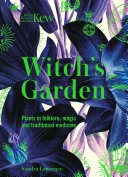
Sandra Lawrence's Kew: Witch's Garden offers a welcome departure from purely academic botanical histories, instead charting a course through the often-overlooked esoteric dimensions of plant lore. The strength of this volume lies in its broad scope, encompassing over fifty plants and detailing their varied histories, from the starkly practical applications recognized by medieval apothecaries to the more arcane associations found in grimoires. Lawrence adeptly balances factual botanical information with compelling folklore and mythology, illustrating how plants like the mandrake have been imbued with potent, sometimes dangerous, symbolism across cultures. A minor limitation, however, is that the sheer breadth can occasionally leave the reader wishing for a deeper dive into specific plant lineages or ritualistic uses; the section on Belladonna, for instance, hints at its notorious role in flight ointments without fully elaborating on the historical evidence or ritualistic context.
Ultimately, the book serves as a valuable primer for those seeking to understand the historical and symbolic weight carried by common and uncommon flora. It’s a compelling, if sometimes brief, overview of nature's role in human spirituality and healing.
📝 Description
81
Sandra Lawrence's 2020 book examines over fifty plants used in witchcraft and folk healing.
Kew: Witch's Garden by Sandra Lawrence (2020) details the historical, mythical, and practical uses of more than fifty specific plants. The book goes beyond basic botany to look at the connections between people and the plant world, especially in esoteric and folk healing practices. It discusses plants like Mandragora officinarum, known for its root shape and association with folklore, and Hypericum perforatum, or St. John's Wort, used for protection and mood enhancement.
This book is for those interested in the overlap of botany, folklore, and the occult. It is useful for herbalists wanting more background on their remedies, students of Western esotericism focused on plant magic, and anyone curious about the historical roles of women as healers and mystics. Readers interested in the roots of herbal remedies, the meanings of plants, and nature's part in spiritual beliefs will find it informative.
This work connects with traditions that view plants as more than just biological entities, but as active participants in spiritual and magical practices. It touches upon the historical lineage of herbalism, from ancient pharmacopoeia and ritualistic uses to the documented knowledge of figures like Hildegard of Bingen. The book acknowledges the continued reliance on botanical lore by healers and those associated with witchcraft, placing these practices within a long history of nature-based spirituality and folk medicine.
💡 Why Read This Book?
• Understand the historical significance of specific flora, such as the mandrake's association with folklore and its documented uses by medieval apothecaries, providing context beyond modern botanical classification. • Explore the intersection of practical healing and esoteric belief systems, learning how plants like St. John's Wort were historically employed for both medicinal and perceived protective purposes. • Discover the symbolic language of plants within various traditions, gaining insight into how flora has been integrated into rituals and mythologies for centuries, offering a unique lens on nature's perceived powers.
⭐ Reader Reviews
Honest opinions from readers who have explored this book.
❓ Frequently Asked Questions
What is the primary focus of Kew: Witch's Garden?
The book focuses on over 50 magical plants, detailing their historical, mythical, and practical uses, particularly within esoteric traditions and folk healing practices.
Does Sandra Lawrence provide scientific evidence for the magical properties of plants?
Lawrence discusses both mythical associations and historically documented uses, including remedies recognized by apothecaries, but the emphasis is on the lore and perceived properties rather than solely on modern scientific validation.
Which historical figures or traditions are referenced in the book?
The book references figures like wise women and apothecaries, and touches upon traditions of herbalism and folk magic that have existed for thousands of years.
Can Kew: Witch's Garden be used as a practical guide for herbalism?
While it details uses, it is primarily an exploration of history and lore. It may offer inspiration for practitioners but is not a step-by-step modern herbalism manual.
What kind of tone should I expect from the book?
The tone is informative and exploratory, blending historical accounts, folklore, and esoteric perspectives on plant uses.
Is the book suitable for beginners in esoteric studies?
Yes, it provides a broad overview of plant lore and its connection to esoteric practices, making it accessible for those new to the subject.
🔮 Key Themes & Symbolism
Plant Lore and Mythology
This theme looks at the body of stories and beliefs surrounding specific plants. It examines how flora, from the screaming mandrake to the potent St. John's Wort, has been imbued with symbolic meaning and magical potential across different cultures and historical periods. The book explores how these narratives shaped human interaction with the plant kingdom, often attributing agency or spiritual power to botanical entities and influencing their use in folk medicine and ritual.
Historical Herbalism
The work traces the evolution of herbal knowledge through centuries, highlighting the roles of wise women, apothecaries, and early herbalists. It contrasts ancient practices with the developing understanding of plant remedies, acknowledging the transition from purely folk traditions to more systematized approaches. This theme underscores the enduring reliance on botanical resources for healing and well-being, and how this knowledge was preserved and transmitted.
Esoteric Plant Applications
Central to the book is the exploration of plants utilized within esoteric and magical contexts. It investigates how specific species were believed to possess unique energetic properties, suitable for spellcraft, protection, or spiritual communion. This theme examines the often-elusive history of plant-based magic, connecting botanical ingredients to occult practices and highlighting the perceived power of nature in spiritual disciplines.
Duality of Nature
A recurring concept is the inherent duality present in the plant world – their capacity for both profound healing and potent harm. The book illustrates how plants like hemlock or nightshade, while dangerous, were also sources of powerful medicines or ingredients in esoteric preparations. This theme emphasizes the respect and caution required when working with botanical forces, acknowledging their complex nature.
💬 Memorable Quotes
Direct passages from the work, attributed to the author.
“The history of esoteric species is often as dark and elusive as the art of herbalism itself.”
— This statement captures the mysterious and sometimes perilous path of knowledge concerning magical plants. It suggests that understanding these botanicals requires navigating obscured histories, folklore, and practices that were often guarded or suppressed.
“Wise women, apothecaries, witches, herbalists: whatever you call them, those who cultivate plants for their fabled mystical and healing properties have existed for thousands of years.”
— This highlights the ancient and continuous human tradition of utilizing plants for both physical and spiritual well-being. It recognizes the diverse roles and titles of individuals throughout history dedicated to understanding and applying botanical powers.
“From the screaming mandrake to calming St John's Wort...”
— This juxtaposition illustrates the wide spectrum of plant lore covered in the book, from plants associated with dramatic, almost terrifying folklore (mandrake) to those recognized for their gentle, therapeutic effects (St. John's Wort).
“remedies for everything from bad we[ather to love sickness]”
— This phrase implies the vast scope of historical plant applications, extending beyond common ailments to address deeply personal and societal concerns, reflecting a holistic approach to natural remedies.
“Over 50 of the world's most powerful magical plants and their uses, mythical and proven.”
— This captures the book's core offering: a comprehensive survey of potent flora, examining both their legendary associations and historically documented applications in various traditions.
🌙 Esoteric Significance
Tradition
This work draws primarily from the Western Esoteric tradition, particularly its branches concerned with folk magic, herbalism, and nature spirituality. It speaks to traditions that view plants not merely as biological organisms but as living entities possessing energetic signatures and spiritual potency. While not strictly adhering to a single lineage like Hermeticism or Gnosticism, it incorporates elements common to nature-based magical practices, emphasizing the sacredness and power inherent in the botanical world.
Symbolism
Key symbols explored include the Mandrake, often depicted with human-like roots, representing a potent, sometimes dangerous, connection to the earth's primal forces and the spirit world. St. John's Wort symbolizes protection and the banishment of malevolent influences, historically linked to warding off evil spirits and melancholy. The book likely touches upon the symbolism of poisonous plants, representing transformation through danger, and healing herbs, embodying restoration and life-affirming energies.
Modern Relevance
Contemporary practitioners of witchcraft, neo-paganism, and animistic spiritual paths frequently reference historical plant lore explored in works like this. Thinkers and authors focusing on re-wilding, eco-spirituality, and the deep history of healing traditions find value in Lawrence's synthesis. The book's exploration of plants' roles in ritual and well-being informs modern approaches to herbalism that integrate energetic and spiritual dimensions alongside physical benefits.
👥 Who Should Read This Book
• Aspiring herbalists and folk magic practitioners seeking historical context for plant uses, understanding the lore and traditional applications beyond modern scientific protocols. • Students of Western Esotericism interested in the material culture of magic, specifically how plants have been integral to ritual, spellcraft, and spiritual practices throughout history. • Cultural historians and folklorists examining the human relationship with the natural world, gaining insights into how botanical knowledge shaped societies, healing practices, and belief systems.
📜 Historical Context
Published in 2020, Sandra Lawrence's Kew: Witch's Garden emerges at a time of renewed interest in historical botany, folk traditions, and esoteric practices, often referred to as the 'occult revival' in contemporary scholarship. While not directly engaging with the intellectual currents of, say, the 17th-century Royal Society's empirical approach to natural philosophy, Lawrence’s work implicitly contrasts with it by valuing lore and myth alongside documented uses. The book stands in conversation with earlier, seminal works on plant magic and history, such as Nicholas Culpeper's 'The Complete Herbal' (1653), which also sought to explain botanical knowledge for a wider audience, though Culpeper's context was one of astrological medicine. Unlike the systematic botanical classifications emerging in the late 18th century with figures like Carl Linnaeus, Lawrence prioritizes the cultural and mystical significance attributed to plants, reflecting a modern scholarly trend that embraces interdisciplinary approaches to the history of science and magic.
📔 Journal Prompts
The historical perception of the screaming mandrake's properties.
The application of St. John's Wort in folk remedies versus its mystical associations.
Reflect on the duality of plants: their capacity for both healing and harm.
Consider the role of 'wise women' in preserving botanical knowledge.
Analyze the transition from ancient plant lore to early apothecary practices.
🗂️ Glossary
Mandrake
A perennial herbaceous plant (Mandragora officinarum) native to the Mediterranean region, known for its forked root resembling a human figure and deeply embedded in folklore due to its psychoactive properties and legends of emitting a deadly scream when uprooted.
St. John's Wort
A flowering plant (Hypericum perforatum) historically used in folk medicine for its antidepressant and anti-inflammatory properties, and also associated with protection against evil spirits and witchcraft.
Apothecary
A historical term for a professional trained in the preparation and dispensing of medicinal drugs, often working with herbs and natural substances.
Esoteric
Relating to or accessible only by a relatively small number of people with a specialized knowledge or interest; pertaining to inner, hidden, or secret doctrines or practices.
Folk Healing
Traditional practices of healing passed down through generations within a community, often relying on herbal remedies, rituals, and empirical knowledge of natural substances.
Materia Medica
A body of collected knowledge from the past and present about the properties and uses of drugs or medicinal substances, especially those used in herbalism.
Wise Woman
A traditional term referring to a woman skilled in herbalism, healing, and sometimes folk magic, often acting as a community healer or midwife.