John Sinclair 806
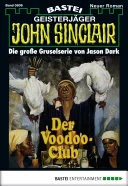
 74
74

John Sinclair 806
The unnerving silence that precedes the storm in "The Voodoo Club" is a potent hook, immediately establishing a palpable sense of dread. Jason Dark masterfully uses this atmospheric quietude to signal an intrusion of the uncanny, a hallmark of the John Sinclair series. Dan Gabor’s instinctive reach for his hidden revolver under the pillow perfectly encapsulates the blend of mundane preparedness and supernatural peril that defines the franchise. The strength here lies in its efficient pacing and its ability to evoke primal fear through environmental cues rather than overt gore, at least initially. A limitation, however, is the familiar pulp structure; the setup, while effective, treads well-worn ground for long-time readers of the series. The work explores the psychological impact of sudden, inexplicable silence, a concept that resonates effectively. "The Voodoo Club" delivers precisely the kind of suspenseful occult encounter fans expect from the 1990s era of John Sinclair.
📝 Description
74
John Sinclair 806, "The Voodoo Club," was published in the 1990s, a period of the long-running German pulp horror series.
This volume from Jason Dark's "John Sinclair" series, "The Voodoo Club," immerses readers in a disquieting quiet. The protagonist, Dan Gabor, awakens to an unnatural silence that replaces the usual jungle sounds, immediately recognizing the presence of danger. He prepares himself with a concealed revolver as an unseen threat emerges from the stillness, suggesting supernatural or occult influences at work. The story builds tension through an atmosphere of dread, where the lack of sound becomes a source of unease. This installment is suited for long-time fans of the "John Sinclair" saga who wish to revisit entries from the 1990s. It also appeals to those who enjoy fast-paced horror narratives featuring supernatural elements, occult themes, and paranormal investigations. Newcomers to the "John Sinclair" universe can find in this book a representative example of the series' characteristic blend of action and the uncanny.
The "John Sinclair" series, originating in 1973, became a significant force in German pulp horror, a tradition that often blended sensationalist plots with supernatural and occult elements. "The Voodoo Club," published in the 1990s, continued this trend, reflecting a sustained public interest in serialized horror fiction that explored dark themes. The series' endurance across decades highlights its connection to enduring fascinations with the paranormal and the uncanny, often drawing on popular perceptions of occult practices and mysterious forces to create its narratives. This volume fits within a broader tradition of genre fiction that uses the supernatural to explore societal anxieties and the darker aspects of human experience.
💡 Why Read This Book?
• Experience the unique atmospheric tension created by unnatural silence, a signature technique explored in "The Voodoo Club," which primes the reader for supernatural confrontation. • Engage with the specific occult elements hinted at by the "Voodoo Club" title, offering a glimpse into the series' approach to darker, ritualistic magic from the 1990-1999 period. • Witness Dan Gabor’s immediate, instinctual response to danger, arming himself with a "kurzläufigen Sechsschüsser" (short-barreled six-shooter), demonstrating the series' blend of gritty realism and paranormal threat.
⭐ Reader Reviews
Honest opinions from readers who have explored this book.
❓ Frequently Asked Questions
When was John Sinclair 806 originally published?
While this specific e-book edition is presented as "John Sinclair 806", the original publication of "The Voodoo Club" featuring these events falls within the 1990-1999 period of the iconic German horror series.
Who is the author behind the John Sinclair novels?
The primary author credited with the vast majority of the John Sinclair novels, including those from the 1990s, is Jason Dark, whose real name is Helmut Rellergerd.
What genre does John Sinclair 806 belong to?
John Sinclair 806, specifically "The Voodoo Club," is firmly rooted in the esoteric and supernatural horror genre, characterized by occult investigations and paranormal threats.
What is the significance of the title "The Voodoo Club"?
The title "The Voodoo Club" directly points to the central occult theme of the story, suggesting a narrative involving voodoo practices, rituals, or entities, a common element explored within the John Sinclair universe.
Is John Sinclair 806 suitable for new readers of the series?
Yes, while part of a long-running series, "The Voodoo Club" offers a self-contained narrative arc that can serve as an accessible entry point for those unfamiliar with John Sinclair's adventures.
What kind of atmosphere does the book create?
The book masterfully cultivates an atmosphere of suspense and dread, notably through the use of an oppressive, unnatural silence that precedes the unfolding of dangerous, likely supernatural, events.
🔮 Key Themes & Symbolism
The Uncanny Silence
The narrative's opening hinges on the sudden, unnatural cessation of jungle sounds, creating a profound sense of dread. This silence is not merely an absence of noise but an active, ominous presence, signaling a breach between the mundane and the supernatural. It’s a classic horror trope amplified within the context of the John Sinclair universe, where such environmental shifts often herald the arrival of dark forces or malevolent entities. The oppressive quiet forces protagonist Dan Gabor to rely on heightened senses and instinctual preparedness, a recurring theme in his encounters with the occult.
Voodoo and Ritualistic Threat
The explicit mention of "The Voodoo Club" immediately invokes themes of voodoo, a complex spiritual tradition often sensationalized in Western pulp fiction. This suggests the story will explore dark rituals, curses, or encounters with practitioners of esoteric voodoo magic. Within the John Sinclair narrative framework, such elements typically represent a direct confrontation with primal, often dangerous, spiritual forces. The story likely examines the fear associated with the unknown aspects of voodoo, portraying it as a source of potent and menacing power that the protagonist must overcome.
Personal Defense Against the Unknown
Dan Gabor's immediate reaction to the unsettling silence—reaching for his hidden "kurzläufigen Sechsschüsser" (short-barreled six-shooter)—underscores a central theme: individual preparedness against supernatural threats. This reflects the pulp detective and horror tradition where the protagonist often relies on their wits and a trusty firearm to navigate dangers that conventional authorities cannot comprehend or combat. It highlights the personal, often isolated, struggle against encroaching darkness, where immediate, practical action is the first line of defense.
Atmospheric Horror
John Sinclair 806 excels in building atmospheric tension through sensory deprivation and suggestion. The focus on the absence of sound rather than overt monsters in the initial moments draws the reader into a psychological state of unease. This method of horror relies on building anticipation and allowing the reader's imagination to fill the void with potential terrors. Such techniques are characteristic of the series' ability to create a pervasive sense of dread that lingers long after the explicit events of the narrative.
💬 Memorable Quotes
Direct passages from the work, attributed to the author.
“Auf einmal war es still!”
— This opening line immediately establishes the core atmospheric element: an abrupt, unnatural silence. It serves as the primary trigger for the protagonist's unease and the narrative's descent into the supernatural, signaling that something is fundamentally wrong.
“Vielleicht wachte Dan Gabor gerade deshalb auf.”
— This highlights the immediate connection between the unsettling silence and the protagonist's awakening. It suggests that the oppressive quiet is not just background noise but a direct catalyst, implying an external force or event that has disturbed his rest.
“Er blieb liegen und tastete sofort nach dem Revolver, der unter dem Kopfkissen versteckt lag.”
— This action demonstrates the protagonist's ingrained preparedness for danger. The hidden revolver signifies a constant state of readiness against threats, a recurring characteristic of characters in this genre facing the unknown.
“So blieb er liegen und lauschte.”
— This emphasizes the protagonist's deliberate pause to assess the situation, heightening the suspense. His passive, yet alert, posture underscores the tension created by the silence and the anticipation of what might emerge from it.
“Die Geräusche des Dschungels waren verstummt.”
— This confirms the unnatural nature of the silence. The absence of typical jungle sounds transforms a familiar environment into something alien and threatening, amplifying the sense of isolation and vulnerability.
🌙 Esoteric Significance
Tradition
While not strictly adhering to a single esoteric lineage, the John Sinclair series frequently draws from a syncretic blend of Western occultism, often incorporating elements reminiscent of Hermeticism, ceremonial magic, and folklore-infused spiritualism. "The Voodoo Club" specifically taps into popular Western interpretations of voodoo, treating it as a potent, often dark, magical system. The series functions as a popularizer, translating complex esoteric concepts into a digestible, action-oriented format for a broad audience, rather than a rigorous academic or initiatory text.
Symbolism
The "Voodoo Club" itself serves as a potent symbol, representing hidden, potentially dangerous, magical practices operating outside conventional societal norms. The oppressive silence functions as a symbolic harbinger, signifying the intrusion of the supernatural or the void before a manifestation of power. The protagonist's hidden revolver symbolizes the individual's reliance on immediate, material means to confront intangible, esoteric threats, highlighting the clash between the physical and the metaphysical.
Modern Relevance
Contemporary practitioners of esoteric studies and horror fiction enthusiasts continue to engage with the John Sinclair universe for its mix of action and the occult. Its approach to integrating diverse mythological and magical elements into a coherent narrative framework offers a case study in popular esoteric storytelling. Thinkers interested in the cultural transmission and popularization of occult themes, particularly concerning traditions like voodoo, can find valuable, albeit fictionalized, material in the series' enduring appeal.
👥 Who Should Read This Book
• Fans of German pulp horror and long-running serialized fiction seeking a specific entry from the 1990s era of the John Sinclair saga. • Readers interested in accessible supernatural thrillers that blend action with occult themes, particularly those curious about the series' portrayal of voodoo. • Enthusiasts of esoteric literature who appreciate how popular media can adapt and disseminate complex mystical or folkloric concepts to a wider audience.
📜 Historical Context
The John Sinclair series, a titan of German pulp fiction, represents a significant cultural phenomenon in post-war Germany. Created by Helmut Rellergerd under the pseudonym Jason Dark, the series launched in 1973 and achieved extraordinary longevity, with "The Voodoo Club" originating from its 1990s iteration. During the 1990s, while digital media began its ascent, printed serials like John Sinclair maintained a dedicated readership, demonstrating the enduring appeal of accessible, action-packed supernatural narratives. The series often drew upon global folklore and occult traditions, including voodoo, repackaging them for a mass audience. This period saw the series continue its prolific output, maintaining a consistent tone and formula that appealed to its established fan base, contrasting with more experimental or literary horror trends emerging elsewhere. The sheer volume and consistent popularity of John Sinclair, alongside contemporaries like Geisterjäger John Sinclair, solidified its place in German popular culture.
📔 Journal Prompts
The unnatural silence in "The Voodoo Club": What does this sensory void signify before the threat emerges?
Dan Gabor's immediate reach for his hidden revolver: Reflect on this instinctual defense against the unknown.
Consider the symbolic implications of a "Voodoo Club" within a horror narrative.
Analyze the effectiveness of atmospheric dread created by the absence of sound in building suspense.
How does the series' portrayal of the occult differ from more academic esoteric texts?
🗂️ Glossary
Kurzläufiger Sechsschüsser
Literally translates to 'short-barreled six-shooter'. This refers to a type of compact revolver, often associated with pulp fiction and detective stories, emphasizing its practical and concealable nature for self-defense.
Voodoo
A complex religious and spiritual tradition originating from the West African diaspora, particularly in Haiti and Louisiana. In popular culture, it is often sensationalized, focusing on elements like spirit possession, ritual magic, and curses, as likely depicted in the story.
Esotericism
Belief systems and practices considered esoteric are intended for or understood by only a small number of people with specialized knowledge or initiation. This includes various mystical, occult, and spiritual traditions.
Pulp Fiction
A style of fiction characterized by sensational, often lurid, subject matter, typically published in inexpensive magazines printed on rough paper. The John Sinclair series is a prime example of modern pulp horror.
Atmospheric Dread
A type of horror that relies on creating a pervasive sense of unease, tension, and foreboding through setting, mood, and suggestion, rather than explicit violence or jump scares.
Supernatural
Attributed to forces beyond the normal or scientific understanding of the laws of nature, often involving ghosts, spirits, magic, or divine intervention.
Occult
Relating to hidden or secret knowledge, especially concerning magic, the supernatural, and the mystical. Occult themes are central to the John Sinclair series.