Jesus & Kabbalah
 61
61

Jesus & Kabbalah

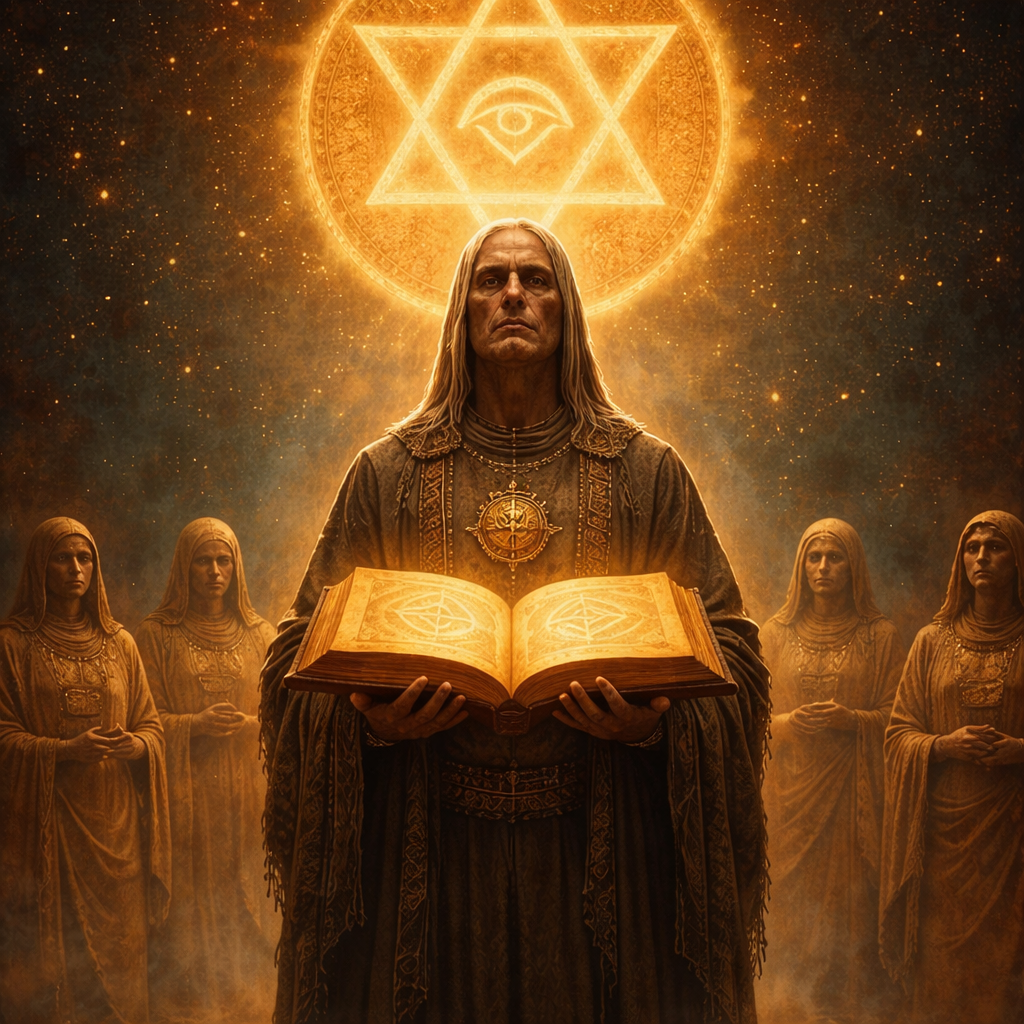

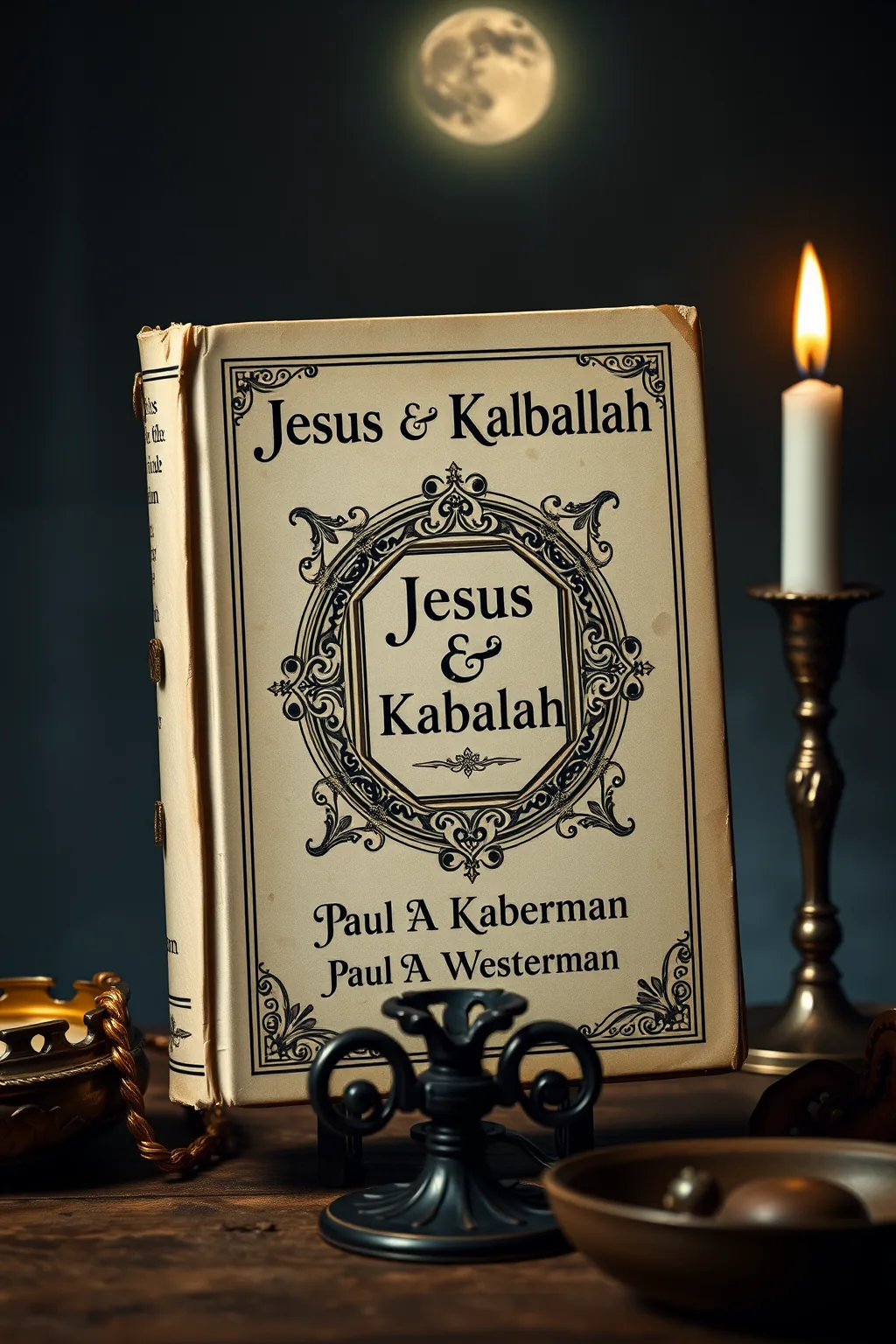
By Celeste Moreau (Divination & Symbolism Reviewer) — Paul A. Westerman's 'Jesus & Kabbalah' is a luminous exploration of rarely considered intersections in esoteric thought. Westerman's scholarship is evident, yet his prose remains accessible, guiding readers through complex Kabbalistic concepts and their potential resonance with early Christian mysticism. He masterfully uncovers the symbolic language shared between these traditions, offering profound insights into the nature of divine immanence and the path of spiritual ascent. This book is a treasure for serious students of mysticism, Kabbalah, and comparative religion, providing a fresh lens through which to view familiar figures and doctrines.
📝 Description
61
Paul A. Westerman's 2010 book connects Kabbalistic symbolism with Jesus's esoteric teachings.
This book examines the connections between Kabbalistic thought and the less common, esoteric interpretations of Jesus's teachings. Westerman traces symbolic links and hidden doctrines that appear in various spiritual traditions. It moves beyond simple academic study to consider the inner life and the nature of divine consciousness. The work is for those interested in Gnostic ideas and how mystical principles apply practically. It looks at secrets within old texts and oral traditions.
Westerman discusses the idea of a divine spark in humans, the soul's path upwards, and the structure of the universe. He draws parallels between the Kabbalistic Tree of Life and the spiritual path associated with Christ. The book aims to change how readers see these figures and their ideas, showing a more connected spiritual truth. It seeks to awaken dormant knowledge and help readers achieve personal change.
This work sits within the tradition of Christian Kabbalah, a historical movement that sought to find Jewish mystical concepts within Christian scripture and theology. It also touches upon Gnosticism, with its emphasis on hidden knowledge and the divine spark. The book bridges these traditions by looking for common symbolic language and metaphysical ideas shared between early Christianity and Jewish mysticism, particularly as interpreted through an esoteric lens.
💡 Why Read This Book?
Embark on a journey to uncover hidden spiritual connections between Jesus and Kabbalah. This book offers profound insights into the esoteric dimensions of both traditions, revealing shared symbolism and mystical principles. Ideal for seekers of deeper truth, scholars of comparative mysticism, and practitioners looking to enrich their understanding of divine consciousness and spiritual evolution.
⭐ Reader Reviews
Honest opinions from readers who have explored this book.
❓ Frequently Asked Questions
Does this book claim Jesus was a Kabbalist?
The book explores potential symbolic and thematic resonances rather than making definitive historical claims about Jesus' direct engagement with Kabbalah. It focuses on the esoteric parallels and hidden meanings that can be found when viewing his teachings through a Kabbalistic lens.
What is Kabbalah?
Kabbalah is the esoteric tradition of Jewish mysticism, seeking to understand the divine nature, the creation of the universe, and the purpose of human existence through symbolic interpretation of religious texts and mystical contemplation.
Is this book suitable for beginners?
While it delves into complex ideas, Westerman's accessible writing style makes it suitable for motivated beginners interested in comparative mysticism. A foundational understanding of basic spiritual concepts would be beneficial but not strictly required.
What esoteric knowledge is revealed?
The book illuminates concepts like the divine spark within, the ascent of the soul, symbolic interpretations of creation, and the interconnectedness of all things, drawing parallels between the Kabbalistic Tree of Life and spiritual enlightenment.
What is the main takeaway from 'Jesus & Kabbalah'?
The primary takeaway is a deeper appreciation for the universal nature of spiritual wisdom, demonstrating how seemingly distinct traditions can share profound symbolic language and illuminate the path to divine connection.
🔮 Key Themes & Symbolism
The Divine Spark and Inner Illumination
This theme explores the concept of the divine essence residing within every human being, a core tenet in both Kabbalistic thought and the teachings attributed to Jesus. The book looks at how this inner light, often veiled by material existence, can be awakened through spiritual practice and understanding. It examines the symbolic representations of this divine spark and its role in the soul's journey towards reunification with the source. Westerman draws parallels between the Kabbalistic idea of the 'Shekhinah' (Divine Presence) and the Christ consciousness, suggesting a universal understanding of divine immanence available to all.
Symbolism of the Tree of Life and the Christic Path
A central focus is the profound symbolic correspondence between the Kabbalistic Tree of Life and the spiritual journey of Jesus. The book meticulously unpacks the ten Sephiroth and their emanations, linking them to various stages of spiritual development, divine attributes, and cosmic principles. Westerman then juxtaposes this with interpretations of Jesus' life, miracles, and teachings, revealing how his path can be understood as a manifestation of ascending through these divine spheres. This comparative analysis offers a rich framework for understanding spiritual growth and the divine order of the cosmos.
Esoteric Interpretations of Sacred Texts
The work champions the practice of esoteric interpretation, moving beyond literal readings of scripture to uncover deeper, hidden meanings. Westerman demonstrates how both Kabbalistic tradition and certain early Christian mystical schools employed allegorical and symbolic methods to convey profound truths. The book invites readers to engage with the Gospels and other sacred texts through this lens, revealing layers of wisdom concerning creation, redemption, and the nature of reality. It highlights how specific verses and narratives can be understood as encoded spiritual maps for the seeker.
💬 Memorable Quotes
Direct passages from the work, attributed to the author.
“The Tree of Life is a map of the soul's ascent.”
— This highlights the Kabbalistic Tree of Life as a symbolic guide for spiritual progression, mirroring the journey of enlightenment and spiritual realization discussed in various mystical traditions.
“Hidden meanings whisper from every sacred word.”
— This points to the esoteric nature of religious texts, suggesting that deeper, symbolic truths lie beneath the surface for those who know how to listen and interpret.
“In the silence, the cosmos speaks.”
— This underscores the importance of contemplative practice and inner stillness for receiving divine wisdom and understanding the fundamental order of existence.
“The Christ within mirrors the divine from above.”
— This suggests a profound connection between the awakened human consciousness (the 'Christ within') and the ultimate divine source, implying a reciprocal relationship of divine manifestation.
💡 Key Ideas
Editorial paraphrase of the work's core concepts — not direct quotes.
The divine is not a distant king, but an indwelling light.
This quote emphasizes the immanent nature of the divine, suggesting that spiritual power and connection are found within rather than externally, a core concept in both Kabbalah and mystical Christianity.
🌙 Esoteric Significance
Tradition
This book operates within the field of comparative mysticism and esoteric theology. It draws heavily from the tradition of Kabbalah, the Jewish mystical path focused on understanding divine emanations and the structure of creation, and intersects with early Christian esoteric interpretations, particularly those that emphasize the spiritual and symbolic dimensions of Jesus' teachings, echoing Gnostic and Neoplatonic influences.
Symbolism
The core symbolism revolves around the Kabbalistic Tree of Life, representing divine attributes, creation, and the path of spiritual ascent. Westerman explores how this structure can be symbolically mapped onto the teachings and life of Jesus, revealing parallels in concepts such as divine immanence, the soul's journey, and the attainment of spiritual wisdom. Key symbols include the Sephiroth, the divine names, and the metaphorical language used in both traditions to describe the ineffable.
Modern Relevance
In an era seeking deeper meaning beyond materialism, 'Jesus & Kabbalah' offers a timeless framework for spiritual exploration. It provides seekers with tools to understand universal spiritual principles that transcend specific religious dogmas. The book's emphasis on inner transformation, symbolic interpretation, and the interconnectedness of all things speaks to contemporary interest in mindfulness, personal growth, and holistic spirituality, encouraging a more profound engagement with sacred wisdom.
👥 Who Should Read This Book
This book is an invaluable resource for dedicated seekers of spiritual truth, particularly those drawn to comparative mysticism and the esoteric dimensions of religious traditions. Scholars of Kabbalah and early Christian thought will find novel perspectives and insightful connections. Practitioners of meditation, contemplative prayer, and other spiritual disciplines will discover a richer symbolic language to enhance their inner work. Even motivated beginners curious about the deeper meanings of spiritual teachings will find Westerman's accessible yet profound exploration informative, offering a gateway into the profound mysteries of divine consciousness.
📜 Historical Context
The exploration of 'Jesus & Kabbalah' touches upon a period where diverse spiritual and philosophical currents converged, particularly in the Mediterranean and Near Eastern regions. While Kabbalah as a formalized system developed later, its roots lie in ancient Jewish mysticism. The early centuries of Christianity saw a wide range of Gnostic and mystical interpretations of Jesus' life and teachings, many of which explored themes of divine immanence, inner knowledge, and cosmic symbolism. This period was characterized by a profound yearning for direct spiritual experience and a sophisticated use of allegory and metaphor to convey complex metaphysical ideas. Westerman's work bridges these currents, examining how the symbolic language and spiritual aspirations of early Jewish mysticism might resonate with esoteric interpretations of Christ's message, offering a unique perspective on the spiritual range of antiquity.
📔 Journal Prompts
Reflect on a time you felt a 'divine spark' within yourself. How can you nurture this light?
Consider the Tree of Life as a map for your personal spiritual journey. What 'branches' or 'Sephiroth' are you currently navigating?
How does the concept of 'hidden meanings' in sacred texts influence your understanding of spirituality?
What are the parallels between the divine presence you seek externally and the divine presence you might find internally?
If Jesus' teachings are a spiritual path, what does that path look like through a Kabbalistic lens for you?
🗂️ Glossary
Kabbalah
The esoteric tradition of Jewish mysticism, concerned with the divine nature, creation, and the spiritual path of the soul, often studied through symbolic interpretation of scripture and contemplation.
Sephiroth
The ten divine emanations or attributes of God in Kabbalistic cosmology, forming the structure of the Tree of Life and representing stages of divine manifestation and spiritual ascent.
Tree of Life
A central diagram in Kabbalah, depicting the ten Sephiroth and their interconnections, symbolizing the structure of the universe, the divine order, and the pathway of the soul's journey.
Shekhinah
In Jewish mysticism, the dwelling or settling of the divine presence of God, often perceived as feminine, immanent, and intimately connected with creation and humanity.
Gnosis
Knowledge, particularly spiritual or esoteric knowledge, that provides salvation or enlightenment. Often associated with early Christian mystical traditions and certain schools of thought.
This book appears in 1 collection
🔮 Readers Also Liked
Browse all →








From the “Kabbalah” Collection
View all →








More Free Kabbalah & Jewish Mysticism Books
View all →