Invocation
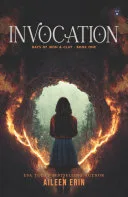
 73
73

Invocation
Aileen Erin’s *Invocation* launches with a confident stride, immediately establishing its protagonist as a capable, if somewhat burdened, intermediary between humanity and the demonic. The assertion that "Demons are real" is presented not as a revelation, but a fact of the world, which lends an immediate gravity to the proceedings. Erin excels at crafting an atmosphere where the mundane clashes with the infernal, a strength evident in the early descriptions of human missteps leading to supernatural trouble. However, the "slow-burn romance" promised feels exceptionally slow in these initial chapters, with the romantic elements taking a backseat to the exposition of the world and its rules. A passage detailing the protagonist's internal struggle to maintain boundaries while assisting a particularly desperate client hints at the emotional depth to come, yet the action, while present, occasionally feels secondary to establishing the series' foundational lore. For a book titled *Invocation*, the true summoning of its full potential feels like it lies just beyond the final page.
📝 Description
73
Aileen Erin's 2024 debut novel, Invocation, plunges readers into a world of demons and romance.
Invocation, Aileen Erin's first novel, published in 2024, is an action-oriented romantasy thriller. The story follows a protagonist who moves between the human and spiritual worlds. Her task involves helping people caught up in demonic troubles. This book is for readers who appreciate genre mixing, especially those looking for paranormal romance with strong thriller and action elements. Fans of Erin's earlier books will find familiar themes, while new readers can expect a slow-burn romance and a character with unusual powers. The narrative explores the presence of demons, how humans make mistakes that draw them into supernatural issues, and the people who can act as intermediaries. It blurs the lines between the human and spirit realms, suggesting a layered cosmology with different groups and forces at play.
Published in 2024, Invocation fits within the current wave of romantasy. This genre builds on earlier urban fantasy and paranormal romance traditions, which gained traction in the early 2000s. Authors like Charlaine Harris and Laurell K. Hamilton established complex female leads in supernatural settings. Erin's work continues this lineage, placing the novel within a contemporary surge of popular romantasy.
💡 Why Read This Book?
• Gain insight into the mechanics of demonology and human-supernatural entanglement as detailed in the book's exploration of human errors leading to demonic trouble. • Experience a paranormal thriller narrative that, as noted by Erin Michelle Sky, offers an action-packed plot with a foundation built on established paranormal romance tropes. • Discover a unique protagonist whose role straddles the line between the mortal and spiritual, offering a specific perspective on mediating otherworldly conflicts.
⭐ Reader Reviews
Honest opinions from readers who have explored this book.
❓ Frequently Asked Questions
What is the main premise of Aileen Erin's Invocation?
Invocation centers on a protagonist who can help humans caught in trouble with real demons, operating between the mortal and spiritual realms.
When was Invocation first published?
Invocation was first published on March 19, 2024.
What genre does Invocation fall into?
Invocation is described as an action-packed romantasy thriller with paranormal elements and slow-burn romance.
Who is the author of Invocation?
The author of Invocation is Aileen Erin, who is a USA Today Bestselling Author.
What are the key elements of the story's world?
The story establishes that demons are real and that humans often make mistakes that lead to demonic trouble, requiring a mediator.
What kind of romance can readers expect in Invocation?
Readers can expect a slow-burn romance integrated into an action-packed paranormal series.
🔮 Key Themes & Symbolism
Demonic Realities
The novel posits demons not as myth but as tangible entities, a core tenet of its paranormal framework. This forms the basis for the central conflict, where human actions inadvertently attract demonic attention. The narrative explores the consequences of such interactions, positioning demons as active forces within the story's cosmology. This theme grounds the fantastical elements in a sense of immediate danger and consequence for the characters involved.
Human Vulnerability and Error
A recurring motif is humanity's susceptibility to making grave mistakes, particularly those that invite supernatural repercussions. This theme highlights the flawed nature of humans within the narrative's context, creating a continuous source of conflict and plot development. The protagonist's role is intrinsically linked to rectifying these human-induced errors, underscoring a sympathetic yet critical view of mortal frailty when confronted with otherworldly powers.
Mediating Realms
The protagonist occupies a liminal space, existing between the human world and the spirit realm. This unique position is central to the plot, as she is the designated helper for those ensnared by demonic forces. This theme explores the challenges and responsibilities of being a bridge between disparate existences, suggesting a complex understanding of spiritual boundaries and the individuals who guard or traverse them.
Slow-Burn Romance
Integrated within the action and paranormal elements is a developing romantic relationship. The 'slow-burn' aspect suggests a gradual unfolding of intimacy and connection between characters, contrasting with the immediate threats they face. This thematic element adds a layer of personal stakes and emotional depth, providing a counterpoint to the high-octane plot and supernatural conflicts.
💬 Memorable Quotes
Direct passages from the work, attributed to the author.
“Demons are real.”
— This declarative statement immediately grounds the reader in the novel's paranormal reality, setting a tone of established supernatural presence rather than myth.
“Humans make awful mistakes that get them in demonic trouble more often than you'd think.”
— This highlights the central premise of human fallibility leading to supernatural conflict, a key driver for the protagonist's involvement.
“I'm the only one who can help them.”
— This establishes the protagonist's unique role and perceived necessity in resolving the conflicts arising from human-demonic interactions.
“I straddle the line between the mortal and spi”
— This phrase captures the protagonist's liminal existence, positioning her as a bridge or mediator between different planes of reality.
“action-packed romantasy thriller you won't be able to put down.”
— An endorsement from Erin Michelle Sky, framing the book as a high-energy genre blend designed for reader engagement.
🌙 Esoteric Significance
Tradition
While not explicitly tied to a single esoteric lineage like Hermeticism or Kabbalah, *Invocation* draws from broader occult and mythological traditions concerning demonic entities and spiritual intermediaries. Its approach to demons aligns with popular interpretations found in grimoires and demonology, presenting them as distinct intelligences with malevolent intent. The protagonist's role as a mediator between the mortal and spiritual realms echoes archetypes of shamans or spirit guides found across various animistic and esoteric practices, suggesting a contemporary interpretation of interdimensional communication.
Symbolism
The concept of 'demons' itself serves as a primary symbol, representing external malevolent forces or perhaps internal psychological shadows that human error invites. The 'line between the mortal and spiritual' is a potent symbolic boundary, representing the precarious balance of existence and the permeability of reality. The protagonist's ability to 'help' humans in demonic trouble symbolizes a form of spiritual or protective intervention, a motif common in protective magic and spiritual warfare narratives found in various esoteric traditions.
Modern Relevance
Contemporary readers drawn to *Invocation* often seek explorations of spiritual conflict and protection within a modern context, reflecting a growing interest in practical occultism and personal empowerment. Authors and practitioners exploring themes of spiritual defense, shadow work, and interdimensional interactions may find resonance with Erin's depiction of a world where such conflicts are overt. The novel's blend of action and personal stakes appeals to a generation engaging with fantasy literature as a vehicle for exploring existential and spiritual questions in accessible, narrative-driven formats.
👥 Who Should Read This Book
• Fans of paranormal romance seeking a blend of action and intrigue, particularly those who enjoyed USA Today Bestselling Author Aileen Erin's previous work. • Readers interested in contemporary takes on demonology and supernatural conflict, who appreciate a protagonist navigating complex interdimensional relationships. • Viewers of supernatural thrillers and romantasy novels who enjoy fast-paced plots with underlying romantic tension and clear stakes.
📜 Historical Context
Published in 2024, *Invocation* arrives at a moment when the paranormal romance and urban fantasy genres, popularized by authors like Laurell K. Hamilton in the late 1990s and early 2000s, are experiencing a resurgence, particularly within the 'romantasy' subgenre. Erin's work builds on established tropes of supernatural beings interacting with human society, often through protagonists who bridge these worlds. The contemporary reception of such narratives often focuses on the blend of action, romance, and intricate world-building. While *Invocation* doesn't engage directly with specific historical occult movements, its premise of demons and human error echoes themes found in demonological texts and folklore studied by scholars of comparative religion. The 2024 publication places it alongside a wave of new romantasy titles, differentiating it from the more gothic or overtly horror-tinged paranormal fiction of earlier decades.
📔 Journal Prompts
The protagonist's certainty that "Demons are real"—how does this conviction shape her actions?
Human mistakes leading to demonic trouble: identify one such error from the narrative.
Reflecting on the protagonist's position straddling the mortal and spiritual realms.
The slow-burn romance: what elements contribute to its gradual development?
Consider the protagonist's unique ability to help humans in demonic peril.
🗂️ Glossary
Invocation
In this context, refers to the act of calling upon or summoning, likely relating to the story's central themes of supernatural interaction and the protagonist's role.
Demons
Supernatural entities presented as real within the narrative's world, posing a threat to humans who make mistakes that attract their attention.
Romantasy
A literary genre that combines elements of romance and fantasy, often featuring supernatural or magical settings and plotlines.
Thriller
A genre characterized by suspense, excitement, and a fast-paced plot, often involving danger, mystery, and high stakes.
Paranormal
Relating to phenomena that are beyond the scope of normal scientific understanding, such as ghosts, vampires, and other supernatural beings.
Slow-burn romance
A romantic development that progresses gradually over time, with emotional and physical intimacy building slowly rather than occurring quickly.
Mortal realm
The world of human beings and physical existence, as opposed to supernatural or spiritual dimensions.