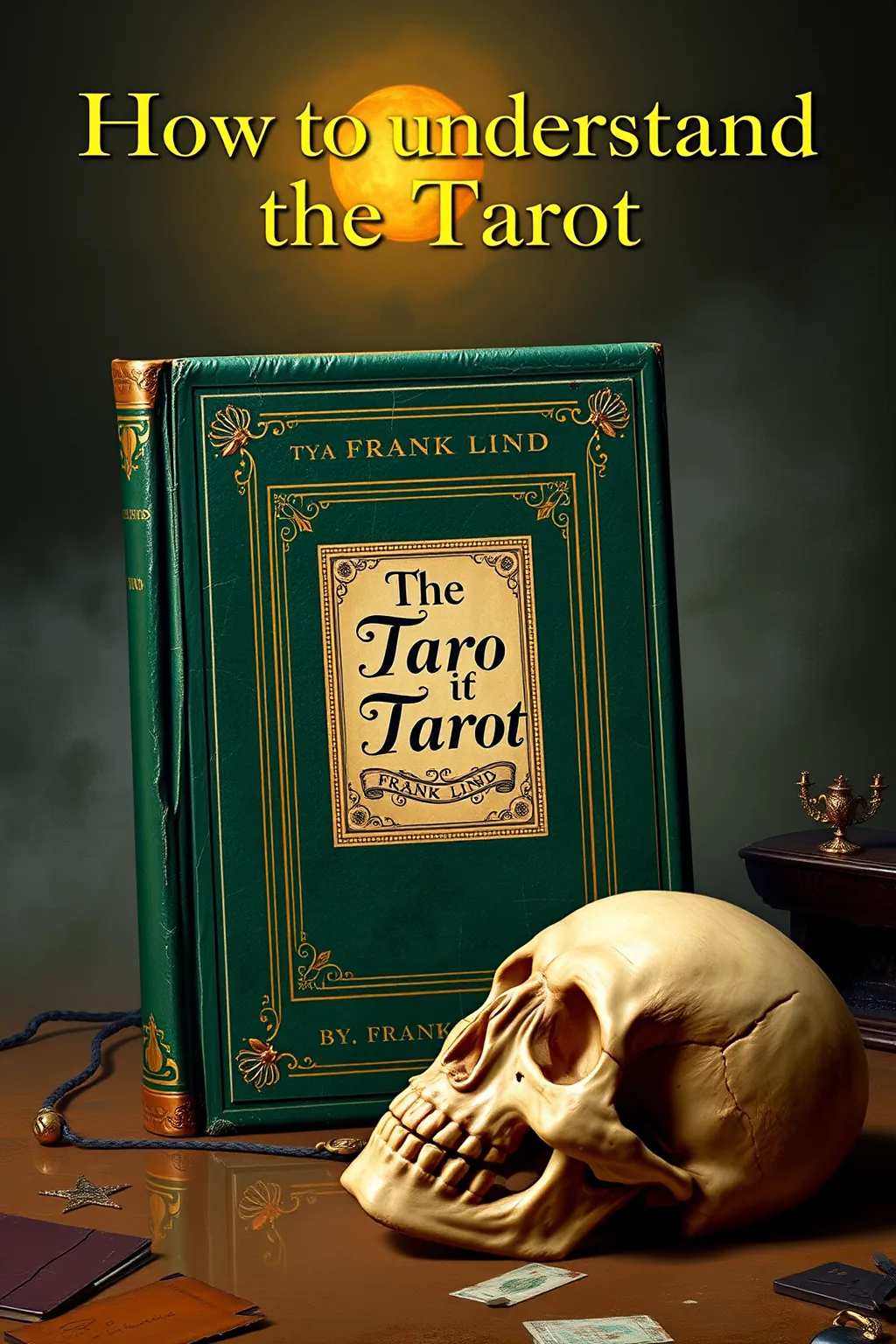
How to understand the Tarot
 73
73

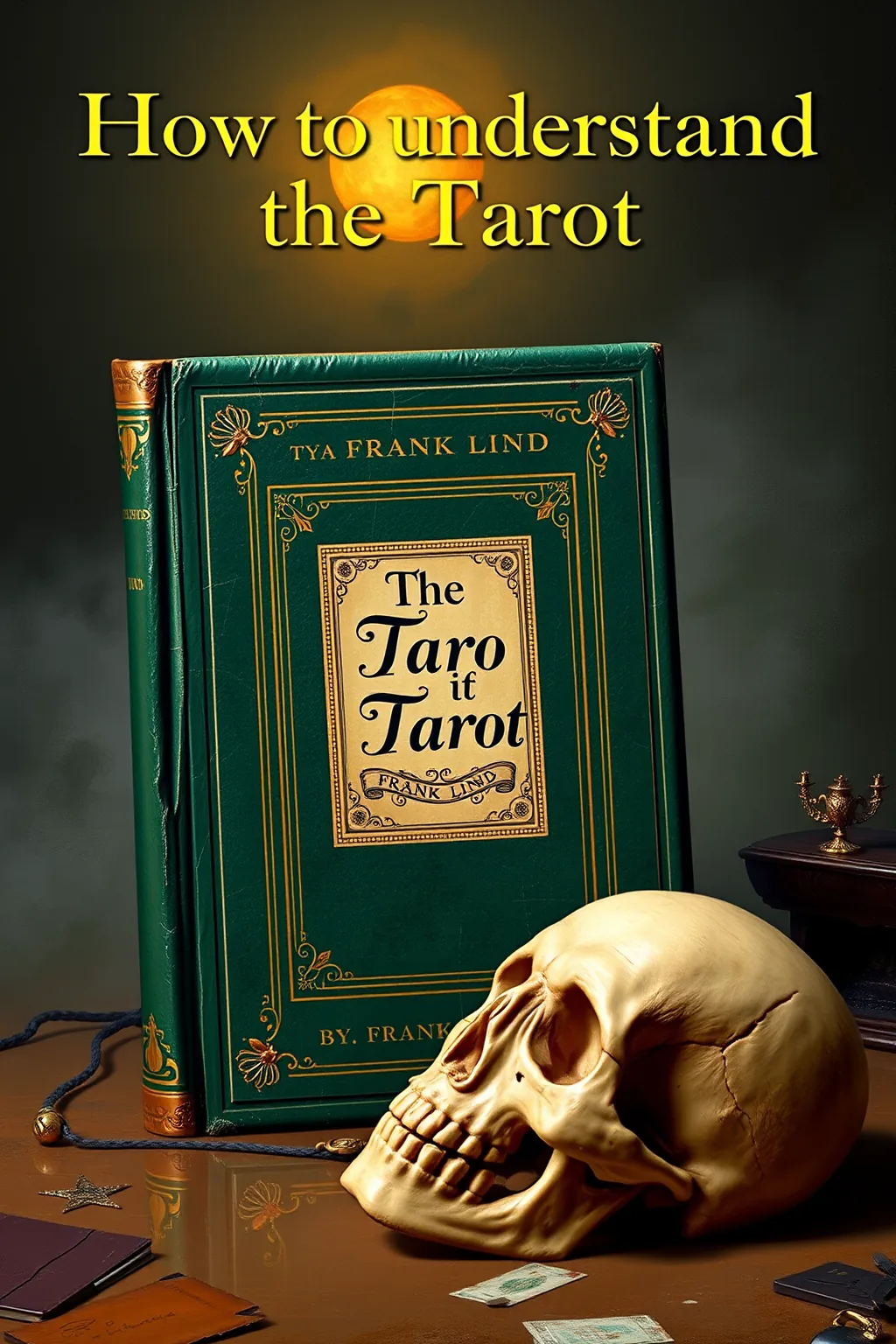
How to understand the Tarot
Frank Lind’s "How to Understand the Tarot" presents a refreshingly direct approach to a subject often clouded by arcane jargon and speculative interpretation. Its strength lies in its methodical dissection of the deck, particularly the clear exposition of the seventy-eight cards’ individual meanings and their relationships within spreads. Lind’s treatment of the Major Arcana as a narrative arc, tracing the Fool’s progression, is particularly well-articulated, offering a psychological depth rarely found in introductory texts. However, the book's primary limitation is its brevity; while comprehensive for a beginner, seasoned practitioners might find the treatment of certain complex card interactions or advanced spread techniques somewhat superficial. The section discussing the court cards, for instance, provides solid archetypes but could benefit from more nuanced examples of their manifestation in readings. Lind’s 1979 publication offers a grounded perspective on Tarot as a symbolic system, a valuable counterpoint to more ephemeral divinatory methods.
📝 Description
73
Frank Lind's 1979 book explains the seventy-eight card Tarot system.
Published in 1979, Frank Lind's "How to Understand the Tarot" examines the seventy-eight card system not just as a tool for divination, but as a symbolic language tied to Western esotericism. Lind breaks down the deck's structure, detailing the Major Arcana's archetypal progression and the Minor Arcana's suits and their numerical sequences. The book is intended for those seeking a structured introduction to Tarot, moving beyond simple fortune-telling to grasp the cards' historical and symbolic foundations. It aims to provide a solid interpretive framework for readers interested in the psychological and philosophical aspects of the Tarot.
Lind positions the Tarot as a symbolic map of consciousness and spiritual growth. He highlights the connections between the cards, especially the Major Arcana's representation of a journey. The book also covers the elemental correspondences of the suits—Wands, Cups, Swords, and Pentacles—and the meanings of the court cards as archetypal figures or stages of personal development. This approach distinguishes Lind's work from more superficial or purely predictive interpretations that were also popular at the time, aiming for a more rigorous, though still accessible, understanding of the cards' symbolic architecture.
Appearing in 1979, "How to Understand the Tarot" emerged during a resurgence of interest in esoteric traditions, influenced by the cultural shifts of the preceding decade. This period saw many popularizations of Tarot, some departing from older methods. Lind's book aimed to offer a grounded understanding of the cards' symbolic structure, setting itself apart from interpretations focused solely on prediction or generalized spiritual ideas. It sought to connect Tarot study with established Western esoteric thought.
💡 Why Read This Book?
• Gain a structured understanding of the Tarot's seventy-eight cards, moving beyond simple memorization by learning the elemental correspondences of the four suits (Wands, Cups, Swords, Pentacles) as detailed in the Minor Arcana sections. • Explore the archetypal journey represented by the Major Arcana, understanding its progression as a symbolic map of personal development, a concept Lind elucidates early in the book. • Develop a foundational interpretive framework for reading Tarot cards by grasping the symbolic language Lind introduces, which is crucial for interpreting spreads as discussed in the later chapters.
⭐ Reader Reviews
Honest opinions from readers who have explored this book.
❓ Frequently Asked Questions
When was Frank Lind's "How to Understand the Tarot" first published?
Frank Lind's "How to Understand the Tarot" was first published in 1979, positioning it within a wave of renewed interest in esoteric subjects during that era.
What is the primary focus of "How to Understand the Tarot"?
The book focuses on understanding the Tarot as a symbolic language and a map of consciousness, detailing the meanings of the seventy-eight cards and their archetypal significance.
Does the book cover both Major and Minor Arcana?
Yes, Lind's work provides a systematic breakdown of both the twenty-two Major Arcana cards and the fifty-six Minor Arcana cards, including their suit and numerical associations.
Is this book suitable for absolute beginners to Tarot?
Absolutely. The book is designed as an accessible introduction, offering a clear and structured approach to learning the foundational meanings and symbolism of the Tarot deck.
What historical period does the book reflect in its approach to Tarot?
Published in 1979, the book reflects the esoteric revival of the late 20th century, offering a grounded perspective on Tarot amidst burgeoning popular interest.
Does Lind discuss specific Tarot spreads?
While the primary focus is on card meanings and symbolism, the book lays the groundwork for interpreting spreads by explaining card relationships and archetypal progressions.
🔮 Key Themes & Symbolism
The Archetypal Journey
Lind frames the Major Arcana as a narrative depicting the Fool's progression through various stages of life and spiritual awakening. This sequence, from the Magician (I) to the World (XXI), is presented as a symbolic blueprint for individuation. Each card represents a distinct challenge, lesson, or archetype encountered on this path. Understanding this overarching journey provides context for individual card meanings and their interplay within a reading, moving beyond isolated predictions to a holistic view of personal development.
Elemental Correspondences
A central to Lind's method is the association of the four Minor Arcana suits with the classical elements: Wands with Fire, Cups with Water, Swords with Air, and Pentacles with Earth. This elemental framework is crucial for understanding the core energies and themes each suit represents. The book systematically explores how these elemental forces manifest through the numerical progression from Ace to Ten and the archetypal figures of the Court Cards, providing a consistent system for interpreting the seventy-eight cards.
Symbolic Language of the Cards
Lind posits the Tarot as a rich symbolic language, akin to hieroglyphs or alchemical symbols, that communicates profound truths about human experience and the cosmos. He encourages readers to look beyond literal interpretations and engage with the visual symbolism, numerology, and mythological allusions present in the cards. This perspective elevates Tarot from a mere fortune-telling device to a system for self-reflection, spiritual insight, and understanding the underlying patterns of existence.
The Court Cards as Archetypes
The Kings, Queens, Knights, and Pages of each suit are presented not just as characters but as embodiments of archetypal energies and stages of development. Lind’s interpretation suggests they can represent personality types, life situations, or facets of the querent's psyche. Understanding the dynamic interplay between these courtly figures and the numbered cards is key to unlocking nuanced readings, revealing how elemental energies are expressed through different levels of consciousness or maturity.
💬 Memorable Quotes
Direct passages from the work, attributed to the author.
“The Tarot is a symbolic language.”
— This concise statement captures Lind's core thesis: the cards are not arbitrary symbols but a structured system designed to communicate complex ideas about life, consciousness, and the universe.
“The Major Arcana represents a journey.”
— This highlights Lind's view of the Major Arcana as a narrative arc, often interpreted as the Fool's journey, symbolizing personal growth and spiritual evolution through distinct stages.
“Each suit corresponds to an element.”
— This refers to the fundamental esoteric principle linking Wands to Fire, Cups to Water, Swords to Air, and Pentacles to Earth, providing a foundational interpretive key for the Minor Arcana.
“Court cards embody archetypal energies.”
— Lind suggests that the figures of King, Queen, Knight, and Page represent more than just people; they are symbolic manifestations of specific personality types or developmental phases within the Tarot's symbolic system.
“Numerology is integral to card meaning.”
— This interpretation points to Lind's emphasis on the significance of numbers (1 through 10) within the Minor Arcana, indicating how quantitative progression influences the qualitative meaning of each card.
🌙 Esoteric Significance
Tradition
Lind's work aligns broadly with the Western Esoteric tradition, particularly drawing from Hermetic principles and archetypal psychology. It reflects the late 20th-century synthesis of occult symbolism with psychological interpretation, a trend influenced by figures like Carl Jung. While not explicitly Kabbalistic or Theosophical in its primary presentation, it utilizes established symbolic correspondences (like elemental associations) common within these lineages, presenting them in an accessible format for modern students.
Symbolism
Key symbols explored include the Fool's journey through the Major Arcana, representing the archetypal path of individuation and spiritual development. The four suits (Wands, Cups, Swords, Pentacles) are treated as embodiments of the classical elements (Fire, Water, Air, Earth), dictating the fundamental energy of each card. The numerological progression from Ace to Ten within each suit further symbolizes stages of manifestation and experience within these elemental domains.
Modern Relevance
Lind's approach continues to inform contemporary Tarot study, particularly for those seeking a balanced perspective between symbolic interpretation and practical application. His emphasis on the archetypal narrative of the Major Arcana appeals to modern psychological approaches to Tarot. Contemporary practitioners and authors who focus on Tarot as a tool for self-discovery and personal growth often build upon the foundational understanding of card symbolism that Lind helped to popularize.
👥 Who Should Read This Book
• Aspiring Tarot readers seeking a structured introduction to card meanings and symbolism, moving beyond rote memorization to understand the underlying archetypes. • Students of Western Esotericism interested in the symbolic systems that inform occult traditions, particularly how elemental and numerological correspondences are applied to Tarot. • Individuals exploring Jungian psychology and archetypal symbolism, looking for a practical framework to understand universal human experiences represented in the Tarot's seventy-eight cards.
📜 Historical Context
Frank Lind's "How to Understand the Tarot," first published in 1979, arrived during a vibrant period for esoteric literature. The late 1970s saw a continued engagement with occult traditions, fueled by the counterculture movements of the previous decade. While authors like Paul Foster Case had already established more academic approaches to Tarot symbolism, and Dion Fortune's works were influential, Lind's text aimed for a broader audience. It emerged in a landscape populated by diverse interpretations, from the more mystical evocations of the Golden Dawn tradition to burgeoning popularizations focused on predictive divination. Lind’s work sought to offer a structured, symbolic interpretation, grounding the reader in the archetypal framework of the cards, thus providing a counterpoint to purely fortune-telling or New Age spiritualism that was also gaining traction.
📔 Journal Prompts
The Fool's journey through the Major Arcana: identify one card that represents a significant challenge you have overcome.
Reflect on the elemental energy of Fire (Wands) in your current life circumstances.
Analyze the symbolism of the Court Cards: which figure best represents your current approach to a specific project?
Consider the numerological progression from Ace to Ten for the suit of Cups; how does this sequence apply to your emotional landscape?
The interplay between Major and Minor Arcana: how does the energy of a specific Major Arcana card influence the interpretation of a Minor Arcana card in a spread?
🗂️ Glossary
Major Arcana
The twenty-two trump cards of the Tarot deck, typically depicting archetypal figures and significant life events, often seen as representing the major stages of a spiritual or psychological journey.
Minor Arcana
The fifty-six cards of the Tarot deck, divided into four suits (Wands, Cups, Swords, Pentacles), which generally represent the mundane events, challenges, and circumstances of daily life.
Suit
One of the four divisions of the Minor Arcana (Wands, Cups, Swords, Pentacles), each associated with a classical element and representing distinct types of energy, experience, or domains of life.
Court Cards
The four face cards within each suit of the Minor Arcana: Page, Knight, Queen, and King. They often represent people, personality types, or stages of maturity.
Archetype
A universal, archaic pattern or image that derives from the collective unconscious and is the psychic counterpart of an inherited structure. In Tarot, these are embodied by the figures and scenes depicted on the cards.
Elemental Correspondences
The symbolic assignment of Tarot suits or cards to the four classical elements: Fire (Wands), Water (Cups), Air (Swords), and Earth (Pentacles), providing a framework for understanding their inherent energies.
Numerology
The study of the mystical significance of numbers. In Tarot, the numbers 1 through 10 in the Minor Arcana indicate a progression or development of the suit's energy.
🔮 Readers Also Liked
Browse all →
More by Frank Lind
All books →
More Free Divination & Tarot Books
View all →