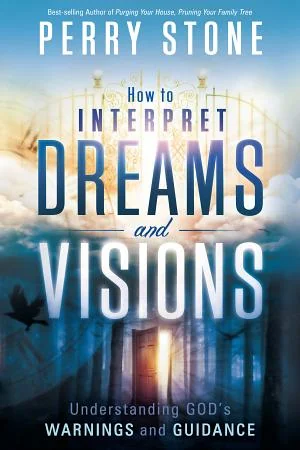
How to interpret dreams and visions
 76
76

How to interpret dreams and visions
Perry F. Stone's "How to Interpret Dreams and Visions" attempts to provide a practical guide for a subject often shrouded in mystique. Its strength lies in its systematic approach, breaking down interpretation into manageable steps and encouraging the creation of a personal symbolic lexicon. The chapter discussing "spiritual discernment" is particularly useful, urging readers to consider the source and nature of their visions, a crucial distinction often overlooked. However, the book occasionally leans into a tone that feels overly prescriptive, potentially limiting the subjective and highly personal nature of dream experiences. While it references the importance of individual association, some sections could benefit from more exploration of Jungian archetypes or less dogmatic assertions about specific symbol meanings. Stone's work is a serviceable tool for those seeking structure in understanding their dreams, but it might leave more experienced practitioners wanting deeper theoretical exploration or greater acknowledgement of interpretive ambiguity.
📝 Description
76
Perry F. Stone published "How to Interpret Dreams and Visions" in 2011.
This 2011 book provides a method for understanding symbolic dream language and spiritual impressions. Stone aims to give readers practical tools to find meaning in mental imagery, which often seems chaotic. The book teaches readers to identify patterns, common archetypes, and personal symbol meanings. This approach helps foster a stronger connection to one's inner self and possible divine communication.
The text is for people seeking to grasp their dreams and visions, especially those interested in spiritual development or esoteric studies. It helps beginners who are new to dream interpretation and also aids those with some experience looking to improve their skills. Readers interested in the links between psychology, spirituality, and mysticism will find the material useful. Those wanting a structured way to examine their inner lives and gain insights for daily living will benefit.
Dream interpretation has a long history, seen in ancient Babylonian and Greek practices, and later in the psychological work of Freud and Jung. Stone's book connects to this tradition, particularly modern spiritual and psychological ideas. While some interpretations focus only on the individual mind, Stone includes a spiritual element, viewing dreams as potential messages from a higher source, aligning with traditions that see dreams as divine communication.
💡 Why Read This Book?
• Learn a structured method for analyzing your dreams, moving beyond guesswork, by understanding Stone's framework for identifying "symbolic language" and personal associations. • Develop skills in "spiritual discernment" to differentiate between psychological and potentially divine messages within your visions, as outlined in the text. • Gain practical techniques for creating your "personal dream dictionary," allowing for a more nuanced and individualized interpretation of recurring symbols and themes.
⭐ Reader Reviews
Honest opinions from readers who have explored this book.
❓ Frequently Asked Questions
What is the primary goal of Perry F. Stone's 'How to Interpret Dreams and Visions'?
The book aims to provide readers with a systematic methodology for understanding the symbolic content of their dreams and visions, enabling them to discern personal meaning and potential spiritual guidance.
When was 'How to Interpret Dreams and Visions' first published?
'How to Interpret Dreams and Visions' by Perry F. Stone was first published in 2011.
Does the book offer a universal dream symbol dictionary?
While acknowledging universal symbols, the book emphasizes the importance of a "personal dream dictionary," recognizing that individual experiences and associations heavily influence dream interpretation.
What is 'spiritual discernment' in the context of this book?
Spiritual discernment refers to the process of evaluating the source and nature of dreams and visions to understand whether they stem from psychological processes, spiritual influences, or other origins.
Is this book suitable for beginners in dream interpretation?
Yes, the book is designed to be accessible to beginners by offering a structured approach and practical tools, while also providing depth for those with some prior experience.
What is the author's background relevant to this topic?
Perry F. Stone is known for his work in spiritual and prophetic teachings, bringing a perspective that often integrates psychological understanding with a belief in divine communication through dreams and visions.
🔮 Key Themes & Symbolism
Symbolic Language of Dreams
The work posits that dreams communicate through a rich symbolic language, distinct from literal speech. It guides readers to recognize common archetypes and personal signifiers that populate the dreamscape. Understanding this symbolic grammar is presented as the first step toward unlocking deeper messages, whether they pertain to psychological states or spiritual insights. The book encourages a meticulous approach to cataloging and analyzing these symbols as they appear across various dreams and visions experienced by the individual reader.
Personal Dream Dictionary
Central to Stone's methodology is the concept of a "personal dream dictionary." While acknowledging universal symbols studied in fields like psychology and comparative religion, the book stresses that individual life experiences, memories, and emotional associations imbue symbols with unique significance. Readers are prompted to actively construct their own lexicon, documenting their personal connections to dream imagery, thereby moving beyond generic interpretations towards a more accurate and relevant understanding of their own subconscious and spiritual communications.
Spiritual Discernment
A critical aspect explored is "spiritual discernment," the ability to differentiate the origin and intent behind dreams and visions. Stone guides readers to assess whether a dream is purely psychological, a spiritual message, or potentially misleading. This involves careful consideration of the emotional tone, the clarity of the message, and its alignment with spiritual principles. The book advocates for a cautious yet open approach, encouraging readers to test the messages received against wisdom and experience.
Prophetic and Visionary Experiences
The text examines the nature of prophetic dreams and visions, suggesting they can offer glimpses into future events or provide divine guidance. It differentiates these from ordinary dreams, highlighting their potential significance for personal development and spiritual awareness. The book provides frameworks for interpreting such experiences, emphasizing the importance of context and the potential for these visions to serve a higher purpose, aligning with traditions that view dreams as divine communication.
💬 Memorable Quotes
Direct passages from the work, attributed to the author.
“Dreams communicate through symbols and metaphors, not literal language.”
— This highlights the core premise that dream interpretation requires understanding a different symbolic grammar. It suggests that direct, literal meanings are rare, and decoding requires attention to imagery and metaphor.
“Your personal experiences shape the meaning of dream symbols.”
— This emphasizes the subjectivity of dream interpretation, moving beyond universal dictionaries. It underscores the need for introspection to understand how one's unique life story influences dream content.
“Discern the source and nature of your visions.”
— This points to the critical process of spiritual discernment, urging readers to evaluate whether a dream or vision originates from the subconscious, a spiritual source, or potentially a misleading influence.
“A personal dream dictionary is essential for accurate interpretation.”
— This reinforces the idea that a customized lexicon, based on individual associations, is more valuable than generic dream books for understanding one's own dream landscape.
“Visions can offer guidance for your waking life.”
— This suggests a practical application of dream interpretation, viewing visions not just as passive experiences but as active sources of insight and direction for navigating life's challenges.
🌙 Esoteric Significance
Tradition
This work fits within the broader esoteric tradition of seeking direct knowledge or communication beyond the mundane senses. It draws implicitly from Gnostic and Hermetic ideas that the inner life holds profound truths and that symbols are keys to unlocking them. While not explicitly Kabbalistic or Theosophical, it shares the common esoteric goal of interpreting a hidden language to understand one's place in the cosmos and receive guidance. It departs from purely psychological frameworks by affirming the potential for divine or spiritual input.
Symbolism
Key symbols often explored include water (representing emotions or the subconscious), journeys (life paths or spiritual quests), and encounters with figures (representing aspects of the self or external spiritual influences). The book likely encourages readers to see these not just as random imagery but as potent signifiers within a larger symbolic cosmology, where water can represent purification or overwhelming emotion, and figures can embody wisdom or challenge.
Modern Relevance
In contemporary spirituality, where interest in mindfulness, intuition, and personal growth is high, Stone's work remains relevant. It speaks to individuals seeking to deepen their connection with their inner selves and explore non-traditional forms of guidance. Practices like dream journaling and active imagination, popularized by figures influenced by Jung and now integrated into various wellness and spiritual paths, find a practical manual in this book for understanding the insights generated.
👥 Who Should Read This Book
• Individuals seeking a structured approach to dream analysis, who feel overwhelmed by the subjectivity of dream recall and interpretation. They will gain practical steps and a framework for consistent analysis. • Students of comparative religion and spirituality interested in how different traditions view dreams as a form of divine communication or spiritual insight. They will find a contemporary example of such practices. • Those exploring personal development and self-discovery who believe their inner world holds significant messages. They will learn techniques to access and interpret these messages for personal growth.
📜 Historical Context
Published in 2011, "How to Interpret Dreams and Visions" emerges within a long lineage of esoteric and psychological inquiry into the dream state. While ancient cultures saw dreams as divine pronouncements, the early 20th century saw figures like Sigmund Freud and Carl Jung revolutionize the field by exploring the subconscious and archetypal dimensions. Stone's work, however, situates itself more within traditions that emphasize spiritual or prophetic communication, aligning with New Thought and certain Pentecostal interpretations that view dreams as direct messages from God or spiritual entities. This contrasts with purely secular psychological approaches that might dismiss the divine element. Unlike the more abstract philosophical explorations of dreams found in ancient Greek philosophy or the detailed symbolic systems of Kabbalah, Stone offers a practical, step-by-step guide for the contemporary seeker, aiming to bridge the gap between subjective experience and objective understanding, a common goal in many modern esoteric movements.
📔 Journal Prompts
Reflect on the recurring symbols in your dreams and their potential connection to your "personal dream dictionary."
Analyze a recent vision using the principles of "spiritual discernment" discussed in the text.
Consider the emotional range of your dreams and how it mirrors your waking emotional state.
Document a dream involving a journey and explore its possible meanings regarding your life path.
Identify a dream character and consider what aspect of yourself it might represent.
🗂️ Glossary
Symbolic Language
The concept that dreams communicate through images, metaphors, and archetypes rather than direct, literal statements. Understanding this language is key to interpretation.
Personal Dream Dictionary
A personalized lexicon of dream symbols, where meanings are derived from individual experiences and associations, rather than solely relying on universal interpretations.
Spiritual Discernment
The practice of evaluating the origin, nature, and intent of dreams and visions to distinguish between psychological, divine, or other influences.
Archetype
Universal, archaic patterns and images that derive from the collective unconscious and are the psychic counterpart of a biological or social instinct.
Vision
An experience of seeing something that is not present in reality, often interpreted as a spiritual or prophetic message.
Prophetic Dream
A dream that is believed to foretell future events or convey divine guidance.
Subconscious
The part of the mind of which one is not fully aware but which influences one's actions and feelings.
🔮 Readers Also Liked
Browse all →









More by Perry F. Stone
All books →
More Free Occult Philosophy Books
View all →