How to Draw Fallen Angels
 80
80

How to Draw Fallen Angels
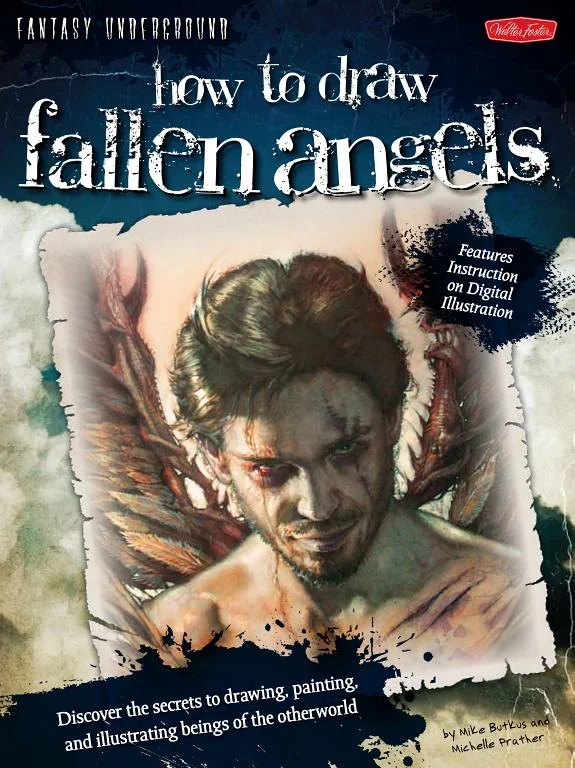
Michael Butkus and Michelle Prather's "How to Draw Fallen Angels" approaches its subject with a directness that bypasses much of the usual fanfare surrounding esoteric art. Rather than abstract theorizing, the book offers concrete drawing exercises. Its strength lies in its focus on translating symbolic archetypes into workable artistic techniques, particularly in the sections detailing musculature and drapery for non-humanoid forms. A potential limitation is its brevity; some readers might desire more in-depth explorations of the specific lore behind each depicted entity. A memorable aspect is the methodical breakdown of complex figures, like the detailed rendering of infernal wings, which moves beyond generic angel wings into something more menacing and distinct. The work provides a functional toolkit for artists navigating the visual representation of fallen celestial beings.
📝 Description
80
Michael Butkus published 'How to Draw Fallen Angels' in 2011.
This 2011 book offers practical drawing instruction for artists interested in esoteric and mythological subjects, specifically focusing on the visual representation of fallen angels. It guides artists in rendering figures often found in occult literature and art, prioritizing techniques for translating abstract concepts into tangible imagery over theological discussion. The book is intended for illustrators, concept artists, and occult practitioners looking to depict figures from demonic lore and esoteric traditions. It suits those with basic drawing skills seeking to incorporate darker, symbolic elements into their work, and it holds utility for hobbyists exploring personal mythology or artists engaging with counter-cultural aesthetics.
The core concepts center on the visual language of fallen angels. This involves understanding their traditional iconography, such as wings, horns, and specific attributes that signify their fallen state or hierarchical position. The emphasis is on translating the symbolic weight of these entities into potent visual forms, aiming to convey a sense of fallen grace, rebellion, or cosmic significance rather than mere monstrous appearances. The instruction focuses on translating symbolic weight into compelling visual forms.
Emerging in the early 21st century, a period of renewed interest in occult symbolism and esoteric art, 'How to Draw Fallen Angels' addresses a gap in artistic instruction. While figures like Aleister Crowley and Eliphas Lévi incorporated such imagery, specific guides on drawing these entities were less common. The book arrived as digital art tools became widespread, yet the enduring importance of figure drawing fundamentals, particularly for symbolic subjects, remained. It situates itself within a tradition where visual artists engage with occult traditions, translating their complex symbolism into accessible forms.
💡 Why Read This Book?
• Gain practical techniques for rendering infernal figures, moving beyond generic fantasy art by studying specific elements like the "broken wings" motif, as detailed in the book's instruction. • Understand the visual language of esoteric iconography, learning how specific attributes, such as the "serpentine tail" or specific demonic sigils, communicate meaning within occult traditions. • Develop a unique artistic style for representing archetypal rebellion and cosmic fall, as exemplified by the detailed anatomical studies presented for figures inspired by early 21st-century esoteric art trends.
⭐ Reader Reviews
Honest opinions from readers who have explored this book.
❓ Frequently Asked Questions
What foundational drawing skills are assumed for "How to Draw Fallen Angels"?
The book assumes a basic understanding of figure drawing, including anatomy, proportion, and shading. While it guides users on rendering specific esoteric elements, prior experience with drawing the human form is beneficial for effectively applying its techniques.
Does the book explain the theological or mythological backgrounds of fallen angels?
While it touches upon the symbolic significance of fallen angels, the primary focus is on the visual representation. It provides context for the imagery but is not an exhaustive theological treatise on demonology or angelic hierarchies.
What artistic mediums are best suited for the techniques in this book?
The techniques are generally applicable to pencil, ink, and digital drawing. The instruction emphasizes form, line, and shading, which translate well across traditional and digital artistic tools.
Are there specific chapters or sections recommended for beginners?
Beginners might find value in starting with the initial chapters that focus on fundamental shapes and the construction of wings, before moving to more complex figure compositions.
When was "How to Draw Fallen Angels" first published?
The book was first published in July 2011, reflecting a period of renewed interest in esoteric art and symbolism in the early 21st century.
Does this book offer guidance on drawing specific named fallen angels?
The book focuses on archetypal representations and common visual motifs associated with fallen angels rather than providing detailed guides for specific named entities from various mythologies.
🔮 Key Themes & Symbolism
Iconography of the Infernal
This theme explores the visual cues that define fallen angels in art. It moves beyond generic winged figures to detail specific attributes like broken or bat-like wings, serpentine tails, or specific demonic sigils. The book teaches how to translate these symbolic elements into powerful imagery that communicates a sense of rebellion, cosmic displacement, or infernal hierarchy, distinguishing them from purely angelic forms.
Esoteric Figure Construction
The core of the book lies in its practical approach to constructing these esoteric figures. It breaks down the process of drawing non-human anatomy, musculature, and dynamic poses, often drawing parallels to human anatomy but adapting it for monstrous or divinely fallen beings. This includes techniques for rendering textures, dramatic lighting, and imposing drapery that enhance the otherworldly nature of the subjects.
Artistic Translation of Archetypes
This theme addresses the challenge of visually representing abstract concepts like rebellion, damnation, or fallen grace. The book guides artists to imbue their drawings with psychological depth and symbolic meaning, ensuring the figures are not merely monstrous but possess a narrative quality derived from esoteric traditions. It’s about capturing the essence of these beings through artistic choices.
Symbolic Wing and Form
A significant focus is placed on the rendering of wings, a primary identifier of angelic or fallen angelic beings. The book differentiates between various types of wings—feathered, leathery, or tattered—and instructs on how their form, condition, and placement contribute to the overall narrative of the figure. This extends to other symbolic body parts and adornments that signify their unique status.
💬 Memorable Quotes
Direct passages from the work, attributed to the author.
“Observe the angles of the wings; they speak of descent, not ascension.”
— This interpretation emphasizes how the book uses specific visual details, like the posture and angle of wings, to convey narrative information about the character's status and history, serving as a key element in esoteric visual storytelling.
“Form follows fall; the body’s structure reflects the cosmic event.”
— This interpretation suggests that the book links the physical depiction of fallen angels to their narrative arc, implying that their anatomy, posture, and even perceived imperfections are direct visual consequences of their spiritual or cosmic downfall.
“The shadow cast by infernal wings differs from earthly shade.”
— This interpretation suggests that the book instructs artists on how to represent the unique qualities of supernatural beings, implying that even their shadows possess an otherworldly characteristic that contributes to their distinct visual identity.
💡 Key Ideas
Editorial paraphrase of the work's core concepts — not direct quotes.
The challenge lies in depicting the grandeur that was lost, the celestial nature still hinted at beneath the infernal guise.
This paraphrased concept highlights the book's focus on portraying fallen angels not just as monstrous entities, but as beings who retain vestiges of their former divine state, adding a layer of tragic complexity to their visual representation.
Beyond simple horror, seek the echo of lost divinity.
This paraphrased concept points to the book's aim of moving beyond superficial depictions of evil, encouraging artists to capture the nuanced tragedy of fallen beings who may still carry remnants of their former celestial nature.
🌙 Esoteric Significance
Tradition
This work engages with the visual tradition of demonology and angelology found across various Western esoteric paths, including Hermeticism, Kabbalah, and grimoire magic. It draws upon iconography developed over centuries, from medieval bestiaries to the symbolic art of figures like Eliphas Lévi. The book interprets these traditions through a practical artistic lens, focusing on how to manifest these symbolic entities visually, rather than studying their complex theological or magical applications.
Symbolism
Key symbols explored include the transformation of angelic wings into leathery, broken, or bat-like appendages, signifying descent and loss of grace. The serpent motif, often associated with temptation and the underworld, is also a recurring element. Furthermore, the book may address the use of specific horns, claws, or infernal markings as visual shorthand for a being's fallen status and connection to chthonic realms, translating abstract concepts into tangible artistic elements.
Modern Relevance
Contemporary artists and creators in fields like concept art for video games and films, dark fantasy illustration, and even certain subgenres of metal music and occult-themed graphic design continue to draw on the visual archetypes explored in this book. The practical instruction on rendering these figures provides a foundation for artists seeking to depict entities that embody themes of rebellion, cosmic conflict, and the liminal space between the divine and the demonic.
👥 Who Should Read This Book
• Aspiring illustrators and concept artists specializing in dark fantasy or mythological themes will gain specific techniques for rendering infernal figures with unique characteristics. • Practitioners of occultism or esotericism interested in visually manifesting symbolic entities from demonological lore will find practical guidance for their artistic representations. • Art students exploring comparative mythology and the visual language of religious and occult traditions will benefit from a focused study on the iconography of fallen beings.
📜 Historical Context
Emerging in 2011, "How to Draw Fallen Angels" arrived during a period when digital art tools were becoming increasingly sophisticated, yet the demand for foundational artistic instruction, particularly for niche subjects, remained strong. The early 21st century saw a continued engagement with occultism and esoteric symbolism in popular culture and underground art scenes, building on the foundations laid by figures like Aleister Crowley in the early 20th century and Eliphas Lévi in the 19th. While mainstream fantasy art often featured demons and angels, guides dedicated specifically to the visual language of *fallen* angels, bridging the gap between theological concepts and practical art techniques, were less common. The book positioned itself within this space, offering a focused approach that distinguished it from broader fantasy illustration manuals. Its reception was likely within artistic communities interested in the darker aspects of mythology and occultism.
📔 Journal Prompts
The visual dichotomy of angelic remnants within infernal forms.
Reflecting on the symbolic meaning of 'broken wings' in personal mythology.
Exploring the visual representation of cosmic rebellion through figure drawing.
Analyzing the interplay of light and shadow on infernal anatomy.
Considering the use of specific sigils or markings in depicting fallen entities.
🗂️ Glossary
Infernal Iconography
The system of visual symbols, images, and conventions used to represent beings or concepts associated with hell or the underworld in art and literature.
Chthonic
Relating to the underworld or the earth, often associated with deities or forces connected to the subterranean realms.
Archetype
A universal, symbolic character, image, or pattern of thought that recurs in the literature and mythology of many cultures, representing fundamental human experiences.
Grimoire
A textbook of magic, typically containing instructions on how to cast spells, perform rituals, and invoke supernatural beings, often dating from the medieval or Renaissance periods.
Fallen Grace
The state of losing divine favor or spiritual purity, often depicted visually through corrupted or damaged angelic attributes.
Sigil
A symbol or sign used in magical rituals, often believed to represent a specific entity, intention, or concept, and used to focus magical energy.
Esoteric Art
Art that draws inspiration from or aims to represent mystical, occult, or hidden spiritual knowledge and traditions.
This book appears in 1 collection
🔮 Readers Also Liked
Browse all →








From the “Angels” Collection
View all →


More Free Occult Philosophy Books
View all →