Horizons
 72
72

Horizons
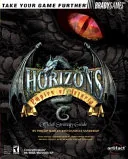
Phillip Marcus and Danielle Vanderlip's "Horizons: Empires of Istaria Official Strategy Guide" provides an undeniably thorough breakdown of a complex virtual world. The guide excels in its systematic presentation of the game's nine playable races, making potentially overwhelming lore accessible. Its strength lies in detailing the "school-based skill system," a core innovation of "Empires of Istaria" that allowed for granular character development. However, the original blurb's promise of "expert strategies" feels somewhat aspirational; while it covers mechanics well, the true depth of player-driven strategy in an open-ended MMORPG often transcends static guide content. The inclusion of "advanced community building tools" is a notable feature, highlighting the game's ambition in fostering player interaction beyond combat.
This guide serves as a valuable artifact for understanding the game's design at its inception, rather than a dynamic tool for current gameplay.
📝 Description
72
Phillip Marcus and Danielle Vanderlip's strategy guide for Empires of Istaria was published in December 2003.
Horizons serves as an official companion to the MMORPG Empires of Istaria, detailing its mechanics and world. Authored by Phillip Marcus and Danielle Vanderlip, the guide was released in December 2003. It is structured to help players understand the game's core systems, from initial character creation through to advanced gameplay strategies. The book targets players of Empires of Istaria, especially those seeking a thorough grasp of the game's systems. It offers fundamental information for new players and advanced tactics for experienced ones aiming to improve their performance. The guide's focus on community building and its skill systems indicates an audience interested in the more complex elements of MMORPGs.
While this book is a strategy guide for a video game, its focus on a 'school-based skill system' and player-driven social structures can be seen as a modern reflection of esoteric traditions that emphasize self-directed learning and the creation of emergent, complex societies. The game's design, which allows for high character customization and player influence on the persistent world, echoes concepts found in philosophical systems that explore individual agency within larger, evolving frameworks.
💡 Why Read This Book?
• Understand the "school-based skill system" of "Empires of Istaria" as presented by its creators, offering insight into character customization beyond traditional classes. • Grasp the fundamental information for all nine playable races, providing a foundational lore base unique to the game's design. • Explore the game's "community building tools," revealing early 2000s approaches to fostering player-driven societies in virtual worlds.
⭐ Reader Reviews
Honest opinions from readers who have explored this book.
❓ Frequently Asked Questions
What specific MMORPG does the strategy guide "Horizons" cover?
The strategy guide "Horizons" covers the MMORPG "Empires of Istaria," which was first published in 2003. It provides detailed information for players of this specific game.
Who are the authors of "Horizons: Empires of Istaria Official Strategy Guide"?
The authors of "Horizons: Empires of Istaria Official Strategy Guide" are Phillip Marcus and Danielle Vanderlip. The book was initially published in December 2003.
What kind of information is included about the playable races in "Horizons"?
The guide includes fundamental information for all nine playable races in "Empires of Istaria," presented in an easy-to-understand format to help players choose and understand their characters.
Does the guide explain the skill system in "Empires of Istaria"?
Yes, "Horizons" provides complete coverage of the game's open-ended "school-based skill system," detailing how players can develop their characters through a flexible, non-class-based progression.
What are some advanced features discussed in the "Horizons" strategy guide?
The guide touches upon "advanced community building tools," indicating a focus on the social and political aspects of "Empires of Istaria," alongside strategies for player interaction and world development.
When was "Horizons: Empires of Istaria Official Strategy Guide" first published?
The "Horizons: Empires of Istaria Official Strategy Guide" was first published in December 2003, making it a contemporary resource for players of the game during its early years.
🔮 Key Themes & Symbolism
The School-Based Skill System
A central tenet of "Empires of Istaria," the "school-based skill system" offered a departure from rigid MMORPG classes. This guide details how players could mix and match skills from various "schools" to create unique character builds. It emphasizes player agency in defining their character's progression, allowing for specialization in anything from combat prowess to crafting or social influence. This system aimed to foster diverse playstyles within the game world.
Racial Diversity and Lore
The guide dedicates significant attention to the nine distinct playable races within "Empires of Istaria." Each race is presented with fundamental information, likely covering their history, culture, and inherent traits. This focus on racial identity was crucial for world-building in 2003, encouraging players to engage with the game's narrative and choose characters that aligned with specific lore or gameplay advantages.
Player-Driven Community
Beyond individual character development, "Horizons" highlights "advanced community building tools." This points to an emphasis on player interaction, guild formation, and potentially player-governed settlements or political systems. In the context of early 2000s MMORPGs, this was an ambitious feature, aiming to create a persistent world shaped by its inhabitants rather than solely by developers.
💬 Memorable Quotes
Direct passages from the work, attributed to the author.
“Fundamental information for the nine playable races is included in an easy-to-understand format.”
— This blurb excerpt points to the guide's commitment to making the game's diverse lore accessible, a critical element for player immersion in any expansive virtual world.
“Complete coverage of the open-ended school-based skill system is also provided.”
— This highlights a key innovative feature of "Empires of Istaria," the flexible skill progression that allowed for deep character customization beyond traditional MMORPG class structures.
“Advanced community building tools, and more!”
— This phrase suggests the guide examines the game's social mechanics, focusing on features designed to foster player interaction, guilds, and potentially player-driven economies or politics.
“Expert strategies for the game.”
— This indicates the guide aims to provide players with actionable advice for succeeding in "Empires of Istaria," covering everything from basic gameplay to more complex tactical approaches.
“Published 2003-12”
— This publication date places the guide firmly within the early era of massively multiplayer online role-playing games, offering a historical snapshot of design and player guidance.
🌙 Esoteric Significance
Tradition
While "Empires of Istaria" and its strategy guide are not directly rooted in traditional esoteric lineages like Hermeticism or Gnosticism, their focus on player-defined paths and intricate systems can be seen as a secular echo of esoteric principles. The emphasis on self-creation through the "school-based skill system" mirrors occult philosophies that posit the adept shapes their own reality and destiny through focused will and knowledge acquisition.
Symbolism
The nine playable races within "Empires of Istaria" can be viewed symbolically, representing archetypal forces or elemental aspects within the game's cosmology. The "school-based skill system," rather than a specific symbol, functions as a symbolic representation of the alchemical process of transmutation – taking raw potential (player choices) and refining it into a perfected form (a developed character).
Modern Relevance
The principles explored in "Horizons," particularly the "school-based skill system" and "community building tools," find resonance in modern game design and even in broader discussions of digital identity and virtual community formation. Thinkers exploring the metaverse, digital sociology, and the evolving nature of online interaction might find the guide's documentation of early 2000s MMORPG design useful.
👥 Who Should Read This Book
['• Players new to "Empires of Istaria": Provides foundational knowledge on the nine races and the core "school-based skill system" to ease onboarding.', '• MMORPG historians and designers: Offers insight into early 2000s game design philosophies, particularly regarding character progression and player interaction tools.', '• Enthusiasts of virtual world building: Explores the "community building tools" available in "Empires of Istaria," showcasing early attempts at fostering player-driven societies.']
📜 Historical Context
Released in December 2003, "Horizons: Empires of Istaria Official Strategy Guide" arrived during a key moment for the MMORPG genre. Titles like "EverQuest" (1999) and "Dark Age of Camelot" (2001) had already established player expectations, while nascent projects like "World of Warcraft" (which launched in 2004) were poised to redefine the landscape. "Empires of Istaria" itself, developed by Virtuosity, aimed for innovation with its "school-based skill system" and focus on player-driven societies. Strategy guides like this one were indispensable tools, helping players work through the steep learning curves of these complex virtual worlds. While there was no widespread controversy or major critical reception event documented for this specific guide, its existence reflects the commercial necessity of such companions in the burgeoning online gaming market. It competed with general gaming magazines and other online resources, but as an "official" guide, it held a unique position in providing developer-sanctioned insights.
📔 Journal Prompts
The concept of the "school-based skill system" and its impact on player agency.
Reflect on the significance of detailing nine distinct playable races in "Empires of Istaria."
Consider the implications of "advanced community building tools" for player-driven virtual worlds.
Analyze the "expert strategies" presented in the context of early 2000s MMORPGs.
How does the guide's structure facilitate understanding of the "Empires of Istaria" game world?
🗂️ Glossary
Empires of Istaria
A massively multiplayer online role-playing game (MMORPG) that was first published in 2003. Known for its innovative "school-based skill system" and focus on player-driven communities.
School-Based Skill System
A character development mechanic in "Empires of Istaria" that allows players to learn and combine skills from various "schools" rather than adhering to predefined classes. This enables highly customized character builds.
Playable Races
In "Empires of Istaria," there are nine distinct races available for players to choose from. The strategy guide provides fundamental information for each of these races.
Community Building Tools
Features within "Empires of Istaria" designed to facilitate player interaction, guild formation, social structures, and potentially player-governed elements within the game world.
Strategy Guide
A companion book offering advice, explanations, and tactical information for a specific video game, in this case, "Empires of Istaria."
MMORPG
Massively Multiplayer Online Role-Playing Game. A genre of video game where a large number of players interact in a persistent virtual world.
Expert Strategies
Advanced tactics and advice intended to help players master the gameplay mechanics and achieve success within "Empires of Istaria."
This book appears in 1 collection
🔮 Readers Also Liked
Browse all →








From the “Spellcraft” Collection
View all →



More Free Occult Philosophy Books
View all →