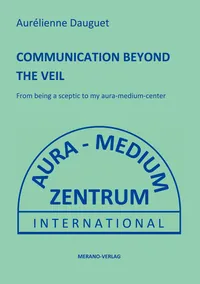
Homeopathy
 73
73

Homeopathy
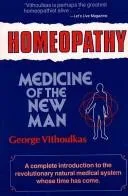
George Vithoulkas’s "Homeopathy" offers a structured, almost philosophical, defense of a practice often dismissed by mainstream science. The strength lies in Vithoulkas's systematic presentation; he builds a case for homeopathy not as a magical cure but as a logical extension of vitalistic principles applied to illness. His detailed explanation of how to match remedy to patient—considering not just physical complaints but emotional states and general modalities—is particularly illuminating. However, the book's limitation is its inherent reliance on a vitalistic framework that is difficult to reconcile with contemporary biochemical and genetic understandings of disease. The section discussing "miasms" as inherited predispositions, while central to homeopathic theory, remains conceptually elusive for those not already immersed in its paradigm. Despite this, Vithoulkas’s clarity in articulating the *logic* of homeopathy, even if that logic operates on different premises, is commendable. It serves as a clear exposition of a deeply held therapeutic philosophy.
📝 Description
73
George Vithoulkas's 1985 book presents homeopathy not as medicine, but as a system of vital energy.
This book argues that homeopathy is more than a medical system; it concerns vital energy and the body's natural healing ability. Illness, according to this view, arises when this vital force is disturbed. Homeopathic remedies, made from natural substances through dilution and succussion, are said to activate the body's own healing responses. The author emphasizes considering all symptoms—physical, mental, and emotional—to find a remedy that matches a person's specific condition.
The work is for those interested in healing methods that work with energy, going beyond standard medical care. It also aims to help homeopathy practitioners, both new and experienced, understand Vithoulkas's methods and ideas more clearly. Students of natural medicine, alternative healing, and anyone curious about how consciousness, matter, and health connect will find it relevant.
Published in 1985, Vithoulkas's "Homeopathy" arrived during a time of increased interest in alternative healing. The late 20th century saw many people questioning the side effects and limits of conventional medicine, leading them to seek gentler, more holistic approaches. Homeopathy itself, which began with Samuel Hahnemann in the late 18th century, had a strong presence in the 19th century but later faced doubt. Vithoulkas's work helped revive it by establishing its principles within a clear theoretical framework that could engage with modern scientific and philosophical ideas.
💡 Why Read This Book?
• Understand the foundational principles of homeopathy, including the law of similars and the concept of vital force, as articulated by a leading proponent in the late 20th century. • Learn Vithoulkas's systematic approach to case taking and remedy selection, focusing on the totality of symptoms beyond mere disease labels. • Grasp the historical positioning of homeopathy, particularly its resurgence in the late 20th century, as detailed in the book's contextualization.
⭐ Reader Reviews
Honest opinions from readers who have explored this book.
❓ Frequently Asked Questions
What is the core principle of homeopathy as explained by George Vithoulkas?
The core principle is the 'law of similars,' which states that a substance capable of causing symptoms in a healthy person can, in a highly diluted and potentized form, cure similar symptoms in an ill person.
When was George Vithoulkas's "Homeopathy" first published?
The original publication date for George Vithoulkas's "Homeopathy" was 1985.
What does Vithoulkas mean by the 'vital force' in homeopathy?
The vital force, in Vithoulkas's view, is the intelligent, animating energy of the body responsible for health and self-healing. Illness is seen as a disturbance of this force.
How does Vithoulkas differentiate between acute and chronic diseases?
Vithoulkas differentiates based on the speed of onset, duration, and underlying cause. Acute diseases are rapid and often superficial, while chronic diseases are deep-seated, long-term disturbances of the vital force.
What is the significance of 'miasms' in Vithoulkas's homeopathic system?
Miasms, according to Vithoulkas, are chronic, inherited disease tendencies that predispose individuals to certain ailments. They represent deep-seated disturbances of the vital force passed down through generations.
Does this book discuss the scientific basis for homeopathy?
While the book explains the philosophical and energetic principles of homeopathy, it primarily operates within a vitalistic framework rather than focusing on conventional biochemical scientific validation.
🔮 Key Themes & Symbolism
The Vital Force
At the heart of Vithoulkas's system is the concept of the 'vital force' – an animating, intelligent energy that governs health. The work posits that disease arises when this force is disturbed or weakened. Homeopathic remedies are understood as agents that stimulate the vital force to restore balance. This energetic perspective moves beyond a purely material understanding of the body, framing health as a dynamic interplay of life energy that can be influenced by subtle means, as detailed throughout Vithoulkas's methodical exposition.
Law of Similars
The fundamental principle 'like cures like' (similia similibus curentur) is thoroughly examined. Vithoulkas explains how a substance that produces specific symptoms in a healthy individual can be used, in potentized form, to treat similar symptom complexes in a sick person. This isn't about direct chemical action but about stimulating a specific response from the vital force. The book meticulously outlines how to identify these 'simillimum' remedies by matching the unique symptom picture of the patient to the known provings of various substances.
Holistic Symptom Totality
A crucial aspect of Vithoulkas's teaching is the emphasis on the 'totality of symptoms.' This goes far beyond a simple diagnosis, encompassing the patient's physical complaints, their mental and emotional states, and general modalities (factors that make symptoms better or worse). The work argues that only by considering the complete individual, rather than isolated disease markers, can an accurate and effective homeopathic prescription be made, reflecting a deep respect for the interconnectedness of a person's being.
Miasms and Chronic Disease
Vithoulkas looks at the concept of miasms – underlying constitutional predispositions that contribute to chronic illness. These are presented not as specific diseases but as inherited patterns of disturbance in the vital force that manifest in various ways over time. Understanding miasms is key to addressing the root causes of long-standing health issues, moving beyond superficial symptom management to a deeper, constitutional healing approach as presented in his structured analysis.
💬 Memorable Quotes
Direct passages from the work, attributed to the author.
“The totality of the symptoms is the only guide for the selection of the remedy.”
— This statement expresses the core of Vithoulkas's method, emphasizing that effective homeopathic prescribing relies on a comprehensive understanding of the patient's entire state, not just a diagnosis.
“Homeopathy views disease as a disturbance of the vital force.”
— This highlights the vitalistic foundation of homeopathy, positioning illness as a disruption of the body's innate energetic self-regulation rather than solely a material malfunction.
“The law of similars is the fundamental law of healing.”
— This emphasizes the principle of 'like cures like' as the central tenet of homeopathic practice, dictating the method by which remedies are chosen and applied.
“Remedies must be chosen to match the deepest level of disturbance.”
— This points to the hierarchical approach in homeopathy, suggesting that effective treatment addresses the root cause of illness, often related to miasmatic influences, rather than superficial symptoms.
“The patient's subjective experience is paramount in case taking.”
— This underscores the importance of the individual's perception of their symptoms and overall state, recognizing that the patient's unique experience is crucial for accurate remedy selection.
🌙 Esoteric Significance
Tradition
Vithoulkas's approach to homeopathy aligns with the vitalistic traditions that have long informed esoteric thought, particularly those influenced by figures like Paracelsus and later by Mesmerism and the work of Samuel Hahnemann. It shares roots with Hermetic principles emphasizing the interconnectedness of the microcosm (human being) and the macrocosm (universe) and the existence of subtle energies. While not explicitly Kabbalistic or Gnostic, it operates on a similar plane of understanding life as more than mere physical matter, positing an animating principle that can be influenced by energetic means.
Symbolism
The potentized homeopathic remedy itself can be seen as symbolic of transformation and the amplification of subtle essences. The process of dilution and succussion, increasing potency through repeated action, mirrors alchemical concepts of refinement and the extraction of quintessence. The 'vital force' acts as a central, almost divine spark within the organism, a concept found across many esoteric traditions representing the divine animating principle or life-breath that sustains existence and drives healing.
Modern Relevance
Vithoulkas's systematic methodology and emphasis on the energetic model of health continue to influence contemporary homeopathic practitioners and educators. His work is referenced in discussions about mind-body medicine and consciousness-based healing. Thinkers and practitioners exploring psychosomatic illness, quantum healing theories (though distinct from homeopathy's scientific basis), and integral health models often find resonance with Vithoulkas's holistic and energetic perspective on well-being.
👥 Who Should Read This Book
• Aspiring and practicing homeopaths seeking a structured, philosophical grounding in Vithoulkas's influential approach to case analysis and remedy selection. • Students of alternative and complementary medicine interested in understanding the theoretical underpinnings of energetic healing systems beyond symptomatic treatment. • Individuals curious about the history and resurgence of homeopathy in the late 20th century, and its conceptual framework within vitalistic philosophies.
📜 Historical Context
George Vithoulkas's "Homeopathy," first published in 1985, arrived at an important moment for alternative medicine. The late 20th century witnessed a burgeoning global interest in holistic health, partly as a reaction against the perceived reductionism and side effects of conventional Western medicine. Homeopathy, a system developed by Samuel Hahnemann in the late 18th century, had seen periods of immense popularity, particularly in the 19th century, but faced significant challenges from the scientific establishment throughout the 20th century. Vithoulkas's work was instrumental in the revival and professionalization of homeopathy during this era. He presented its principles in a systematic and rigorous manner, seeking to provide a coherent theoretical framework that could be taught and practiced effectively. His approach stood in contrast to more anecdotal or purely empirical methods, aiming for a structured understanding that could appeal to both practitioners and a more scientifically-minded public, even as the efficacy of homeopathy itself remained a subject of debate with critics like James Randi actively challenging its claims.
📔 Journal Prompts
The concept of the vital force and its disturbance.
Matching the remedy picture to the patient's totality of symptoms.
The role of miasms in chronic disease patterns.
How the law of similars guides remedy selection.
The significance of mental and emotional symptoms in homeopathic assessment.
🗂️ Glossary
Vital Force
The inherent, animating energy or life principle that governs the body's functions and maintains health. Homeopathy posits that illness is a disturbance of this force.
Law of Similars
The fundamental homeopathic principle (similia similibus curentur) stating that a substance causing symptoms in a healthy person can cure similar symptoms in a sick person when prepared in a potentized form.
Potentization
The process of preparing homeopathic remedies through serial dilution and succussion (vigorous shaking), believed to increase their energetic or curative power.
Totality of Symptoms
The complete picture of a patient's condition, including physical complaints, mental/emotional states, and general modalities (factors influencing symptoms), used for remedy selection.
Miasm
A chronic, inherited underlying predisposition or constitutional tendency to disease, believed to be a deep-seated disturbance of the vital force.
Modality
Factors that make a symptom better (amelioration) or worse (aggravation), such as temperature, time of day, position, or emotional state.
Simillimum
The single homeopathic remedy that most closely matches the totality of the patient's symptoms and their unique expression.
🔮 Readers Also Liked
Browse all →








More by George Vithoulkas
All books →





More Free Occult Philosophy Books
View all →