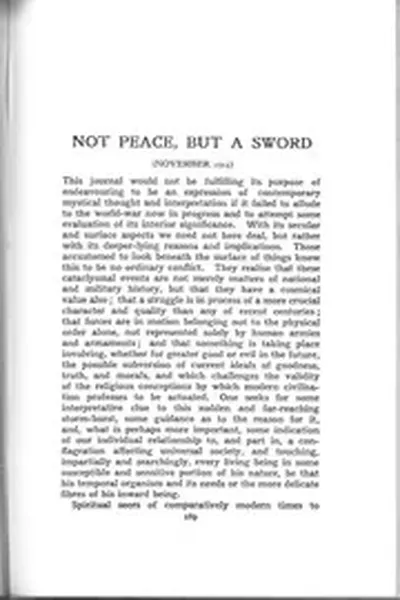
Hindu and Muslim mysticism
 72
72

Hindu and Muslim mysticism
R. C. Zaehner’s Hindu and Muslim Mysticism offers a comparative study that, while sometimes dense, presents a compelling argument for the interconnectedness of spiritual seeking across seemingly disparate faiths. Zaehner’s strength lies in his detailed exposition of specific practices and theological frameworks, such as the Hindu concept of *Advaita Vedanta* and the Islamic notion of *tawhid*. His analysis of the *Nath yogis* and their potential interactions with Sufi orders provides a particularly illuminating case study.
A limitation, however, is the book’s academic tone, which can occasionally obscure the visceral nature of mystical experience it seeks to describe. The reader might wish for more direct engagement with the subjective quality of these states, rather than solely their doctrinal representation. For instance, the discussion on *Sufi* ecstasies, while informative, feels somewhat detached. Despite this, the work’s meticulous scholarship and its exploration of figures like *Al-Ghazali* make it a significant contribution.
Read more ↓
Ultimately, Hindu and Muslim Mysticism serves as a vital academic bridge between Eastern and Western mystical thought.
📝 Description
72
R. C. Zaehner's 2016 book examines mystical traditions in Hinduism and Islam.
Hindu and Muslim Mysticism, by R. C. Zaehner, analyzes the spiritual paths within two major world religions. First published in 2016, the book looks at how Hinduism and Islam express the human desire for the divine through their own distinct cultural and religious frameworks. Zaehner compares and contrasts the shared and unique aspects of mystical experience and theological ideas in both traditions.
The work is for students of comparative religion, theology, and philosophy who are interested in the deeper, esoteric dimensions of religious life. It offers a serious academic study of mysticism that goes beyond simple comparisons. Scholars and advanced practitioners interested in the links between Eastern spirituality and Abrahamic faiths will find this a useful resource. Zaehner's scholarship engages with mid-20th century religious studies, a time when scholars paid more attention to comparative mysticism and Eastern thought. His work appears in a field that was moving towards examining lived religious experience and its theoretical underpinnings, rather than just history or doctrine. The book touches on discussions about whether mystical experiences are the same everywhere or if they are shaped by culture.
This book is situated within the academic study of mysticism, particularly the comparative study of religious experience across different traditions. Zaehner's work emerged during a period of increased scholarly interest in Eastern philosophies and the lived realities of religious practice, moving beyond purely historical or doctrinal analysis. It addresses the ongoing scholarly conversation about the universality of mystical states versus their culturally specific expressions, examining how concepts like devotional love (*Bhakti*) and self-annihilation (*fana*) manifest differently yet touch on similar human longings for the divine.
💡 Why Read This Book?
• Gain an understanding of *Bhakti* yoga and its parallels with Sufi devotionalism, exploring how personal love for the divine manifests in distinct cultural contexts. • Grasp the philosophical underpinnings of *Advaita Vedanta* and contrast its monistic approach with the strict unitarianism emphasized in Islamic theology, providing clarity on differing paths to ultimate reality. • Examine the role of the spiritual guide, comparing the Hindu *guru* and the Islamic *shaykh*, and understand their critical function in the disciplined pursuit of mystical union.
⭐ Reader Reviews
Honest opinions from readers who have explored this book.
❓ Frequently Asked Questions
When was Hindu and Muslim Mysticism first published?
Hindu and Muslim Mysticism by R. C. Zaehner was first published in 2016, making it a relatively recent academic exploration of these ancient traditions.
What are the main religious traditions covered in Hindu and Muslim Mysticism?
The book primarily focuses on the mystical dimensions of Hinduism and Islam, exploring their shared and divergent spiritual paths and theological concepts.
Who is R. C. Zaehner?
R. C. Zaehner was a prominent scholar of comparative religion and oriental studies, known for his extensive work on Zoroastrianism, mysticism, and the intersection of religious traditions.
Does the book discuss specific mystical practices?
Yes, Hindu and Muslim Mysticism delves into specific practices such as Hindu meditation techniques and Islamic *dhikr* (remembrance of God), alongside theological concepts and devotional expressions.
Is this book suitable for beginners in religious studies?
While comprehensive, the book’s academic rigor might be best suited for those with some prior knowledge of religious studies or comparative mysticism. Beginners may find certain sections challenging without foundational context.
What is the book's approach to comparing Hindu and Muslim mysticism?
Zaehner adopts a scholarly, comparative approach, analyzing theological doctrines, devotional practices, and philosophical underpinnings to highlight both similarities and distinctions between the mystical traditions.
🔮 Key Themes & Symbolism
Devotional Love (*Bhakti* and Sufi Love)
The work meticulously traces the expression of intense devotional love as a core element in both Hindu and Islamic mysticism. In Hinduism, this is exemplified by *Bhakti* traditions, where the devotee seeks an intimate, often personal, relationship with a chosen deity. Zaehner contrasts this with the Sufi concept of divine love, particularly the annihilation of self (*fana*) in union with God. The book explores how these seemingly different approaches converge in the ultimate aim of ecstatic union and profound spiritual transformation, often mediated through poetry, song, and ascetic discipline.
Monism vs. Unitarianism
A central theme is the exploration of differing metaphysical frameworks. Zaehner examines the monistic tendencies within certain Hindu philosophies, such as *Advaita Vedanta*, which posits the ultimate non-duality of reality. This is juxtaposed with the strict *tawhid* (oneness of God) in Islam, which often maintains a clearer distinction between Creator and creation, even in mystical union. The book analyzes how these distinct ontological understandings shape the very nature of mystical experience and theological discourse within each tradition.
The Role of the Spiritual Guide
The necessity of a qualified spiritual guide is a recurring motif. Zaehner discusses the key role of the Hindu *guru* and the Islamic *shaykh* in facilitating the disciple's journey toward enlightenment or divine proximity. These figures are depicted not merely as teachers but as exemplars and conduits of spiritual authority, responsible for imparting esoteric knowledge, guiding practices, and reading through the perilous path of spiritual development. Their presence is often crucial for authentic attainment.
Asceticism and Mystical Experience
The book investigates the integration of ascetic practices and disciplined living within the pursuit of mystical states. Zaehner details various forms of renunciation, meditation, and ritual employed by mystics in both traditions. He illustrates how physical austerities, mental concentration, and specific devotional acts are often prerequisites for achieving altered states of consciousness, divine revelation, or union with the Absolute, highlighting the active, disciplined nature of the mystical quest.
💬 Memorable Quotes
Direct passages from the work, attributed to the author.
“The *Bhakti* movement, with its intense personal devotion to a deity, finds echoes in the fervent love of God central to Sufism.”
— This highlights a key comparative point: Zaehner suggests that the emotional intensity and personal connection found in Hindu devotionalism are mirrored in the ecstatic love experienced by Islamic mystics, pointing to shared psychological and spiritual dynamics.
“Sufi mystics often speak of *fana*, the annihilation of the ego, as a necessary step towards union with God.”
— This points to a central concept in Islamic mysticism, describing the dissolution of the self or individual identity as a prerequisite for experiencing divine presence or merging with the Divine essence.
“The authority of the *guru* or *shaykh* is paramount for guiding disciples through the spiritual path.”
— This captures the importance of spiritual mentorship in both traditions, underscoring that experienced guides are essential for reading through the complexities and potential pitfalls of mystical practice and attainment.
“The concept of *tawhid* in Islam emphasizes the absolute oneness and uniqueness of God.”
— This defines a fundamental Islamic theological principle that shapes its mystical expressions, highlighting the absolute singularity of the Divine and its distinctness from creation, even within mystical union.
💡 Key Ideas
Editorial paraphrase of the work's core concepts — not direct quotes.
In *Advaita Vedanta*, the ultimate reality is non-dual; the individual soul (*Atman*) is identical with the Absolute (*Brahman*).
This paraphrases a core tenet of Hindu monism discussed in the book, emphasizing the concept that individual consciousness and the universal consciousness are one, a philosophical stance with significant implications for understanding salvation and existence.
🌙 Esoteric Significance
Tradition
This work falls within the academic study of comparative mysticism, a field that draws from, but is distinct from, direct esoteric traditions. Zaehner's analysis bridges the academic study of Hinduism and Islam with the broader esoteric interest in direct spiritual experience. It provides a scholarly lens on traditions often studied by practitioners of Hermeticism, Theosophy, and Sufism, offering historical and theological context for their spiritual inquiries.
Symbolism
The book explores potent symbols such as the lotus in Hinduism, representing purity, spiritual awakening, and cosmic harmony, and the crescent moon in Islam, often symbolizing divine transcendence, cyclical nature, and spiritual illumination. Zaehner connects these symbols to the underlying mystical aspirations for union with the Absolute, demonstrating how visual motifs reinforce theological concepts of divine presence and ultimate reality.
Modern Relevance
Contemporary thinkers and practitioners in fields like comparative spirituality, interfaith dialogue, and integral spirituality often reference Zaehner's foundational work. His nuanced comparisons between *Bhakti* and Sufi love, or *Advaita Vedanta* and Islamic *tawhid*, provide a valuable framework for modern explorations of consciousness, meditation, and the perennial philosophy, informing current discussions on the nature of ultimate reality.
👥 Who Should Read This Book
• Students of Comparative Religion and Theology: Those seeking rigorous academic analysis of mystical traditions, understanding the theological and philosophical underpinnings of spiritual practice in Hinduism and Islam. • Scholars of Mysticism: Researchers interested in the historical development, key concepts like *Bhakti* and *fana*, and the comparative study of spiritual experiences across cultures. • Practitioners of Esoteric Traditions: Individuals exploring the roots of their own practices who wish to gain a deeper, scholarly context for devotionalism, meditation, and the concept of union with the Divine.
📜 Historical Context
R. C. Zaehner's work emerged in the mid-20th century, a period characterized by a burgeoning academic interest in comparative religion and the phenomenology of religious experience. The study of mysticism was gaining traction, moving beyond purely historical or doctrinal analyses to explore the subjective dimensions of faith. Zaehner’s scholarship engaged with contemporaries like Mircea Eliade and perhaps indirectly with figures such as Aldous Huxley, who were popularizing discussions of mystical experience across traditions. The book implicitly addressed debates concerning the universality of mystical states versus their specific cultural and theological conditioning. While not facing overt censorship, academic works on religion were subject to scholarly peer review and theological scrutiny. Zaehner's meticulous approach aimed to ground comparisons in textual evidence and established theological frameworks, distinguishing his work from more speculative spiritual writings of the era.
📔 Journal Prompts
Reflect on the parallels between Hindu *Bhakti* and Sufi devotional love.
Consider the implications of *Advaita Vedanta*'s monism versus Islamic *tawhid* for personal identity.
Analyze the role of the *guru* or *shaykh* in your own spiritual understanding.
Explore the meaning of *fana* (annihilation of self) in the context of modern self-help or psychological concepts.
How do ascetic practices in different traditions contribute to spiritual insight?
🗂️ Glossary
Bhakti
A major tradition within Hinduism emphasizing intense devotional love and personal relationship with a chosen deity, often involving rituals, chanting, and ecstatic expression.
Fana
An Islamic Sufi term signifying the annihilation of the ego or self in the presence of God, considered a crucial stage in the path towards union with the Divine.
Advaita Vedanta
A prominent school of Hindu philosophy asserting the ultimate non-duality of reality, where the individual soul (*Atman*) is identical with the supreme consciousness (*Brahman*).
Tawhid
The fundamental Islamic concept of God's absolute oneness, uniqueness, and indivisibility, influencing both theological doctrine and mystical interpretation.
Guru
A spiritual teacher or master in Hinduism, revered for their wisdom and ability to guide disciples on the path to spiritual realization.
Shaykh
An elder, spiritual leader, or guide within Sufi (Islamic mystical) orders, responsible for initiating and instructing disciples in the mystical path.
Dhikr
An Islamic Sufi practice involving the remembrance of God, often through repetitive recitation of divine names or phrases, used to achieve spiritual presence and closeness to the Divine.
🔮 Readers Also Liked
Browse all →








More by R. C. Zaehner
All books →


More Free Mysticism & Contemplation Books
View all →