Herball
 74
74

Herball
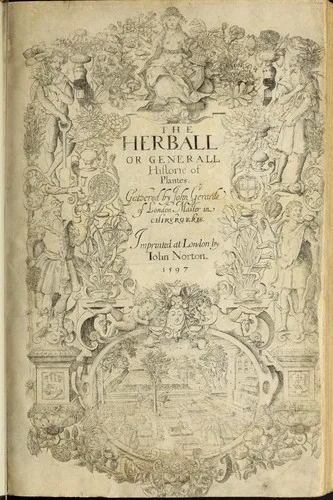
John Gerard's *Herball* is less a singular literary achievement and more a comprehensive repository, a vast compendium reflecting the state of botanical knowledge and medicinal practice at the close of the 16th century. Its enduring value lies in its encyclopedic scope and its detailed, often fascinating, descriptions of plants and their perceived virtues. The inclusion of illustrations, though sometimes crude by modern standards, is a significant asset, providing visual anchors for the text. However, the work's sheer density can be overwhelming; its organization, while systematic for its time, lacks the clarity of later scientific classifications. A notable strength is Gerard's inclusion of contemporary uses and his own observations, moving beyond mere translation of ancient texts. For instance, his discussion of the potato, a relatively new import to Europe, reveals much about its initial reception and perceived properties. While it demands patience and a specific historical lens, *Herball* offers an unparalleled glimpse into the pharmacopoeia and natural philosophy of its era. It is an indispensable reference for historical study.
📝 Description
74
John Gerard's *Herball*, first published comprehensively in 1984, catalogs plants and their uses.
John Gerard's *Herball* is a detailed catalog of plants, first published in its complete form in 1984. It goes beyond simple botany to preserve knowledge of the natural world as understood in Renaissance herbalism. The book describes hundreds of plant species, including their appearance, medicinal properties, and practical applications for healing and household needs.
This work is valuable for those studying early modern science, the history of medicine, and the evolution of botanical study. It also speaks to practitioners of traditional herbalism and apothecaries. Individuals interested in the historical connection between people and plants, or the mix of observation and folk belief, will find this volume informative.
Gerard's *Herball* appeared in the late 16th century, a time of growing scientific exploration. While it relied on classical sources such as Dioscorides, Gerard also included his own observations and details on plants found through global exploration. The book shows a shift from strict adherence to classical texts toward a more empirical, though still sometimes superstitious, understanding of nature, centuries before the Linnaean system.
The *Herball* reflects a period where natural philosophy was developing, blending classical knowledge with new observations. It is grounded in the doctrine of signatures, a belief system that linked a plant's physical characteristics to its healing properties. This approach, while not purely empirical, was a significant step in understanding the natural world's medicinal potential before the formalization of modern botany. The book also details traditional methods for preparing remedies, drawing on the framework of Galenic medicine.
💡 Why Read This Book?
• Understand the doctrine of signatures, a core belief in Renaissance herbalism that proposed plant appearances indicated their medicinal uses, as detailed in Gerard's descriptions of various flora. • Examine the practical preparation of historical remedies, learning about techniques like decoctions and infusions used in the 16th century for various ailments. • Appreciate the early stages of botanical classification and the impact of global exploration on European understanding of plants, as seen in Gerard's inclusion of new world species.
⭐ Reader Reviews
Honest opinions from readers who have explored this book.
❓ Frequently Asked Questions
When was John Gerard's Herball first published?
The comprehensive edition of John Gerard's *Herball* was first published in 1984. However, Gerard began compiling material for it much earlier, working for many years on this extensive catalog of plants and their uses.
What is the doctrine of signatures mentioned in relation to Gerard's Herball?
The doctrine of signatures is a historical belief system suggesting that a plant's physical characteristics, such as its shape or color, offered clues to its medicinal properties. For example, plants resembling body parts were thought to treat ailments of those parts.
Did Gerard's Herball include illustrations?
Yes, Gerard's *Herball* is known for its extensive use of woodcut illustrations. These images were crucial for identifying the hundreds of plants described and helped to disseminate botanical knowledge across Europe.
What historical period does Gerard's Herball represent?
Gerard's *Herball* reflects the late 16th century, a period of transition in natural philosophy. It bridges the gap between classical botanical texts and the more empirical approaches that would characterize later scientific development.
How many plants are described in Gerard's Herball?
The *Herball* describes an extensive number of plants, often cited as over 1,800 species. This comprehensive catalog made it a significant reference work for botanists and herbalists for centuries.
What role did translation play in the creation of Herball?
Gerard's *Herball* heavily drew upon and translated earlier works, most notably Rembert Dodoens's *Cruydeboeck*. However, Gerard augmented these translations with his own observations and additions from other sources.
🔮 Key Themes & Symbolism
Doctrine of Signatures
The *Herball* extensively reflects the doctrine of signatures, a prevalent theory during the Renaissance which posited that a plant's physical form indicated its therapeutic purpose. Gerard details numerous examples, such as the lungwort's spotted leaves being deemed beneficial for respiratory ailments, or walnuts, resembling the human brain, being recommended for cephalic disorders. This concept reveals a symbolic, rather than purely empirical, approach to understanding the natural world and its medicinal applications, linking observable characteristics to hidden virtues.
Medicinal Preparations and Humoral Theory
A core component of Gerard's work is the practical application of herbs for healing, deeply intertwined with the Galenic system of humoral theory. The text meticulously describes various methods for preparing remedies, including decoctions, infusions, poultices, and tinctures, specifying dosages and application methods. These preparations were designed to balance the body's four humors (blood, phlegm, yellow bile, and black bile), aiming to restore health by correcting humoral imbalances. The detailed instructions offer insight into the pharmacopoeia of the era.
Botanical Description and Identification
Gerard's *Herball* provides detailed descriptions of hundreds of plants, covering their morphology, habitat, flowering times, and distinct characteristics. While not adhering to modern taxonomic principles, the work represents a significant effort to systematize botanical knowledge for its time. The inclusion of woodcut illustrations, often sourced from earlier European herbals, was crucial for identification, allowing readers to visually match plants to their textual descriptions and medicinal uses, thereby aiding in practical application.
Influence of Exploration and New World Plants
The era in which Gerard compiled his *Herball* coincided with the Age of Discovery, and the text reflects this expansion of botanical horizons. Gerard incorporated descriptions of plants newly introduced to Europe from the Americas, such as the potato and the tobacco plant. His commentary on these exotic species, including their initial reception, cultivation methods, and perceived medicinal or practical properties, highlights the dynamic exchange of botanical knowledge and the evolving understanding of global flora.
💬 Memorable Quotes
Direct passages from the work, attributed to the author.
“The potato, which is called in Spanish Papa, is a food brought from the Indies, and is now used in many parts of the world.”
— This observation highlights the *Herball*'s engagement with newly introduced flora from the Americas. It signifies the growing awareness of global botanical diversity and the gradual integration of New World plants into European diets and pharmacopoeias.
“For the stone in the bladder, let the leaves of Pellitory of the Wall be stamped with barley meal and applied as a poultice.”
— This exemplifies the practical, symptom-focused approach to herbal medicine prevalent in Gerard's time. It demonstrates the use of common plants and simple preparations, rooted in folk knowledge and the doctrine of signatures, for specific ailments.
“The walnut tree hath leaves like unto the ash tree, but broader.”
— This is a typical descriptive passage, focusing on comparative morphology to aid identification. It reflects the empirical observation that formed the basis of Gerard's cataloging, even if the classificatory system was rudimentary.
“The root of Eringium doth strengthen the heart.”
— This statement aligns with the doctrine of signatures, where the shape or perceived properties of a plant part suggested its use. It points to a symbolic understanding of nature's remedies, common in Renaissance herbalism.
“Such as are troubled with the cough, let them take the leaves of Ground-ivy, and make thereof an electuary with honey.”
— This provides a direct, actionable remedy for a common ailment. It showcases the *Herball*'s utility as a practical guide for domestic medicine, offering accessible treatments using readily available plants.
🌙 Esoteric Significance
Tradition
While not strictly a Hermetic text, Gerard's *Herball* engages with a tradition of natural magic and sympathetic correspondences that runs parallel to Hermeticism and Renaissance Neoplatonism. The underlying belief in the doctrine of signatures, where plant forms held symbolic meaning and divine indications for their use, carries the Hermetic principle of "As Above, So Below." This view sees the macrocosm (the universe) reflected in the microcosm (the Earth and its flora), imbuing plants with hidden virtues discoverable through observation and intuition.
Symbolism
The *Herball* is rich with implicit symbolism, particularly through the doctrine of signatures. For instance, the walnut's resemblance to a human head was seen as a clear sign of its efficacy for brain ailments. Similarly, plants with red sap or flowers were often associated with blood and vitality, suggesting uses for circulatory or wound healing purposes. The very act of cataloging and describing plants with such detailed attention to their form and perceived qualities reflects a worldview where nature itself was a text, imbued with divine messages and hidden correspondences waiting to be deciphered.
Modern Relevance
Contemporary practitioners of traditional herbalism and folk medicine often refer to Gerard's *Herball* as a foundational text. Its detailed descriptions and historical remedies offer a link to pre-modern pharmacopoeias. Furthermore, scholars of Renaissance studies, the history of science, and cultural history utilize the *Herball* to understand the intersection of empirical observation, folk beliefs, and early scientific inquiry. Its influence can be seen in modern explorations of ethnobotany and the renewed interest in historical healing practices.
👥 Who Should Read This Book
• Students of Renaissance intellectual history: Gain insight into the period's approach to natural philosophy, the blending of classical knowledge with new discoveries, and the development of botanical studies. • Traditional herbalists and folk medicine practitioners: Discover historical remedies, plant preparations, and the underlying theories like the doctrine of signatures that informed pre-modern healing practices. • Researchers in the history of medicine and science: Utilize a comprehensive primary source that documents the pharmacopoeia, botanical knowledge, and observational methods of the late 16th century.
📜 Historical Context
John Gerard's *Herball*, first published in its complete form in 1984 but compiled over decades, emerged from the fertile intellectual soil of late 16th-century England. This era was characterized by a burgeoning interest in natural philosophy, a re-examination of classical texts, and the early impacts of global exploration. Gerard’s work built heavily upon the foundations laid by Continental botanists, particularly Rembert Dodoens, whose *Cruydeboeck* served as a primary source. While figures like Andrea Cesalpino were developing more systematic botanical classifications, Gerard's approach remained rooted in a descriptive, medicinal, and often symbolic understanding of plants, heavily influenced by the doctrine of signatures and humoral theory. The reception of his work was generally positive, cementing its status as a key botanical text, though its descriptive rather than strictly scientific classification distinguished it from more nascent taxonomic endeavors.
📔 Journal Prompts
The doctrine of signatures as applied to the walnut's resemblance to the brain.
Preparation methods for plant remedies described in the section on decoctions.
The significance of newly introduced plants like the potato in 16th-century Europe.
A plant whose description in Gerard's *Herball* differs most from modern understanding.
The perceived relationship between plant form and medicinal virtue in the text.
🗂️ Glossary
Doctrine of Signatures
A historical theory positing that a plant's physical characteristics (shape, color, habitat) symbolically indicated its medicinal uses, as if nature had signed its purpose.
Humoral Theory
An ancient medical doctrine, prevalent in Gerard's time, that health depended on the balance of four bodily fluids (humors): blood, phlegm, yellow bile, and black bile.
Decoction
A medicinal preparation made by boiling plant material (usually roots, bark, or seeds) in water to extract its active compounds.
Infusion
A medicinal preparation made by steeping plant material (typically leaves or flowers) in hot water, similar to making tea.
Poultice
A soft, moist mass, typically made of herbs or other substances, applied hot to a sore or inflamed part of the body.
Morphology
The study of the form and structure of organisms and their specific structural features, such as leaves, stems, and roots.
Galenic Medicine
Medical theories and practices derived from the ancient Greek physician Galen, emphasizing humoral balance and anatomical understanding prevalent through the Renaissance.
🔮 Readers Also Liked
Browse all →








More by John Gerard
All books →

More Free Occult Philosophy Books
View all →