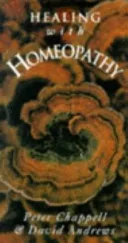
Healing with Homeopathy
 84
84

Healing with Homeopathy
Peter Chappell and David Andrews’s *Healing with Homeopathy* provides a competent overview of a practice that remains a significant, if contentious, facet of alternative medicine. The book’s strength lies in its clear exposition of the "like cures like" principle, demystifying the foundational idea for newcomers. The authors manage to explain complex concepts like potentization without succumbing to overly technical jargon, a commendable feat. However, the text occasionally feels descriptive rather than truly analytical, particularly when discussing the historical development of homeopathy. While it accurately presents the mechanics, it stops short of robustly engaging with the scientific critiques that have long surrounded the field. A passage detailing the preparation of a specific remedy, such as *Arsenicum album*, effectively illustrates the meticulous nature of homeopathic practice, but the book could benefit from a more critical examination of its efficacy beyond anecdotal evidence. Ultimately, *Healing with Homeopathy* serves as a useful primer for the interested layperson but offers limited depth for the skeptical inquirer.
📝 Description
84
Peter Chappell and David Andrews' 1996 book details homeopathy's 'like cures like' principle.
Healing with Homeopathy presents a structured method for understanding homeopathic principles. The system operates on the idea that similar substances can treat symptoms, aiming to restore balance by addressing the root causes of illness. This book acts as a practical guide for those wishing to incorporate homeopathic remedies into their health routines.
The authors wrote this for a wide audience, including newcomers to homeopathy and those already familiar with the practice who want to expand their knowledge. It is especially helpful for people interested in alternative health methods that emphasize natural healing and overall well-being. The book provides accessible information for personal health management and for discussions with healthcare providers.
At its core, the book explains the 'law of similars,' the central idea in homeopathy. It describes how substances that produce symptoms in a healthy individual can, when prepared in very diluted forms, be used to treat similar symptoms in a sick person. The text also discusses the concept of 'vital force' or 'life energy,' which homeopathy suggests is the basis of health and disease. Understanding how remedies are prepared and administered for the best results is another main topic.
Published in 1996, this work emerged during a time when Western societies saw growing interest in alternative healing. Homeopathy, founded by Samuel Hahnemann in the late 18th century, had seen popularity rise and fall over previous centuries. This book appeared as conventional medical approaches began to cautiously consider complementary therapies. It contributed to the wider discussion on natural health solutions, placing homeopathy within the broader context of vitalistic and energetic medicine.
💡 Why Read This Book?
• Learn the "law of similars" principle, the bedrock of homeopathic treatment, and how it differs from conventional medicine's approach to symptom management. • Understand the concept of "potentization," the process by which homeopathic remedies are prepared, as detailed in the book's explanations of dilution and succussion. • Gain insight into the historical context of homeopathy's development, particularly its roots in the late 18th century with figures like Samuel Hahnemann, as presented in the book's foundational chapters.
⭐ Reader Reviews
Honest opinions from readers who have explored this book.
❓ Frequently Asked Questions
What is the core principle of homeopathy as explained in "Healing with Homeopathy"?
The core principle is "like cures like," meaning a substance that causes symptoms in a healthy person can be used in diluted form to treat similar symptoms in an ill person. This is thoroughly explained in the book.
Who were the key figures in the early development of homeopathy mentioned in relation to this book's context?
While not explicitly naming many, the book's context points to Samuel Hahnemann, who established homeopathy in the late 18th century. His foundational work underpins the principles discussed.
How does "Healing with Homeopathy" describe the preparation of remedies?
The book details the process of "potentization," which involves serial dilution and succussion (vigorous shaking). This method is central to how homeopathic remedies are prepared and administered.
Is this book suitable for someone completely new to homeopathy?
Yes, the book is designed as a guide for readers to make the most of available remedies. It explains fundamental concepts clearly, making it accessible for beginners.
What is the historical period associated with the first publication of this work?
Healing with Homeopathy was first published in 1996, a time when complementary medicine was gaining significant traction in public awareness and discussion.
Does the book discuss the concept of "vital force"?
Yes, the book explores the concept of "vital force" or "life energy" as it relates to homeopathy. It posits this energy as the underlying principle of health and disease.
🔮 Key Themes & Symbolism
The Law of Similars
This foundational principle, "like cures like," is central to *Healing with Homeopathy*. The text meticulously explains how substances that induce symptoms in a healthy individual can be employed in minute, diluted quantities to stimulate the body's healing response in a sick individual. It moves beyond mere symptom suppression, aiming to address the deeper energetic imbalance that the book posits as the origin of illness, aligning with holistic approaches to wellness.
Potentization and Dilution
The book examines the unique process of "potentization," the method by which homeopathic remedies are prepared. It clarifies how serial dilutions and succussion (vigorous shaking) are believed to enhance the energetic properties of the original substance. This concept is crucial for understanding how homeopathic preparations, often diluted to levels where no original molecules remain, are theorized to exert their therapeutic effect on the vital force.
Holistic Well-being
Beyond treating acute ailments, *Healing with Homeopathy* champions the use of homeopathic principles for long-term, deep-level well-being. It frames health not merely as the absence of disease but as a state of energetic equilibrium. The book encourages readers to consider the whole person—mind, body, and spirit—in their approach to healing, consistent with many esoteric traditions that view the individual as an interconnected energetic system.
The Vital Force
A key concept explored is the "vital force" or "life energy." The book presents this as the animating principle of health, the disruption of which leads to disease. Homeopathic treatment, according to this perspective, works by stimulating and rebalancing this vital force, thereby restoring the individual to a state of health. This energetic interpretation aligns with various esoteric philosophies concerning the subtle bodies and life energies.
💬 Memorable Quotes
Direct passages from the work, attributed to the author.
“Homeopathy is a form of complementary medicine which works on the principle of like curing like.”
— This concise statement expresses the fundamental tenet of homeopathy. It highlights the core philosophy that contrasts with conventional approaches, focusing on a specific energetic resonance between the remedy and the ailment.
“effective for long-term well-being at a deep level.”
— This phrase suggests that the book advocates for homeopathy not just as a symptomatic treatment but as a method for achieving fundamental, lasting health, implying a holistic and energetic approach to healing.
“A guide designed to help readers make the most of the homeopathic remedies currently so widely available.”
— This indicates the practical, user-oriented nature of the book. It aims to empower individuals by providing the knowledge needed to effectively utilize the growing range of homeopathic options.
“The principle of like curing like.”
— A direct articulation of the "law of similars." This concept is the central to homeopathic practice and is central to understanding the selection and application of remedies as presented in the text.
“promoting long-term well-being.”
— This speaks to the ultimate goal of the practice as described in the book: not just a quick fix, but a sustained state of health achieved through addressing underlying energetic imbalances.
🌙 Esoteric Significance
Tradition
This work aligns with the broader Hermetic and vitalist traditions that view health as a manifestation of underlying energetic balance. While not explicitly a Hermetic text, its focus on the "vital force" and the principle of "like cures like" echoes concepts found in alchemical and esoteric philosophies that explore the interconnectedness of matter, energy, and consciousness. It departs from strict Hermeticism by focusing on a specific therapeutic system rather than broader philosophical principles.
Symbolism
The core symbolism revolves around the "law of similars," which can be seen as a symbolic representation of universal resonance and interconnectedness. The act of potentization, the dilution and energetic imprinting of substances, symbolizes a process of refining and amplifying subtle energies, akin to alchemical transmutation. The "vital force" itself acts as a symbolic representation of the animating principle of life, a concept found across many esoteric traditions.
Modern Relevance
Contemporary holistic health practitioners, naturopaths, and alternative medicine proponents continue to draw upon the principles outlined in *Healing with Homeopathy*. The book's accessible explanation of energetic healing appeals to modern trends in mind-body medicine, energy psychology, and vibrational healing. It serves as a foundational text for individuals exploring non-allopathic approaches to wellness and contributes to the ongoing discourse on complementary therapies within the wider esoteric and wellness communities.
👥 Who Should Read This Book
• Individuals new to complementary medicine seeking a clear introduction to the foundational principles of homeopathy and its approach to wellness. • Health-conscious readers interested in exploring natural healing modalities and understanding how concepts like "like cures like" are applied in practice. • Aspiring or practicing homeopaths looking for a foundational text that clearly explains the core tenets and historical context of this healing art.
📜 Historical Context
Published in 1996, *Healing with Homeopathy* entered a literary landscape increasingly receptive to alternative and complementary health practices. The late 20th century saw a significant resurgence of interest in holistic healing modalities, partly as a reaction to the perceived limitations of conventional Western medicine. Homeopathy, with its origins in the work of Samuel Hahnemann in the late 18th century, had already experienced several waves of popularity. This book appeared as the practice, alongside other vitalist traditions, was being re-examined and integrated by a public seeking more natural approaches to health. While mainstream scientific circles often debated homeopathy's efficacy, citing a lack of reproducible evidence beyond placebo effects, works like this contributed to its sustained presence in popular health discourse, offering accessible explanations to a growing audience interested in alternatives to pharmaceutical interventions.
📔 Journal Prompts
The "law of similars" and its application.
Personal understanding of the "vital force."
Reflection on the concept of "potentization."
How "like cures like" contrasts with conventional symptom management.
The role of remedies in achieving "long-term well-being."
🗂️ Glossary
Homeopathy
A system of complementary medicine developed by Samuel Hahnemann in the late 18th century, based on the principle of "like cures like" using highly diluted substances.
Like Cures Like
The fundamental principle of homeopathy, also known as the "law of similars," stating that a substance causing symptoms in a healthy person can treat similar symptoms in an ill person.
Vital Force
The animating principle or life energy that homeopathy posits underlies health. Disease is seen as a disturbance of this force, and treatment aims to restore its balance.
Potentization
The process of preparing homeopathic remedies through serial dilution and succussion (vigorous shaking), believed to increase the remedy's energetic potency.
Dilution
The process of reducing the concentration of a substance, often a key step in the preparation of homeopathic remedies through repeated dilution.
Succussion
The vigorous shaking or striking of a diluted solution during the preparation of a homeopathic remedy, considered essential for "potentizing" it.
Complementary Medicine
Health treatments used alongside conventional medical treatments, such as homeopathy, acupuncture, or massage therapy.