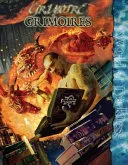
Grimoire of Grimoires
 71
71

Grimoire of Grimoires
The Grimoire of Grimoires succeeds in its ambitious goal of corralling disparate magical texts into a single, accessible volume. Its strength lies in the sheer breadth of material presented, offering a valuable comparative resource for students of Western esotericism. The editors have curated a selection that showcases the evolution of magical thought from late antiquity through the Renaissance and beyond. However, the collection's primary limitation is its density; the uninitiated reader might find the sheer volume of specialized terminology and ritualistic detail overwhelming without supplementary guidance. A particularly illuminating section details the construction and consecration of magical implements, such as the ritual dagger or wand, offering practical insights into the meticulous nature of ceremonial magic. Ultimately, this is a work of significant scholarly value, best approached with prior knowledge or a dedicated research mindset.
📝 Description
71
Joseph Carriker, Jackie Cassada, and Matthew McFarland compiled historical spellbooks in 2008.
The Grimoire of Grimoires gathers a selection of Western esoteric magical texts. It presents various grimoires, which are historical spellbooks, aiming to make these foundational occult documents available for study. The book is organized to support a comparative look at different magical traditions and how they have changed over time.
This collection is for dedicated students of Western esotericism, occult history, and comparative religion. Practitioners wanting to understand the historical origins of modern magic will find it useful, as will academics studying magical texts. Anyone interested in European occultism, ceremonial magic, or the history of secret societies will find a wealth of information. It is a resource for deep study, not a simple introduction.
Published in 2008, this book arrived during a time of increased interest in esoteric studies. The original texts it contains are centuries old, but their collection and scholarly presentation in the early 21st century aimed to increase access to these often hard-to-find works. This period saw many specialized publishers and online resources focus on occult and mystical literature, following earlier work by figures like Eliphas Lévi and Aleister Crowley.
💡 Why Read This Book?
• Gain practical understanding of ritualistic tool consecration as detailed in specific grimoire sections, offering insights into the physical preparation required for ceremonial magic that are difficult to find elsewhere. • Explore the historical lineage of specific invocations, tracing how figures like the Archangel Michael or entities described in the *Grimorium Verum* were conceptualized and invoked across different historical periods. • Understand the symbolic significance of planetary correspondences as presented in the text, learning how ancient astronomers' and magicians' views on celestial influence informed magical practices documented in the 2008 compilation.
⭐ Reader Reviews
Honest opinions from readers who have explored this book.
❓ Frequently Asked Questions
What historical periods do the grimoires in this collection primarily cover?
The grimoires compiled in The Grimoire of Grimoires span a broad historical spectrum, with many originating from the late medieval period through the Renaissance and into the early modern era, reflecting centuries of evolving magical practices.
Are the texts in this book presented in their original languages?
Typically, compilations like this present translations of the original texts to make them accessible to a wider audience. The specific language of the original manuscripts would vary depending on their origin.
Who are the authors credited with the 2008 publication of The Grimoire of Grimoires?
The 2008 edition of The Grimoire of Grimoires is credited to Joseph Carriker, Jackie Cassada, and Matthew McFarland, who compiled and contextualized the historical magical texts.
What kind of magical practices are described in this grimoire compilation?
The practices described include various forms of ceremonial magic, such as the invocation of spirits, creation of talismans, divination techniques, and the use of specific incantations and rituals for different purposes.
Is The Grimoire of Grimoires suitable for complete beginners in magic?
While it offers historical context, the book is quite dense and technical. Beginners might find it more beneficial after gaining some foundational knowledge in esoteric studies or comparative religion.
What is the significance of the term 'grimoire' itself?
A grimoire is a textbook of magic, typically containing instructions for summoning spirits, casting spells, and creating magical artifacts. The term itself gained prominence during the early modern period in Europe.
🔮 Key Themes & Symbolism
The Grimoire as a Genre
This theme focuses on the grimoire as a specific literary and practical form within Western esotericism. The book explores how these texts, dating from the medieval period onwards, function as manuals for magical operations. It examines their common structures, including sections on spirit invocation, talismans, and ritual preparation. Understanding the grimoire genre is crucial for appreciating the transmission and evolution of magical knowledge across different historical periods and cultural contexts.
Spirit Invocation and Communication
A significant element across many texts within the compilation is the practice of invoking various spiritual entities, ranging from angels and planetary intelligences to demons and elementals. The Grimoire of Grimoires details the methods, tools, and required purifications for such operations. This theme highlights the grimoire's role in facilitating direct interaction with the unseen world, a core part of ceremonial magic and a subject of intense study for occultists.
Talismans and Sympathetic Magic
The creation and use of talismans, objects imbued with magical power through sympathetic correspondences, is another central theme. These often involve specific metals, gemstones, planetary alignments, and inscribed symbols or sigils. The book illustrates how grimoires provided instructions for crafting these potent artifacts, designed to influence events or protect the bearer, reflecting a worldview where the microcosm and macrocosm are deeply interconnected.
Ritual Purity and Preparation
Essential to the practice described in many grimoires is the concept of ritual purity and meticulous preparation. This includes fasting, bathing, specific clothing, and the consecration of magical tools like wands, swords, and pentacles. The compilation emphasizes that successful magical operations, as detailed in these historical texts, depend heavily on the practitioner's state of being and the proper arrangement of the ritual space.
💬 Memorable Quotes
Direct passages from the work, attributed to the author.
“The operator must first cleanse himself and his instruments.”
— This highlights the foundational importance of purification in ceremonial magic, emphasizing that both the practitioner's spiritual and physical state, alongside the tools used, are critical prerequisites for effective ritual work.
“Sigils are drawn to bind the will of the invoked spirit.”
— This points to the practical application of sigil magic, explaining that these symbols are not merely decorative but serve as focal points or anchors designed to compel or direct the attention and power of summoned entities.
“Planetary hours dictate the opportune moments for specific operations.”
— This concept underscores the astrological underpinnings of much grimoire magic, suggesting that timing based on celestial influences is crucial for the success of spells related to particular goals or entities.
“The circle provides a sacred and protected space for the magician.”
— This emphasizes the defensive and sacred nature of the magic circle, framing it as a boundary that shields the practitioner from external dangers and creates a consecrated area for channeling supernatural forces.
“Knowledge of the names of power is essential for command.”
— This interpretation suggests that understanding and correctly pronouncing the divine or angelic names grants the magician authority and efficacy when commanding spirits or performing rituals within the grimoire tradition.
🌙 Esoteric Significance
Tradition
This work primarily falls within the Western Esoteric Tradition, specifically drawing from the lineage of ceremonial magic that flourished in Europe from the late medieval period through the Renaissance and into the early modern era. It connects to Hermeticism through its focus on correspondences and the manipulation of hidden forces, and to Kabbalah through the use of divine names and angelic hierarchies. The grimoires often represent a practical, operational outgrowth of these broader philosophical systems.
Symbolism
Key symbols include the Pentagram and Hexagram, used for invocation, banishing, and protection within ritual circles. The Wand and Sword are also prominent, representing will and command, respectively, and are central to the magician's toolkit. The Seal or Sigil, often unique to a specific spirit or operation, serves as a focal point for directing magical energy and establishing a connection with the intended entity.
Modern Relevance
Contemporary practitioners of Western ceremonial magic, chaos magic, and various forms of witchcraft often reference and adapt the techniques found in historical grimoires. Modern occult authors and teachers frequently engage with these texts, offering new interpretations and practical applications. The resurgence of interest in historical magical practices means that works like this continue to inform contemporary magical theory and ritual development.
👥 Who Should Read This Book
• Students of Western Esotericism: Those seeking to understand the historical development and practical application of ceremonial magic will find direct access to foundational texts. • Comparative Religion Scholars: Researchers interested in the history of belief systems, folk magic, and the evolution of occult practices will benefit from the diverse range of texts. • Aspiring Ceremonial Magicians: Individuals looking to engage with the source materials of traditional Western magic will gain insight into historical rituals and spirit invocation techniques.
📜 Historical Context
The Grimoire of Grimoires, published in 2008, arrived in an era of burgeoning interest in esoteric traditions, fueled by both academic scholarship and popular culture. The historical texts compiled within it, however, largely originate from the late medieval to early modern European periods, a time when the lines between natural philosophy, theology, and magic were often blurred. Grimoires from this era, such as the *Grimorium Verum* or the *Key of Solomon*, represent a distinct genre of occult literature focused on practical magic, often involving the invocation of spirits. This period saw figures like Heinrich Cornelius Agrippa documenting and codifying magical systems, influencing subsequent generations. While the 2008 compilation aimed to make these texts accessible, the original grimoires themselves often circulated within secretive circles or faced scrutiny. The reception of such works has historically varied, from being revered as sacred texts by practitioners to being condemned as heretical or dangerous by religious and societal authorities. Contemporary occultists like Aleister Crowley, active in the early 20th century, drew heavily upon the traditions preserved in these older grimoires, demonstrating their enduring influence.
📔 Journal Prompts
The consecration ritual for the magical sword, as described in the *Grimorium Verum*, requires specific materials; list them and reflect on their symbolic meanings.
Consider the planetary hours mentioned for invoking Jupiter; what qualities does Jupiter represent in this context, and how might they apply to modern aspirations?
Analyze the structure of a typical angelic invocation found within the compilation; what are the common components and their intended functions?
Reflect on the concept of 'names of power' and their role in commanding spirits, as presented in the text.
How does the emphasis on ritual purity in the grimoires contrast with or complement modern approaches to personal development or mindfulness?
🗂️ Glossary
Grimoire
A textbook of magic, typically containing instructions for summoning spirits, casting spells, and creating magical artifacts. The term gained prominence in the early modern period.
Sigil
A symbol or inscribed figure believed to possess magical power, often created by condensing the intent of a spell or the name of a spirit into a unique design.
Invocation
The act of calling upon or summoning a deity, spirit, or supernatural entity, typically within a ritualistic context for assistance or communication.
Talismans
Objects inscribed with magical symbols or associated with specific planetary influences, believed to confer protection or power upon the bearer.
Planetary Hours
A system of astrological timekeeping where each hour of the day and night is assigned to one of the seven classical planets, believed to influence the efficacy of magical operations.
Consecration
The ritualistic act of dedicating an object, space, or person to a sacred purpose, often involving purification and invocation to imbue it with spiritual power.
Ceremonial Magic
A structured form of ritual magic often involving elaborate preparations, specific tools, incantations, and the invocation or evocation of spiritual entities.