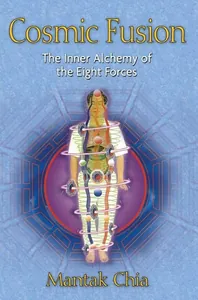
Green Races
 71
71

Green Races
Timothy Brown's Green Races offers a substantial expansion for Dungeons & Dragons 3rd Edition, moving beyond the familiar fantasy archetypes. Its strength lies in the detailed ethnographies provided for each new species, fleshing out their cultures and societal roles with a depth that encourages imaginative play. The integration with the 3rd Edition ruleset is largely seamless, providing mechanical benefits and drawbacks that feel considered. However, the book's reliance on the Player's Handbook, as noted on its cover, makes it inaccessible as a standalone work. While the lore is generally well-developed, some of the race concepts occasionally tread familiar ground within the broader fantasy genre, lacking a truly novel spark. Despite this, for a Dungeon Master seeking to populate their world with more varied inhabitants or a player wanting a distinct character, Green Races provides a solid, well-researched toolkit. It succeeds in its primary objective: broadening the player character palette.
📝 Description
71
Green Races, published in June 2002 by Wizards of the Coast, adds new playable character options for Dungeons & Dragons 3rd Edition.
This 2002 supplement for Dungeons & Dragons 3rd Edition expands the game's playable races beyond the typical elf, dwarf, and halfling. It details numerous non-human species, offering players and Dungeon Masters fresh character choices. Each race comes with extensive background lore, cultural details, and game statistics.
The book is designed for players and Dungeon Masters who want to deepen their game worlds with a wider array of character types. It appeals to those interested in detailed lore, character customization, and varied fantasy settings. Groups that have explored the standard race options will find Green Races a valuable resource for introducing new and imaginative characters into their campaigns.
While Green Races is a supplement for a fantasy role-playing game, its focus on detailing diverse, often non-human cultures and their societal structures can be seen as a form of speculative world-building. The creation of distinct species with unique traits and backgrounds echoes traditions of mythological and folkloric invention, where different races or peoples are characterized by specific attributes and histories. This approach to cataloging and defining varied sentient beings within a defined cosmology aligns with the broader human impulse to categorize and understand the myriad forms of existence, both real and imagined.
💡 Why Read This Book?
• Gain access to mechanically distinct playable races for D&D 3rd Edition, moving beyond standard options like elves and dwarves, as detailed in the book's race entries. • Explore unique cultural backgrounds and societal structures for non-human species, enriching your understanding of fantasy world-building as presented in the lore sections. • Discover new character archetypes that interact directly with the Dungeons & Dragons 3rd Edition ruleset, allowing for innovative player strategies and role-playing opportunities.
⭐ Reader Reviews
Honest opinions from readers who have explored this book.
❓ Frequently Asked Questions
What edition of Dungeons & Dragons is Green Races for?
Green Races is specifically designed for the third edition of Dungeons & Dragons, often abbreviated as D&D 3e. Players will need the Player's Handbook for this edition to utilize the content presented in Green Races.
Does Green Races include new spells or magic items?
The primary focus of Green Races is on introducing new playable character races, detailing their lore, culture, and game statistics. While some races may possess innate magical abilities or cultural traditions involving magic, the book itself does not primarily function as a compendium of new spells or magic items.
Can I use Green Races with D&D 5th Edition or other editions?
No, Green Races is explicitly tied to the mechanics and ruleset of Dungeons & Dragons 3rd Edition. Adapting its content for other editions, such as 5th Edition, would require significant reinterpretation and modification of race statistics and abilities.
What kind of races can I expect to find in Green Races?
The book introduces various non-human playable races, expanding the roster beyond the typical elves and dwarves. These often include more exotic or less common fantasy archetypes, each with unique backgrounds and game mechanics.
Is Green Races a standalone game or an expansion?
Green Races is an expansion supplement for the Dungeons & Dragons 3rd Edition role-playing game. It requires the core Player's Handbook for the 3rd Edition to be used effectively.
When was Green Races first published?
Green Races was first published in June 2002, during the era of Dungeons & Dragons 3rd Edition's popularity and ongoing supplement releases.
🔮 Key Themes & Symbolism
Expanded Racial Diversity
Green Races significantly broadens the palette of playable characters available in Dungeons & Dragons 3rd Edition. It moves beyond the standard fantasy races to introduce a wider array of species, each with distinct physical characteristics, cultural backgrounds, and societal roles. This theme addresses the desire for greater player individuality and allows for campaigns set in worlds populated by a more varied and exotic array of sentient beings. The book provides the mechanical and narrative framework for integrating these new races into existing or new game settings, fostering a richer and more complex fantasy environment for players and Dungeon Masters alike.
Lore Integration for New Species
A central focus of Green Races is the deep integration of lore for each newly introduced species. This involves not just their physical attributes but also their history, traditions, beliefs, and relationships with other races and the wider world. The book aims to provide Dungeon Masters with enough narrative material to make these races feel like organic parts of a fantasy setting, rather than mere collections of statistics. This detailed world-building encourages players to engage with their characters on a deeper level, fostering richer role-playing experiences grounded in the unique cultural contexts presented.
3rd Edition Mechanical Framework
The content within Green Races is meticulously designed to function within the specific ruleset of Dungeons & Dragons 3rd Edition. Each new race is presented with ability score modifiers, racial traits, skill bonuses, and other game mechanics that align with the 3rd Edition Player's Handbook. This ensures that the expanded options are balanced and compatible with the core game system, allowing players to create characters that are both unique and mechanically sound. The focus on this particular edition's mechanics makes it a valuable resource for groups actively playing D&D 3e.
Character Customization and Choice
Green Races empowers players by offering a significantly wider range of choices for character creation. Beyond the typical archetypes, players can select from a variety of less common or entirely new species, each offering different strengths, weaknesses, and role-playing opportunities. This theme champions player agency, allowing individuals to craft characters that truly reflect their imaginative concepts. By providing detailed options for these diverse races, the book enhances the potential for unique character builds and narrative arcs within the D&D 3rd Edition framework.
💬 Memorable Quotes
Direct passages from the work, attributed to the author.
“requires the Dungeons & Dragons Player's handbook. Third edition published by Wizards of the Coasts”
— This statement, found on the cover, is crucial for setting expectations. It clearly defines Green Races as a supplementary text, not a standalone game, emphasizing its dependency on the core 3rd Edition Player's Handbook for full usability.
“details various non-human playable character races”
— This phrase captures the book's primary function: to expand the roster of available player character options beyond the standard fare commonly found in role-playing game core rulebooks.
“offering players new options beyond the standard elves, dwarves, and halflings”
— This highlights the book's intent to provide variety and novelty for players, encouraging them to explore less conventional character choices and enrich their gaming experiences with unique species.
“provides extensive background information, cultural nuances, and statistical data”
— This outlines the comprehensive nature of the content for each race, indicating that players and Dungeon Masters will receive both narrative depth and mechanical integration for new character choices.
“Published in June 2002”
— This factual anchor places the book within a specific historical context of Dungeons & Dragons' development, aligning it with the 3rd Edition era and its associated game mechanics and lore.
🌙 Esoteric Significance
Tradition
While not strictly an esoteric text in the vein of Hermeticism or Gnosticism, Green Races taps into the esoteric practice of world-building and the creation of alternate realities within a structured system. It engages with the 'magic' of possibility inherent in role-playing games, allowing participants to explore different forms of existence and consciousness through fictional constructs. The act of defining and embodying 'other' races can be seen as a form of imaginative exploration akin to contemplative practices, fostering empathy and understanding of diverse perspectives within a defined symbolic universe.
Symbolism
The 'Green Races' themselves can be interpreted symbolically, often representing nature, vitality, or primal forces within fantasy settings, contrasting with more 'civilized' or 'civilized' humanoids. Their depiction often involves unique biological traits that symbolize their connection to specific environments or magical energies. For instance, a race deeply connected to forests might embody arboreal symbolism, representing growth, life, and ancient wisdom, while a subterranean race could symbolize the hidden, the subconscious, or the earth's deep mysteries.
Modern Relevance
The principles explored in Green Races—expanding the definition of playable characters and enriching world-building with diverse species—continue to influence modern game design. Contemporary role-playing games and video games often build upon this foundation, offering even more extensive character customization and lore diversity. Thinkers and creators interested in narrative design, speculative fiction, and the psychology of identity exploration within simulated realities might find value in analyzing how Green Races contributed to the evolution of interactive storytelling and virtual world-building.
👥 Who Should Read This Book
• Dungeons & Dragons 3rd Edition players seeking to create unique characters beyond the standard archetypes, offering new mechanical and role-playing avenues. • Dungeon Masters looking to populate their campaign worlds with a wider variety of sentient species, providing rich lore and background for their inhabitants. • Tabletop RPG enthusiasts interested in the evolution of game design, specifically how supplemental materials expanded the foundational rulesets of popular systems like D&D 3e.
📜 Historical Context
Green Races emerged in June 2002, a period when Dungeons & Dragons 3rd Edition, released in 2000, was solidifying its place in the tabletop role-playing landscape under Wizards of the Coast. This edition, often lauded for its streamlined mechanics and emphasis on player choice, spurred a wave of supplemental content designed to expand its reach and depth. Books like Green Races were instrumental in providing Dungeon Masters with a richer variety of creature and character options, moving beyond the traditional fantasy archetypes. While the dominant fantasy role-playing discourse was heavily influenced by D&D and its contemporaries, Green Races specifically catered to players seeking to diversify their character options within the established 3e framework, distinct from games like the World of Warcraft TCG which would gain prominence later. The reception for such supplements was generally positive among active 3e players eager for new material.
📔 Journal Prompts
The integration of non-human traits into character statistics.
Cultural practices of the presented races.
Potential societal conflicts between different Green Races.
The role of nature symbolism in defining a race's identity.
Developing a personal backstory for a character from Green Races.
🗂️ Glossary
Player's Handbook (3rd Edition)
The core rulebook for Dungeons & Dragons 3rd Edition, containing essential rules for character creation, combat, magic, and adventuring. Green Races requires this book to function.
Playable Character Races
The distinct species or ancestries that players can choose to embody as characters within the Dungeons & Dragons game system, each with unique attributes and lore.
Lore
The accumulated body of knowledge, history, mythology, and background information pertaining to the fictional world, its inhabitants, and their cultures.
Dungeon Master (DM)
The facilitator and referee of a Dungeons & Dragons game, responsible for narrating the story, controlling non-player characters, and interpreting the rules.
Statistical Data
Numerical information, such as ability scores, hit points, and attack bonuses, used to define a character's or creature's capabilities within the game's rules system.
Campaign
A series of connected adventures or a long-term story arc undertaken by a group of players within a role-playing game setting.
Archetypes
Common or traditional character types or patterns that serve as a basis for creating new characters, often representing familiar roles or concepts.
This book appears in 1 collection
🔮 Readers Also Liked
Browse all →









From the “Spellcraft” Collection
View all →




More Free Occult Philosophy Books
View all →